Where is the best place to see river otters?
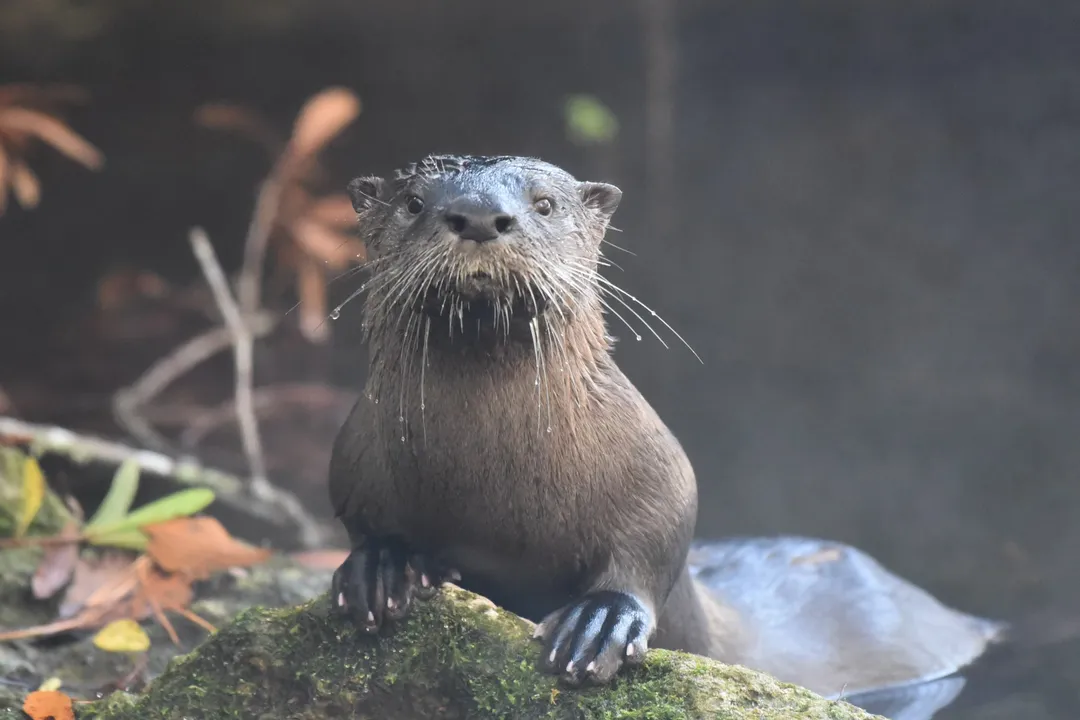
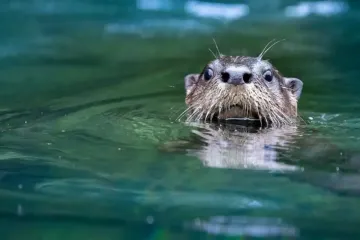
Spotting a North American river otter, the playful inhabitant of North America’s waterways, can transform a simple nature walk into a memorable wildlife encounter. These fascinating, streamlined mammals, scientifically known as Lontra canadensis, are adept swimmers and often appear in motion, making their observation a matter of knowing where and when to look. [5][7] While they are certainly secretive, several specific locations across the United States have gained reputations for offering better odds for viewing these charismatic creatures in their natural setting. [4]
# Otter Basics
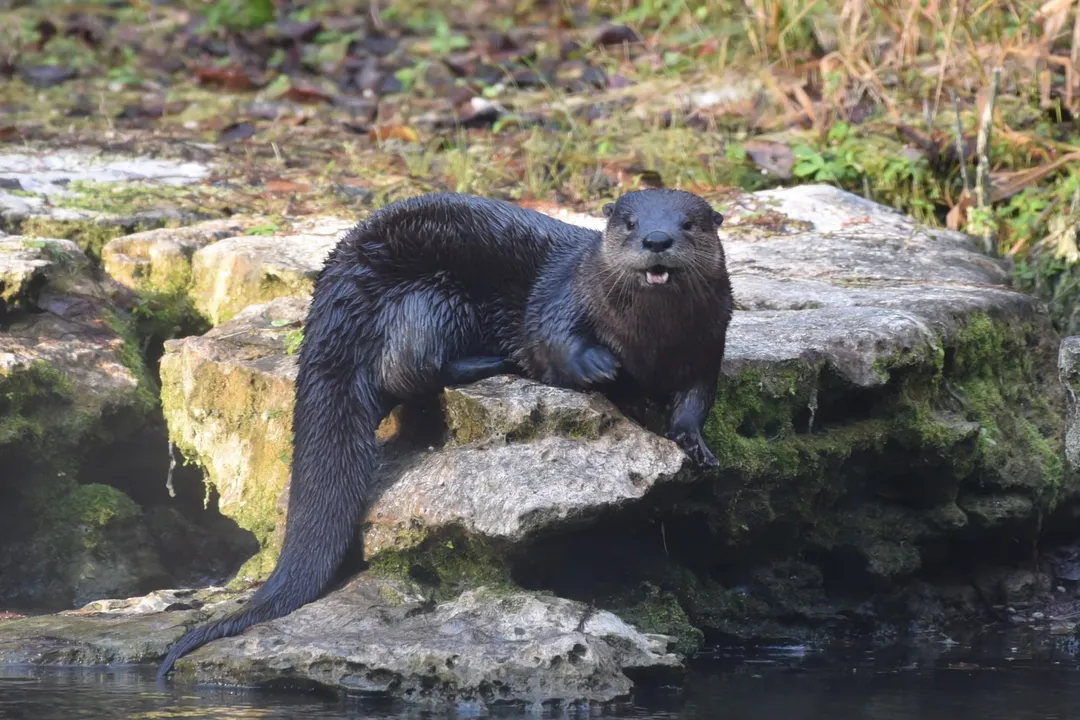
The North American river otter is an essential part of freshwater ecosystems. [7] They are known for their curious and energetic nature, often swimming, diving, and sliding in groups called romps. [5] River otters prefer habitats with clean water and an abundant food supply, relying on fish, crustaceans, amphibians, and small mammals. [5][7] Unlike sea otters, North American river otters possess denser fur that helps them stay warm in colder climates, which explains their presence across much of the continent. [7] Their territory can be quite large, sometimes spanning up to fifty miles of connected waterways, meaning that a sighting in one spot doesn't guarantee they will stay there long. [5]
# Great Smoky Mountains
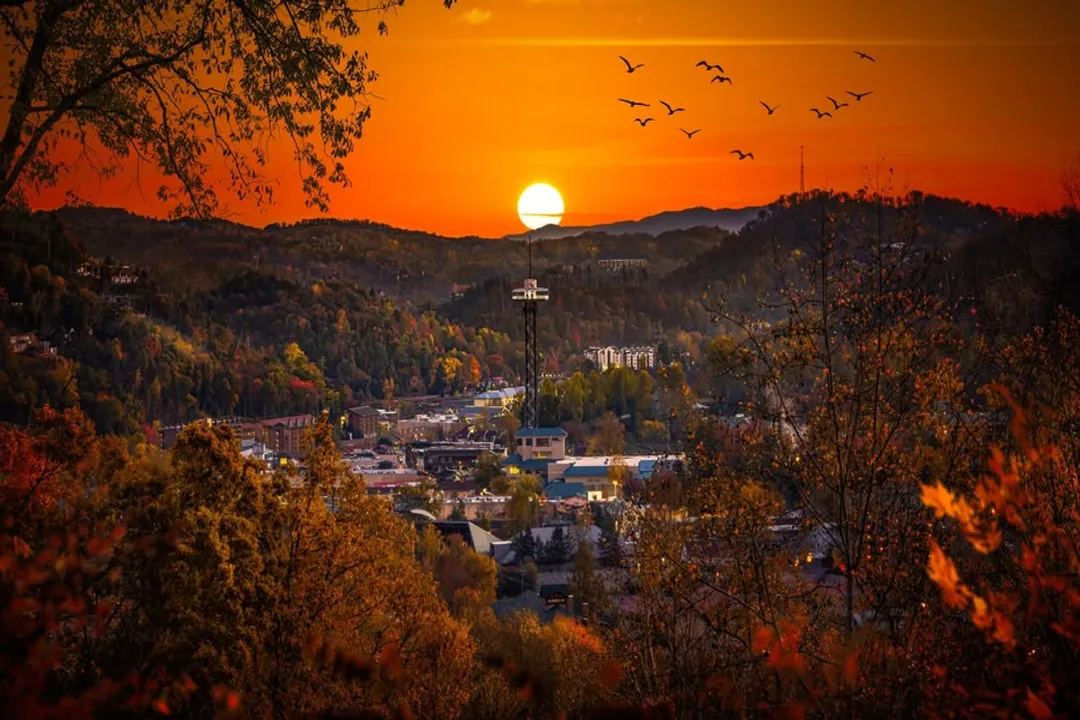
The Great Smoky Mountains National Park (GSMNP) stands out as a celebrated location for those hoping to catch a glimpse of wild river otters. [2] The park’s diverse network of streams and rivers provides the ideal environment for these animals to thrive. [2] Visitors have reported frequent sightings within the park boundaries, often near the water's edge or actively swimming. [9][2]
Within the GSMNP, certain areas seem to offer a higher probability of success. Some observers suggest looking along the tributaries of the Little River, particularly in areas where the water is slightly less turbulent, allowing the otters to fish more easily. [9] Another frequently mentioned location, often cited by park enthusiasts, involves the slower-moving sections of rivers near the quieter park entrances or areas less traveled by heavy human traffic. [1] Remember that the otters are active throughout the day, though they may be more visible during early morning or late afternoon hours when human activity is generally lower. [2] One visitor mentioned seeing a mother and pups near the Chimneys Picnic Area section of the Middle Prong of the Little River, indicating that areas with dense bank vegetation and clear access to deeper pools are prime real estate for otter families. [9]
If you are planning a trip specifically for otter spotting in the Smokies, understanding the terrain is key. The mountain streams are often fast-flowing and cold; the otters here are primarily hunting trout and crayfish in the cooler, cleaner water, unlike their counterparts in warmer, slower southern waters. [2] Being patient near known fishing spots or natural otter slides—banks where they frequently slip into the water—is an actionable strategy for maximizing your chances of a sighting. [1]
# Florida Springs
Switching ecosystems entirely, the clear, constant temperatures of Florida's spring systems present a completely different, yet equally rewarding, opportunity to observe river otters. [3] Ichetucknee Springs State Park, for instance, is noted as a place where these animals can be seen. [3]
The viewing experience here contrasts sharply with the Smoky Mountains. Because the water in the Ichetucknee River is exceptionally clear, viewing is often easier from a distance or even while floating down the river. [3] The constant temperature of the spring-fed river means the otters are active year-round, as they do not have to contend with the freezing temperatures that might drive their northern cousins to seek deeper, more sheltered waters during winter months. [3] At Ichetucknee, you are likely to see them interacting with the clear water, perhaps diving for turtles or crayfish, visible even from the river bank or a kayak. [3]
| Location Type | Primary Habitat Feature | Typical Visibility Advantage | Associated Otter Activity |
|---|---|---|---|
| GSMNP | Cool, fast-flowing mountain streams | Less human traffic areas | Fishing for trout, utilizing natural slides |
| Ichetucknee Springs, FL | Clear, spring-fed, constant temperature river | Water clarity | Diving, year-round activity |
| Potomac River | Large, diverse river system | Early morning/late evening near banks | Foraging along specific bends or inlets |
| Sacandaga Area | Lakes and larger rivers (Northeast) | Near secluded coves or river mouths | Socializing, moving between foraging zones |
This difference in environment suggests a tailored approach: in the Smokies, look for signs of activity near the water's edge in variable conditions; in Florida, the clarity allows you to observe their actual foraging behavior from farther away. [2][3]
# Northeastern Waterways
Moving up the Eastern Seaboard, other large river systems host healthy otter populations. The Potomac River area has seen renewed interest from otter spotters, particularly during the summer months. [6] While it is a large, busy river, otters are present, often utilizing quieter inlets or the edges of established wetlands bordering the main channel. [6] Experts suggest that early mornings, right as the sun hits the water, or near dusk are the best times for viewing along the Potomac, as the lower light gives the otters a better sense of security while still offering enough illumination for keen-eyed observers. [6]
Further north, the Sacandaga region also offers opportunities to see river otters where their habitat consists of lakes and larger river sections. [8] In these broader water bodies, otters may congregate near river mouths or sheltered coves where food sources are concentrated, especially as water temperatures begin to change seasonally. [8] The key to finding them in these larger environments is identifying areas where the river transitions to quieter, slower water, providing a buffer against boat traffic or strong currents. [5]
# General Viewing Strategies
While specific parks offer known locations, a general understanding of otter behavior helps no matter where you are looking. [4] North American river otters are generally described as social animals, often traveling in family groups. [5] If you see one, there is a good chance others are nearby, perhaps resting in a den, called a holt, dug into the bank or utilizing a natural cavity. [5]
A crucial factor that remains consistent across all environments—from the mountain creeks of Tennessee to the Florida springs—is the timing of their activity. Otters are active throughout the day and night, but visibility peaks when the water is calmest and human disturbance is at its lowest. [2] For instance, in populated areas like those surrounding the GSMNP, avoiding peak midday tourist hours can significantly increase your chances. [9]
To optimize your search, you should focus on the edges of their world. Look for signs: fresh scat on flat rocks near the water, tracks in damp sand or mud, or tell-tale slides leading into the water. [1] If you are actively hiking or paddling in an area known to host otters, stop periodically and remain still for several minutes. Otters are naturally curious; if they are aware of your presence but perceive you as stationary and non-threatening, they may eventually emerge to investigate the disturbance. [4]
It is worth noting a behavioral difference that influences viewing: otters in remote, protected areas like deep sections of the National Park might be bolder than those in suburban river sections where human interaction is more frequent or negative. [2][6] In a wilderness setting, they might swim closer out of curiosity; in a semi-urban setting, they are often more cautious. [6] When visiting the Potomac, for example, look for structures like fallen trees or dense reeds providing cover, as these are essential for them to transition safely between water and land. [6]
If you are visiting areas like the Ichetucknee, where the water is exceptionally clear, consider bringing polarized sunglasses. This simple tool cuts the surface glare, allowing you to see beneath the water's surface where otters spend significant time hunting, enhancing the clarity of your observation dramatically. [3]
# Conservation Context
The presence of river otters in these varied locations speaks to successful conservation efforts in many areas. [7] For instance, otters were reintroduced to the Smoky Mountains in the 1980s after having disappeared from the area due to habitat loss and trapping. [2] Their continued presence, along with healthy populations in places like Florida and the Potomac, shows that when water quality and habitat corridors are protected, these animals can rebound. [3][6] Observing them responsibly means maintaining a respectful distance, never feeding them, and keeping dogs leashed, ensuring their continued successful habitation in these prime viewing locales. [7][4] The goal is always to witness their natural behavior without altering it, which is the true mark of a successful wildlife encounter. [5]
Related Questions
#Citations
Best place to see river otters?
4 Things to Know About River Otters in Smoky Mountains ...
Otters at Ichetucknee Springs
Where to see wild river otters? : r/NorthCarolina
Where can I see the North American River Otter in the wild
Five spots you *otter* try otter-spotting in the Potomac River ...
North American river otter
Adirondack River Otter
River Otters in GSMNP? - Great Smoky Mountains National ...