Where does the yellow winged blackbird live?
The geographical distribution of the bird sometimes called the Yellow-winged Blackbird, more commonly known in ornithological circles as the Yellow-headed Blackbird, paints a picture of a species strongly tied to the wetlands of western and central North America. [1] Understanding where these striking black birds with their bright yellow heads and chests can be found requires looking at two distinct periods: the breeding season and the non-breeding season, as their locations shift significantly throughout the year. [1]
# North American Presence
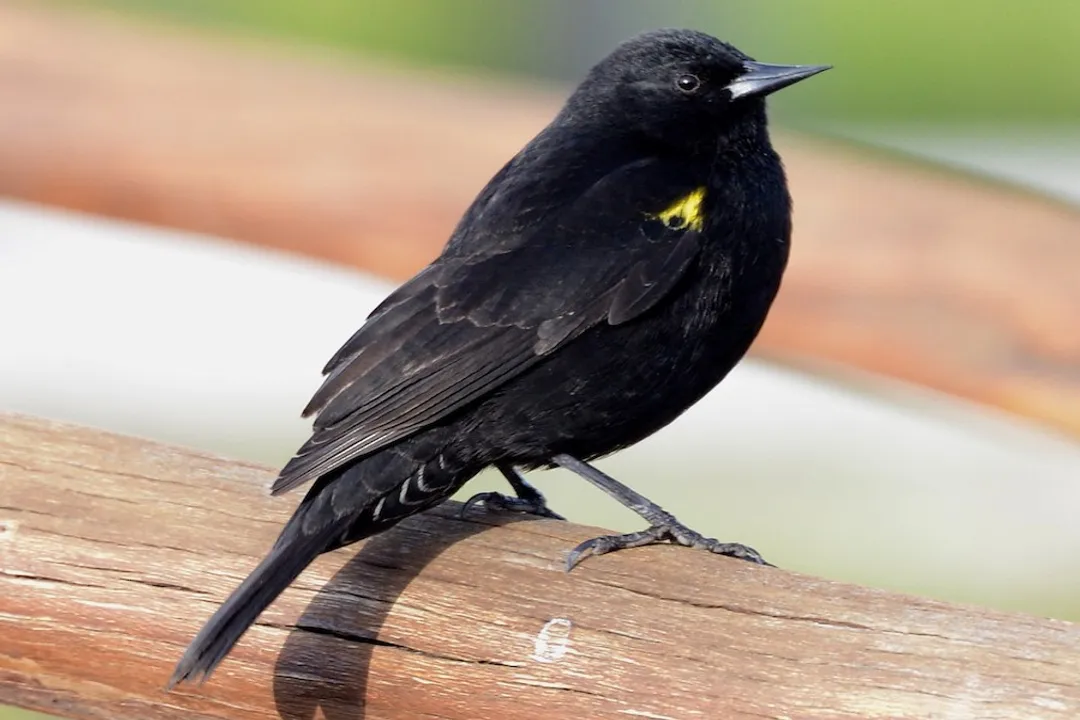
This species maintains a broad breeding distribution that spans across the central and western United States and into the southern reaches of the Canadian provinces. [3][4] If you are looking for where they establish their territories to raise young, the core area centers around the Great Plains and the Intermountain West regions. [1] This expanse covers massive tracts of suitable land across several states and provinces where shallow water bodies abound during the spring and summer months. [1][4]
In Canada, observers can reliably find this species in the prairie provinces. Reports indicate a solid presence in areas like Alberta, Saskatchewan, and Manitoba during the breeding season. [3] For birders aiming to confirm sightings in Canada, the eBird system shows recorded occurrences across these provinces, confirming their presence as breeding visitors. [3]
Across the border in the United States, their breeding grounds are extensive, covering much of the interior west, stretching from the Dakotas west toward the mountains. [4] While they are primarily associated with the interior West, their range is not uniform; it is dictated almost entirely by the availability of specific aquatic habitats. [1]
# Seasonal Shifts
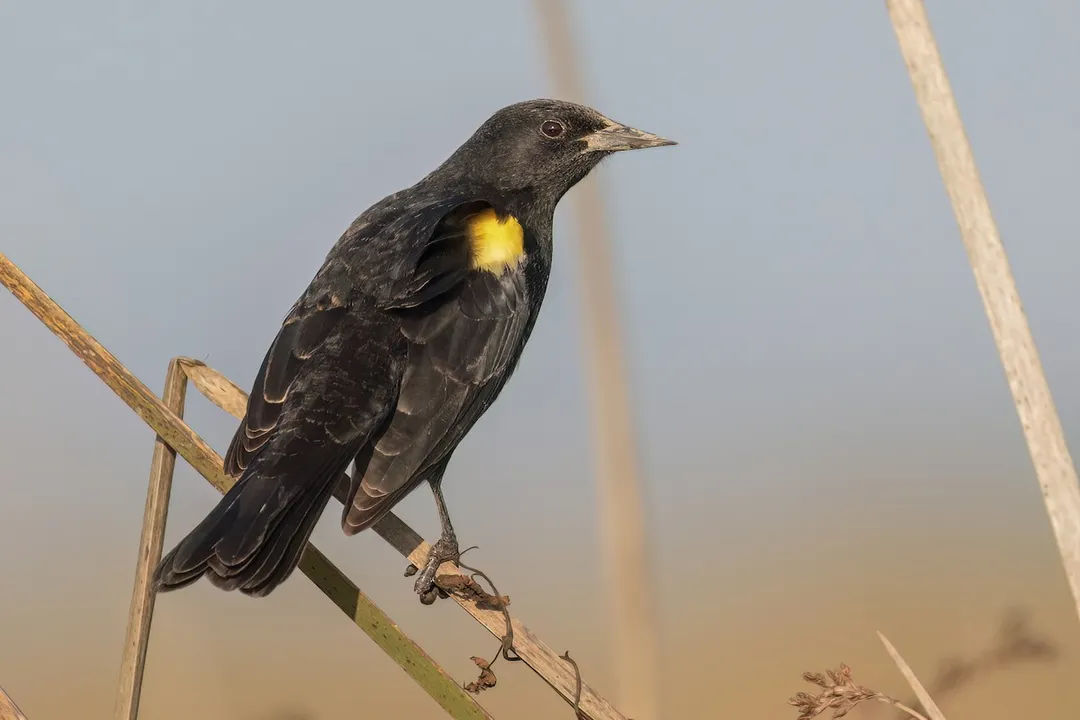
The movement of these blackbirds is a classic example of migratory behavior dictated by resource availability. When the northern breeding grounds become inhospitable due to freezing temperatures and snow cover, the large populations begin their southward journey. [1]
The wintering grounds are notably different from the breeding areas. The birds typically vacate the northern sections of their range, concentrating further south. [1] Their primary wintering areas include the southern United States, Mexico, and sometimes extending into Central America. [1] This shift involves moving from the high plains and interior wetlands to warmer, milder climes where food sources remain accessible throughout the winter months. [1]
Considering the sheer volume of birds that breed across the vast plains of the US and Canada, the wintering areas must accommodate this large influx. It is fascinating to note the funneling effect that occurs; a breeding distribution spread widely across the western half of the continent condenses into more localized, southern wintering pockets. [1] This narrowing of the range during winter highlights how sensitive these populations are to localized climate shifts in the southern part of their yearly cycle.
# California Sightings
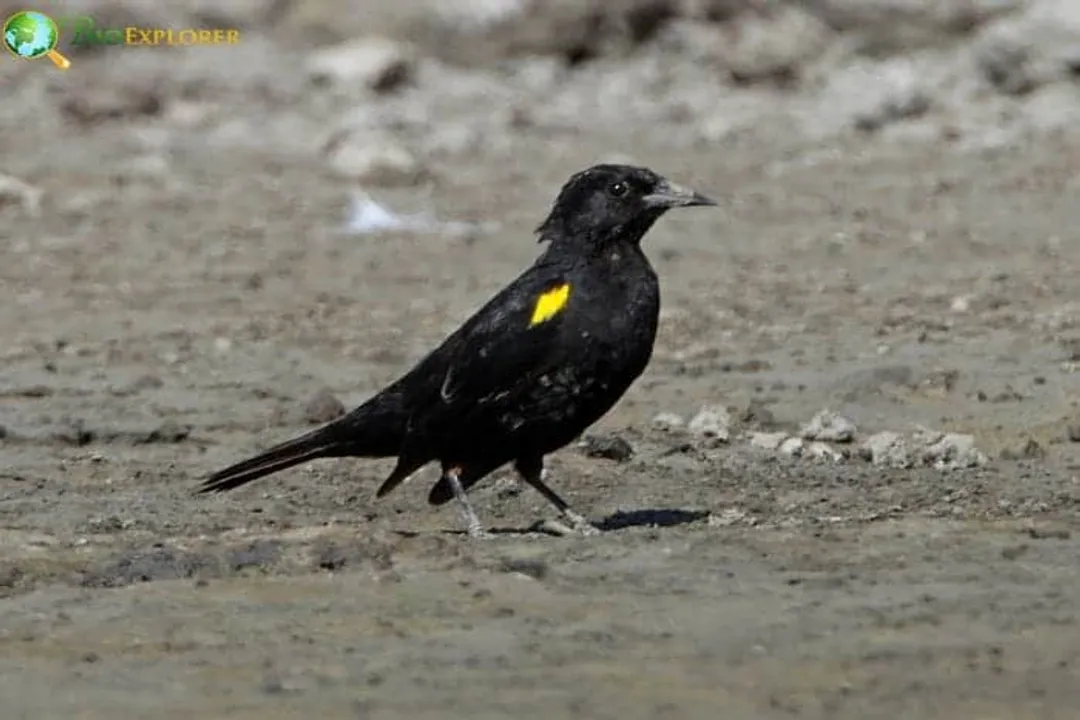
For those interested in localized details, particularly within the western United States, the situation in California offers a good case study in migratory passage. [7] In California, the Yellow-headed Blackbird is not typically considered a year-round resident across the entire state. Instead, it appears as a migrant and a winter visitor. [7]
Records indicate that the species can be found in California during its migratory periods, often utilizing specific pockets of suitable habitat along its route. The Central Valley and the desert regions of Southern California are noted areas where these birds might be observed during passage or wintering. [7] Their presence here is dependent on local marsh conditions remaining viable when other northern sites are frozen over. [7] However, within the state's specific ecological regions, their status varies, with some areas recording them as uncommon compared to the higher densities found in the interior breeding range. [7]
# Habitat Needs
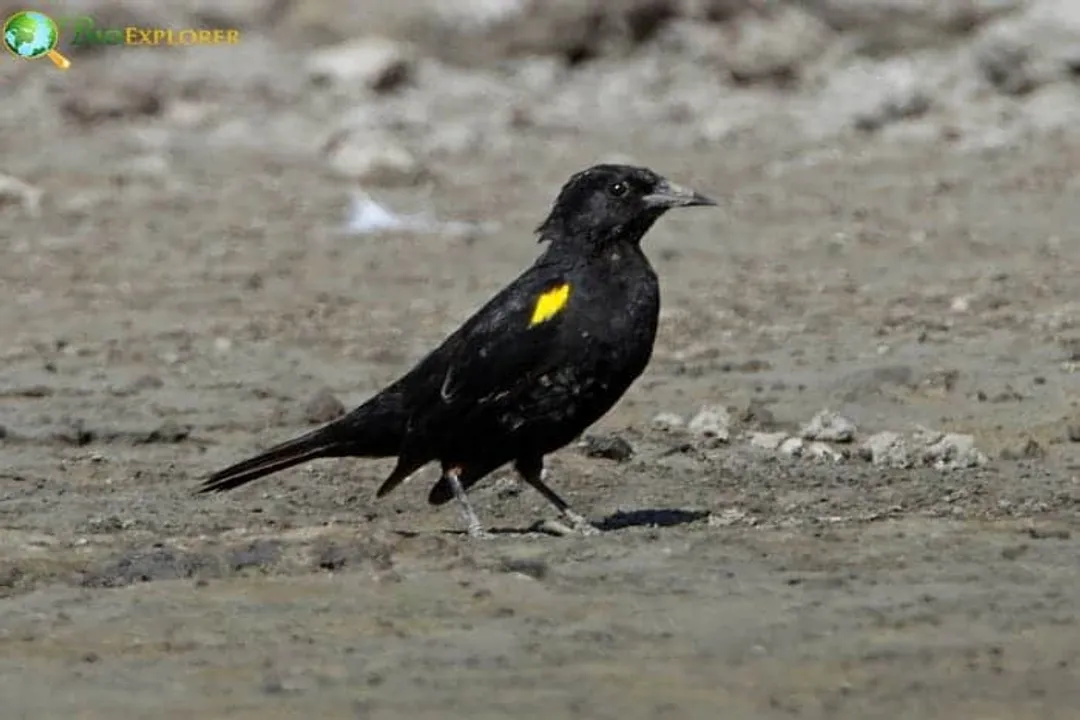
The location where these blackbirds live is less about political boundaries and more about the immediate environment. They are inextricably linked to freshwater marshes. [1][6] Their presence is signaled by the rustling sound of dense, emergent vegetation, especially cattails. [1] These plants are not merely decorative; they are essential structural elements of the bird’s environment. [1]
Nesting behavior dictates habitat choice: the birds require tall, dense stands of emergent aquatic plants like cattails or bulrushes upon which to build their intricate, woven nests. [1] This dependence means that healthy, extensive marsh complexes are mandatory for successful breeding colonies. [6] Consequently, if a region experiences significant wetland drainage or the loss of these specific emergent plants, the blackbirds will simply not be found there, regardless of how geographically close it is to their established range map. [1]
If you are trying to locate a breeding colony, look for areas where the water is shallow to moderate in depth, bordered by dense stands of vegetation that persist throughout the growing season. [1] These conditions are crucial not just for nesting but also for feeding, as the birds forage in the water and surrounding wet mudflats for insects and seeds. [6]
# Range Comparisons
It is useful to place the Yellow-headed Blackbird within the context of other blackbirds, as the term "blackbird" covers a variety of species across North America. For example, the Red-winged Blackbird, perhaps the most numerous and widespread blackbird, often shares similar marsh habitats but has a significantly larger breeding range that extends much further east into the northeastern US and eastern Canada. [4]
While the Red-winged Blackbird is found coast to coast during the breeding season, the Yellow-headed species is much more restricted to the West and Central regions. [4] This difference in distribution means that a birder in, say, coastal Maine would expect to find Red-winged Blackbirds but would likely never encounter a nesting Yellow-headed Blackbird. [4]
The range of the Yellow-headed species is generally considered to be west of the ninety-eighth meridian, although they may occasionally stray further east, especially during migration or in certain wintering pockets. [1] This East-West division is a key characteristic when mapping North American icterids.
For a visiting birder trying to maximize their chances of seeing this species, understanding the habitat overlap versus range separation is important. If you find yourself near a suitable marsh in the Great Plains, you have a high probability of seeing both species, but only the Yellow-headed bird will be nesting there during the summer months. [4]
# Practical Observation Tips
Given the species' strong reliance on specific wetland structure, a practical piece of advice emerges for anyone hoping to locate them outside of known hotspots. Since they favor large, established marshes, focusing your search on large protected wetland refuges or major state/provincial wildlife management areas within the known breeding latitude is often more effective than searching small farm ponds. [1][7]
When searching, remember that the colonies can be quite noisy and conspicuous during the breeding season, often perching atop the cattails. [1] If you are in the right habitat but cannot see them, try using audio identification; their harsh, grating calls are often the first sign of a nearby colony. [1] Conversely, during the non-breeding season, they tend to be much more secretive, often joining mixed-species flocks of other blackbirds, which makes pinpointing their location much harder. [1] This difference in behavior between seasons necessitates different searching strategies; summer means looking for territory defense and loud calls, while winter means scanning large feeding flocks carefully for an outlier with a bright yellow head. [1]
The specific geographic positioning of their wintering sites—the southern US and Mexico—also suggests that conservation efforts focused on protecting key coastal or interior wetlands in those regions are paramount for the species' long-term survival, as these sites represent the only places the entire continental population can reliably gather food during the coldest months. [1]
Related Questions
#Citations
Yellow-winged Blackbird Agelasticus thilius - Birds of the World
Yellow-winged Blackbird
Yellow-winged Blackbird - eBird
Yellow-headed Blackbird Range Map - All About Birds
What are blackbirds with yellow wings in Central Minnesota?
Yellow-Winged Blackbird | Agelasticus thilius | Black Bird | BioExplorer
[PDF] Yellow-headed blackbird (Xanthocephalus xanthocephalus)
Yellow-winged blackbird - Facts, Diet, Habitat & Pictures ... - Animalia