Where can you find a tree frog?
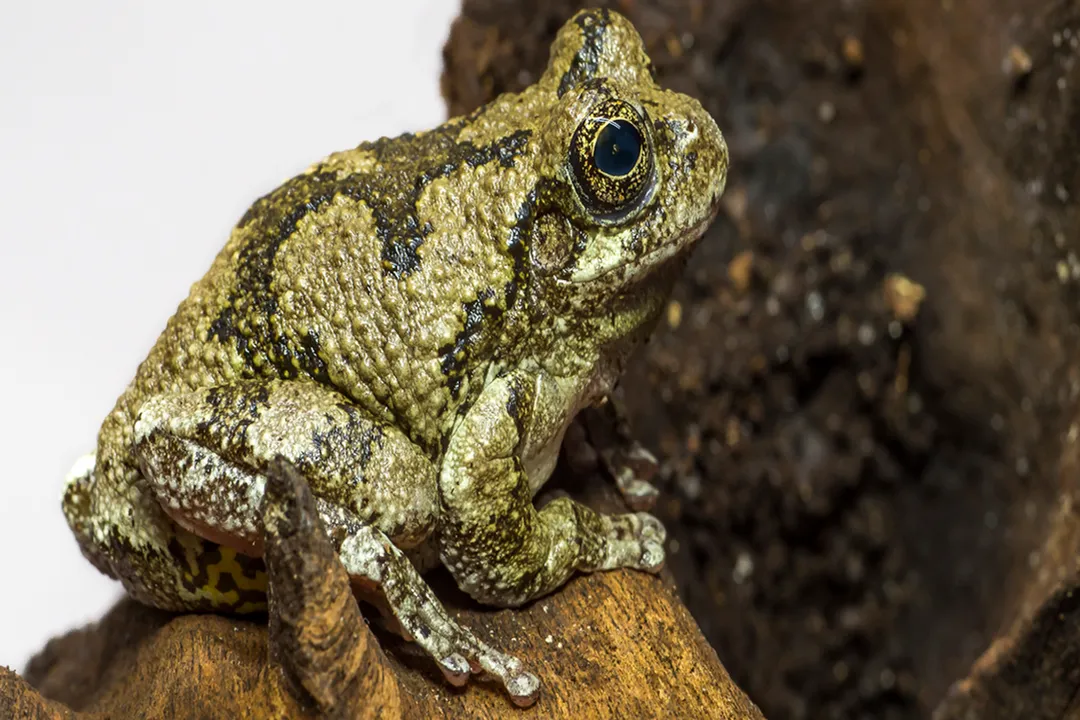
The first place to consider when looking for a tree frog is its native environment. These fascinating amphibians are incredibly widespread, inhabiting diverse regions across the globe, though their presence in any specific location depends heavily on the species and local environmental conditions. In North America, for instance, one might encounter various types of tree frogs depending on whether they are in the eastern, central, or southern parts of the continent. If you are interested in observing them in the wild, understanding their preferred settings is key.
# Wild Places
Tree frogs are typically found in environments that offer both moisture and vertical structure for climbing. For many species, including the Green Treefrog found in states like Kentucky, proximity to water sources is vital. They can inhabit areas near marshes, swamps, ponds, and the edges of lakes. The Green Treefrog in Alabama, for example, is often located in wet, swampy areas or the margins of ponds, often near standing water, where they are well-camouflaged among the vegetation.
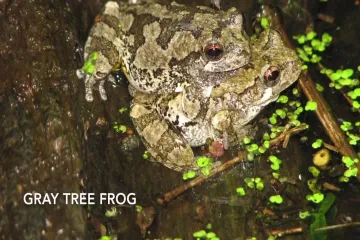
In contrast, species like the Cope's Gray Treefrog and the Eastern Gray Treefrog, found in Indiana, tend to prefer forested areas. They can be found in moist woodlands, shrubby areas, and sometimes even in suburban yards, often resting on tree trunks or large leaves during the day. The Gray Treefrog, in general, is known for its ability to cling to vertical surfaces like tree trunks and leaves, thanks to the adhesive pads on its toes. A helpful observation for locating these frogs is realizing that their coloration often allows them to blend almost perfectly with their surroundings; a Gray Treefrog might appear mottled gray, green, or brown depending on the surface it is sitting on. This camouflage is one of their primary defenses, making them surprisingly hard to spot unless they move or call.
# Habitat Needs
The fundamental requirement for finding any tree frog is moisture. Frogs breathe partly through their skin, necessitating a damp environment to prevent desiccation. This is why their active periods often coincide with higher humidity or after rainfall. While they are called "tree" frogs, their habitat preferences are varied. Some are more closely associated with ground-level vegetation and water bodies, while others spend more time higher up in the canopy.
The Green Treefrog, for instance, often perches on vegetation immediately above water, making emergent aquatic plants a prime hiding spot. For Gray Treefrogs, areas with substantial foliage, such as the branches of trees and shrubs, serve as their daytime retreat. A good rule of thumb when searching for native species is to seek out areas with dense, low-lying vegetation near still or slow-moving water, particularly at night when they are most active.
It’s interesting to note how different species adapt their vertical positioning. While the term "tree frog" implies high perching, many species are often found quite low to the ground or even on the ground itself, especially during damp conditions or when hunting insects near the leaf litter. This tendency to occupy multiple vertical strata means a careful search should include looking both in the bushes and lower down among the roots and debris.
# Seeking Amphibians
If the goal is to observe or capture a tree frog in its natural habitat—perhaps for educational study or simply for the experience, which often involves temporary capture and release—timing and technique matter significantly. Tree frogs are largely nocturnal, meaning the hours after sunset are when they are most active, moving from their daytime resting spots to forage for insects and call for mates. One enthusiast noted that the best time to look is often shortly after dark, sometimes as late as 2:00 AM, especially on warm, humid nights.
When searching, a key strategy involves listening first. The calls of male tree frogs, particularly during the breeding season, can be surprisingly loud and distinct, acting as a locator beacon. The Green Treefrog often emits a loud “reng-reng” or “wank-wank” call, while the Gray Treefrog has a loud, trilling call that can sound like a rapidly repeated zipper noise. Once you locate a calling spot, approach slowly and quietly, using a flashlight with a red filter if possible, as many amphibians are less disturbed by red light than by bright white light. Look for movement on leaves, branches, or near the water's edge.
If you are attempting to catch one, one suggestion shared online is to use a small net or simply your hands, being extremely gentle due to their delicate skin. However, always be mindful of local regulations regarding the capture of wildlife, as some species or locations may be protected. A point to consider for the aspiring amphibian observer is the environmental context: successful nighttime searches often correlate directly with recent rainfall or consistently high humidity levels; a dry, clear night, even if warm, will significantly reduce the chances of finding active frogs.
# Pet Trade Sourcing
For those interested in keeping tree frogs as pets, the location shifts from the swamp edge to specialized retailers and breeders. Acquiring a tree frog through legal commercial channels ensures you are obtaining an animal sourced according to regulations, which is often preferable to capturing wild specimens.
The Green Tree Frog (Hyla cinerea) is a very popular choice in the pet trade. These frogs are frequently available from various sources, including large pet supply stores and specialized reptile/amphibian vendors. Major retailers often list them online, noting their availability and sometimes providing basic care information. For example, some stores list the Green Tree Frog as available, sometimes specifying its size (e.g., "3 to 5 inches full grown").
Specialized online suppliers often focus exclusively on reptiles and amphibians, offering a wider variety or ensuring captive-bred stock. Retailers specializing in exotics might list the Green Tree Frog for sale, indicating they ship live animals. When purchasing from a specialized vendor, you are often dealing with sources that understand the specific needs of captive amphibians better than general stores might.
The method of acquisition can vary from in-store pickup to direct shipping of a live animal. For instance, some specialty shops only sell certain livestock, like frogs, through online ordering and shipping services. Others, like large chain stores, offer them both in their physical locations and through their online platforms.

# Species Comparison
While the Green Treefrog is widely available in the pet trade, it is important to remember that "tree frog" is a broad term encompassing many species, some of which are native to your area and others that are not.
| Species Example | Common Location | Key Habitat Note | Pet Availability |
|---|---|---|---|
| Green Treefrog | KY, AL | Near water, swamps, ponds | High |
| Gray Treefrog (Eastern/Cope's) | IN | Moist woodlands, tree trunks | Moderate/Specialized |
The crucial difference when considering "where to find" them relates to legality and ethics. If you are looking for a Gray Treefrog in Indiana, for example, you may find them near your property, but harvesting wild ones is regulated. Conversely, purchasing a Green Treefrog from a licensed supplier means the animal originated from a captive breeding program, which carries different responsibilities. It is a useful distinction to make: searching for a pet means looking at vendor stock lists and shipping policies, whereas searching for a native species means consulting ecological guides for your specific county or state.
# Community Resources
Beyond direct retail or deep wilderness searching, another way people "find" tree frogs—or learn where to find them—is through online communities. Social media groups dedicated to frog spotting, for example, serve as informal databases of recent sightings shared by enthusiasts. While these posts are anecdotal and lack the scientific rigor of published surveys, they can provide excellent, real-time indicators of where frogs are active in a given season. People share photographs of frogs they have recently encountered, often mentioning the general location or type of habitat where the sighting occurred. Engaging with these groups, while respecting privacy and safety guidelines, can offer localized tips that general field guides might miss.
Related Questions
#Citations
Tree Frogs for Sale
Green Tree Frogs for Sale - Petco
Green Treefrog - Kentucky Department of Fish & Wildlife
Green Tree Frog - PetSmart
DNR: Fish & Wildlife: Cope's Gray Treefrog and Eastern ... - IN.gov
Michigan, I believe it may be a grey tree frog - Facebook
Gray tree frog | Smithsonian's National Zoo and Conservation ...
Tree Frogs
Green Treefrog | Outdoor Alabama
How to find/catch a tree frog? : r/TreeFrogs - Reddit