Where do stag beetles live in the USA?

The presence of stag beetles across the United States is highly dependent on which species you are interested in tracking, as the term encompasses several distinct groups with varying geographical preferences. While they are certainly found throughout many parts of the country, their densest populations and largest specimens tend to be concentrated in the eastern and midwestern forested regions. [1][3] Unlike some ubiquitous insects, the specific habitat requirements tied to their long larval stage mean that large swathes of the arid West or high mountain ranges often lack large stag beetle populations compared to the hardwood forests of the East. [5]
# Eastern Concentration
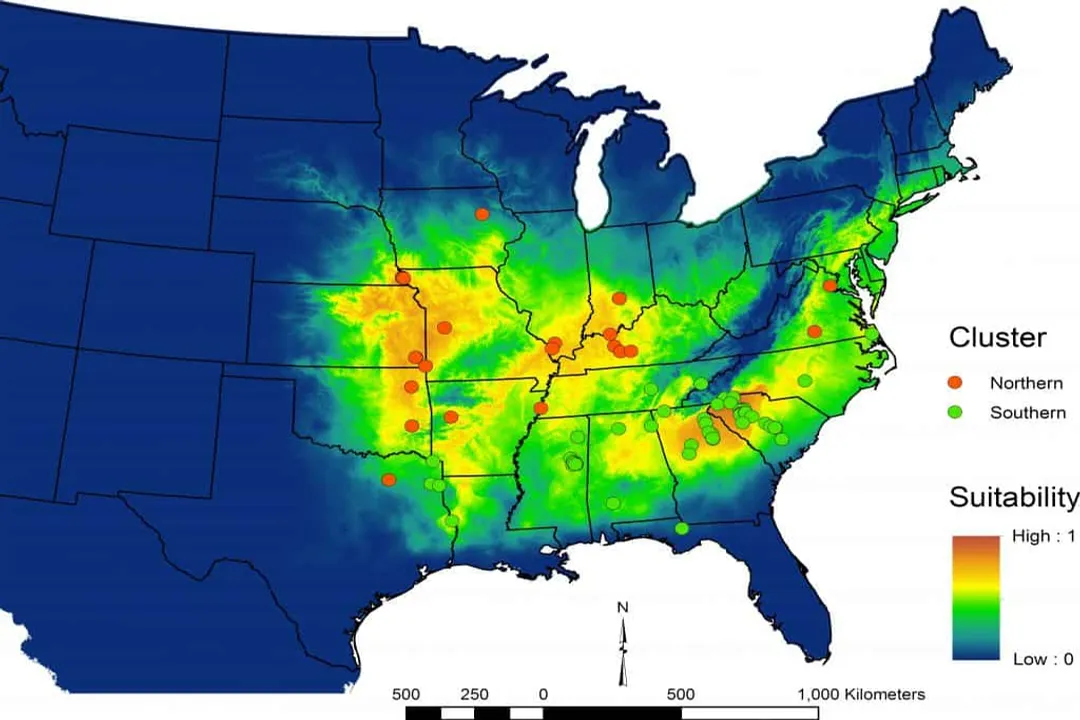
North America is home to several species of stag beetles, but perhaps the most impressive in terms of sheer size is the Giant Stag Beetle, Lucanus elaphus. [1] This impressive insect is recognized as the largest stag beetle found in North America. [1] The range for L. elaphus is well-documented across the eastern and central parts of the country. [9] Accounts place their distribution throughout the Eastern Deciduous Forest biome, often extending westward into the Great Plains states where suitable woodland habitats persist. [3][9] If you are looking for the absolute biggest examples, focusing your search efforts within the traditional boundaries of the Eastern US hardwood forests, from the coastal plains up through the lower Midwest, is the most productive approach. [1][3]
# Specific Species Locations
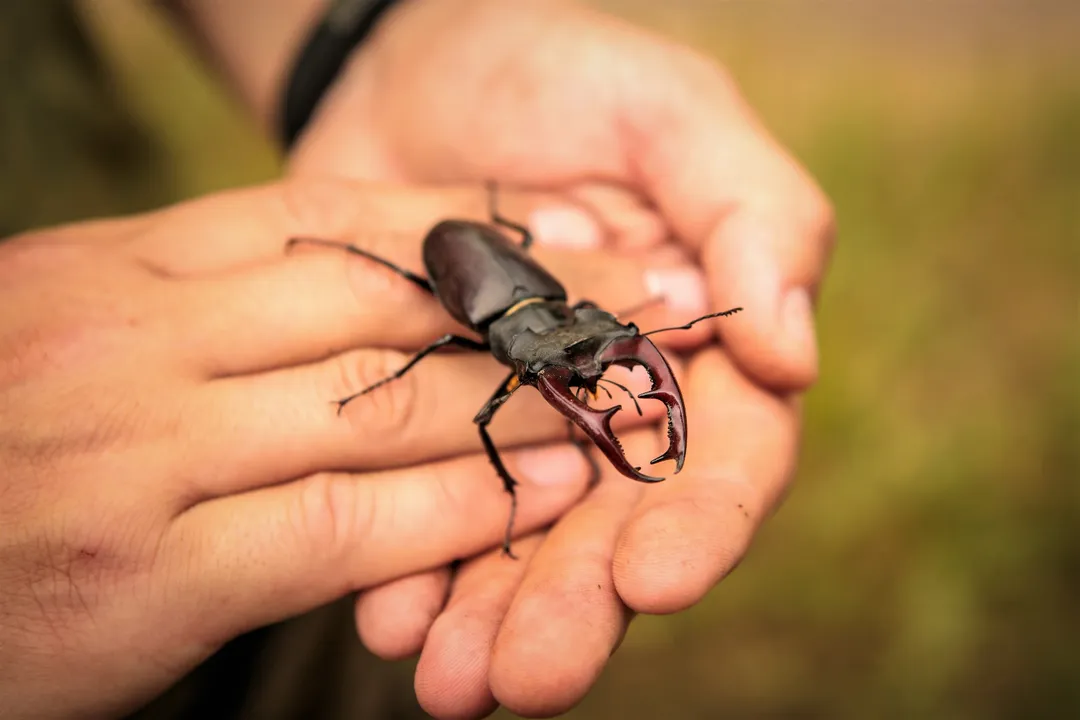
To get a clearer picture of where these beetles live, it helps to look at the specific species distribution, which can vary significantly even between closely related genera.
The Smooth Stag Beetle, Lucanus capreolus, is another widely recognized species, though often smaller than L. elaphus. [7] This species shows a strong affinity for the Midwest and Eastern regions as well. For example, established populations are known to thrive in states like Illinois, where they are found among dead or decaying hardwood stumps and logs. [7] Similarly, observations place the Smooth Stag Beetle in Minnesota, suggesting a northward extension of the range in the upper Midwest. [8]
When considering the sheer variety of species present, the map provided by entomological resources often shows high species richness across the Southeast. For instance, areas managed by agricultural extension services in states like South Carolina frequently document the presence of various stag beetles, indicating a strong presence in the warm, humid environments that support abundant deadwood. [6]
A helpful comparison can be drawn between the known ranges:
| Species Example | General Location Trend | Primary Habitat Association | Source Reference |
|---|---|---|---|
| Lucanus elaphus (Giant Stag) | Eastern & Central US | Mature, established woodlands | [1][9] |
| Lucanus capreolus (Smooth Stag) | Midwest & Eastern US | Decaying hardwood stumps/logs | [7][8] |
| Various Lucanidae | High density in Southeastern US | Areas with high biomass turnover | [3][6] |
If you were to plot these documented finds on a map of the United States, you would quickly notice that the densest cluster of confirmed sightings and biological studies centers on the states east of the 100th meridian, particularly where extensive deciduous forests remain intact. [3][5] The prevalence seems to decline noticeably in the Rocky Mountain states and the far Southwest, likely due to habitat suitability rather than an absolute lack of observation opportunities. [5]
# Wood Needs
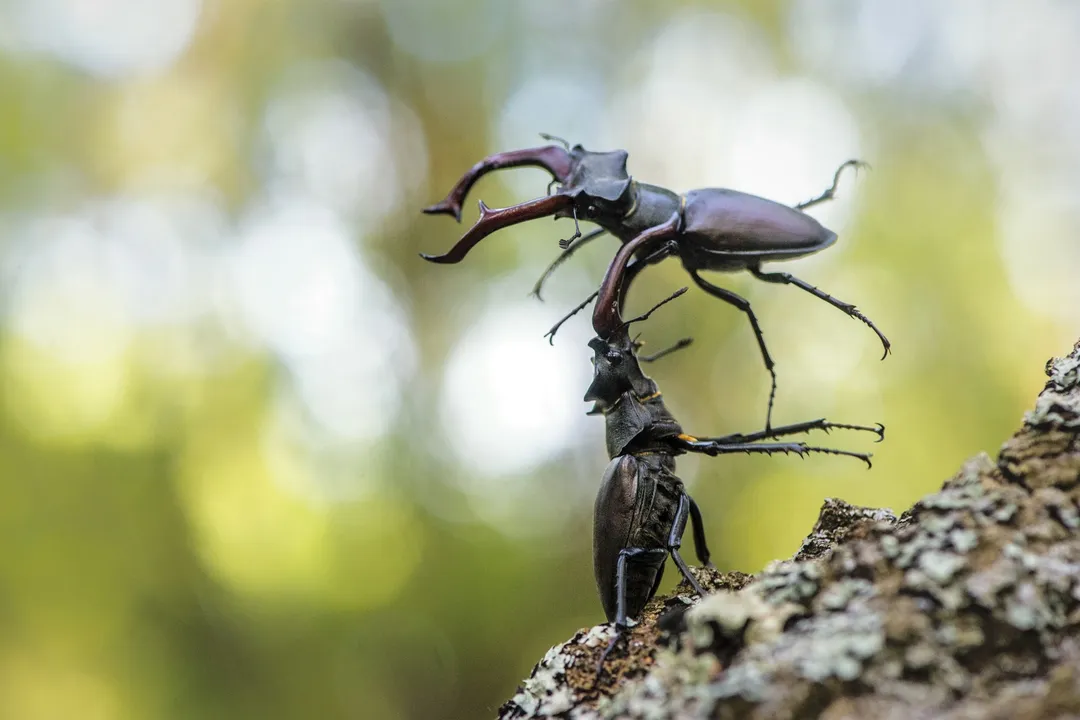
The distribution of stag beetles is intrinsically linked to the presence of their necessary larval food source, which is almost always decaying wood, specifically the stumps and root systems of dead hardwood trees. [6][7] The larvae, or grubs, spend several years—sometimes up to five or more—underground or within rotting timber, consuming the decaying material. [6][9]
This dependency creates a powerful filter for their distribution. Any region in the US that historically supported dense hardwood forests, such as oak, maple, or hickory stands, is a potential habitat, provided those dead resources are available. [7] In contrast, areas dominated by pine monocultures or extreme aridity offer far fewer acceptable breeding grounds for the majority of common US stag beetle species. [5]
A simple insight into beetle life cycles is that the timing of their emergence often dictates when you are most likely to see them. Adult stag beetles generally appear during the warm summer months, often flying near lights or actively searching for mates and suitable spots to lay eggs in the decaying wood. [6] Therefore, a forest patch in Ohio might have the same species as one in Virginia, but the peak observation window—when they are active above ground—will shift slightly based on local microclimate and elevation, emphasizing that where they live and when you see them are two different considerations for the enthusiast.
# Beyond the Eastern Hub
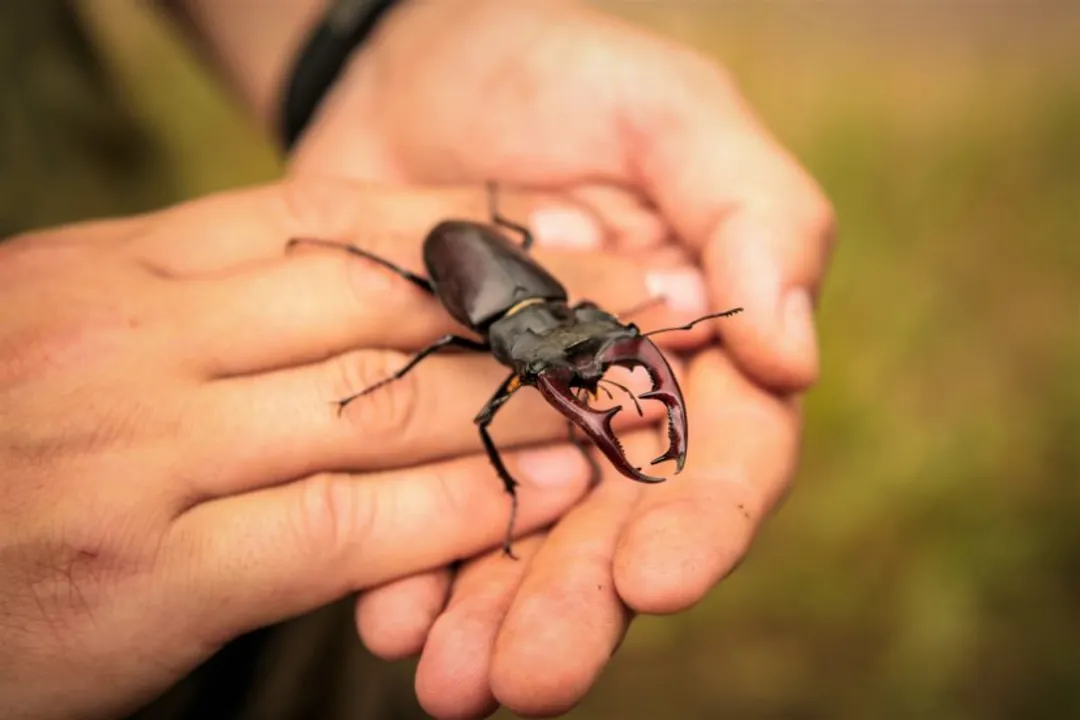
While the East and Midwest appear to be the primary areas of concentration for the best-known species, it is important to remember that the umbrella term "stag beetle" covers a wide array of beetles within the family Lucanidae, and some species do inhabit other regions, though they might be less commonly discussed or less visually spectacular than L. elaphus. [5]
For instance, one must consider the possibility of regional endemic species or those with more localized ranges that haven't garnered the same level of broad scientific documentation as the giants of the East. [3] While documentation can be sparse for less common species, if one searches local entomological records for states like Arizona or California, they may find documentation for different, smaller Lucanid species adapted to drier woodland environments, such as those found in riparian zones or higher elevation coniferous forests where moisture supports log decay. [5]
An interesting analytical point arises when comparing the distribution of L. elaphus with historical land-use maps. The range of the Giant Stag Beetle seems to correlate strongly with areas that maintained significant tracts of primary or second-growth deciduous forest through the late 19th and early 20th centuries, suggesting a sensitivity to habitat fragmentation and the removal of large, slow-decaying deadwood structures. [9] Areas that experienced extremely intensive logging followed by replacement with non-native or rapid-growth timber often show lower beetle density today. This suggests that the longevity of the beetle's presence in an area depends on sustained availability of its long-term larval food supply, which takes decades to develop.
For the amateur naturalist seeking to confirm a sighting outside the known core ranges, focusing on areas with mature, undisturbed woodlands—even small, isolated woodlots that have been spared development—can sometimes yield surprising results. If you are in a state where stag beetles are generally considered rare, look for old oak or beech stumps that have been decomposing for at least five to ten years; these are the prime nurseries, regardless of the general state map. [6][7] The presence of fine, dark, crumbly wood material, often saturated with moisture, is a much better indicator than the state line itself.
Related Questions
#Citations
North America's largest stag beetle | Beetles In The Bush
Where do stag beetles live in America? : r/questions - Reddit
Giant stag beetles: Ecology, genetics and distribution
reddish-brown stag beetle in Indiana - Facebook
USA stag beetles - Maria Fremlin
Stag Beetles | Home & Garden Information Center - Clemson HGIC
stag beetle - Illinois Department of Natural Resources
smooth stag beetle - Minnesota Seasons
Lucanus elaphus | INFORMATION - Animal Diversity Web