Is there crucian carp in the USA?
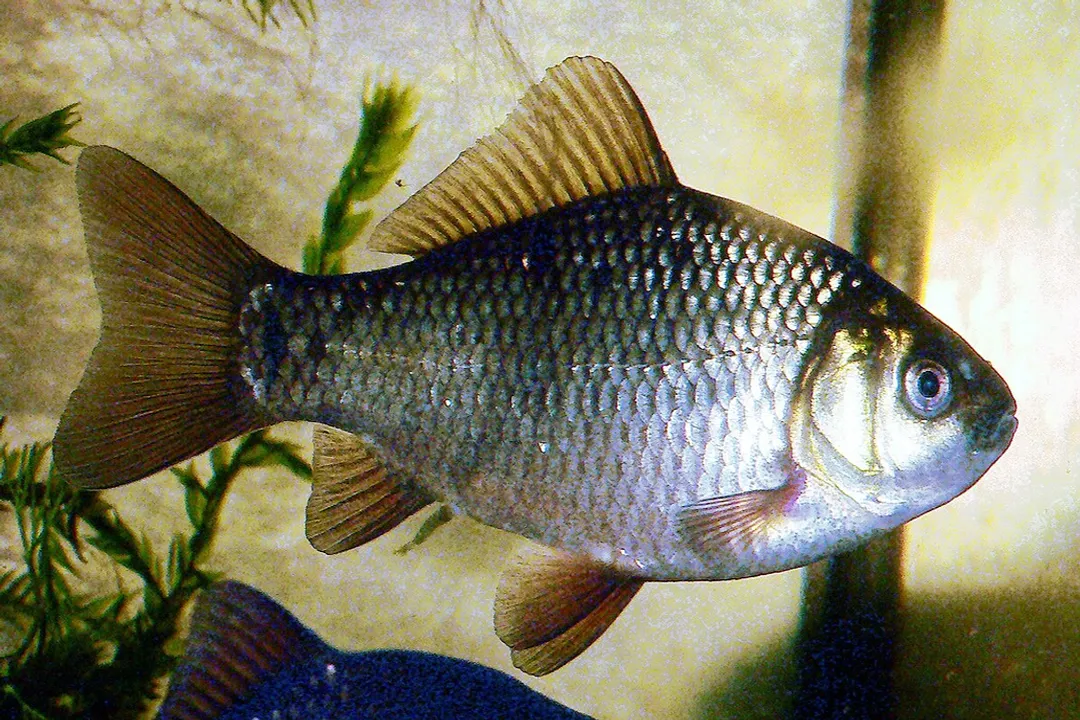
The short answer to whether the true Crucian Carp (Carassius carassius) swims in established, wild populations across the United States today is complex, leaning toward no, but the story is layered with historical footnotes and significant identification hurdles. While native to the freshwater systems of Eurasia, spanning from England eastward through Siberia, the presence of C. carassius in American waters is largely a matter of past records and present confusion with its very close relatives. For anglers and fisheries managers alike, distinguishing a genuine C. carassius from an escaped or dumped domesticated goldfish (Carassius auratus)—which is essentially a selectively bred variant of crucian carp—can be extraordinarily difficult without laboratory confirmation.
# Native Range
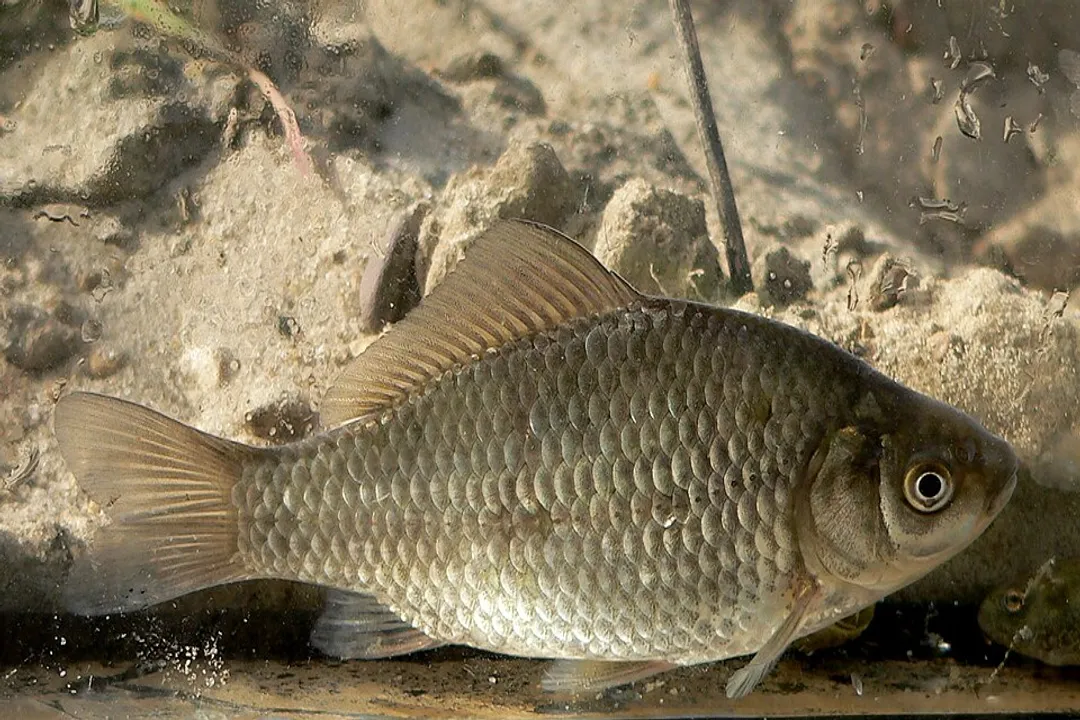
The Crucian carp, scientifically designated Carassius carassius, is firmly situated in the temperate zones of Europe and Asia. Its historical distribution covers broad areas, including the Black, Baltic, and Caspian Sea basins, extending eastward into Siberia. It thrives in environments typical of many North American ponds and slow-moving rivers: shallow lakes rich in vegetation, backwaters, and oxbows. Furthermore, this species is renowned for its physiological toughness, capable of surviving for months in anoxic water when ponds freeze over by shifting to anaerobic metabolism, producing ethanol as an end product. This hardiness, while impressive, is precisely what raises flags when considering its potential as an introduced species in new environments.
# Historical US Record
Official records indicate that the Carassius carassius has appeared in the U.S. before, but these instances are historical, and no current, self-sustaining population is generally acknowledged. The most concrete historical data points to Chicago, Illinois. Reports suggest that C. carassius was stocked there in or before 1910, where it was observed thriving in park lagoons. However, subsequent checks by ichthyologists suggest this population was later extirpated—it died out. There was also an earlier, now considered unlikely, report suggesting an introduction or hybrid presence in Texas. Crucially, the U.S. Fish and Wildlife Service’s Ecological Risk Screening Summary (ERSS) notes there are no recent reports of the species in the U.S..
# Identification Confusion
The greatest barrier to confirming the presence of true Crucian Carp in the USA lies in the close relationship between C. carassius and the common, often discarded, goldfish (Carassius auratus). Goldfish are, in essence, domesticated Crucian Carp, and when they revert to a wild or "feral" state, their coloration and morphology often closely mimic C. carassius. They can also hybridize with each other and with the Common Carp (Cyprinus carpio).
Distinguishing them can be tricky. While one source suggests C. carassius typically has a body of "golden-green shining color", the juvenile coloration is golden-bronze, darkening with maturity. Key physical differences noted in comparative tables involve fin shape—the Crucian Carp is characterized by a slightly convex dorsal fin margin, whereas goldfish often have a straight or slightly convex, but sometimes concave, fin. Scale count along the lateral line is another differentiator, with C. carassius generally possessing 31–36 scales, compared to 31 or fewer on many goldfish. Furthermore, true Crucian Carp often exhibit a transient dark spot at the base of the tail in their juvenile stage, which is absent in goldfish. Anglers discussing potential sightings on forums often debate whether a dark, robust specimen caught in the Midwest is a wild goldfish, a hybrid, or the genuine article, highlighting the widespread difficulty in field identification.
If you suspect you’ve caught a C. carassius, consider the context. If the water body is known to contain dumped pet goldfish, the fish is more likely a feral goldfish or a hybrid, especially if the fin margins look distinctly concave. The only definitive way to separate the species, especially hybrids, is through genetic analysis.
It is worth noting that the very traits that make C. carassius a successful native species in Europe—its extreme tolerance for anoxia and turbidity—make it a prime candidate for ecological concern should it become established in North America. This is different from the common goldfish, whose environmental impact, while present due to its omnivorous and benthic feeding habits, does not carry the same historical baggage of being federally listed for risk management.
# Regulatory Status and Risk
Despite the lack of recent confirmed established populations, the U.S. Fish and Wildlife Service (FWS) lists Carassius carassius as injurious wildlife under the Lacey Act. This designation signals a high potential threat level and imposes federal restrictions on its import, possession, sale, or transport into the U.S.. States also have individual regulations; for instance, possessing, importing, or selling live C. carassius is prohibited in Minnesota.
The ecological concerns driving this classification are significant:
- Disease Vector: Crucian Carp are known hosts for three OIE-reportable diseases, including the potentially fatal Spring Viremia of Carp (SVC) virus, which can impact native cyprinids and sport fish like Largemouth Bass.
- Habitat Alteration: Their feeding behavior, which involves disturbing bottom sediments, can increase water turbidity, reducing light penetration and affecting aquatic vegetation and the overall community structure.
- Competition and Hybridization: They compete with native fish for resources and can hybridize with native carp, potentially contaminating gene pools.
# Current Viewpoint
Despite the historical record and the formal "Injurious" listing, the present-day consensus among federal agencies emphasizes the species' uncertain status in the U.S.. While distribution mapping systems like EDDMapS may list the species as "Introduced in the United States," textual reports accompanying these data consistently confirm no recent established populations exist. The climate match analysis, which assesses how closely U.S. conditions match the carp’s native Eurasian habitat, reveals a high match across most of the contiguous U.S., particularly the Great Lakes region, the upper Midwest, and the East Coast.
The high climate match is a critical factor that fisheries managers must monitor. It suggests that if a viable population were introduced today—perhaps via misidentified ornamental fish or illegal bait release—the environmental conditions across vast regions of the U.S. are highly suitable for C. carassius to not just survive, but to potentially thrive and establish the kind of adverse impacts documented in parts of Europe. This geographic suitability makes vigilance around aquaculture transfers and the ornamental fish trade even more important.
In summary, the Crucian Carp (Carassius carassius) is not considered an established, reproducing component of the contemporary U.S. fauna, having been extirpated from its only documented site in Chicago. However, due to its severe invasive potential, listing as injurious wildlife, and the very high similarity to abundant wild goldfish, any unusual Carassius specimen caught in U.S. freshwaters warrants caution and, ideally, expert confirmation to rule out a reintroduction event.
Related Questions
#Citations
crucian carp (Carassius carassius) - Species Profile
[PDF] Ecological-Risk-Screening-Summary-Crucian-Carp.pdf
Crucian carp - Wikipedia
[PDF] Crucian Carp (Carassius carassius) - Regulations.gov
crucian carp (Carassius carassius (Linnaeus, 1758)) - EDDMapS
Can someone help me figure out what this is? It looks like some sort ...
Fishing for Crucian carp near you - Fishbrain