Where are Texas indigo snakes found?
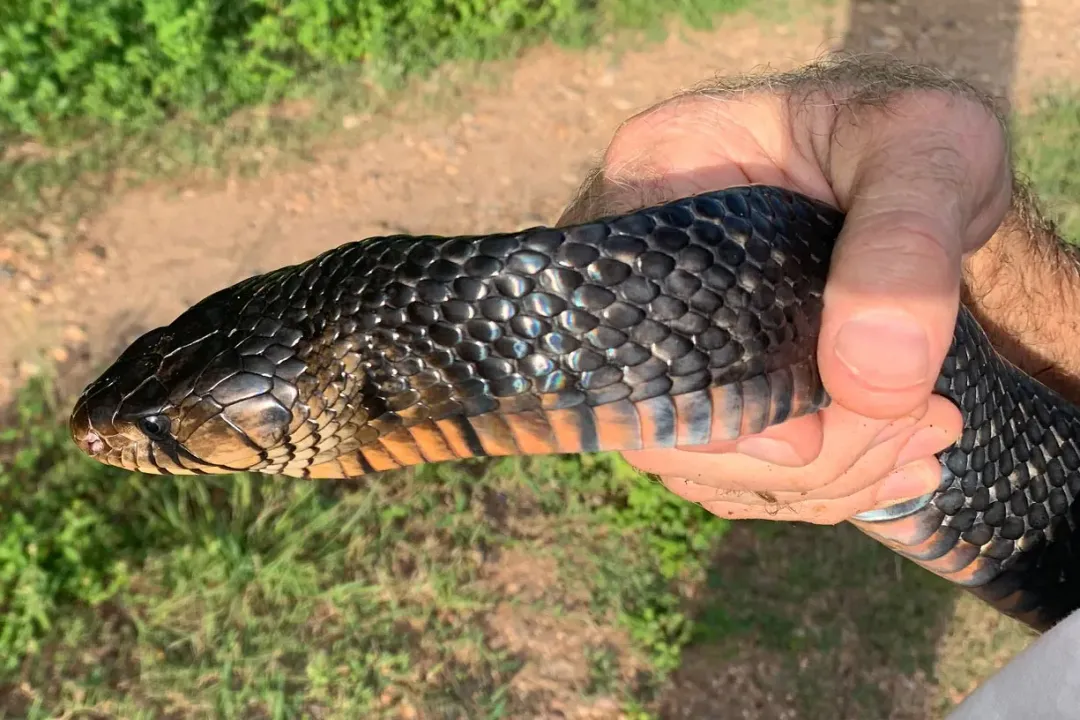
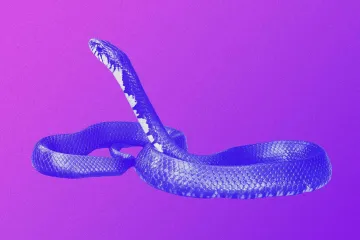
The Texas indigo snake, known scientifically as Drymarchon melanurus erebennus, is a magnificent reptile that commands attention, largely due to its impressive size and striking, iridescent black scales. While this large, nonvenomous predator is often celebrated for its diet—which notably includes venomous rattlesnakes—pinpointing exactly where one might encounter this species requires looking closely at the ecological map of South Texas and extending south into Mexico.
# State Distribution
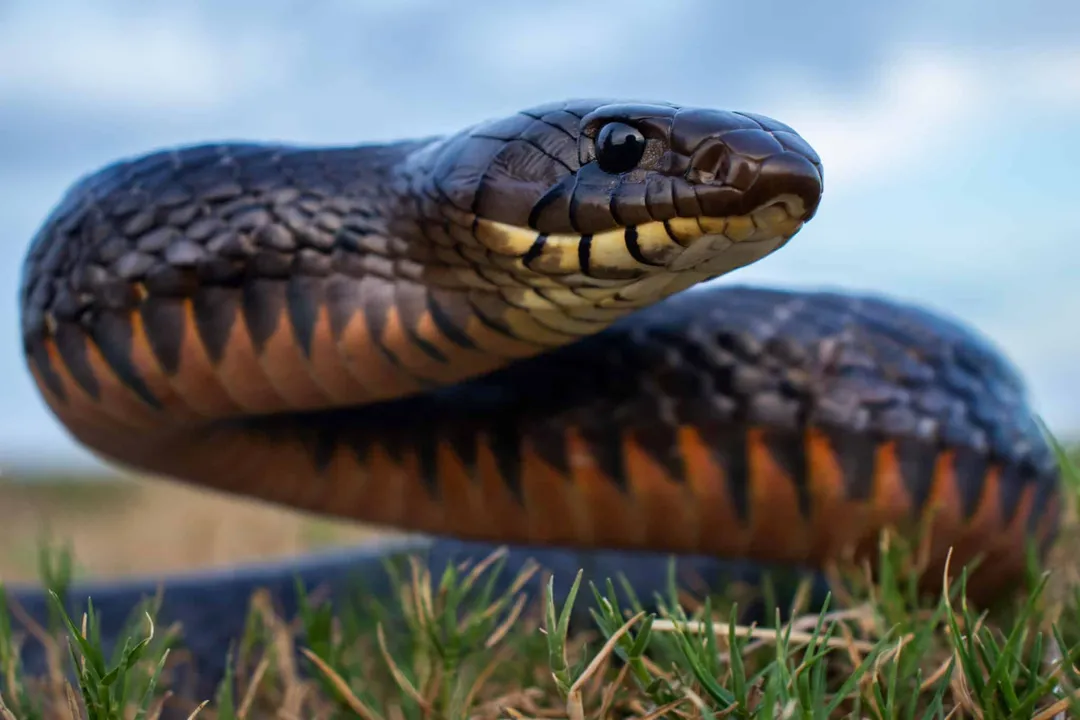
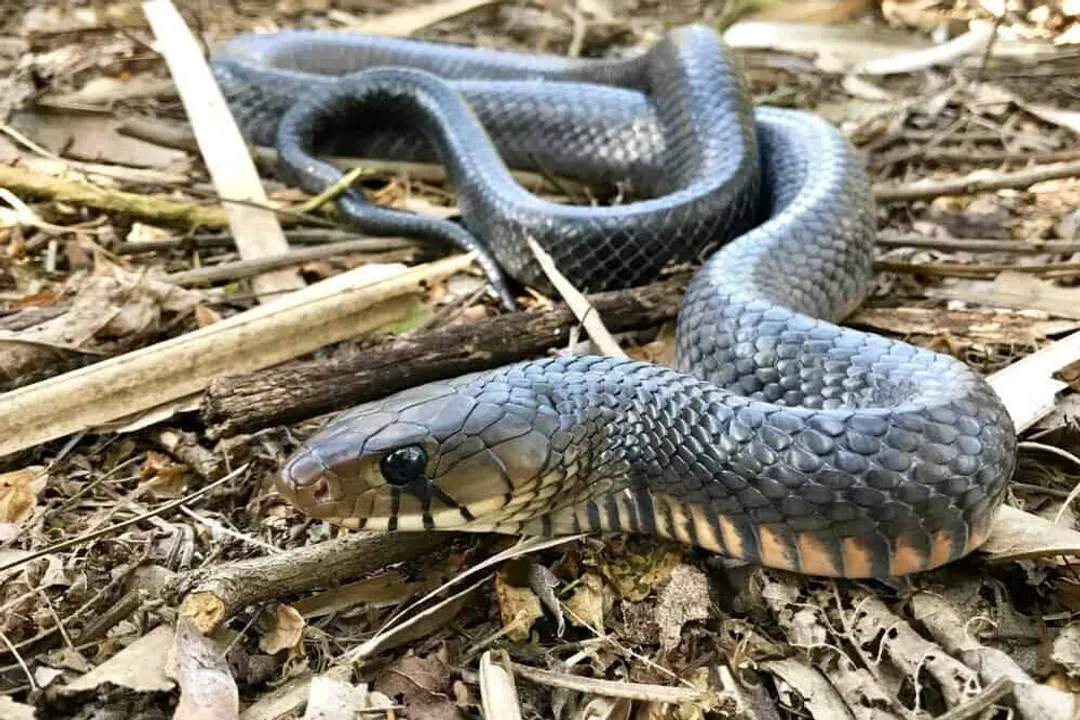
The primary home range for this impressive colubrid is centered within the United States in Texas, with its territory bleeding across the border into adjacent Mexican states. This particular subspecies is often described as being very popular or primarily resident in the southern and central regions of the Lone Star State.
When mapping out its known territory within Texas, the consensus points toward areas south of a line extending roughly from San Antonio. Specifically, sources confirm the range extends from South Texas down through northern Mexico, reaching as far south as Veracruz. The sheer size these snakes attain—regularly exceeding six feet, with historical reports approaching eight feet or even nine feet—means they require a substantial territory to hunt and thrive.
It is worth noting that distribution data can sometimes reflect historical sightings versus established, consistent populations. For example, one ranch owner noted that Goliad County sits near what is considered the northeastern edge of the known Texas range for the species. This suggests that while the core population is anchored further south and west, the species may historically or occasionally push into counties further east, though perhaps less reliably. Furthermore, anecdotal evidence suggests occasional sightings even further afield, such as a report from a resident in Montgomery County, though this area is generally considered outside the typical established distribution.
# Habitat Requirements
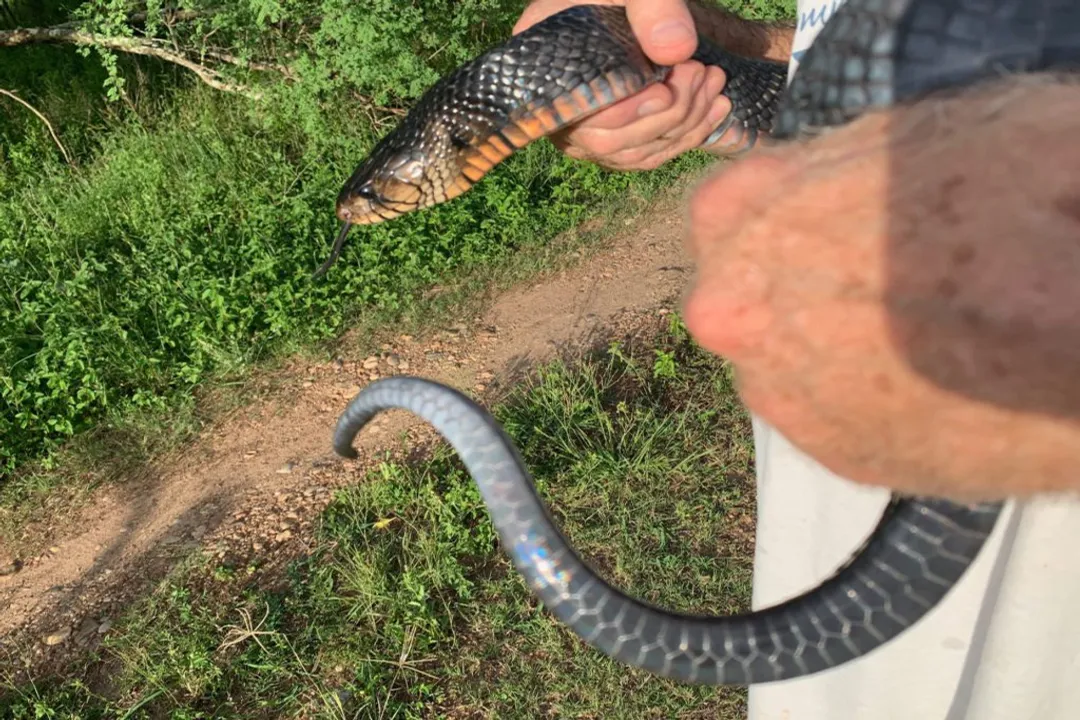
Knowing where the snake lives is only half the picture; understanding what environment it chooses provides a clearer idea of where to look. The Texas indigo snake is not a creature of arid desert or deep, humid swamps; rather, it seeks a balanced environment. They show a marked preference for lightly vegetated areas, often remaining in proximity to permanent water sources.
These preferred ecosystems in Texas include mesquite savannah, open grassland areas, and even coastal sand dunes. If you are exploring a potential indigo habitat, look for areas that offer a mix of cover and open ground for daytime hunting, combined with dependable water nearby. The presence of brush and forests also fits within their preferred landscape description in the southern part of the state.
A crucial element of their habitat, which ties directly into their conservation status, is their reliance on shelter. The Texas indigo snake frequently dens in burrows that have been abandoned by other animals. They also seek cover underneath logs and other large debris. This reliance on established cover means that land management practices drastically impact their ability to survive in an area. When open space is converted, it's not just a reduction in hunting ground; it's the removal of critical places for shelter from predators or the elements, and safe places to wait out lean times. Considering this requirement, a healthy indigo habitat must offer sufficient structural complexity, not just open acreage.
# Range Contraction and Conservation

The geographic footprint of the Texas indigo snake today is believed to be smaller than it once was, a common challenge for large reptiles with wide home ranges. The very characteristics that make them beneficial—their size and need for expansive territory—also make them vulnerable to human expansion.
Historically, the over-collection of these snakes by hobbyists also played a role in population decline before they received state protection. Today, the primary threat cited is habitat loss due to development, which shrinks the usable area for foraging. Furthermore, as their territory shrinks and is crossed by infrastructure, road mortality becomes a significant factor, with many individuals being struck by vehicles.
The legal status surrounding the snake also clarifies its relationship with human activity across its range. While the subspecies is listed as Threatened by the state of Texas, some research suggests that as of recent years, the classification has shifted to non-commercial, meaning collecting individuals from the wild requires a permit, but sale or trade is prohibited. This protection underscores the importance of preserving the known locations where these beneficial reptiles are still actively found, especially in the southern and central reaches of Texas where they continue to thrive alongside ranchers who appreciate their role in controlling venomous snakes. The return of even one individual to a property after decades of absence suggests that if the necessary elements—prey, cover, and water—remain available, the population may have the capacity to recover in certain localized areas.
Related Questions
#Citations
Drymarchon melanurus erebennus - Wikipedia
Texas Indigo Snake Animal Facts - Drymarchon melanurus erebennus
Texas Blue Indigo - Sportsman's Junction
Return of the Indigo - Goliad Farms
The Texas Indigo Snake - El Mesteño® Ranch and Arboretum