Where do Kiko goats live?

The Kiko goat, a relatively modern breed, has established a dedicated presence across several corners of the globe, tracing its lineage back to a specific island nation before finding enthusiastic new homes, particularly in North America. The name itself offers a clue to its primary purpose; kiko is a word derived from the Maori language, meaning "flesh" or "meat". This focus on meat production, combined with an inherited toughness, dictates the environments where these animals successfully thrive today.
# Origin and Homeland
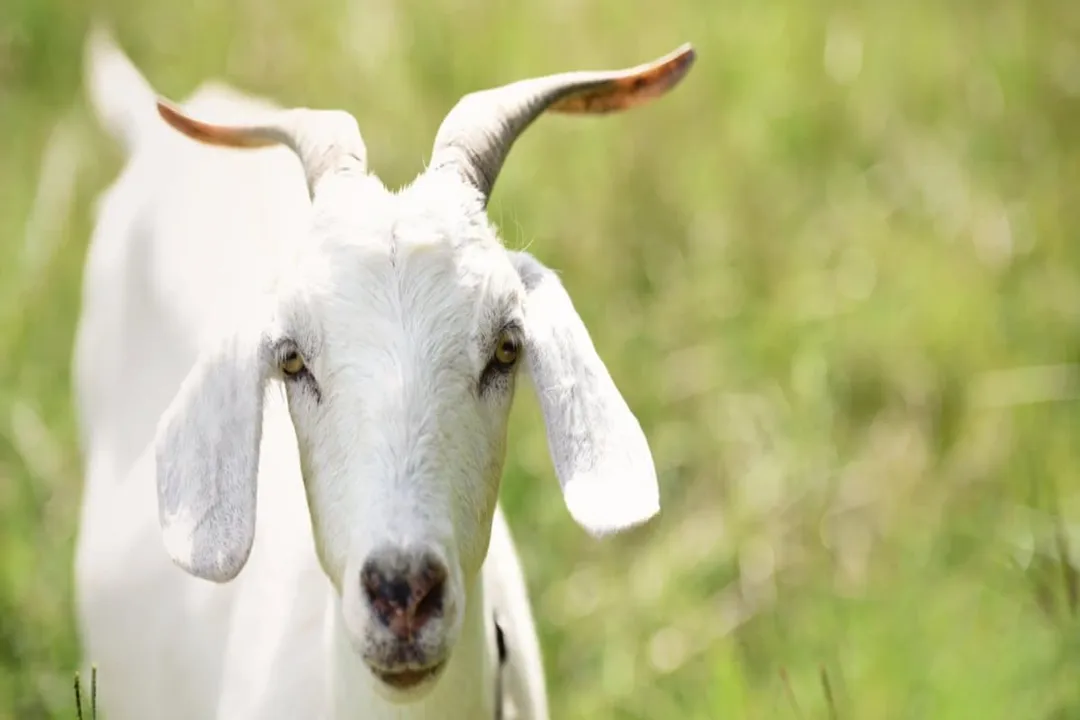
The story of the Kiko goat begins in New Zealand, where it was purpose-bred around the early 1980s. The foundational work for the breed was carried out by Garrick and Anne Batten, who were located in Nelson on the northern South Island. Their goal was to create a superior meat animal using the hardy stock already present in the area.
The genetic base for the Kiko was established by crossbreeding selected feral does with bucks from established dairy breeds, specifically Anglo-Nubian, Saanen, and Toggenburg stock. The feral goats themselves were descendants of animals that had escaped or been released over a century of European settlement. These early populations, left to survive in the wild, had naturally developed significant hardiness. The Batten's intensive, four-generation selective breeding process focused sharply on traits like survivability, growth rate, and liveweight within a challenging hill country environment. By 1986, the breed was considered established, and the herd lines were closed to further crossbreeding to solidify these performance traits.
# Arrival North America
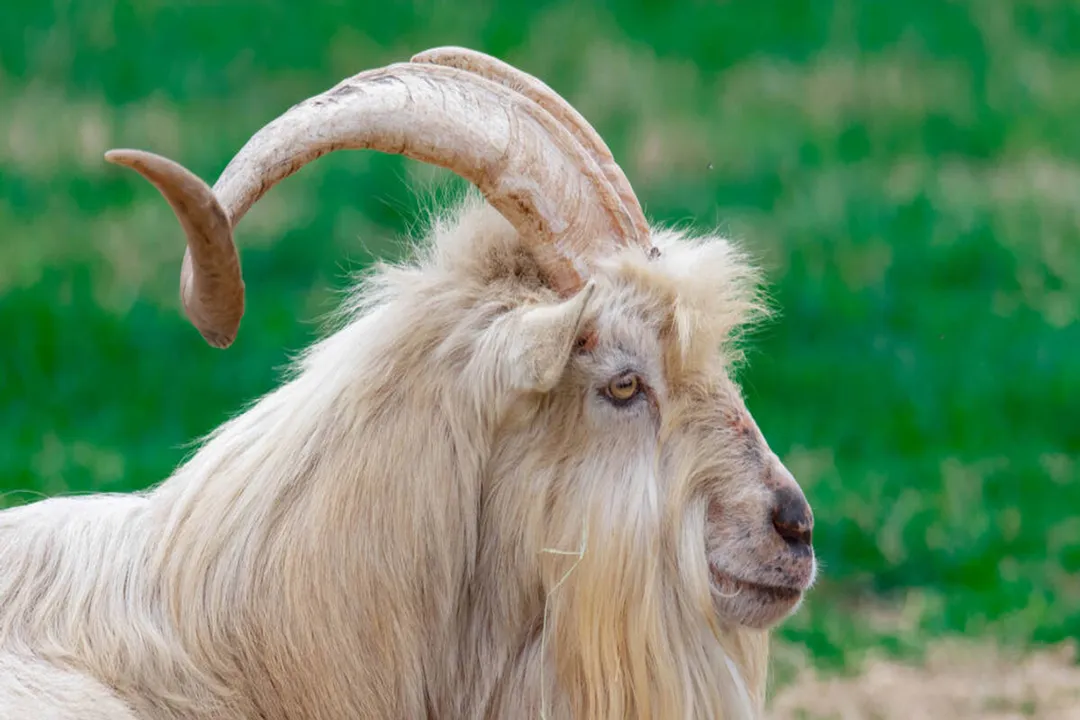
The Kiko’s reputation for being hardy and fast-growing did not stay confined to the South Pacific for long. Exports began in the 1990s, bringing the breed to the United States. Since their introduction, Kikos have rapidly increased in popularity as a prime meat goat option across the U.S.. While they can be found in various locations, the breed has historically found particular success in regions that present specific environmental challenges, especially the warm, wet southern states. This affinity makes sense, as the foundational breeding placed a high value on parasite resistance, a trait that becomes critically important where humidity encourages parasite proliferation year-round.
# Geographical Pockets
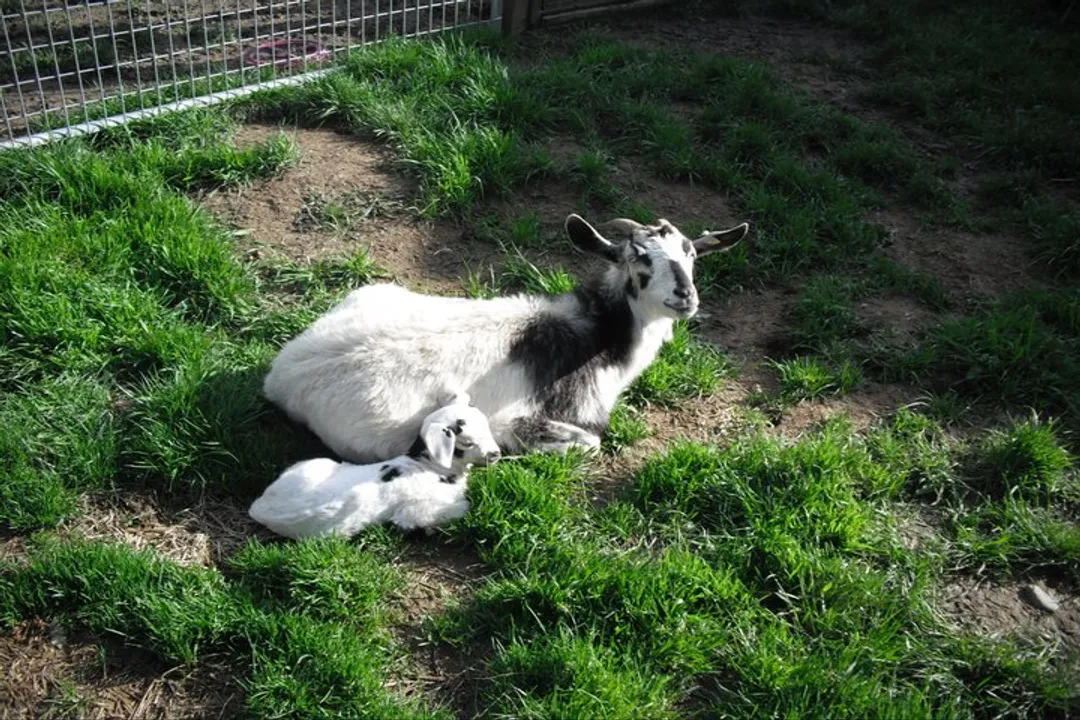
Although the breed originated from feral populations across many parts of New Zealand, its modern distribution shows concentrated areas of specialized breeding in the U.S.. One significant concentration is found where the climate is hot and humid, as the Kiko’s genetic resistance to parasites allows them to thrive where other breeds might struggle with heavy worm loads.
However, Kiko keepers are certainly not limited to the southern heat. Breeders have successfully established herds in diverse, sometimes demanding, settings. For instance, one operation in Western Wisconsin manages Kikos using regenerative and rotational grazing techniques. More interestingly, producers in the Pacific Northwest also find the breed perfectly suited to their conditions. Farmers in this region often deal with persistent wet weather, which usually leads to constant issues with mud and hoof rot in sensitive animals. The Kiko’s inherited hardiness, including better hoof soundness, allows these herds to succeed under conditions that might otherwise be prohibitive for goat farming. Operations based near the Southern Oregon Coast, for example, specialize in maintaining the 100% New Zealand genetics, adapting the breed to that specific wet, temperate climate. Another rancher, located in the Cascade foothills near Lowell, Oregon, adheres strictly to the original "hands-off" management style, intentionally stressing their stock with steep terrain and bad weather to select only for the most genetically fit animals.
When looking for performance data, interested parties often review results from university pasture-based buck tests, which have been held in states like Eastern Oklahoma, West Virginia, Maryland, and Mississippi. Furthermore, prospective owners in areas like the Dallas region of Texas are also looking to establish Kiko herds, indicating a continued spread across North American farming landscapes.
# Climate Adaptation
The reason Kikos are found in such varied locations, from the rugged hills of their origin to the muddy pastures of the U.S., lies in the traits the Battens selected for: heartiness and low input requirement. This adaptability means they are not tied to one specific type of latitude or terrain, provided they have adequate forage.
One interesting analytical point arises when comparing the original selection environment with some of the new homes. In New Zealand, the selection occurred in a general "hill country" environment. In contrast, modern breeders in Oregon are subjecting the goats to specific environmental challenges like non-stop rain and mud, while breeders in the Southeast test their parasite resilience. This continued application of stress—be it humidity, cold, or terrain—serves to refine the genetic hardiness that was the breed’s initial selling point, reinforcing that the best Kiko herds live where they are continually challenged to perform without supplemental aid. A producer might find that Kikos thrive not just despite the weather, but because the breeders who keep them continue to test those very limits.
The Kiko's inherited foraging instinct, similar to their feral ancestors, contributes to its suitability in various terrains. They consume "most anything" available in their habitat. This natural inclination has an added benefit beyond just keeping feed costs down: when they roam, they efficiently clear out underbrush and weeds. This feature makes them an excellent, natural land management tool in areas susceptible to overgrowth or fire danger, providing a service that rivals commercial landscaping or herbicide use.
# Global Expansion
While New Zealand and the United States represent the primary centers of the breed today, the hardiness of the Kiko ensures that its genetics are sought after internationally. American breeders at places like Lookout Point Ranch act as worldwide exporters of Kiko genetics, shipping semen and embryos globally. This international trade means that while the most concentrated populations are in its birthplace and its primary export market, the genetic influence of the Kiko goat is spreading slowly to other agricultural areas seeking low-maintenance, high-performance meat stock. The registration bodies in the U.S., like the National Kiko Registration (NKR) and the American Kiko Goat Association (AKGA), manage lineages that trace back to the original 100% New Zealand stock, as well as percentage breeds, ensuring quality standards are maintained as the breed expands its geographic footprint. The location of a Kiko herd today is therefore less dictated by a specific geographic requirement and more by the owner’s management philosophy and the local market demand for a hardy meat animal.
Related Questions
#Citations
Kiko Goats | Oklahoma State University
Kiko Goats: high performance, low maintenance breed
The Kiko Breed - Nature Nook Kiko Goats Farm
Lampa Creek Kiko Goats
Kiko Goat Animal Facts - Capra aegagrus Hircus
Kiko Goats For Sale - Lookout Point Ranch - Worldwide Exporters