How long do Kiko goats live?
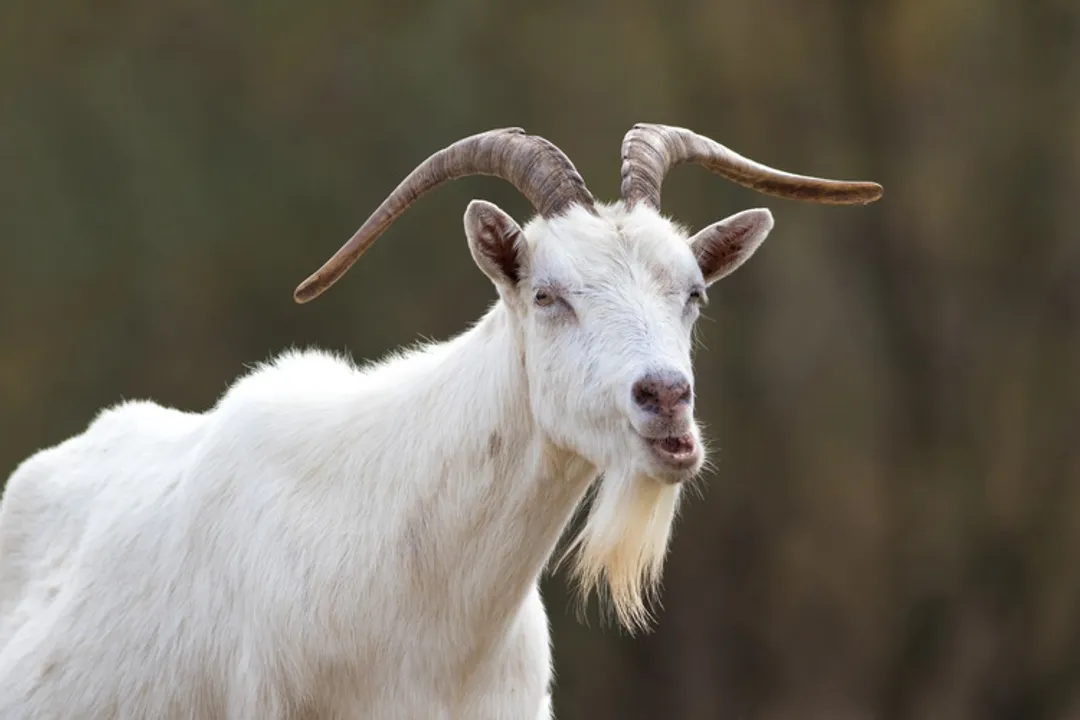
Determining the exact number of years a Kiko goat will spend grazing is a common inquiry for both new owners and seasoned livestock managers, but the answer isn't a single, neat figure. Like most livestock, the lifespan of a Kiko is heavily influenced by genetics, environment, and, critically, their intended purpose on the farm. [1][2] While definitive, long-term scientific studies focused solely on Kiko longevity might be limited in general literature, we can establish a solid estimated range based on breed profiles and general goat health knowledge. [3][4]
# Typical Longevity
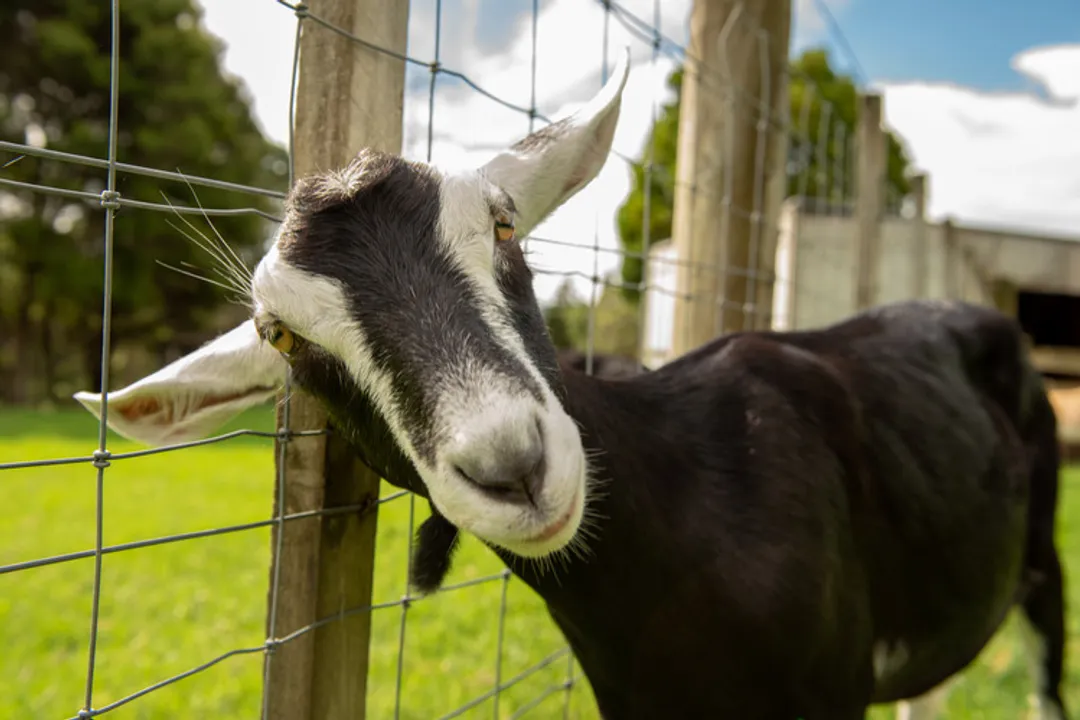
For a well-managed Kiko goat kept as a pet, companion animal, or breeding stock, a reasonable expectation for life expectancy often falls in the range of 10 to 15 years. [1] This aligns quite closely with the general lifespan attributed to many domestic goat breeds when they receive consistent, high-quality care. [1][5] However, it is important to recognize that the Kiko breed, originating in New Zealand and developed for its hardiness and superior meat qualities, often exhibits resilience that can push the upper limits of this range. [2][6]
When comparing Kiko goats to other common breeds, such as the dairy-focused Saanen or Alpine breeds, the Kiko often shows advantages in surviving less-than-ideal environmental conditions due to its heritage. [6] This inherent hardiness means that while a dairy goat might require more intensive management to reach 15 years, a Kiko might achieve that same age with comparatively less intensive intervention, provided basic nutritional and veterinary needs are met. [1]
# Production Cycles
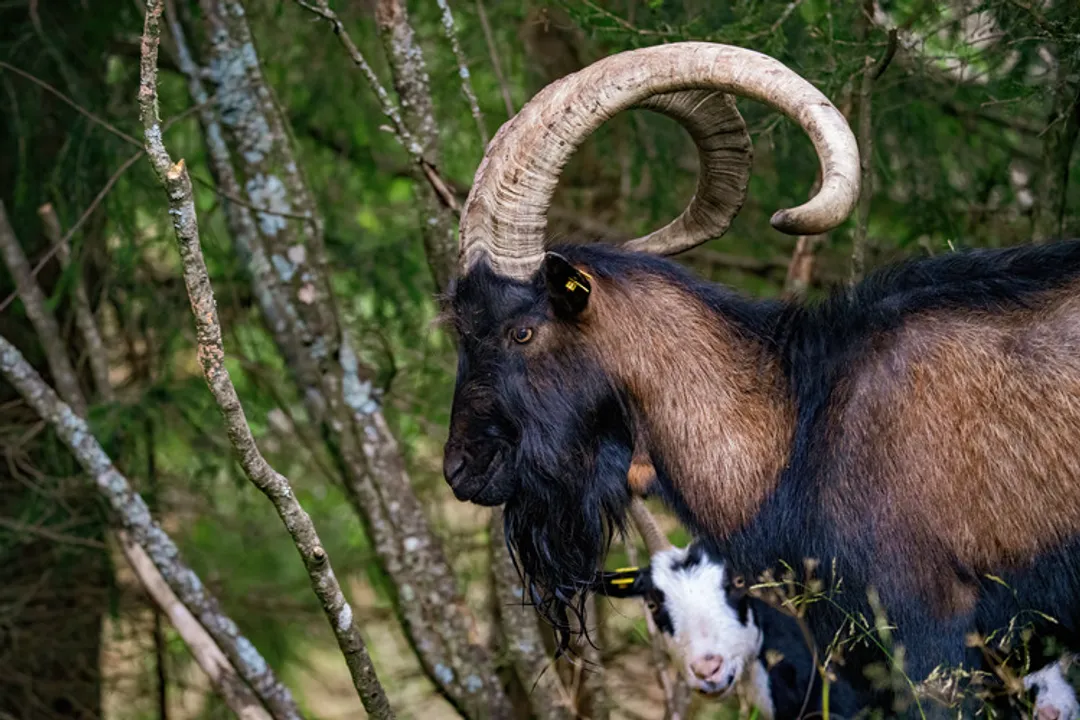
The context of why a goat is being raised significantly impacts the observed lifespan on a commercial or production setting. Kiko goats are primarily valued as meat goats. [6][7] In commercial meat production systems, economic realities often dictate that goats are removed from the herd much sooner than their biological maximum age.
For a meat goat operation focused on rapid growth and efficient turnover, animals are typically sent to processing well before they reach middle age. [7] If a Kiko goat is marketed for its meat, its productive life might only last until it reaches market weight, perhaps between 1 to 3 years of age, depending on the farm's specific goals and market timing. [7][4] This early exit from the herd artificially lowers the average lifespan recorded for Kikos in production statistics, even though the goat's potential longevity is much greater. [2] Thinking about this practically, if a Kiko reaches 14 years of age, that goat has lived through roughly 7 to 14 full production cycles, depending on whether it was kept solely for breeding or meat production in each season. [7]
# Health Factors
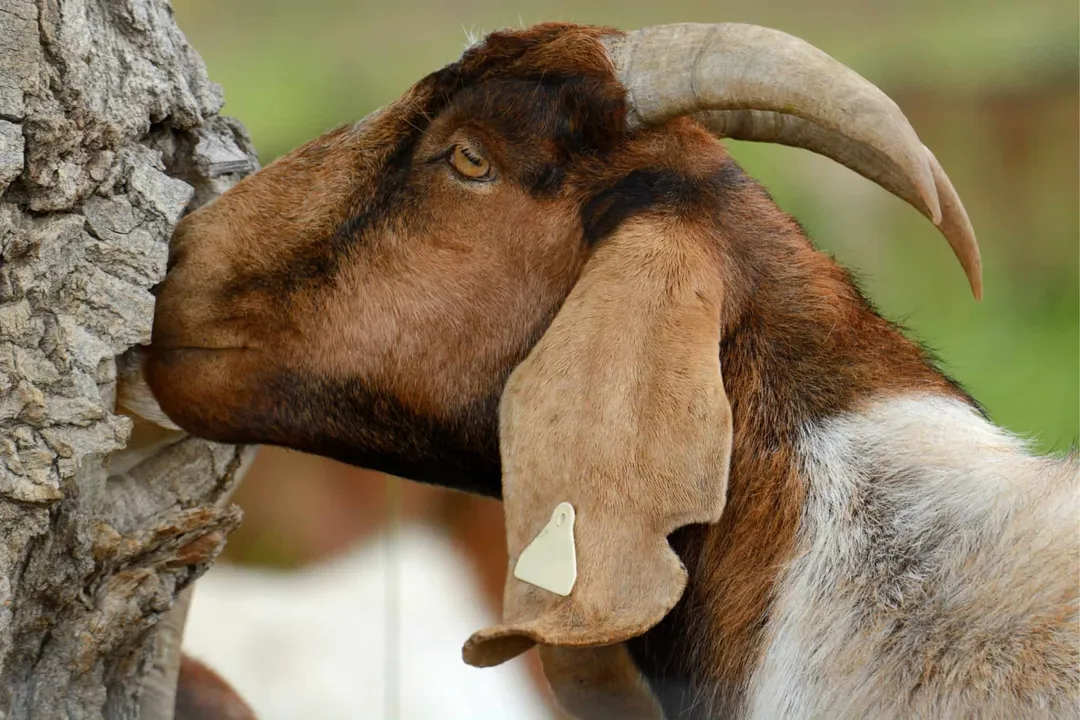
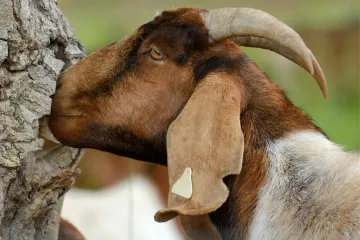
A major factor contributing to the potential lifespan of any goat, and particularly the Kiko, relates to their health profile. Kikos are renowned for their parasite resistance, a trait that breeders actively selected for during their development. [6][8] In environments where internal parasites are a significant threat—a primary cause of morbidity and mortality in goats globally—this natural resistance becomes a powerful tool for longevity. [3][4] Goats that can naturally manage their parasite load require less frequent deworming medication, reducing potential stress and drug resistance issues over time. [3]
Poor nutrition, however, remains a universal threat to longevity. Even the hardiest Kiko will suffer if their diet is deficient in essential minerals, energy, or protein. [1] Specifically, trace minerals like selenium and copper are vital, and deficiencies can lead to serious health conditions that shorten a goat's life, regardless of breed resistance. [1][5] A management system that ensures consistent access to high-quality forage, supplemented with a balanced goat mineral mix year-round, is arguably the most important action an owner can take to maximize the goat's natural lifespan. [5]
# Management and Care
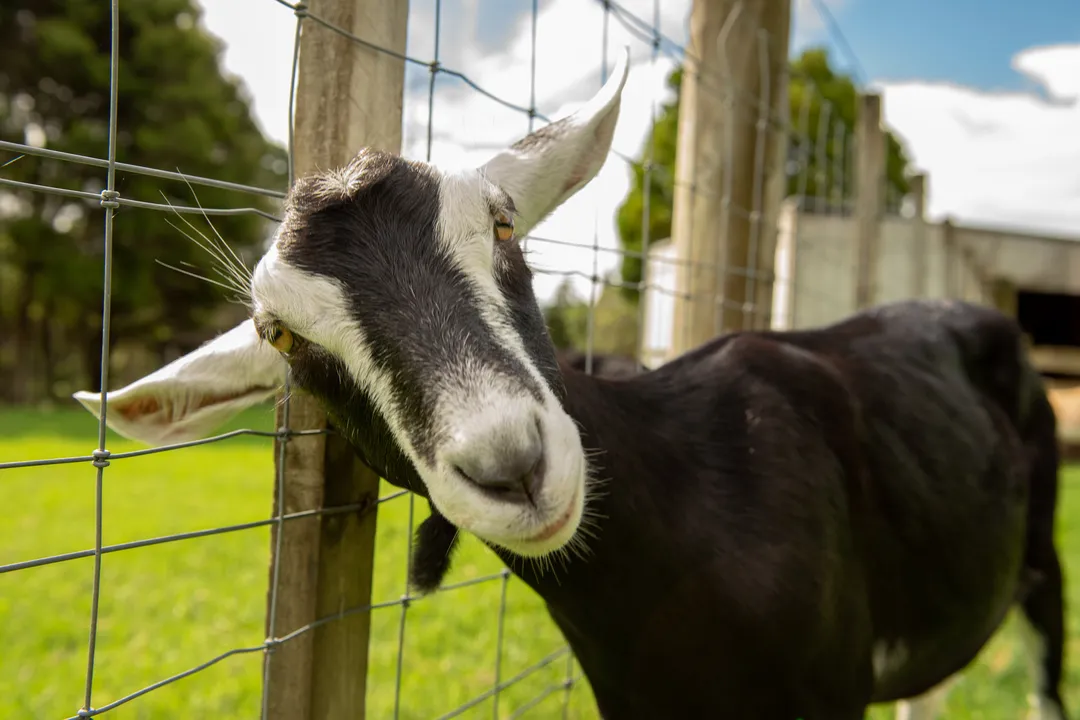
Extending a Kiko's life past the typical 10-year mark requires attentive husbandry focused on prevention rather than cure. [1]
# Hoof Care
Proper hoof maintenance is non-negotiable. Untreated hoof overgrowth can lead to lameness, which in turn affects the goat’s ability to move freely to access food and water, causing secondary health issues. [5] While Kikos are known for being sure-footed, routine trimming remains necessary, especially for those living in softer or wetter environments where hooves don't naturally wear down as effectively. [5] For instance, goats on deep bedding or concrete frequently need more intervention than those grazing on rocky, dry pastureland. [5]
# Environmental Stressors
The environment plays a huge role. Goats are susceptible to heat stress, and providing adequate shade and ventilation is crucial, especially during hot summers. [1] Conversely, ensuring adequate shelter from severe wind and rain in winter prevents energy depletion that can compromise the immune system. [1] While Kikos tolerate a wide range of climates better than some highly specialized breeds, extreme conditions always demand supplemental support, whether through temporary housing or adjusted feed rations. [6]
# Reproductive Health
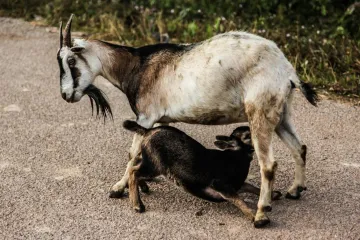
For does kept for breeding, the stresses of multiple pregnancies and nursing cycles can take a toll over many years. [4] While Kiko does are known for being good mothers, producers focused on longevity might opt to cull breeding stock after a set number of kiddings (perhaps 5 to 7 seasons) to ensure herd vitality, even if the doe appears perfectly healthy. [4] This decision balances productivity with the goat's overall well-being.
# Lifespan Comparison Overview
To put the Kiko lifespan into perspective, here is a simplified look at general expectations, recognizing that these are broad averages and individual Kikos often perform at the higher end of the general range due to their hardiness. [1][6]
| Goat Type | Typical Lifespan Range (Years) | Primary Use Influence | Note |
|---|---|---|---|
| Kiko Goat | 10–15+ | Meat/Breeding Stock | High inherent hardiness. [6][7] |
| Meat Breeds (General) | 8–12 | Meat Production | Often culled earlier for efficiency. [7] |
| Dairy Breeds (General) | 10–14 | Milk Production | Higher metabolic demands. [1] |
| Pet/Hobby Goats | 12–18 | Companion | Managed for longevity, not production. [1] |
When reviewing available information, it is interesting to note a correlation between a breed's development history and its perceived hardiness. The Kiko's New Zealand background, focused on survival in rougher terrain, translates directly into traits that support a longer life when compared to breeds developed purely under intensive, sheltered conditions. [6] This evolutionary pressure toward self-sufficiency builds longevity into their core genetics. [6]
For owners wanting to see their Kiko goats thrive well into their teens, focusing on parasite management alongside robust nutrition is the key formula. Good management practices minimize the cumulative damage that leads to reduced lifespan later in life, ensuring that the goat lives out its full genetic potential. : [1][3][1] https://goatjournal.iamcountryside.com/health/how-long-do-goats-live/: [2] https://grazingwithleslie.com/raising-goats/kiko-goats/: [3] https://pmc.ncbi.nlm.nih.gov/articles/PMC3460741/: [4] https://www.thegoatspot.net/threads/life-expectancy.223588/: [5] https://ucanr.edu/site/small-acreage-landowners/meat-goats: [6] https://www.goatjournal.com/goat-breeds/breed-profile-kiko-goat/: [7] https://www.minkafarm.com/product-page/live-goat: [8] https://a-z-animals.com/animals/kiko-goat/
Related Questions
#Citations
How Long do Goats Live?
Comparison of Boer, Kiko, and Spanish meat goat does for ...
Kiko Goats: high performance, low maintenance breed
What is the average lifespan of a 13-year-old Kiko goat? - Facebook
Meat goats | Small Acreage Landowners
Kiko goats : r/goats - Reddit
Kiko Goat Animal Facts - Capra aegagrus Hircus
Life Expectancy? | The Goat Spot Forum
Live Goat - Minka Farm