What are Kiko goats known for?
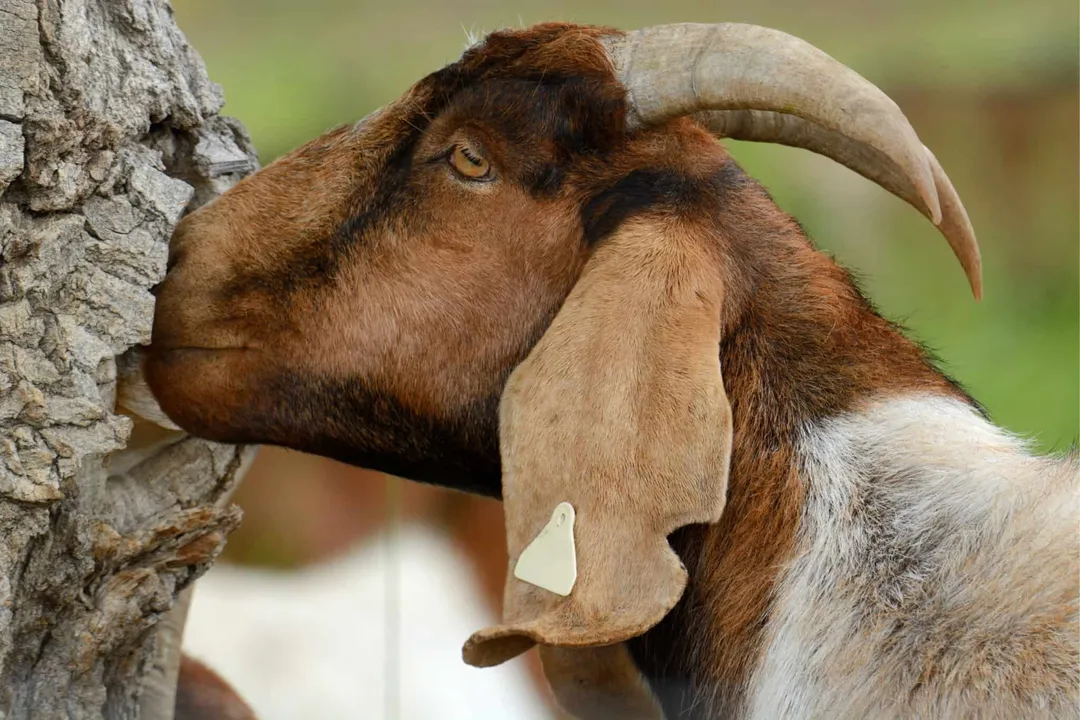
The Kiko goat is primarily recognized across the livestock world for its exceptional hardiness and superior meat qualities, traits developed through rigorous natural selection and selective breeding in challenging environments. These animals represent a significant option for producers looking for a low-maintenance, productive meat animal, standing out due to their ability to thrive where other breeds might struggle with health or nutrition. They are not merely a collection of desirable traits; they embody resilience forged in the demanding landscape of their origin.
# New Zealand Origin
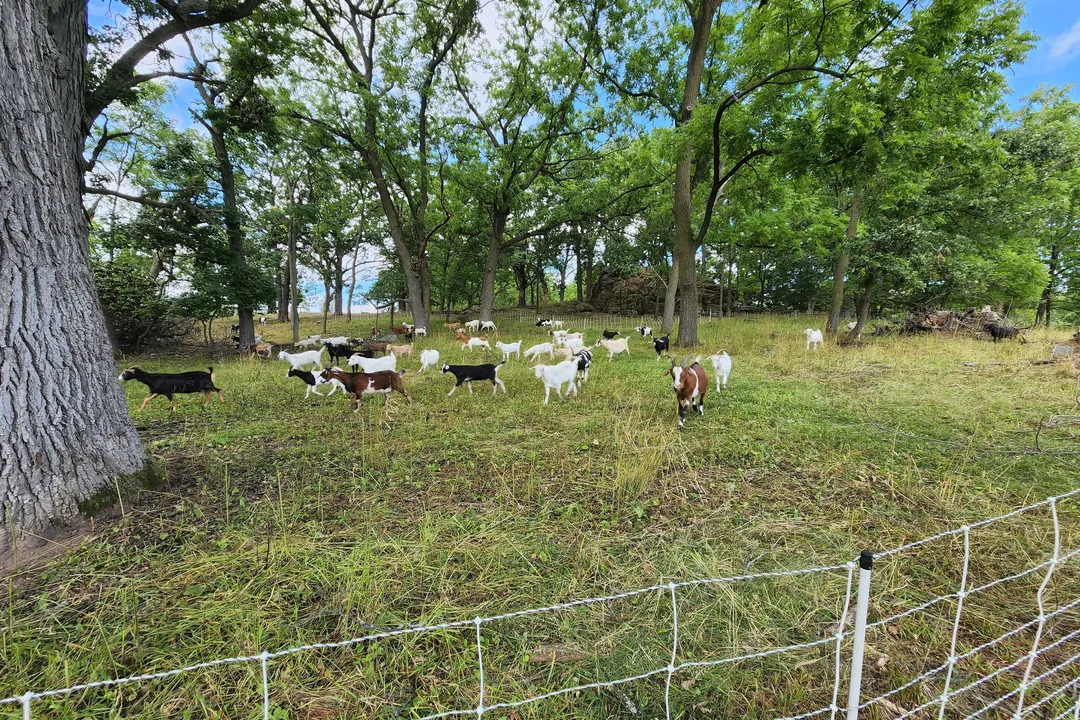
The history of the Kiko goat traces back to New Zealand, where they were developed primarily for meat production. The breed's foundation stock consisted of feral goats that roamed the terrain. This initial environment played a key role in shaping the breed's defining characteristics—namely, their strength and ability to survive harsh conditions. The name "Kiko" itself holds significance, reportedly meaning "skin" or "leather" in the Maori language, which hints at the robust quality of their hide, a testament to their rugged background. While the development process involved some crossbreeding, the central goal was to maintain and enhance the toughness inherent in the original feral populations. Breeders in New Zealand focused on selecting goats that demonstrated superior survival rates and meat characteristics.
# Exceptional Hardiness
What sets Kiko goats apart most noticeably is their legendary hardiness, which translates directly into reduced input costs for the farmer. This resilience encompasses several critical areas, most notably their resistance to internal parasites. While no goat is entirely immune, Kikos have shown a genetic tendency toward better natural defenses against common worm burdens compared to many European breeds. This trait is invaluable, as it can significantly lower the need for chemical dewormers and frequent fecal egg counts, thereby reducing labor and veterinary expenses.
Their adaptability extends to climate as well. Kikos handle both heat and cold better than some specialized dairy or fiber breeds, making them versatile candidates for various geographical regions. This overall robustness means that Kiko goats often maintain excellent body condition even when kept on marginal land or under less intensive management protocols. If you are managing a large acreage that is difficult to monitor daily, the inherent self-sufficiency of the Kiko becomes a significant operational advantage, allowing the manager to focus resources elsewhere.
# Meat Production Focus
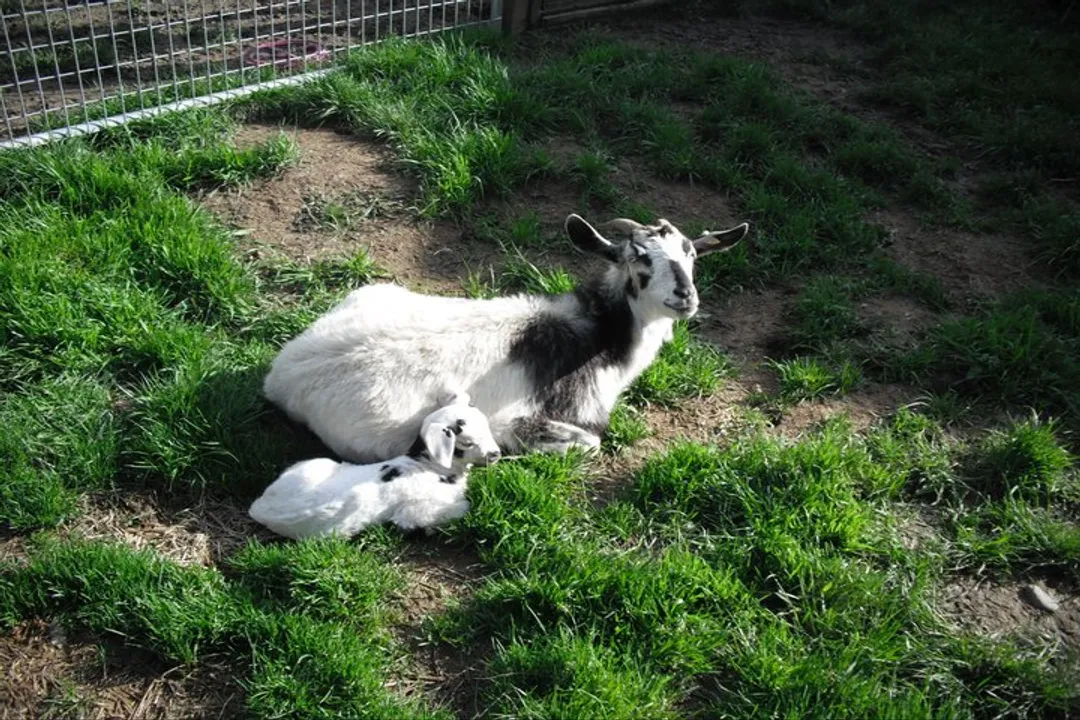
As a dedicated meat breed, the Kiko is valued for its carcass quality and growth potential. They generally achieve market weight efficiently, making them a sound commercial choice for goat meat production. They are medium to large-sized goats, providing a substantial yield. Mature males can weigh around 200 to 300 pounds, while females typically range from 120 to 200 pounds.
The market preference for goat meat often dictates specific carcass characteristics, and Kikos are bred to meet these demands. Producers often select for fast growth rates and desirable carcass conformation. When comparing Kikos to breeds like the Spanish or Boer goat, Kikos often show a slightly different growth curve, but their ability to finish well on forage rather than intensive grain feeding is a major economic draw for many producers. The lean, high-quality meat they produce makes them attractive to a growing consumer base interested in alternative protein sources.
# Superior Mothers
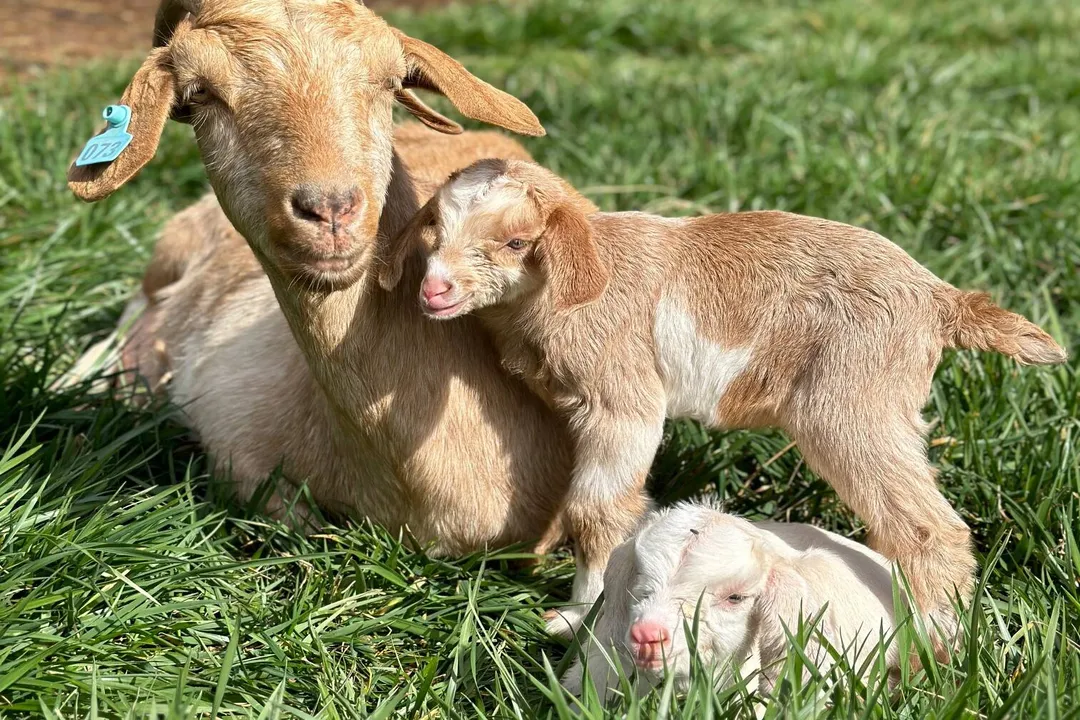
Beyond their own hardiness and meat qualities, Kiko does (female goats) are highly regarded for their maternal abilities. They are known for being excellent mothers, often exhibiting strong maternal instincts. This quality is demonstrated through their tendency to deliver twins or triplets frequently and successfully raise those kids to weaning age.
The survivability of Kiko kids is noteworthy, which is a direct result of the mother's attentiveness and the kid’s innate hardiness inherited from the feral ancestry. High kidding percentages combined with low kid mortality rates create a positive reproductive output for the herd owner. For someone starting a breeding program or looking to increase herd numbers efficiently, the reliability of the Kiko dam is a major asset. They tend to be attentive mothers without being overly protective or aggressive toward human handlers, making routine checks easier.
# Efficient Grazing
The Kiko’s heritage as a feral goat means they possess a sophisticated understanding of how to survive on available browse and forage, often flourishing where other domestic goats might appear undernourished. They are exceptional at clearing brush, weeds, and less palatable plant matter. This selective browsing habit makes them highly effective tools for land management, particularly in controlling invasive woody species or cleaning up overgrown fields before they are converted back to pasture.
Their dietary flexibility is an inherent economic benefit. Because they thrive on poorer quality forage, the necessity for expensive, high-protein supplemental feed is often reduced compared to rapidly growing, highly specialized European meat breeds. For instance, a producer utilizing Kikos for brush control on steep or remote acreage can rely on the goats to sustain condition primarily through grazing, whereas a less adaptable breed might require daily hay supplementation just to maintain body weight, effectively canceling out the benefit of using goats for land clearing in the first place. This efficiency in converting low-value forage into high-value protein is one of their most compelling attributes.
# Appearance and Temperament
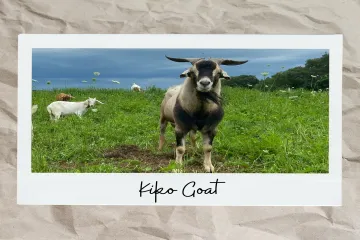
Kiko goats exhibit variety in their physical appearance, which reflects their mixed feral origins. While they can display a range of colors, white or lighter shades are very common. They are generally described as having a medium to large frame, characterized by their muscle definition suitable for meat production. Both sexes can have horns, though they are often seen on males.
Temperamentally, Kikos are generally reported as being docile and reasonably easy to handle, especially when raised by humans from a young age. Their temperament, combined with their physical hardiness, makes them a popular choice for both experienced farmers and those new to goat husbandry. While they possess the independent nature common to goats, their adaptability means they integrate well into mixed-species grazing systems or specialized goat operations. Their physical structure is characterized by strong legs and good feet, which supports their active grazing style.
# Breed Structure
The Kiko breed registry and classification often acknowledge variations within the type, usually defined by the percentage of pure Kiko genetics. To maintain registration and track breeding goals, some organizations might categorize Kikos based on their lineage purity, similar to other established breeds. This systematic approach helps ensure that the desirable traits of hardiness and meat quality are consistently passed down through generations. Understanding these structural distinctions is important for breeders aiming for specific genetic goals, whether they are focusing on maximizing meat yield or reinforcing parasite resistance within their stock.
# Management Considerations
Managing Kikos generally revolves around maintaining the conditions that allow their natural strengths to shine. Because they are genetically predisposed to handle parasites well, a proactive grazing management strategy—such as rotational grazing—is often more effective than heavy reliance on chemical intervention. By moving goats frequently, parasite loads on the pasture are naturally reduced, complementing the goats’ own resistance mechanisms.
When considering their introduction to a farm, one must remember that while they are hardy, optimal performance still requires basic necessities. They need protection from severe weather elements, adequate mineral supplementation tailored to the local soil profile, and access to clean water. However, compared to breeds needing specialized housing or high-quality hay throughout the winter, the Kiko’s overall management footprint is lighter, making them an economical choice for sustainable meat production. Their suitability for brush management also means they can often be used as biological weed control agents, turning an environmental management cost into a source of income through meat production.
Related Questions
#Citations
Kiko Goats: high performance, low maintenance breed
Goat Breeds Kiko
Kiko Goats | Oklahoma State University
Why buy Kiko goats? - Nature's Nook Farm
Breed Profile: Kiko Goat
Kiko Goats | Vegetation Management | Southern Wisconsin
Interesting Facts About Kiko Goats:
Kiko goats from New Zealand characteristics
Kiko Goat Animal Facts - Capra aegagrus Hircus