Where does the alpine goat live?
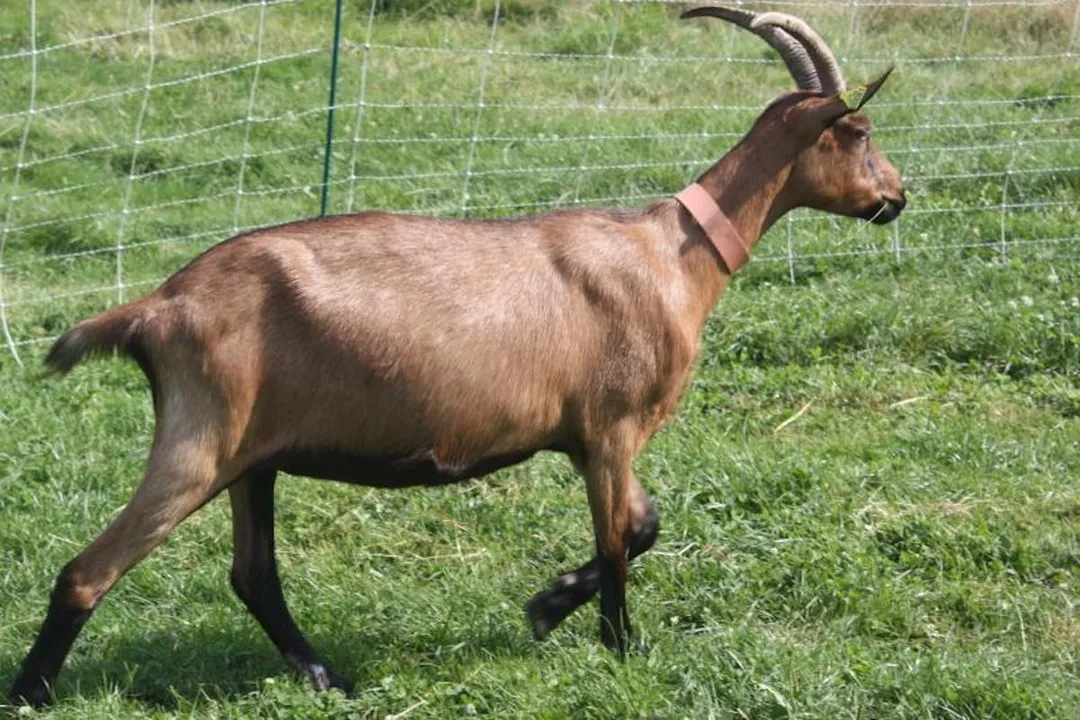
The very name "Alpine goat" immediately conjures images of sure-footed animals navigating treacherous, snow-dusted peaks, echoing the environment of their namesake mountains. While this breed certainly carries the genetic blueprint of high-altitude survival, pinning down their exact habitat requires separating their rugged ancestral origin from their current, globally domesticated reality. [3] They are not wild animals clinging to cliff faces today; rather, they are one of the world's most popular dairy breeds, managed everywhere from North American farms to European dairies. [2][4]
# Mountain Beginnings
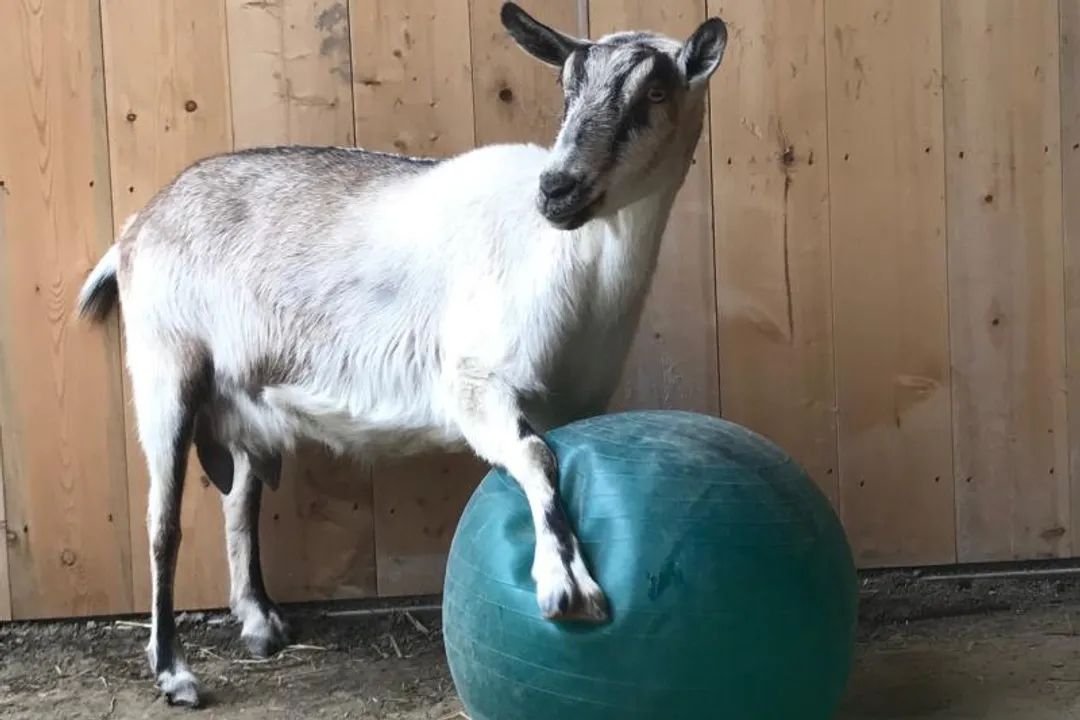
The geographical anchor of the Alpine goat is the mountain range from which it draws its title: the Alps. [2] More specifically, the breed traces its lineage back to a landrace developed in the French Alps. [2][4] These goats evolved in the rugged terrain of the alpine Savoie region of France, where they were essential to early pastoral life. [4]
The environment that forged the Alpine goat was far from gentle. The original stock adapted remarkably well to the harsh realities of that landscape: rocky, dry terrain, extremes of temperature, and a scarcity of readily available vegetation. [4] This heritage is crucial because it explains their physical makeup and temperament. They developed into a hardy, agile breed, [4] traits necessary for survival where resources were limited and footing was precarious. In the 19th century, they were specifically prized because they could access steep pastures that sheep often could not reach. [4]
It is important to distinguish between the original stock and the recognized modern breeds. When Alpine goats were first imported to the United States, those descending from the French Alps were selected for traits like uniformity and production over color. [1] Yet, the American Alpine lines often incorporate genetic influences from earlier imports from Switzerland, Spain, and Austria. [4] While the foundation remains firmly planted in the European Alps, the "Alpine habitat" for the modern breed is now more accurately described as the management system they require, rather than a specific geographic location. [3][4]
# Current Location
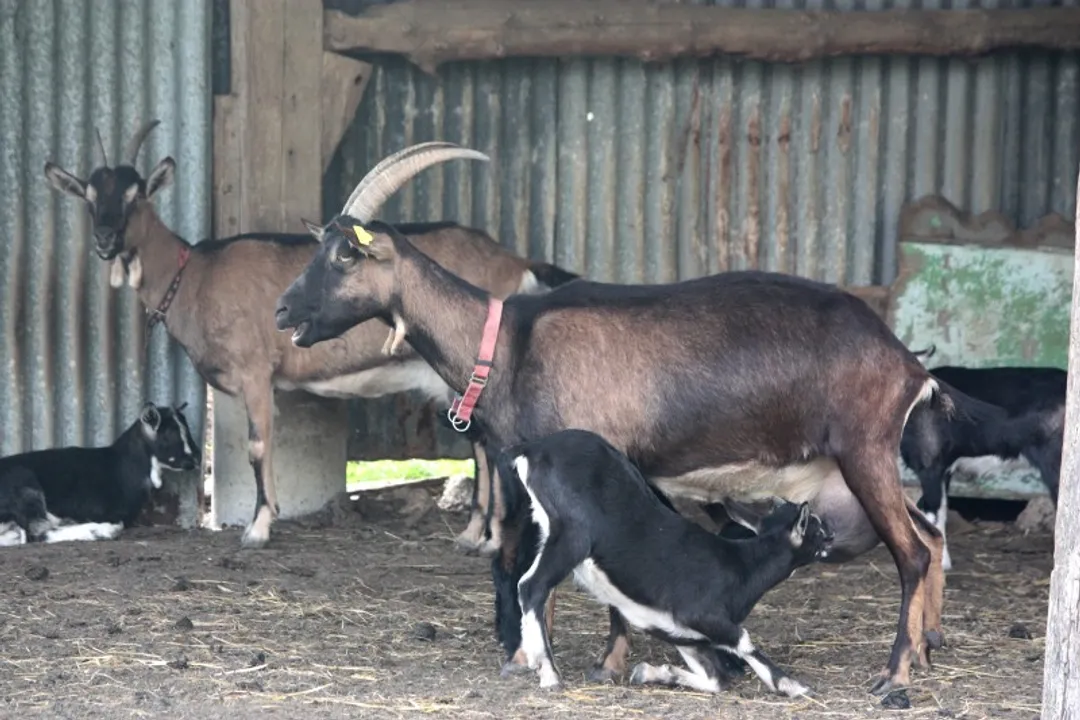
Today, the concept of an Alpine goat's habitat is entirely different from its ancestral home. These animals have been successfully bred and distributed across the globe, becoming one of the top three milk producers alongside Saanen and Toggenburg breeds. [2] They are kept on farms and ranches worldwide. [3]
The breed's inherent hardiness has allowed it to adjust to a wide range of temperatures. [4] You can find them thriving in diverse climates precisely because breeders have prioritized their adaptability. [1][2] Whether their living situation is a small homestead setup or a large commercial dairy operation, [2] their presence is now determined by agricultural demand, not geography.
Their historical adaptation to steep, rocky areas suggests a preference for well-drained land, even in a domestic setting. Zoos that house them list their habitat as Plateaus and mountainous grasslands, [3] which aligns with their deep-seated need for dry, elevated, or well-ventilated space, even when grass is plentiful. This adaptability is what makes them so valuable to dairy producers globally, as they are not restricted to one narrow environmental niche for their survival, unlike some more specialized breeds.
The inherent trait of prioritizing milk production over body mass, noted by an owner saying they "milk right off their backs," speaks volumes about their modern management environment versus their lean mountain past. [4] The original goats needed efficiency to survive scarcity; the modern goats are selectively bred to convert feed into milk with exceptional efficiency, which requires a high-input, controlled environment rather than a naturally sparse habitat. [4] This transition from survival in a harsh ecosystem to optimized production in a managed one represents a significant shift in their effective "habitat."
# Environmental Factors
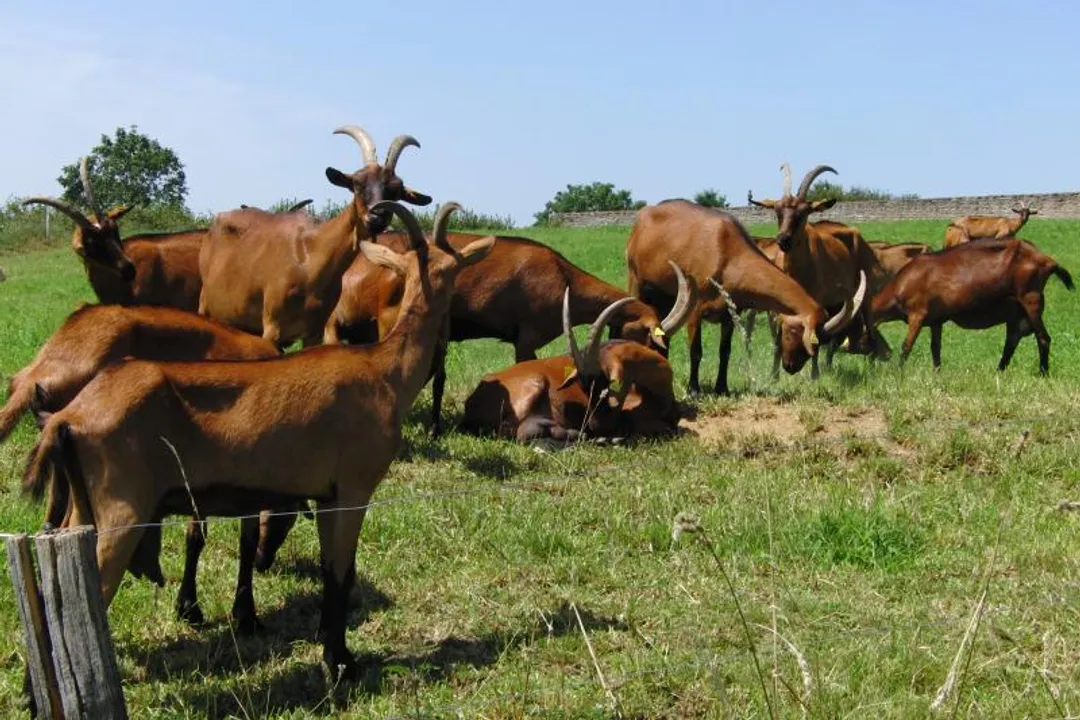
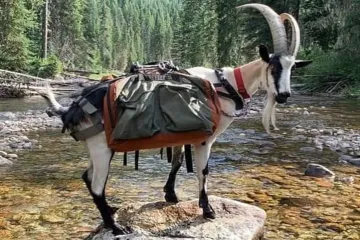
Although Alpines are exceptionally adaptable, their mountain origins leave them with specific vulnerabilities that any caretaker must manage, making the quality of their immediate living space more important than the general climate zone. [4]
The major takeaway regarding their current environmental needs relates directly to moisture management. Breeders report that while they cope well with various temperatures, they are significantly susceptible to internal parasites, foot rot, and respiratory disease if kept in damp conditions. [4]
This susceptibility means that while an Alpine goat can live comfortably in a humid, low-lying area, its care requirements skyrocket. The failure to provide dry bedding and adequate ventilation instantly puts the animal at risk. [1] Therefore, for a modern owner, the true habitat is less about the altitude outside the barn and entirely about the microclimate inside the shelter. A well-designed shelter in a temperate zone offers a better habitat than a poorly drained, damp pasture in a dry region.
Consider the comparison between the historical environment and the managed environment:
| Environmental Feature | Ancestral Habitat (French Alps) | Modern Dairy Habitat | Implication for Care |
|---|---|---|---|
| Terrain | Rocky, steep pastures | Well-drained flooring, dry bedding | Need for high drainage; avoidance of mud [4] |
| Vegetation | Sparse, varied browsing | Consistent, high-quality forage/grain | Energy diverted to milk production requires high input [4] |
| Temperature | Extremes (hot summers, cold winters) | Wide range tolerated, but moisture is key | Focus on ventilation to manage humidity, not just temperature [4] |
Their ability to handle temperature swings is impressive, but the data strongly suggests that moisture management is non-negotiable for maintaining their famous high milk yields and overall health. [1][4] When considering where to place an Alpine herd, the infrastructure designed to keep them dry is a more telling factor than latitude or elevation.
# Temperament and Space
While not strictly a physical habitat feature, the social environment is crucial for this breed's welfare and production, stemming from their need to navigate a herd in a resource-limited setting. [2][4] Alpine goats are described as friendly and highly curious, yet they can also be independent and strong-willed. [2] They are also noted as being highly social and cohesive, yet aggressively competitive with herd members. [4]
This competitive nature directly impacts their living space requirements. To support optimal dairy production—which requires specific, controlled feeding routines—the physical layout of their housing must mitigate conflict. If multiple goats are competing for feed simultaneously, the more timid ones may be pushed away, leading to poorer nutrition and lower milk yields. [4]
This translates into a practical requirement for their domestic setting: the feeder setup must accommodate every animal equally. If an owner relies on a head gate or a wide trough system, it ensures that every goat, regardless of its assertiveness, gets its necessary caloric intake to maintain its production levels. [4] This organizational need for space and fair access to resources forms an invisible, yet mandatory, part of their habitat requirement on any modern farm. The ideal modern Alpine habitat is, therefore, one that balances the structural dryness required by their mountain heritage with the spatial fairness required by their competitive social structure.
Related Questions
#Citations
Alpine Goat - Lehigh Valley Zoo
Alpine Goats | Oklahoma State University
Alpine goat - Wikipedia
Breed Profile: French Alpine Goats - Goat Journal -