Where do Egyptian vultures live?
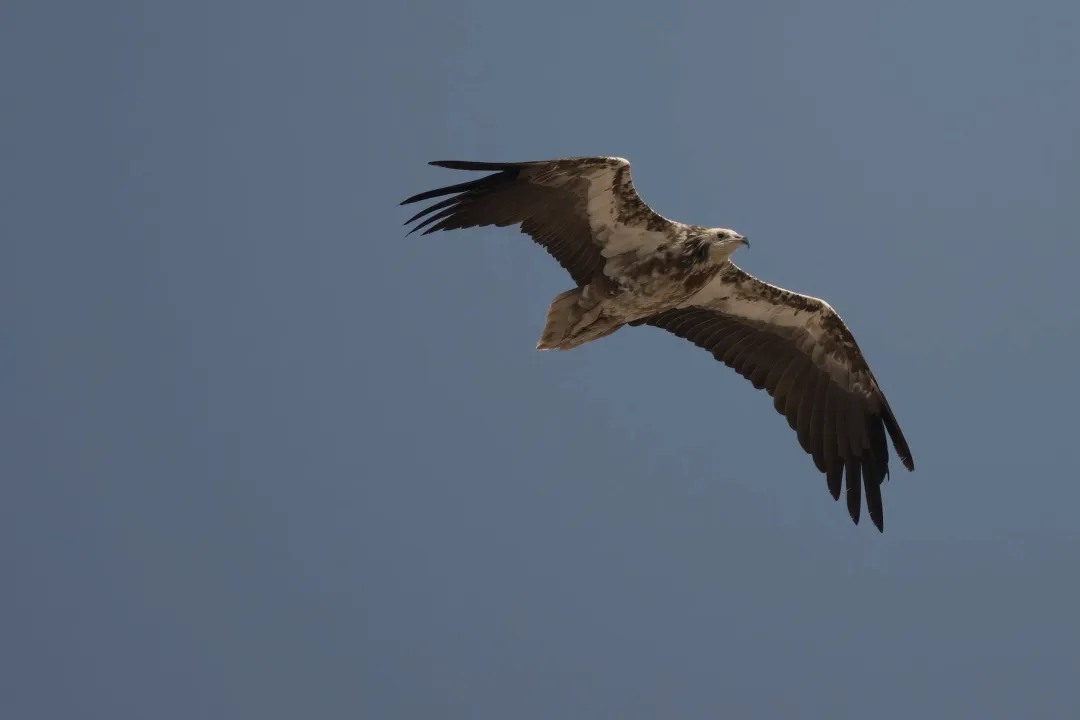
The distribution of the Egyptian Vulture, Neophron percnopterus, spans an impressive geographical area, making it one of the most widespread of all raptor species, yet its presence is increasingly fragmented across this vast range. [1][2] This bird of prey is generally found across Eurasia and Africa, utilizing a variety of habitats that suit its scavenging lifestyle. [1][3] Understanding where they live requires looking at two distinct groups: the sedentary populations and the highly migratory ones, as their locations shift dramatically between the breeding season and the non-breeding months. [4]
# Global Spread
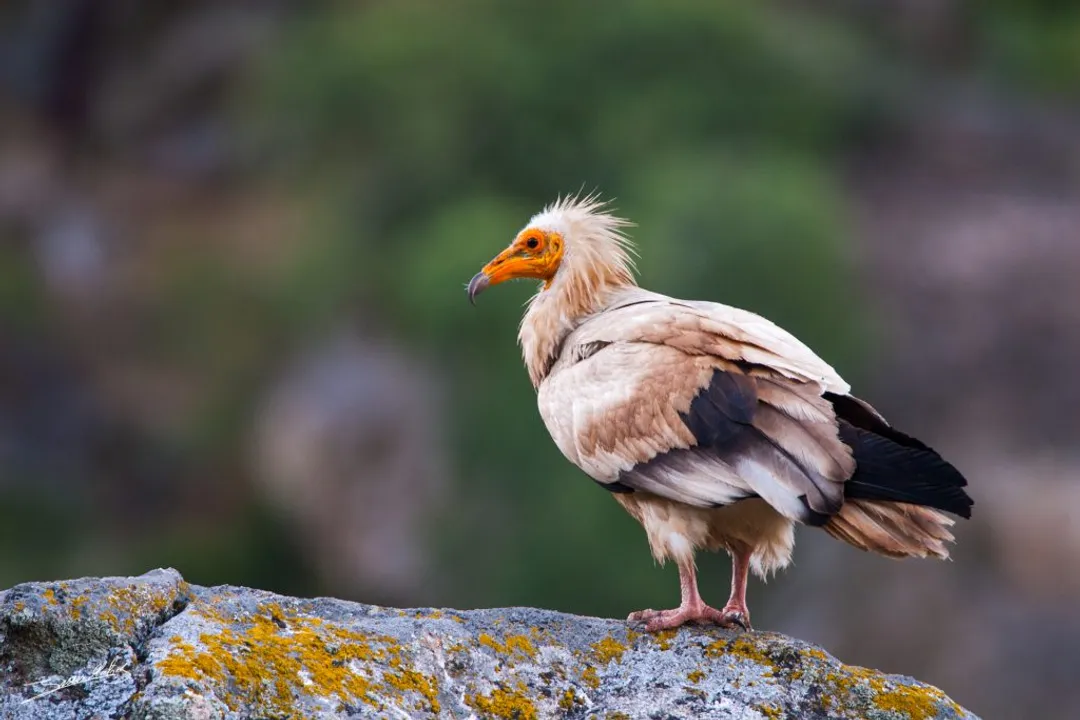
The species maintains a broad, though somewhat patchy, distribution extending across southern Europe, North Africa, and a large swathe of Asia, reaching as far east as India. [1][2] Their primary breeding grounds are typically situated in drier, more open landscapes, often favoring rocky outcrops, cliffs, and gorges for nesting sites. [1][3] This preference for elevated, inaccessible structures offers security from ground predators for their nests. [3] While they nest in these secluded spots, their foraging habits often bring them closer to areas of human activity, such as pastures, villages, or garbage dumps, where carrion is more readily available. [1]
Geographically, the range covers a massive arc. In Europe, the populations tend to concentrate in the southern regions, including areas like the Iberian Peninsula. [2][8] Moving eastward, their range includes parts of the Middle East and extends across Central Asia. [1] The sheer extent of this range means that local environmental pressures and food availability dictate precise local densities, leading to significant variation in how many birds occupy a given area. [1]
An interesting aspect of their distribution is the separation between breeding strongholds and wintering grounds, which defines the life of migratory individuals. While the species is found across Eurasia and Africa, the individuals occupying the northernmost or westernmost parts of the Eurasian breeding range are the ones that undertake the longest journeys to survive the non-breeding season. [7]
# European Strongholds
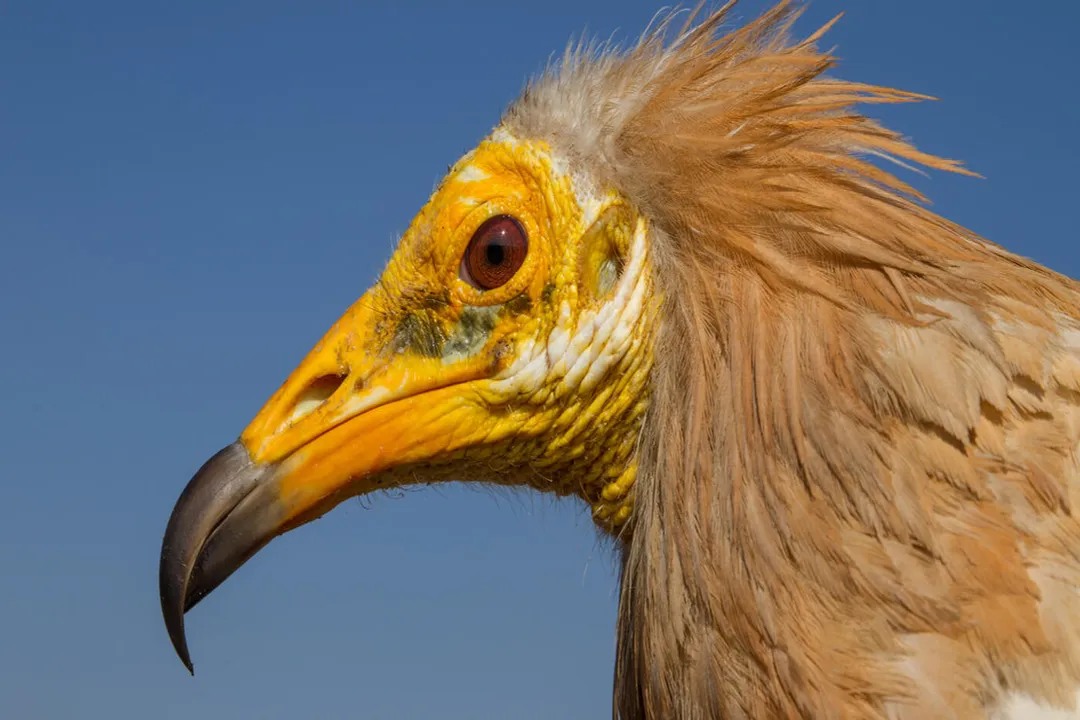
Southern Europe serves as a critical breeding area for a significant portion of the species, particularly in the western Palearctic. [4] Spain, for instance, hosts a notable population, with specific areas like the Monfrague National Park becoming renowned locations for those interested in observing these fascinating scavengers. [8] In Monfrague, the vultures can often be spotted soaring high above the Mediterranean scrubland and oak pastures, indicating a suitable combination of nesting habitat (cliffs) and food sources (livestock). [8]
However, not all European populations behave identically. A comparison between the western and eastern European groups reveals differences in their migratory habits. The western populations, those found in places like Spain, tend to have shorter migration routes or may even be partially resident compared to their counterparts further east or north. [7] The health and continuation of these European breeding groups are paramount, as they represent distinct genetic reservoirs within the species. [4]
# Asian Territories
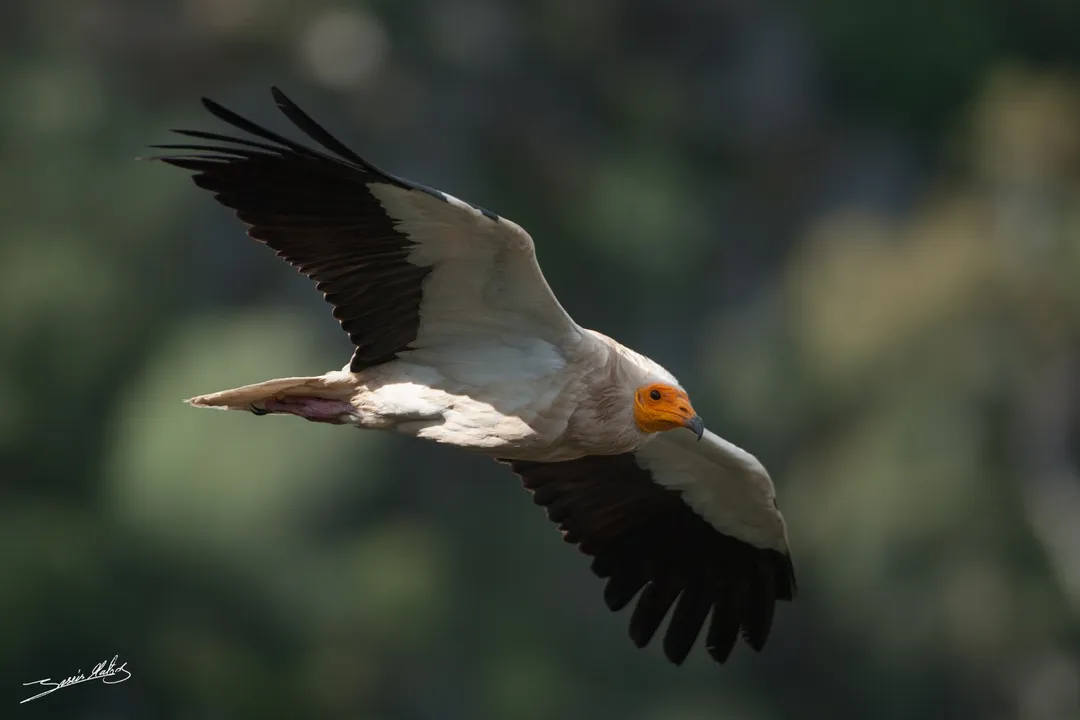
The Egyptian Vulture’s range sweeps across Asia, covering diverse environments from the arid regions to the foothills of mountains. [1] For instance, in Central Asia, countries like Kazakhstan still host breeding populations, although these are facing significant contemporary challenges that impact their local distribution and numbers. [6] In Kazakhstan, the birds utilize remote, arid, and mountainous areas for nesting, often utilizing inaccessible cliffs. [6]
The easternmost extent of their breeding range reaches into the Indian subcontinent. [2] For the Asian populations, the non-breeding season often sees them moving southwards, with many individuals overwintering within India itself. [4] This creates a fascinating contrast with the European migrants, whose primary winter refuge lies in Africa. [7] It is important to note that even within Asia, local conditions dictate population persistence; for example, the challenges observed in Kazakhstan highlight how localized threats can impact a seemingly large distribution. [6]
This clear separation—European migrants heading to Africa, and many Asian migrants utilizing South Asia—suggests that the historical geography of resource availability strongly shaped the migratory routes established by the species over millennia. [7] Understanding these separate migratory corridors is crucial because conservation efforts must be tailored to the specific threats faced in both the breeding and wintering locales.
# African Wintering Grounds
For the Eurasian populations that undertake long-distance movements, Africa serves as the crucial wintering sanctuary. [4] Specifically, many of these migrants travel south across the Sahara Desert to spend the non-breeding period in the Sahel region, an area bordering the Sahara in West and Central Africa. [4] This migration involves crossing extremely challenging environments, demanding significant physical reserves from the birds. [7]
The African wintering grounds provide consistent food resources, primarily through natural carcass availability and, often, through managed waste disposal sites near human settlements. [4] The ability of these vultures to survive the non-breeding season is directly tied to the stability and productivity of these African habitats. [4] Furthermore, data from tracking studies reveal that migration distances are highly variable; some individuals travel thousands of kilometers, while others may winter closer to their breeding grounds, suggesting a flexible response to local conditions or perhaps differences in age or social status within the population. [7]
Considering the energy expenditure, a key insight for conservationists observing Egyptian Vultures in Europe or Asia is that any successful breeding season is contingent on the quality of the African wintering ground. If resource collapse or poisoning occurs in the Sahel, the next breeding season in Spain or Kazakhstan will suffer, illustrating a complete dependency across continents. [4][7]
# Habitat Specificity
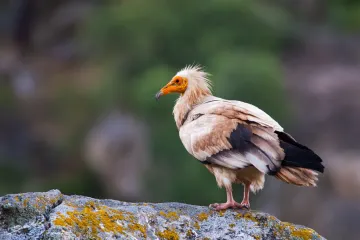
While their distribution is wide, the type of place the Egyptian Vulture chooses to inhabit is remarkably consistent: open, often arid or semi-arid landscapes where visibility is high and carrion is detectable from the air. [3] They are not typically found deep within dense forests. In breeding areas, they require steep cliffs or rock faces to build their nests, which are usually simple scrapes or piles of debris on a ledge. [1]
For instance, observation guides for raptor watching often point out that one should look where pastureland meets rocky terrain. This convergence is where the Egyptian Vulture finds its ecological niche: the open land provides the food (dead animals), and the rocks provide the security for reproduction. [8] This dual requirement—easy access to food and safe nesting substrate—acts as a primary limiting factor on where populations can successfully establish themselves, even if food appears locally abundant elsewhere. [1]
A closer look at the Kazakhstan situation reveals this habitat constraint in action: the primary habitat is characterized by dry, sparsely vegetated areas, often with scattered scrub and rocky hills, fitting the general description, yet the population there is experiencing severe declines due to specific threats like poisoning. [6] This reinforces that habitat quality—the absence of deadly contaminants—is as important as the physical structure of the landscape. [6]
# Migration Complexity
The Egyptian Vulture is perhaps most famous for its migration patterns, which are anything but uniform. [7] The species exhibits a remarkable degree of variation in its movements, even among individuals breeding in the same region. [7] This variation is a significant finding from recent large-scale tracking studies.
Some birds undertake vast north-south migrations, traversing continents. Others might employ shorter, more localized movements, or even remain sedentary year-round if the climate and food supply permit. [1][7] For example, a vulture that nests in, say, Greece, might head to the sub-Saharan regions of Africa for the winter, a journey of thousands of kilometers, while a vulture nesting further south in North Africa might remain resident or move only short distances within the continent. [4][7]
To better visualize this, one can imagine a spectrum of movement:
| Population Origin | Typical Movement | Primary Wintering Area |
|---|---|---|
| Western European (e.g., Spain) | Partial migration or short routes | Iberian Peninsula or North Africa |
| Eastern European / Western Asian | Long-distance southward migration | Sahel region of Africa |
| Indian Subcontinent | Partial or short-distance movements | Within India or nearby regions |
This variability in migration strategy is something managers need to account for. A conservation measure successful in protecting a long-distance migratory bottleneck in the Middle East might have little impact on the non-migratory population in the Balkans, for instance. [7]
# Localized Observation Points
For those wishing to see Egyptian Vultures in the wild, specific locations are more promising than others, usually aligning with the breeding and overwintering areas described. [8] Monfrague National Park in Spain is explicitly mentioned as a location where visitors can reliably observe them, particularly during the breeding season when they are more active near their territory. [8] Observing them in such a park involves understanding their daily rhythm—watching cliff faces in the early morning or late afternoon for nesting activity, and looking towards open pastures during peak daylight hours for foraging. [8]
It is worth noting that because these birds are scavengers, their presence in such areas often correlates with traditional agricultural practices, such as sheep or goat herding, which naturally produce carcasses. [8] An original consideration here is that the very modernization of livestock management—such as burying carcasses or using veterinary pharmaceuticals that poison scavengers—can inadvertently make prime habitat suddenly lethal for the vulture, even if the physical landscape remains suitable. [6] The best viewing spots are, therefore, often those where traditional, low-impact land use persists alongside the necessary cliff structures.
Similarly, in Central Asia, understanding when to look is key. While they breed in Kazakhstan, their presence might be erratic depending on the severity of the winter and the availability of food left from the previous season or provided by local communities. [6]
# Habitat Factors Summary
The core requirements for an Egyptian Vulture's home can be summarized by linking their behavior to their geography:
- Nesting Sites: Undisturbed, high cliffs, often in mountainous or hilly terrain. [1][3]
- Foraging Areas: Open, dry country—scrubland, savanna, pasture, or near human settlements/landfills—where visibility is maximized for spotting food. [1][8]
- Migration Corridors: Well-defined, relatively consistent routes that cross major geographical barriers, linking breeding and wintering sites. [7]
The density of these birds is usually low even in prime areas, as they require a significant feeding territory. [1] This low density makes population monitoring difficult and underscores why the loss of even a few individuals in a small breeding colony, such as those in certain parts of Europe, can have disproportionately severe local consequences. [4]
# Conservation Range Insight
Given the species' dependence on both European/Asian breeding grounds and African wintering sites, effective conservation requires an international, cooperative approach that spans thousands of kilometers. [4][7] A single country cannot save the species alone. For example, if European nations successfully protect breeding sites, but African nations lack the resources or regulatory structure to prevent poisoning incidents in the Sahel, the entire migratory cycle is broken. [4] This intercontinental reliance means the Egyptian Vulture serves as a sensitive biological indicator for the health of two continents' ecosystems simultaneously, making its conservation status a complex geopolitical challenge as much as a biological one. [5]
The variation in migration patterns also suggests a subtle form of risk spreading. If one corridor experiences a catastrophic event—say, mass poisoning at a major bottleneck in the Mediterranean passage—the individuals that chose alternative routes or sedentary lifestyles might survive to continue the population, albeit reduced. [7] This natural behavioral flexibility is a buffer, but it is being overwhelmed by rapid, human-caused threats across the entire known range. [5]
This bird's life is literally distributed across the globe, making the answer to "Where do they live?" a moving target dependent on the calendar, demanding that we look from the rocky peaks of Spain to the arid plains of the Sahel to find a complete picture of its habitat throughout the year [1][7].The distribution of the Egyptian Vulture, Neophron percnopterus, spans an impressive geographical area, making it one of the most widespread of all raptor species, yet its presence is increasingly fragmented across this vast range. [1][2] This bird of prey is generally found across Eurasia and Africa, utilizing a variety of habitats that suit its scavenging lifestyle. [1][3] Understanding where they live requires looking at two distinct groups: the sedentary populations and the highly migratory ones, as their locations shift dramatically between the breeding season and the non-breeding months. [4]
# Global Spread
The species maintains a broad, though somewhat patchy, distribution extending across southern Europe, North Africa, and a large swathe of Asia, reaching as far east as India. [1][2] Their primary breeding grounds are typically situated in drier, more open landscapes, often favoring rocky outcrops, cliffs, and gorges for nesting sites. [1][3] This preference for elevated, inaccessible structures offers security from ground predators for their nests. [3] While they nest in these secluded spots, their foraging habits often bring them closer to areas of human activity, such as pastures, villages, or garbage dumps, where carrion is more readily available. [1]
Geographically, the range covers a massive arc. In Europe, the populations tend to concentrate in the southern regions, including areas like the Iberian Peninsula. [2][8] Moving eastward, their range includes parts of the Middle East and extends across Central Asia. [1] The sheer extent of this range means that local environmental pressures and food availability dictate precise local densities, leading to significant variation in how many birds occupy a given area. [1]
An interesting aspect of their distribution is the separation between breeding strongholds and wintering grounds, which defines the life of migratory individuals. While the species is found across Eurasia and Africa, the individuals occupying the northernmost or westernmost parts of the Eurasian breeding range are the ones that undertake the longest journeys to survive the non-breeding season. [7]
# European Strongholds
Southern Europe serves as a critical breeding area for a significant portion of the species, particularly in the western Palearctic. [4] Spain, for instance, hosts a notable population, with specific areas like the Monfrague National Park becoming renowned locations for those interested in observing these fascinating scavengers. [8] In Monfrague, the vultures can often be spotted soaring high above the Mediterranean scrubland and oak pastures, indicating a suitable combination of nesting habitat (cliffs) and food sources (livestock). [8]
However, not all European populations behave identically. A comparison between the western and eastern European groups reveals differences in their migratory habits. The western populations, those found in places like Spain, tend to have shorter migration routes or may even be partially resident compared to their counterparts further east or north. [7] The health and continuation of these European breeding groups are paramount, as they represent distinct genetic reservoirs within the species. [4]
# Asian Territories
The Egyptian Vulture’s range sweeps across Asia, covering diverse environments from the arid regions to the foothills of mountains. [1] For instance, in Central Asia, countries like Kazakhstan still host breeding populations, although these are facing significant contemporary challenges that impact their local distribution and numbers. [6] In Kazakhstan, the birds utilize remote, arid, and mountainous areas for nesting, often utilizing inaccessible cliffs. [6]
The easternmost extent of their breeding range reaches into the Indian subcontinent. [2] For the Asian populations, the non-breeding season often sees them moving southwards, with many individuals overwintering within India itself. [4] This creates a fascinating contrast with the European migrants, whose primary winter refuge lies in Africa. [7] It is important to note that even within Asia, local conditions dictate population persistence; for example, the challenges observed in Kazakhstan highlight how localized threats can impact a seemingly large distribution. [6]
This clear separation—European migrants heading to Africa, and many Asian migrants utilizing South Asia—suggests that the historical geography of resource availability strongly shaped the migratory routes established by the species over millennia. [7] Understanding these separate migratory corridors is crucial because conservation efforts must be tailored to the specific threats faced in both the breeding and wintering locales. [5]
# African Wintering Grounds
For the Eurasian populations that undertake long-distance movements, Africa serves as the crucial wintering sanctuary. [4] Specifically, many of these migrants travel south across the Sahara Desert to spend the non-breeding period in the Sahel region, an area bordering the Sahara in West and Central Africa. [4] This migration involves crossing extremely challenging environments, demanding significant physical reserves from the birds. [7]
The African wintering grounds provide consistent food resources, primarily through natural carcass availability and, often, through managed waste disposal sites near human settlements. [4] The ability of these vultures to survive the non-breeding season is directly tied to the stability and productivity of these African habitats. [4] Furthermore, data from tracking studies reveal that migration distances are highly variable; some individuals travel thousands of kilometers, while others may winter closer to their breeding grounds, suggesting a flexible response to local conditions or perhaps differences in age or social status within the population. [7]
Considering the energy expenditure, a key insight for conservationists observing Egyptian Vultures in Europe or Asia is that any successful breeding season is contingent on the quality of the African wintering ground. If resource collapse or poisoning occurs in the Sahel, the next breeding season in Spain or Kazakhstan will suffer, illustrating a complete dependency across continents. [4][7]
# Habitat Specificity
While their distribution is wide, the type of place the Egyptian Vulture chooses to inhabit is remarkably consistent: open, often arid or semi-arid landscapes where visibility is high and carrion is detectable from the air. [3] They are not typically found deep within dense forests. In breeding areas, they require steep cliffs or rock faces to build their nests, which are usually simple scrapes or piles of debris on a ledge. [1]
For instance, observation guides for raptor watching often point out that one should look where pastureland meets rocky terrain. This convergence is where the Egyptian Vulture finds its ecological niche: the open land provides the food (dead animals), and the rocks provide the security for reproduction. [8] This dual requirement—easy access to food and safe nesting substrate—acts as a primary limiting factor on where populations can successfully establish themselves, even if food appears locally abundant elsewhere. [1]
A closer look at the Kazakhstan situation reveals this habitat constraint in action: the primary habitat is characterized by dry, sparsely vegetated areas, often with scattered scrub and rocky hills, fitting the general description, yet the population there is experiencing severe declines due to specific threats like poisoning. [6] This reinforces that habitat quality—the absence of deadly contaminants—is as important as the physical structure of the landscape. [6]
# Migration Complexity
The Egyptian Vulture is perhaps most famous for its migration patterns, which are anything but uniform. [7] The species exhibits a remarkable degree of variation in its movements, even among individuals breeding in the same region. [7] This variation is a significant finding from recent large-scale tracking studies.
Some birds undertake vast north-south migrations, traversing continents. Others might employ shorter, more localized movements, or even remain sedentary year-round if the climate and food supply permit. [1][7] For example, a vulture that nests in, say, Greece, might head to the sub-Saharan regions of Africa for the winter, a journey of thousands of kilometers, while a vulture nesting further south in North Africa might remain resident or move only short distances within the continent. [4][7]
To better visualize this, one can imagine a spectrum of movement:
| Population Origin | Typical Movement | Primary Wintering Area |
|---|---|---|
| Western European (e.g., Spain) | Partial migration or short routes | Iberian Peninsula or North Africa |
| Eastern European / Western Asian | Long-distance southward migration | Sahel region of Africa |
| Indian Subcontinent | Partial or short-distance movements | Within India or nearby regions |
This variability in migration strategy is something managers need to account for. A conservation measure successful in protecting a long-distance migratory bottleneck in the Mediterranean passage might have little impact on the non-migratory population in the Balkans, for instance. [7]
# Localized Observation Points
For those wishing to see Egyptian Vultures in the wild, specific locations are more promising than others, usually aligning with the breeding and overwintering areas described. [8] Monfrague National Park in Spain is explicitly mentioned as a location where visitors can reliably observe them, particularly during the breeding season when they are more active near their territory. [8] Observing them in such a park involves understanding their daily rhythm—watching cliff faces in the early morning or late afternoon for nesting activity, and looking towards open pastures during peak daylight hours for foraging. [8]
It is worth noting that because these birds are scavengers, their presence in such areas often correlates with traditional agricultural practices, such as sheep or goat herding, which naturally produce carcasses. [8] An original consideration here is that the very modernization of livestock management—such as burying carcasses or using veterinary pharmaceuticals that poison scavengers—can inadvertently make prime habitat suddenly lethal for the vulture, even if the physical landscape remains suitable. [6] The best viewing spots are, therefore, often those where traditional, low-impact land use persists alongside the necessary cliff structures.
Similarly, in Central Asia, understanding when to look is key. While they breed in Kazakhstan, their presence might be erratic depending on the severity of the winter and the availability of food left from the previous season or provided by local communities. [6]
# Habitat Factors Summary
The core requirements for an Egyptian Vulture's home can be summarized by linking their behavior to their geography:
- Nesting Sites: Undisturbed, high cliffs, often in mountainous or hilly terrain. [1][3]
- Foraging Areas: Open, dry country—scrubland, savanna, pasture, or near human settlements/landfills—where visibility is maximized for spotting food. [1][8]
- Migration Corridors: Well-defined, relatively consistent routes that cross major geographical barriers, linking breeding and wintering sites. [7]
The density of these birds is usually low even in prime areas, as they require a significant feeding territory. [1] This low density makes population monitoring difficult and underscores why the loss of even a few individuals in a small breeding colony, such as those in certain parts of Europe, can have disproportionately severe local consequences. [4]
# Conservation Range Insight
Given the species' dependence on both European/Asian breeding grounds and African wintering sites, effective conservation requires an international, cooperative approach that spans thousands of kilometers. [4][7] A single country cannot save the species alone. If European nations successfully protect breeding sites, but African nations lack the resources or regulatory structure to prevent poisoning incidents in the Sahel, the entire migratory cycle is broken. [4] This intercontinental reliance means the Egyptian Vulture serves as a sensitive biological indicator for the health of two continents' ecosystems simultaneously, making its conservation status a complex geopolitical challenge as much as a biological one. [5]
The variation in migration patterns also suggests a subtle form of risk spreading. If one corridor experiences a catastrophic event—say, mass poisoning at a major bottleneck in the Mediterranean passage—the individuals that chose alternative routes or sedentary lifestyles might survive to continue the population, albeit reduced. [7] This natural behavioral flexibility is a buffer, but it is being overwhelmed by rapid, human-caused threats across the entire known range. [5]
This bird's life is literally distributed across the globe, making the answer to "Where do they live?" a moving target dependent on the calendar, demanding that we look from the rocky peaks of Spain to the arid plains of the Sahel to find a complete picture of its habitat throughout the year. [1][7]
Related Questions
#Citations
Egyptian vulture - Wikipedia
Egyptian Vulture | The Peregrine Fund
Neophron percnopterus (Egyptian vulture) - Animal Diversity Web
Migratory bird of the month: Egyptian Vulture - BirdLife International
Egyptian Vulture - Eurasian Wildlife and Peoples
Egyptian Vulture in Kazakhstan: Situation & Concerns
Largest Study of Egyptian Vultures Reveals Great Variation in ...
Egyptian Vulture: A Complete Guide to Observing It in Monfragüe
Egyptian Vulture in UAE – Photographed at Jebel Hafeet
Egyptian Vulture | BTO