What is unique about Egyptian vultures?
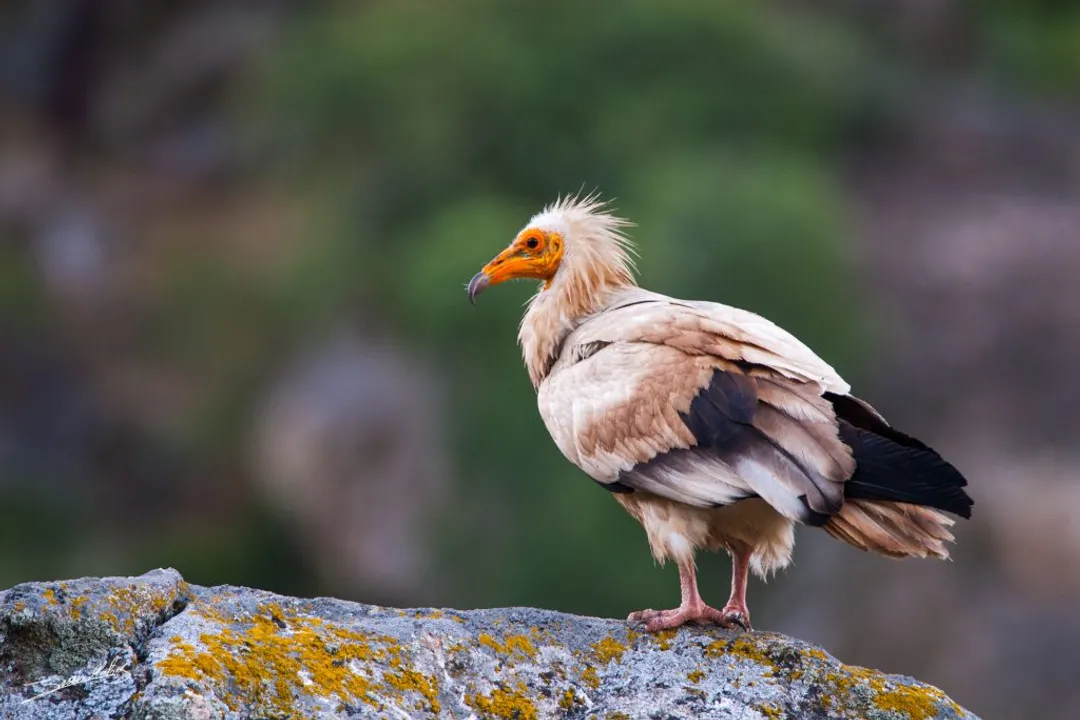
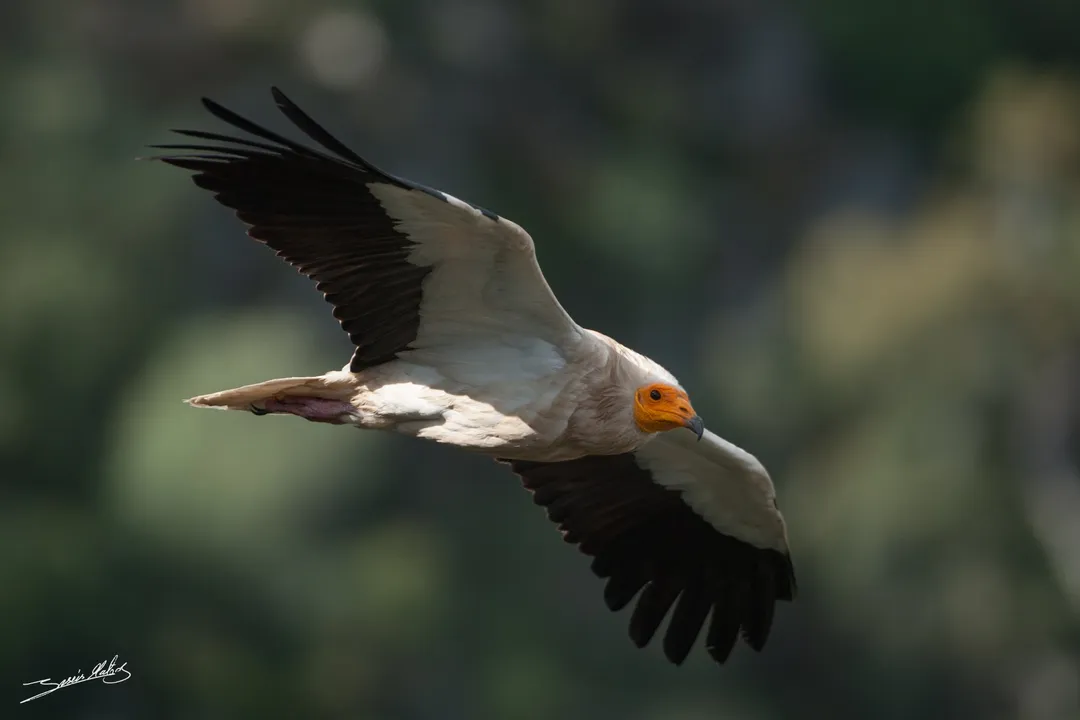
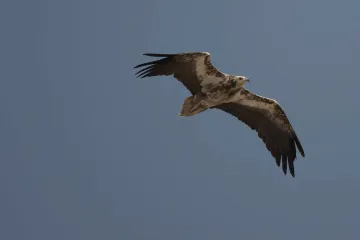
The Egyptian vulture, Neophron percnopterus, [2] stands apart from its scavenging relatives, possessing a subtle charm often overshadowed by the bulkier vultures of its family. It is frequently noted as one of the smallest Old World vultures, [6] exhibiting a delicate appearance that belies its toughness and surprisingly advanced behaviors. [1] Unlike the soot-black or dark brown plumage common among many scavengers, this species shows a striking color contrast: its adult feathers are predominantly white, sharply offset by black flight feathers visible when the wings are spread. [4] This adult appearance is quite different from the young birds; juveniles are dark brown and require several years to achieve their signature white and black adult look. [1]
# Distinctive Features
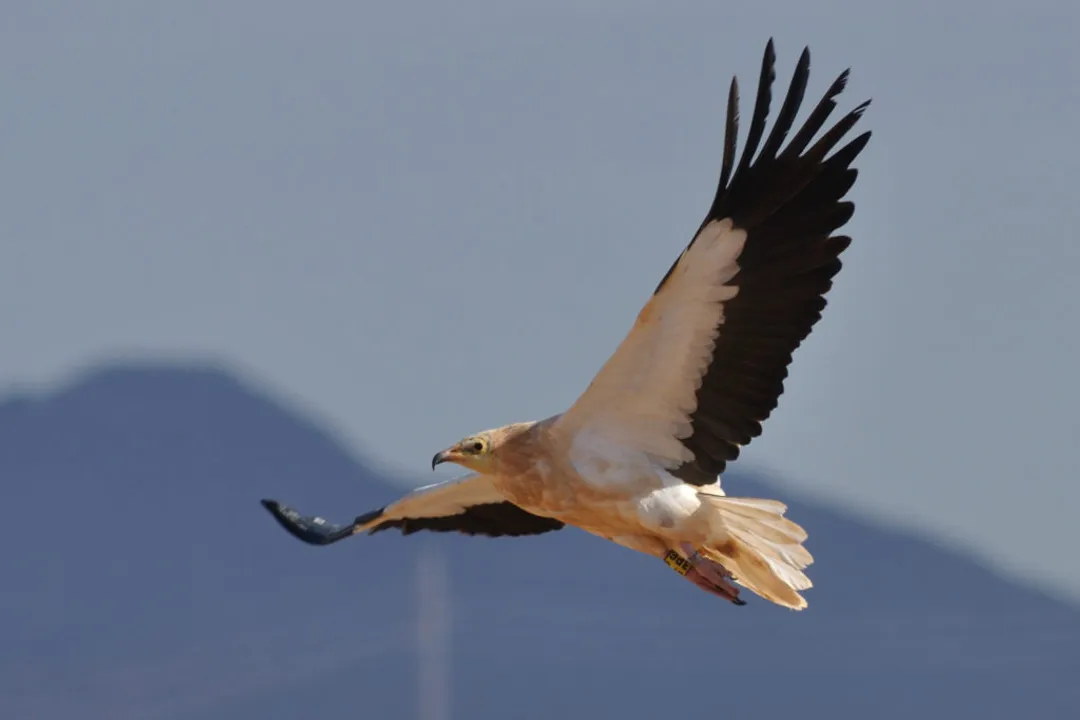
Adult Egyptian vultures possess several key identifying features that aid in their recognition in the field. Their faces are characterized by bare, yellowish skin, contrasting with the shaggy, dark feathers around the neck, often described as a "hackle". [1] The shape of the bill is relatively slender compared to other vultures, an adaptation perhaps linked to their varied diet. [1] In terms of physical metrics, they generally measure between 55 and 65 centimeters in length, with a wingspan that can reach up to 1.7 meters. [8] While they are small for a vulture, they are still substantial birds, often weighing between 1.5 and 2.9 kilograms. [2] In captivity, they have been recorded living for upwards of two decades. [4]
# Avian Intelligence
What truly sets the Egyptian vulture apart in the avian world is its documented demonstration of tool use, a behavior associated with high cognitive ability. [1][3] This behavior centers around accessing difficult food items, most notably ostrich eggs. [2][6] The vulture uses a stone, picking it up in its beak and carrying it to the egg, which it then repeatedly drops onto the shell until it cracks open. [2][3] This methodical approach is remarkable. Considering they are the smallest Old World vultures, [6] their relatively smaller size and less powerful beak might necessitate the use of external tools like stones to effectively access the nutrient-rich contents of large, hard-shelled eggs, a strategy perhaps less vital for their significantly larger cousins who may rely more on brute force to tear open carcasses. Their ability to solve this multi-step problem—finding the tool, transporting it, and executing the strike—is a fascinating window into their intelligence. [1]
# Varied Diet
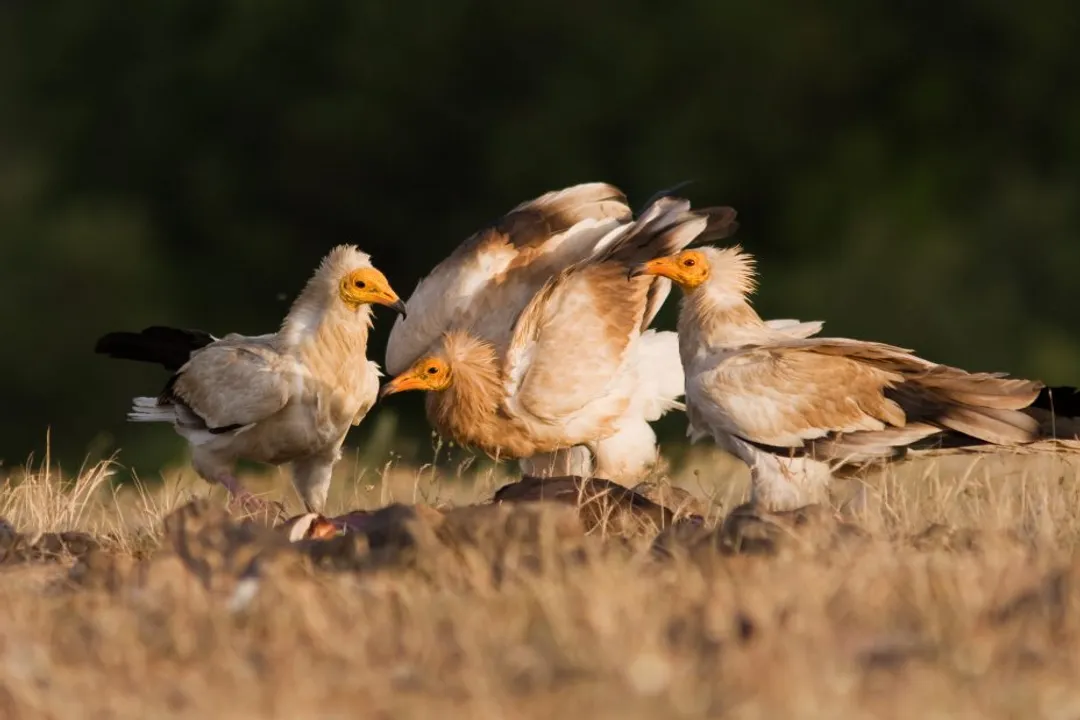
The feeding strategy of the Egyptian vulture is flexible, categorizing them as opportunistic scavengers that will supplement their diet when necessary. [1][4] While carrion—the remains of dead animals—forms a staple of their existence, they are not strictly limited to large carcasses like some other vulture species. [3][6] They are known to consume smaller prey, refuse found near human settlements, and even animal feces. [6][8] This adaptability means they can persist in environments where large mammal mortality is low, provided there is sufficient garbage or small animal life available. [4] Their distribution across varied landscapes suggests this dietary flexibility is key to their survival across continents. [2]
# Global Range and Movement
The Egyptian vulture boasts one of the most extensive geographical ranges among all raptors. [2] They are found across vast areas of Southern Europe, Asia, and Africa. [2][9] This wide distribution means that populations exist in radically different climates and ecosystems. [2] However, their presence in different areas is not uniform; some populations undertake long-distance migrations, particularly those breeding in Europe, while others maintain territories year-round. [7] For instance, some northern groups will travel significant distances into Africa for the non-breeding season, illustrating a dependence on seasonal resource availability across international boundaries. [7]
# Conservation Status
Despite their widespread historical range, the Egyptian vulture faces a severe global crisis. [1] The species is listed as Endangered globally, though the situation is far more dire in specific regions, such as Europe, where they are classified as Critically Endangered. [2] Reports indicate a significant decline, with populations in some areas having dropped by as much as 50% over a period of just 40 years. [9] This rapid decline is attributed to several serious threats, but one stands out above the rest: poisoning. [3][9]
The impact of poisoning is devastating because it causes rapid, direct mortality across large territories. [9] If poisoning represents the main driver of their decline, [3][9] it strongly suggests that conservation efforts must prioritize community education, changes in agricultural practices, and strict control over lethal rodenticides or baits used by humans. While threats like habitat loss and electrocution on power lines also contribute to the mortality rate, [1] the acute nature of poisoning events means a single incident can remove an entire breeding pair or migratory individual. [9] Furthermore, collision with power lines is a recognized danger, impacting these large birds as they navigate the modern landscape. [1]
# Behavior and Nesting
The unique habits of the Egyptian vulture extend to their personal hygiene. A truly distinctive, if somewhat unappealing, behavior involves the birds using their own feces, which are highly acidic, to clean and potentially disinfect their legs and feet. [9] This self-cleaning mechanism could be a crucial defense against pathogens encountered while scavenging or nesting in environments rich with decaying matter. [9]
When it comes to reproduction, they typically choose secure locations, often nesting on cliff ledges where predators have limited access. [7] The female usually lays one or two eggs. [8] The incubation period requires dedicated parental care, and successfully raising the young until they fledge is a lengthy process critical for maintaining population numbers. [2] Considering the conservation status, every successful fledgling carries immense weight for the species' future survival. [1] If one considers the effort required to incubate and raise a single chick, coupled with the high rate of adult mortality from poisoning, the species faces an uphill battle for recovery. [3][9]
Related Questions
#Citations
Egyptian Vulture | The Peregrine Fund
Egyptian vulture - Wikipedia
Egyptian Vulture
Egyptian Vulture - San Diego Zoo Safari Park
The Egyptian vulture, also known as the “pharaoh's chicken,” is ...
Egyptian vulture | Research Starters - EBSCO
Egyptian Vulture: A Complete Guide to Observing It in Monfragüe
Neophron percnopterus (Egyptian vulture) - Animal Diversity Web
The Egyptian vulture