Do Egyptian vultures mate for life?
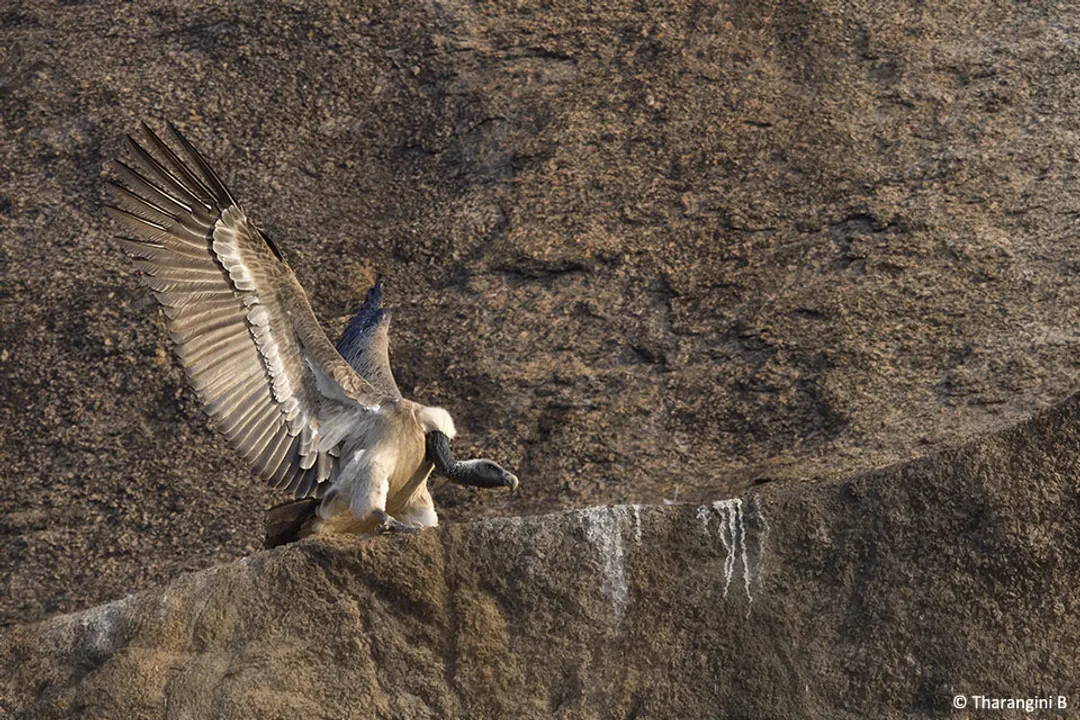
The long-term pairing strategies of many bird species often spark curiosity, and the Egyptian vulture (Neophron percnopterus) is certainly no exception when it comes to establishing dedicated relationships. These distinct scavengers exhibit a strong tendency toward forming monogamous bonds, frequently remaining with the same partner across multiple breeding seasons, often described as mating for life. [1][2] This commitment is a significant feature of their reproductive life, setting the stage for their annual nesting activities and cooperative parenting efforts. [1]
# Pair Bonding
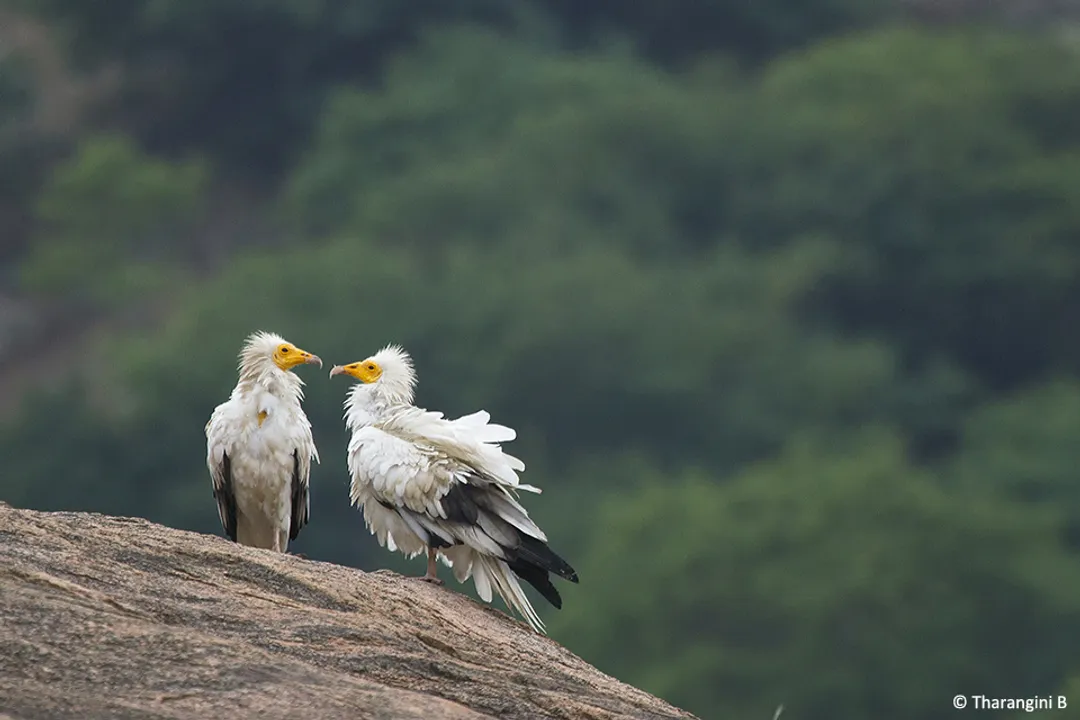
The evidence strongly suggests that once an Egyptian vulture pair establishes itself, that partnership is intended to last. These raptors are known to form long-term bonds. [1] In the natural world, forming such a stable pair is critical for successful reproduction, especially for species that require significant investment in a single offspring over many months. [1] While absolute lifetime pairing cannot be guaranteed for every individual bird, the species displays this monogamous behavior as its standard reproductive strategy. [2] These established pairs are also fiercely territorial, diligently defending the area around their chosen nesting site throughout the breeding period. [2]
# Raising Young
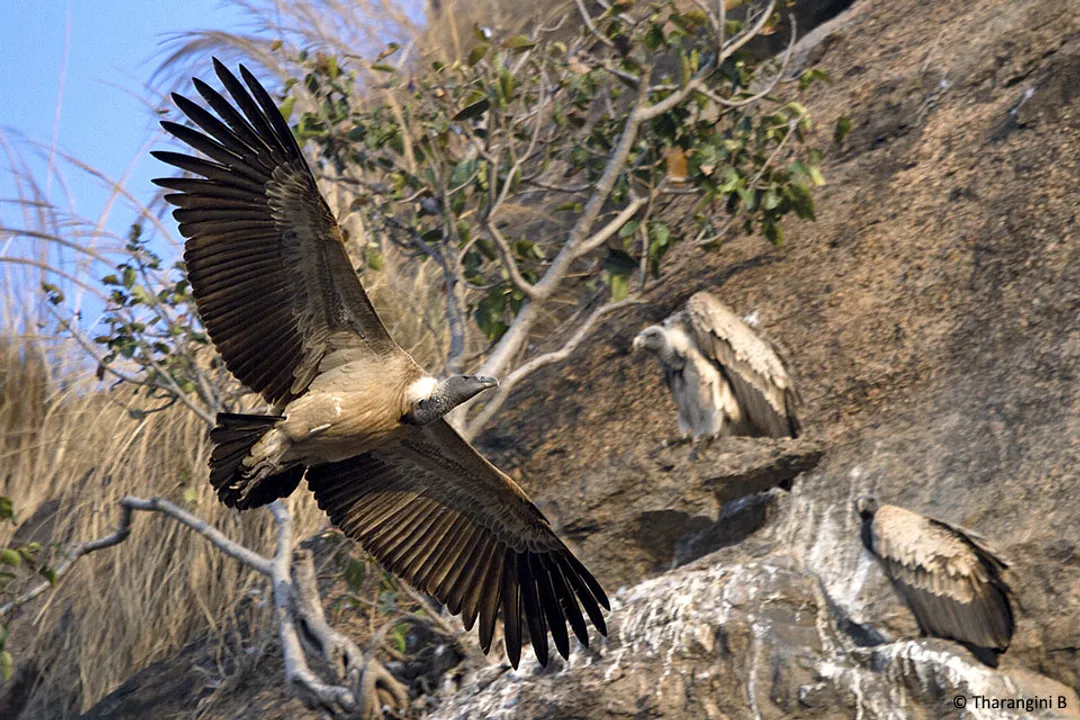
The success of this extended commitment is evident in the dedicated division of labor during the rearing process. Both members of the pair share the responsibilities of raising their offspring. [1] This dual approach includes incubation of the eggs and the subsequent feeding and protection of the young chicks. [1] The clutch size is typically small, usually consisting of only one or two eggs. [1] A smaller clutch size often correlates with higher parental investment per chick, making the reliability of both parents essential for survival. Considering the effort required to raise a dependent fledgling vulture, the loss of one partner can severely jeopardize the reproductive output for that season, or even longer, because finding and successfully pairing with a new mate takes considerable time and energy. [1][2] It’s fascinating to consider that while they dedicate themselves so thoroughly to their partner, the Egyptian vultures themselves undergo a long developmental process before they are ready to form these bonds.
# Plumage Development
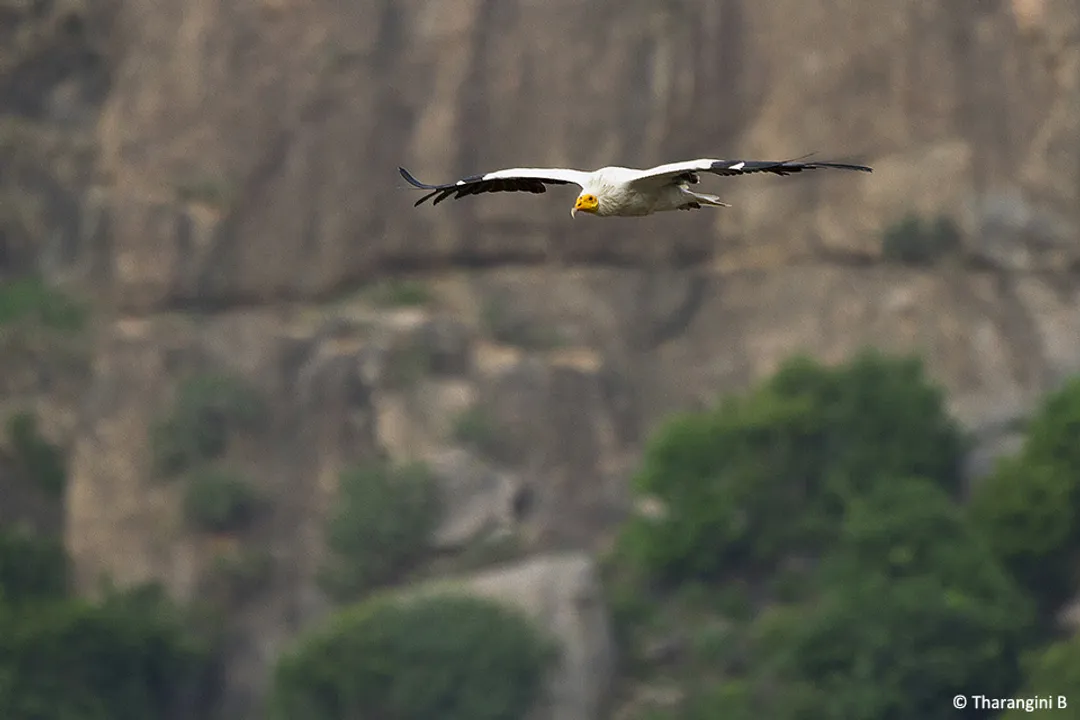
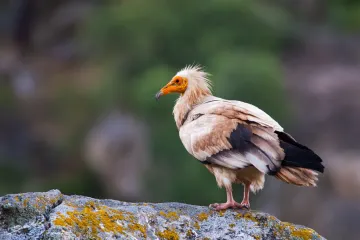
Before a vulture can settle into a stable pair bond and begin breeding, it must reach maturity, a process reflected dramatically in its appearance. Young Egyptian vultures have dark brown plumage, often mottled with white patches, especially on the thighs and underwings. [4][6] This juvenile coloring provides camouflage, which is useful when they are first starting out in the messy world of scavenging. [4] It takes a significant amount of time for them to transition to the distinctive adult appearance. Adult birds display a pale, creamy-white body, contrasted sharply by black flight feathers on their wings. [4][7] This full adult plumage, which signifies sexual maturity, is not generally achieved until they are around five years old. [4][6] Therefore, the "mating for life" commitment usually begins well after they have left their natal territory and established their own independent existence. [7]
# Dietary Range
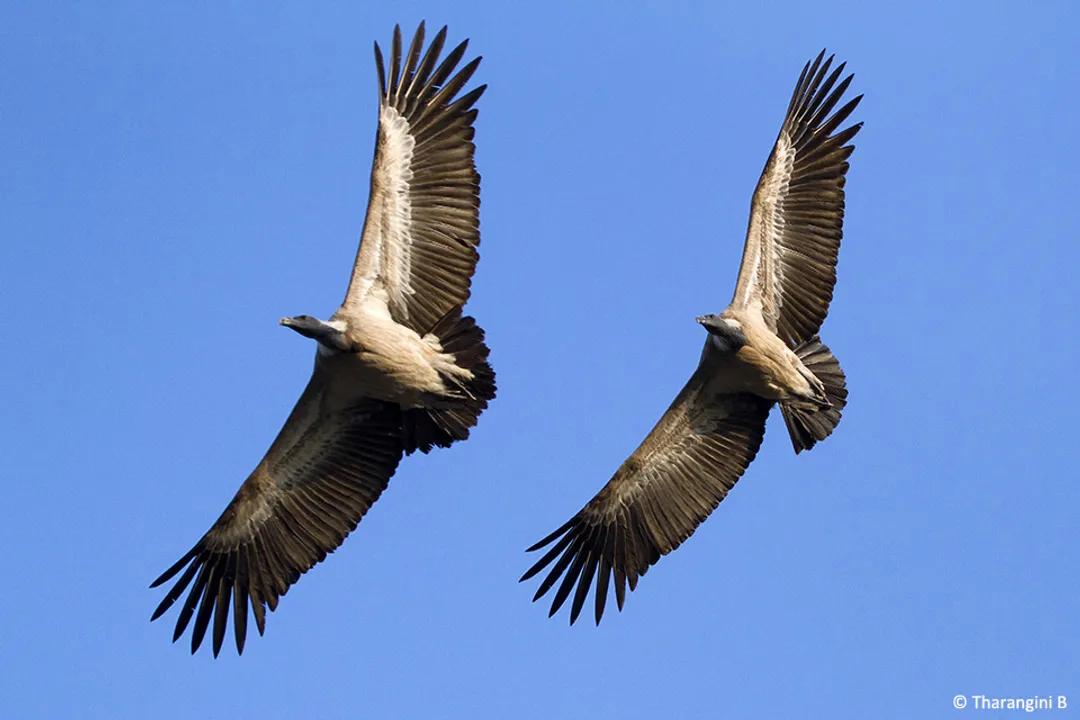
The Egyptian vulture occupies a specialized niche within the scavenging community, often filling roles that larger vultures might overlook. Their diet is quite varied, encompassing carrion—the flesh of dead animals—which they share with other vultures. [7] However, they are also known to consume insects, small reptiles, and even the eggs of other birds. [7] This adaptability allows them to survive even when large carcasses are scarce. One of their most well-documented behaviors is their inventive use of tools, a trait that sets them apart.
# Stone Use
The behavior involving the use of stones as tools is a hallmark of the Egyptian vulture’s intelligence and adaptability. [3] When faced with a thick-shelled egg, such as that of an ostrich, instead of simply trying to break it open by force, the vulture will pick up a stone in its beak and deliberately drop or throw it at the egg until it cracks. [3] This action is not random pecking; it requires the bird to select an appropriate tool, gauge the distance, and apply force accurately. [3] While their social life revolves around the cooperative raising of young, this foraging technique highlights an impressive capacity for individual problem-solving that doesn't rely on the presence of a partner. [2][3] This contrast—deep social cooperation for breeding set against high individual ingenuity for feeding—provides a rich picture of their behavioral ecology.
# Conservation Risks
Despite their long-term commitment to their mates and their cleverness in finding food, Egyptian vultures face severe challenges across their wide range, which spans from Europe and Africa into Asia. [1][5] They are currently listed as Endangered on the IUCN Red List. [1] The threats they encounter are varied and serious. Poisoning, whether intentional or accidental through livestock carcasses treated with veterinary drugs, is a major cause of adult mortality. [9] Habitat loss and degradation also play a part, as does the depletion of food sources. [9] In areas like the Balkans, while conservation efforts have shown signs of hope—such as successfully tracking breeding pairs—the overall population remains precarious. [9] The very nature of their long-term monogamy, while beneficial in stable environments, can become a vulnerability when mortality rates spike due to human activity. If one member of a dedicated pair succumbs to poisoning or electrocution, the remaining bird faces a significant reproductive gap, potentially delaying the successful establishment of a new breeding unit for several seasons, thus slowing population recovery. [1][9]
# Habitat Breadth
The Egyptian vulture demonstrates a willingness to nest across a variety of precarious structures. While they historically favored natural cliff faces for their nests, [1] they are also highly adaptable, readily utilizing man-made structures like old buildings or ruins when suitable cliff ledges are unavailable or too exposed. [1][5] Their distribution is vast, covering parts of Southern and Eastern Europe, North Africa, and Asia. [7] This extensive range means that conservation strategies must be tailored to local pressures, as the primary threat in one region (e.g., poisoning from diclofenac in South Asia) might differ from the main threat in another (e.g., collision with power lines in European migratory corridors). [9] Understanding their preference for both high, secure nesting sites and their reliance on scavenging across wide territories is key to designing effective protection measures for these devoted partners. [5]
Related Questions
#Citations
Egyptian Vulture | The Peregrine Fund
Egyptian Vulture Bird Facts - Neophron percnopterus - A-Z Animals
Egyptian vulture | Research Starters - EBSCO
Valentine's Day and Vultures - Arulagam
Egyptian Vultures | Edinburgh Zoo - Earth Life
Egyptian Vulture - Creatures of the World Wikia - Fandom
The Vulture Story - JLR Explore
Egyptian Vulture - Facts, Habitat, Behavior, Diet, Pictures - Animal Spot
The Egyptian Vulture on the Balkans – a hopeful but perilous ...