Do echidnas live in the US?
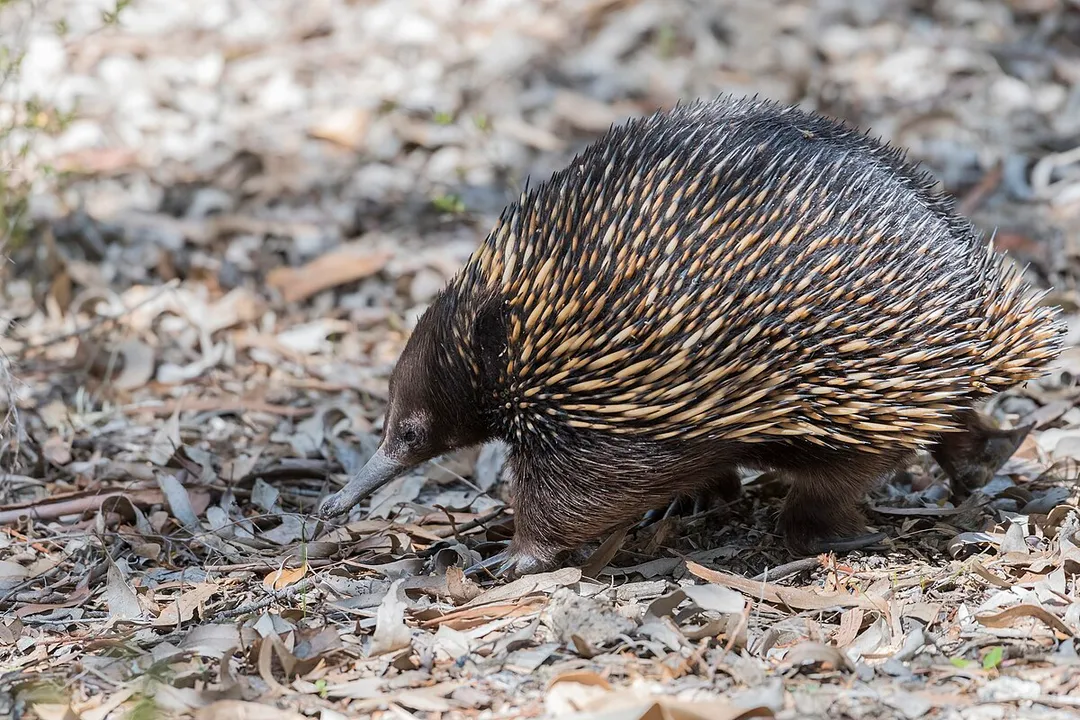
The creature in question, the echidna, is a highly specialized mammal that often sparks curiosity due to its unique appearance, resembling a cross between a hedgehog and a porcupine, although it is not closely related to either. [1][9] These spiny, egg-laying animals belong to the order of monotremes, placing them in an ancient lineage that shares the earth with only one other group—the platypus. [9] To understand whether they reside in the United States, one must first pinpoint their ancestral home and then examine their modern distribution, which spans both natural habitats and carefully managed captive environments.
# Natural Habitat
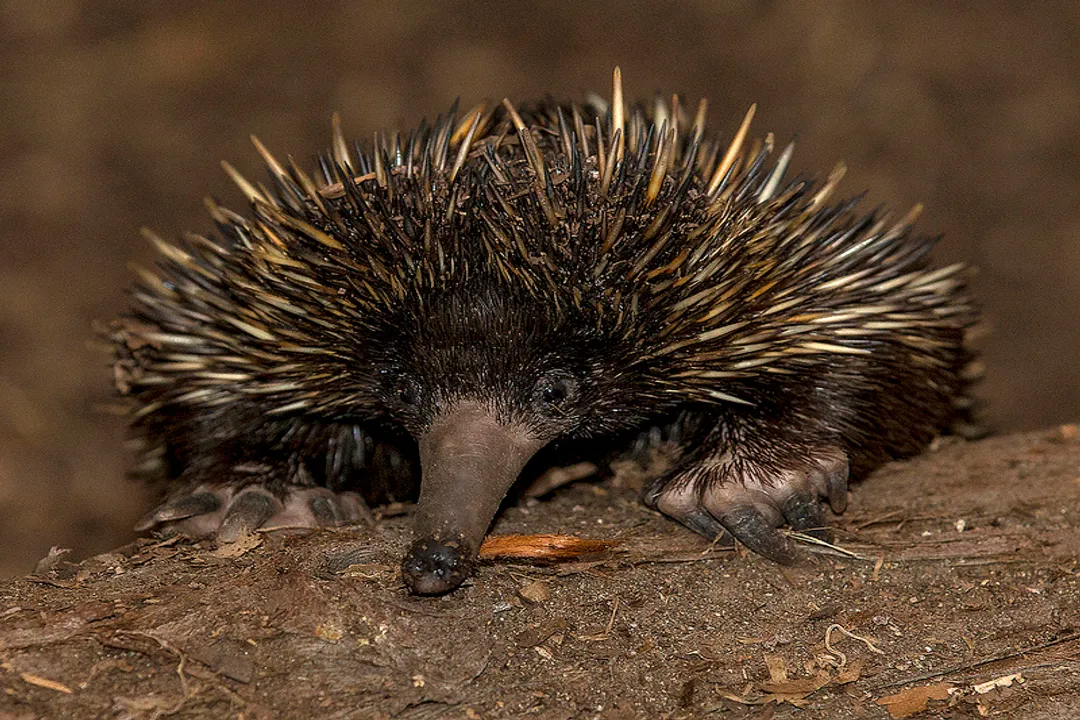
Echidnas are unequivocally endemic to the Australasian region, specifically Australia and the island of New Guinea. [1][2][6][7][8][9] The family Tachyglossidae, which encompasses all echidna species, is geographically restricted to this part of the world. [7] This natural range dictates where these animals evolved and adapted over millennia to thrive in their local ecosystems. [1]
# Species Distribution
The term "echidna" covers four recognized species split between two genera: the short-beaked echidna (Tachyglossus) and the long-beaked echidnas (Zaglossus). [1] The distribution of these groups highlights their exclusivity to the Old World. The short-beaked echidna has the broader range, inhabiting eastern Australia, Tasmania, and New Guinea. [2][7][9] They are remarkably adaptable, surviving in a wide variety of environments across this territory, from arid zones to cooler, wetter habitats. [8] In contrast, the long-beaked echidnas are more geographically constrained, found exclusively in the remote highland regions of New Guinea. [6][7]
The native existence of these animals relies on specific ecological conditions, including the availability of their primary diet: ants and termites. [6] Without these staple invertebrates, their specialized, long-snouted method of foraging becomes ineffective. This deep evolutionary tie to their native soil and its insect populations is a major factor in why they do not naturally occur elsewhere on the planet, including the Americas. [1]
# US Captivity

While no natural, established wild populations of echidnas are found in the United States, they are certainly present within the country's borders as residents of accredited zoos and conservation facilities. [3][5] These institutions house echidnas, primarily the short-beaked species, for educational outreach, species survival planning, and public appreciation of monotremes. [9]
# Notable Residents
Zoos across the US have cared for echidnas for decades, providing a window into this unusual mammalian group for visitors who would otherwise never see one. [5] For instance, records show that an echidna made its way to the Houston Zoo as early as 1992. [5] More recently, zoos continue to welcome these unique residents; one facility reported the arrival of a short-beaked echidna in 2021. [3] These animals are typically acquired through regulated transfers between accredited institutions, ensuring that their care meets high standards for welfare and husbandry. [2]
The presence of echidnas in US zoos is important because they represent one of the world's most ancient lines of mammals. [9] For the general American public, the only tangible experience with these creatures comes from these managed settings, where experts can study their unique reproductive and physiological traits firsthand. [1]
# Establishing Wild Populations
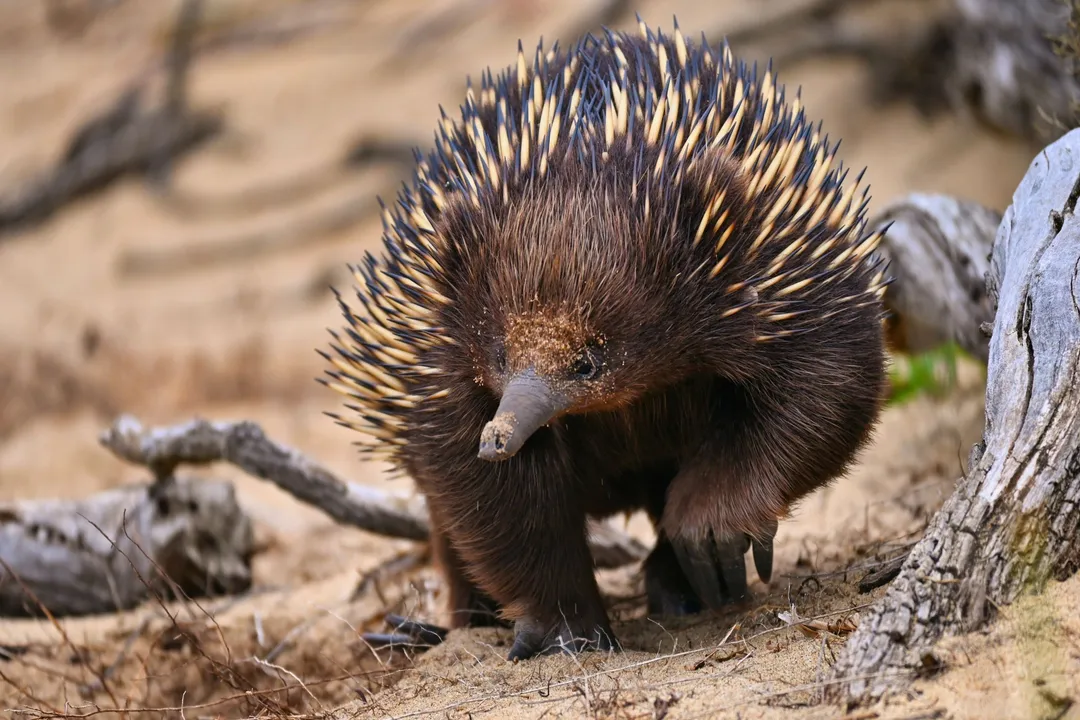
The prospect of echidnas living wild in the United States—meaning self-sustaining, breeding populations established outside of human care—is effectively nil based on established biology and geography. [1][7] Echidnas are not native to North America, and successful establishment of a non-native species in the wild requires two primary factors: a hospitable climate and an adequate food supply, neither of which is easily replicated or guaranteed outside their native range. [8]
Echidnas, particularly the short-beaked species, show adaptability in temperature regulation, often burrowing or seeking shade to cope with temperature fluctuations. [8] However, their reliance on specific soil conditions to access their insect prey, combined with the distinct seasonality and pathogen load of North American environments, makes a natural colonization highly improbable. [6] The animals housed in zoos require careful environmental control to mimic the narrow parameters they need to thrive, further underscoring the difficulty of survival in an uncontrolled environment like the American wilderness. [2]
An interesting ecological consideration is the role of native North American spiny mammals, such as porcupines. While an echidna and a porcupine might seem superficially similar to an untrained eye, they occupy entirely different evolutionary niches. [1] Introducing an echidna into an existing ecosystem could have unpredictable competitive effects, even if the animal managed to survive the initial climate shock. Their diet is too specialized to compete broadly with generalist insectivores, but their presence as a novel consumer of ant and termite species could theoretically impact local invertebrate dynamics, though this remains a hypothetical concern given the lack of established populations. [6]
# Conservation and Trade

Despite being relatively common in their native lands, the movement of echidnas across international borders is heavily regulated. [4] The presence of echidnas in US zoos is therefore a managed event, not a natural occurrence, and this distinction is crucial when discussing conservation ethics and illegal trade.
# Illegal Movement
A significant issue surrounding the international trade of some animals from Australia involves the illegal movement of species. Reports have surfaced concerning the practice of "laundering" captive-bred animals to disguise their origins, which sometimes includes the short-beaked echidna. [4] This illicit trade channels animals out of their native environment through potentially deceptive means, often bypassing international protection protocols and veterinary checks necessary for safe transport. [4] This fact serves as a stark reminder that while some US facilities are legitimate homes for these creatures, the global trade network harbors darker elements. [4] For reputable institutions, transparency regarding the acquisition of animals like the echidna is essential to maintaining public trust and upholding animal welfare standards. [2]
The strict controls placed on exporting native Australian wildlife mean that any echidna residing legally in the US has almost certainly undergone a rigorous process involving international permits, veterinary clearance, and placement in a facility capable of meeting its unique biological requirements. [9] If an American encountered an echidna in an unsanctioned setting—for instance, advertised online or sold outside of AZA-accredited institutions—it would be an immediate indicator of illegal activity, as these animals do not exist naturally in the US ecosystem. [4]
In summary, if one is looking for echidnas in the United States, the search must be directed toward the exhibits of accredited zoos, where they are maintained as unique representatives of the world's monotremes. [3][5] They do not roam the forests or plains of America; their evolutionary story is intrinsically tied to the soils of Australia and New Guinea. [1][7] Their conservation story in the US is one of managed care, education, and strict adherence to international wildlife protocols designed to protect their native populations from illegal exploitation. [4] This dichotomy—a creature entirely foreign to American soil yet viewable in American cities—is what defines the echidna's unusual status in the US context. This contrast provides an excellent opportunity for zoo educators to discuss biogeography and evolution, explaining why this fascinating mammal is found here only by human design, not by natural dispersal.
Related Questions
#Citations
Echidna - Wikipedia
Short-Beaked Echidna - Brookfield Zoo
Echidna Moves To Zoo
Where are 'captive-bred' echidnas coming from?
Echidnas make move from down under - Chron
Echidna facts and info! - WildFact
Tachyglossidae (echidnas) | INFORMATION - Animal Diversity Web
Echidna Fact Sheet | Blog | Nature - PBS
Short-beaked Echidna (Tachyglossus aculeatus) Fact Sheet: Summary