Is the echidna only found in Australia?
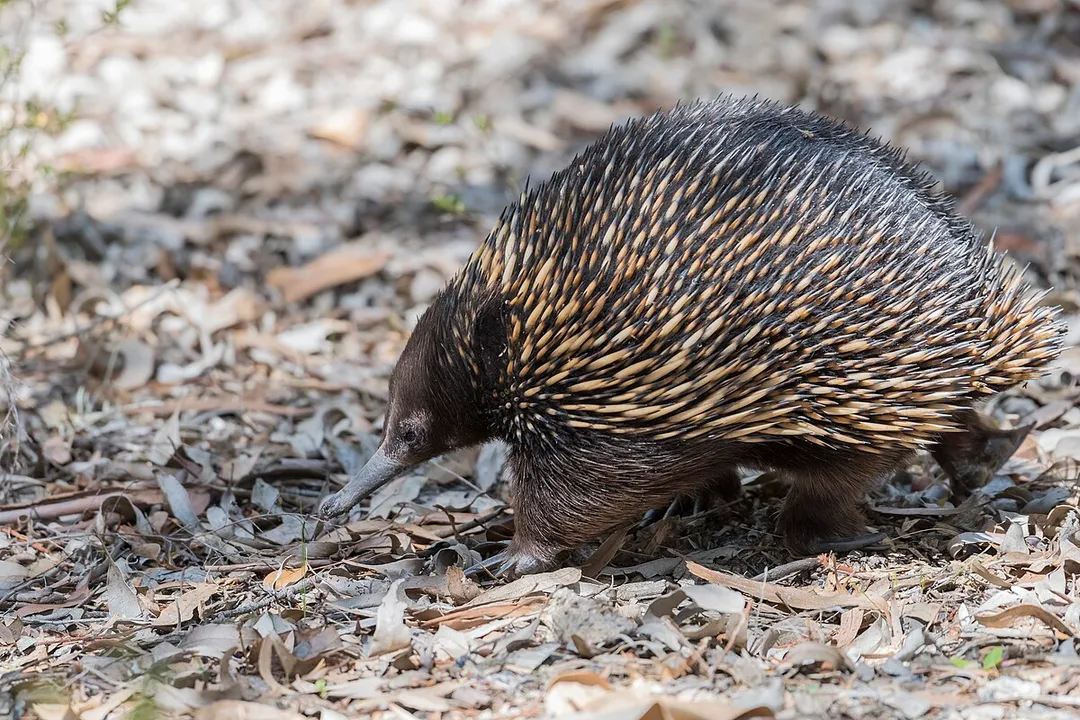
The spiny, egg-laying mammal often pictured in Australian textbooks actually maintains a territory that extends beyond the shores of the continent. While Australia is home to the most well-known variety, the echidna lineage is shared with the island nation of New Guinea. [1][2][5][6][8][9] This places the echidna group firmly in Australasia, not exclusively on one landmass. [1][6] Understanding where they live requires looking at the two main types of echidna that currently survive: the short-beaked and the long-beaked species. [1]
# Wider Range

The primary confusion likely stems from the immense success and visibility of the short-beaked echidna (Tachyglossus aculeatus) across the Australian mainland. [1][2] This species is highly adaptable and can be found throughout most of Australia, including Tasmania and Kangaroo Island. [4] They are not confined to the arid center or the wet rainforests; rather, they inhabit coastal areas, sclerophyll forests, and even semi-arid zones. [2][4] In contrast, the three species belonging to the Zaglossus genus, the long-beaked echidnas, are endemic to New Guinea. [1][5] This geographical split means that while the Australian species is generally abundant, its closest relatives reside on a separate landmass. [1][6]
# Two Groups
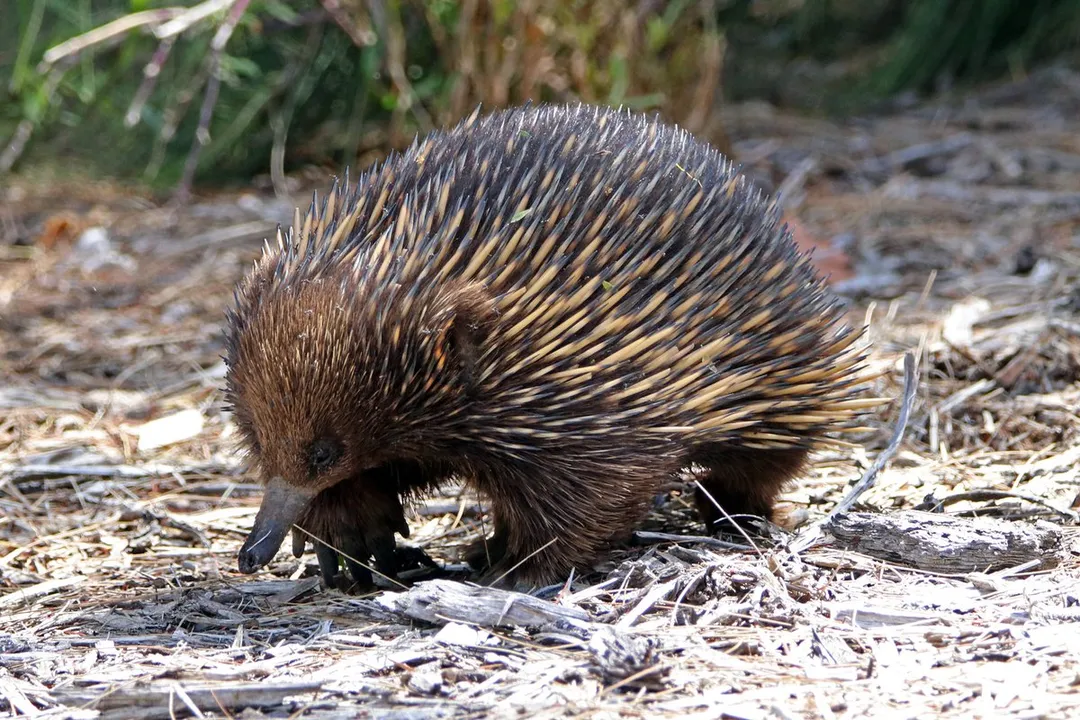
The echidna belongs to the order Monotremata, placing it in an ancient and unique branch of the mammalian family tree, sharing this distinction only with the platypus. [3][6] Within the surviving monotremes, the echidnas themselves split into two distinct groups based primarily on bill length and geographical location. [1] The short-beaked echidna is the one most frequently sighted and studied, as it occupies the vast and accessible Australian landscape. [2][4] It is characterized by its shorter snout, which it uses to probe for ants and termites. [2]
The long-beaked echidnas, on the other hand, inhabit the rugged terrain of New Guinea. [1][5] These species have significantly longer snouts, which they reportedly use to delve deeper into decaying logs and soil for earthworms and other invertebrates. [1] While both are covered in sharp spines for defense, the physical differences reflect adaptations to their respective environments and food sources. [8]
# Mammal Type
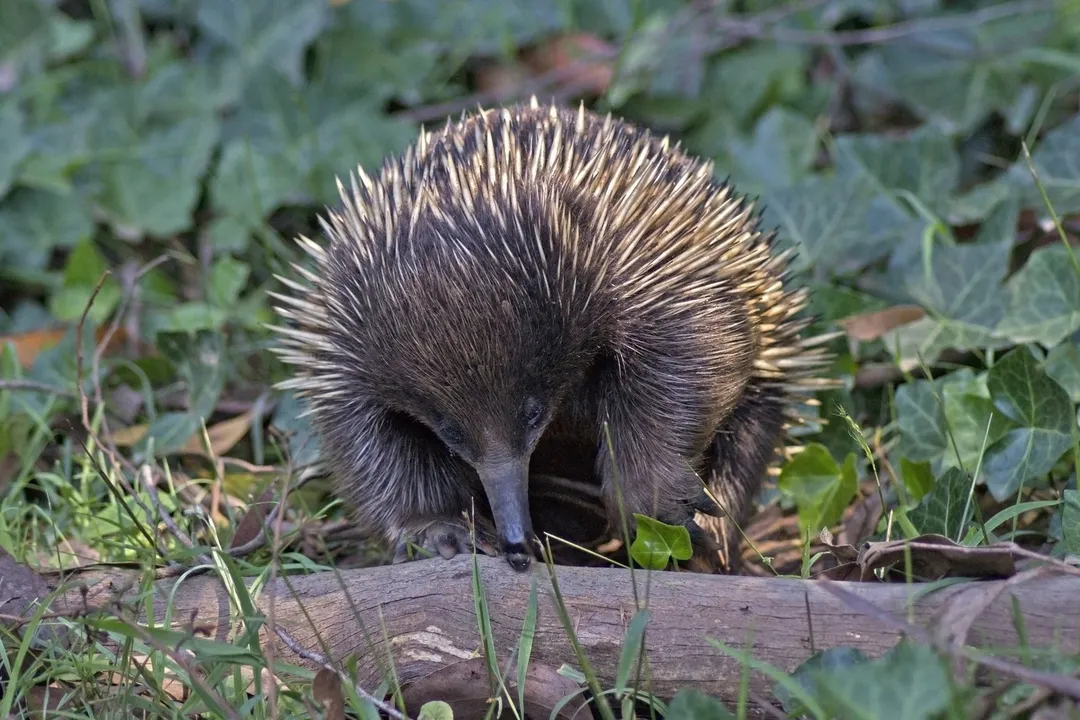
It is worth emphasizing that echidnas are monotremes, a group defined by the trait of laying eggs rather than giving live birth—a characteristic shared with the platypus. [2][3][6][9] After hatching, the young, called puggles, are nourished with milk secreted through specialized patches on the mother's skin, as monotremes lack nipples. [2] This unique reproductive strategy, combined with their insectivorous diet and dense coat of spines, sets them apart from placental mammals. [8] The fact that this entire group of mammals is restricted to the Australian region and New Guinea underscores the deep evolutionary history these lands share. [1][6]
# Adaptable Life
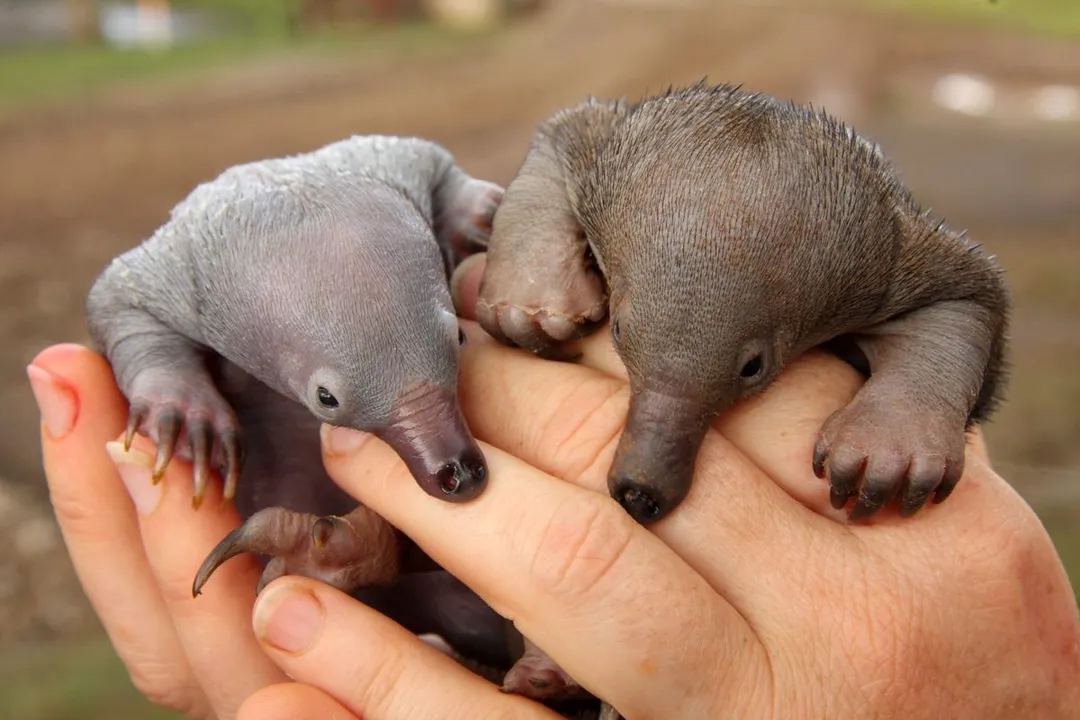
The general hardiness of the short-beaked echidna contributes to the perception that they are exclusively an Australian fixture. [4] They are known to thrive in environments ranging from high alpine areas to hot deserts. [2] Their ability to enter a state of torpor, slowing their metabolism to survive cold snaps or periods of food scarcity, allows them to persist where other mammals might struggle. [4] This adaptability has enabled the short-beaked species to spread widely across the varied Australian habitats. [2][4]
It is fascinating to consider how environmental factors might influence the visibility of the different species. While the Australian species is widespread, sightings can still be relatively rare, leading some observers to wonder about their local abundance. [5] If one were seeking to observe Tachyglossus aculeatus in Australia, looking near rocky outcrops or fallen logs provides the highest probability, as these structures offer immediate shelter from predators like dingoes or birds of prey, a behavior common across its range. [4] The scarcity reported for the New Guinea species may relate more to their remote habitat, the dense forest cover, and potentially higher predation pressures in specific areas, rather than a fundamental lack of existence. [5]
# Distribution Contrast
While the short-beaked echidna is widespread and relatively common across diverse Australian terrains, the long-beaked species in New Guinea are far less frequently encountered, often leading researchers to treat them as critically rare, even though they share the same basic mammalian order. [1][6] This contrast in public awareness and confirmed population density between the two geographical locations reinforces the idea that the Australian population is the only significant one, even though the genus as a whole clearly spans both regions. [5] The long-beaked echidnas are specialized inhabitants of montane forests and woodlands, which are inherently harder for human observers to survey extensively compared to the mixed agricultural and bushland areas where the short-beaked species thrives in Australia. [1]
# Observation Tips
For the casual wildlife enthusiast visiting Australia, spotting an echidna is often a matter of patience and knowing where to look, even though they are generally shy animals. [2] They spend much of their time foraging during the cooler parts of the day—early morning and late afternoon—and will often retreat into hollow logs or dig shallow depressions when disturbed or when temperatures rise. [2] Outside of the Australian context, encountering a long-beaked echidna requires travel to the highlands of New Guinea, making those populations more mysterious to the global audience that knows the Australian counterpart. [1][5] The presence of both the Tachyglossus and Zaglossus genera confirms that the echidna's natural home is not confined to just one continent, but rather to the broader Australasian biogeographical zone. [1][2]
Related Questions
#Citations
Echidna - Wikipedia
Short-beaked Echidna - The Australian Museum
The Australian Echidna is one of few living species of monotreme ...
Short-beaked Echidna | Bush Heritage Australia
Why is it rare to see an echidna in Australia, but not in Papua New ...
Ten reasons to love echidnas | Natural History Museum
The short-beaked echidna is a small, spiny mammal native to ...
Why the Echidna is Australia's Most Delightfully Different Mammal
Echidna - San Diego Zoo Wildlife Explorers