Where can I find cormorants?
Spotting a cormorant, whether in a nature documentary or while out near a major body of water, often leads to the immediate question of where one might regularly find these distinct, dark-plumed waterbirds. Their presence is tied closely to aquatic environments, but the specific type of water—salt versus fresh—and the geographical region heavily influence your search area. [2][7][9] For those seeking them in the wild across North America, the Double-crested Cormorant offers the widest net, covering nearly all of the United States and southern Canada year-round in some areas, or seasonally when breeding or migrating. [2]
# Inland North America
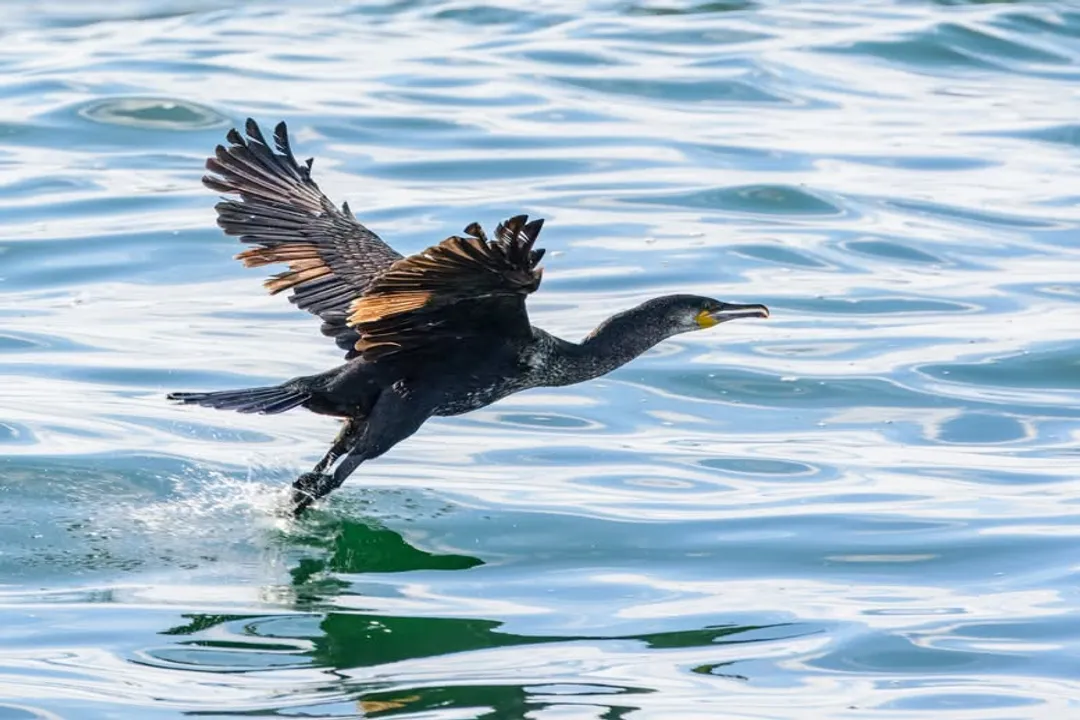
The Double-crested Cormorant is perhaps the most frequently encountered species across the continent due to its adaptability. [2][7] If you are in the interior of the continent, this is likely the bird you will see. For example, observers in states like Ohio will find them congregating along large rivers, reservoirs, and the shores of the Great Lakes, such as Lake Erie. [6] Their habitat is broad, including inland rivers, lakes, and reservoirs, alongside coastal settings. [7] If your interest lies in the far north, such as Alaska, you must be more specific: the Double-crested species tends to prefer freshwater, inland locations, contrasting with its strictly marine counterpart, the Pelagic Cormorant. [9] A key takeaway for general searching is that if you are near any substantial, fish-rich water source in the US or southern Canada, there is a high probability a cormorant might be present or passing through. [2]
# Behavioral Clues
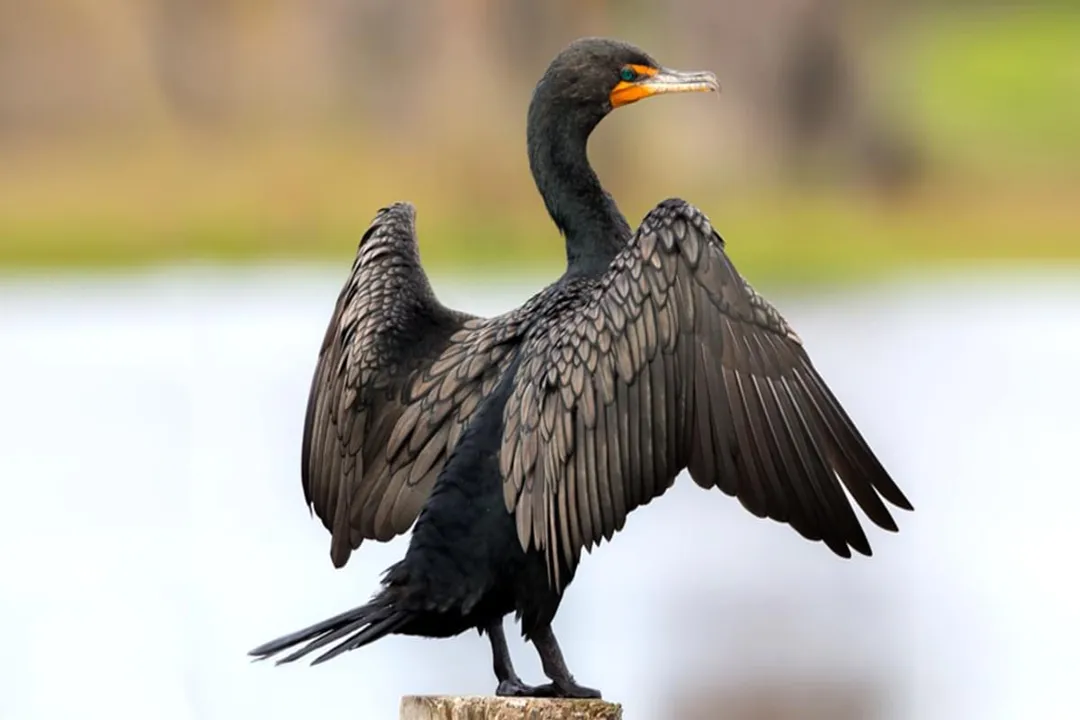
Knowing where they are is only half the battle; knowing what they look like when they are there helps immensely in locating them, especially when they are not actively swimming or diving. [4] Cormorants possess less oil in their feathers compared to ducks, which aids in diving but necessitates frequent drying time. [6] This leads to one of the most reliable field marks: seeing them perched upright, often near the water's edge, with their wings spread wide open in a characteristic sunbathing posture. [6] When searching near water bodies, look for exposed snags, prominent rocks, posts, or isolated branches that break the water surface; these often serve as preferred drying stations away from dense foliage, making the birds surprisingly visible if you know what posture to expect. [7] They require these exposed spots, sometimes nesting on cliffs, remote islands, or in trees close to the water. [7]
# Marine Specialists
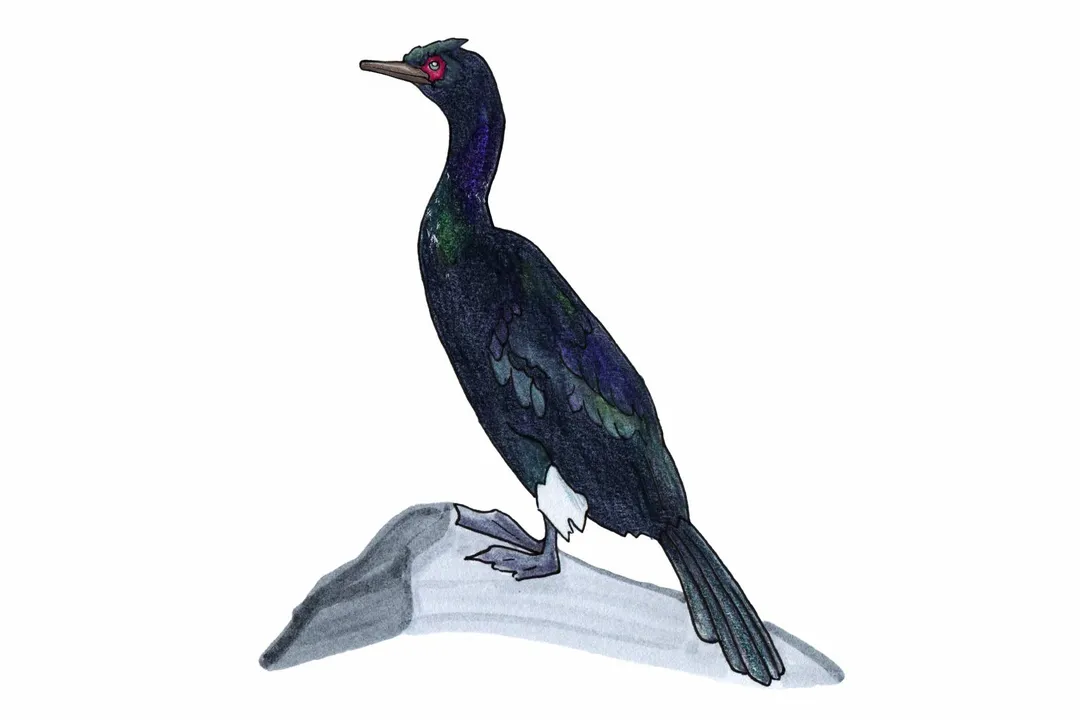
Moving toward the coastlines or into distinctly oceanic environments, the species you seek might shift. While the Double-crested Cormorant can be found near the coast, certain regions host species specialized for saltwater fishing. In the Alaskan context, for instance, the Pelagic Cormorant is strictly a bird of the open ocean and coast, distinguishing it clearly from its freshwater-favoring cousin. [9] This geographic split is an important consideration; if you are observing a sea cliff rookery along the Pacific coast, you are much more likely to be looking at the Pelagic, whereas a sighting on an inland reservoir points firmly toward the Double-crested. [9]
# Digital Waterways
For those who spend their time in the digital realm of video games, specifically Red Dead Redemption 2, the search locations shift from real geography to the game map, yet they still adhere to similar ecological rules. [1][5] In this virtual environment, players hunting for cormorants, often required for daily challenges or crafting, frequently report success near large bodies of fresh water. [5][8] Consistent hotspots named by players include the shores of O'Creagh's Run and the frigid vicinity of Lake Isabella. [1][5] Other reliable spots include the Elysian Pool and along the Lower Dakota River. [5][8] Further south, the San Luis River and the waters surrounding Flat Iron Lake also host populations. [1][5] Notice how even in the game world, the best spots like O'Creagh's Run and the Elysian Pool are significant freshwater bodies, mirroring the real birds' preference for large inland waters, reinforcing the connection between cormorant habitat and significant, fish-filled environments, whether simulated or natural. [1][8]

# Practical Search Strategy
To maximize your chances of a sighting, whether preparing for a birding trip or a virtual hunt, structure your observation around water and perching structure. [2][7] In the real world, always check major lakes, reservoirs, and slower-moving, fish-rich rivers during the appropriate season for your latitude. [2] If you see a collection of dark, upright shapes sitting on pilings, docks, or bare trees jutting out over the water, you have likely found a cormorant roost or drying spot. [6] This behavior makes them surprisingly easy to spot from a distance once you are looking for that specific silhouette rather than just a swimming bird. [6] If you are focusing on a specific area, check coastal maps against inland maps; your location dictates which species—marine or freshwater adapted—you should expect to find. [7][9]
#Videos
RDR2 Cormorant Locations Red Dead Online Daily Challenges
Related Questions
#Citations
Cormorant | Red Dead Wiki - Fandom
Double-crested Cormorant Range Map - All About Birds
RDR2 Cormorant Locations Red Dead Online Daily Challenges
Identifying cormorant species in Massachusetts - Facebook
Cormorant locations for today's Daily Challenges : r/RedDeadOnline
Double-crested Cormorant | Ohio Department of Natural Resources
Double-crested Cormorant | Audubon Field Guide
Double-crested and Pelagic Cormorants