Where are the wild horses in Canada?
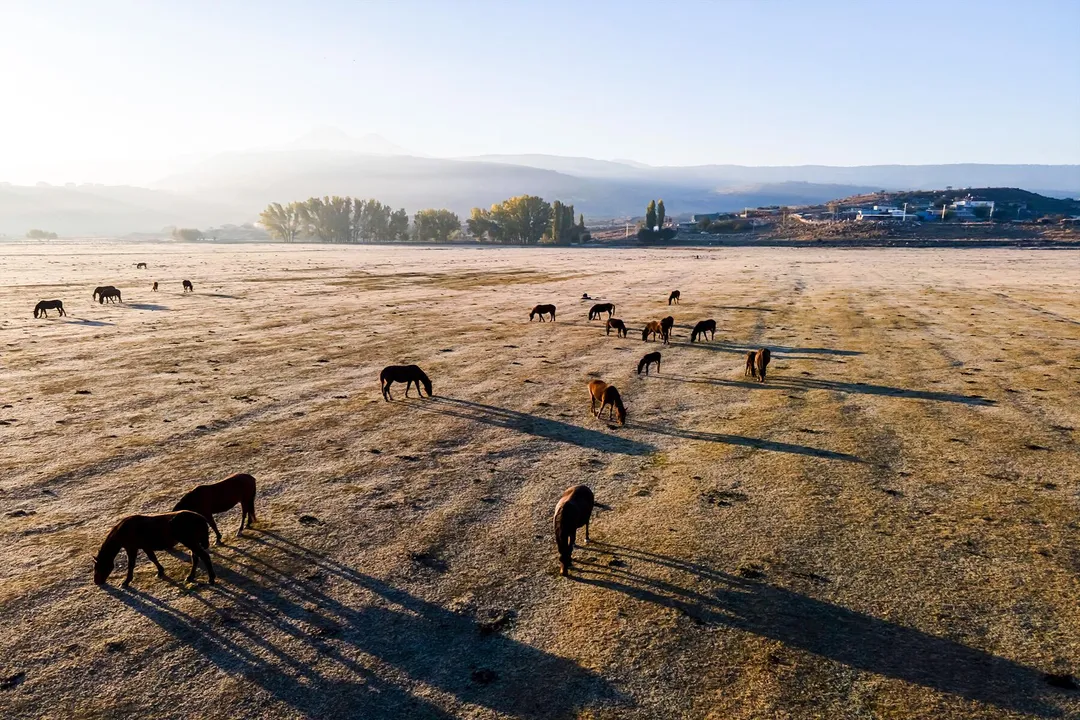
The romance associated with untamed horses roaming free across the Canadian landscape draws the eye, conjuring images of vast, untamed wilderness. While Canada might not host the massive herds found in some parts of the American West, there are specific, fascinating locations where these equines persist today, though their status—wild versus feral—is often a subject of careful definition. The most prominent and scientifically documented population resides on a remote sliver of sand far off the Atlantic coast.
# Island Sanctuary
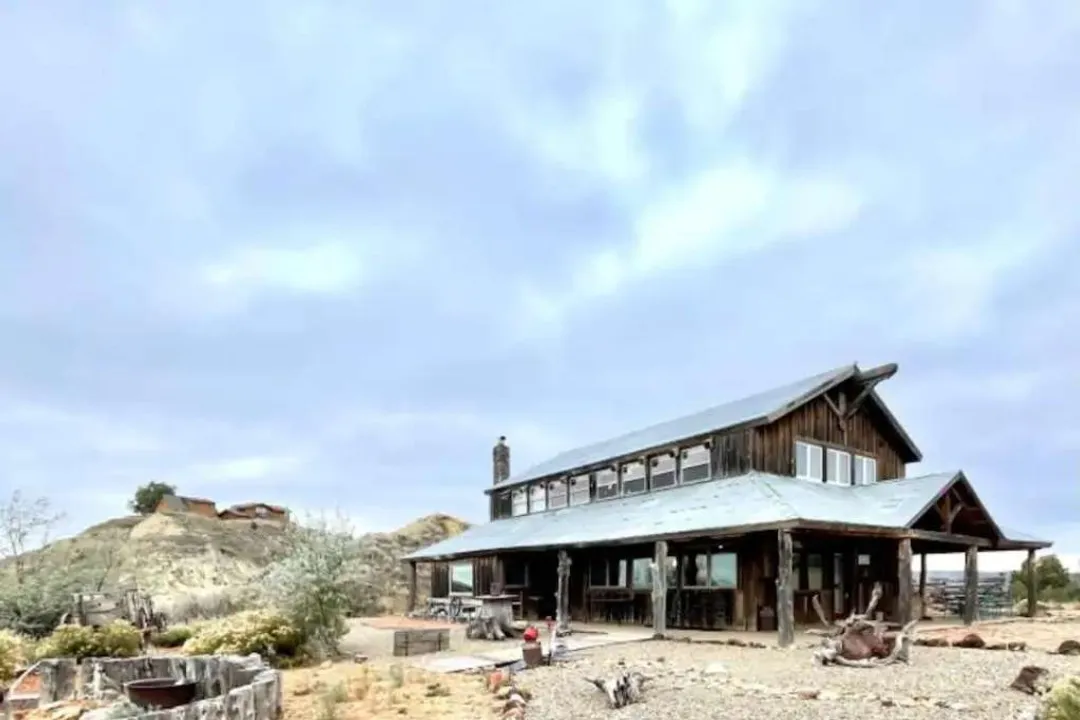
The name most synonymous with Canadian wild horses is Sable Island, officially the Sable Island National Park Reserve, located off the coast of Nova Scotia. This narrow, crescent-shaped sandbar is unique, not only for its equine residents but also for its delicate, isolated ecosystem that has allowed these animals to thrive with minimal direct human intervention for centuries.
These horses are not truly "wild" in the strictest biological sense, as they are descendants of domesticated stock. Their ancestors arrived on the island likely through shipwrecks over time, with some suggestions pointing to initial introductions as early as the mid-18th century. Despite this history, they live without human interference or care, leading them to adopt behaviors typical of a wild population. They have developed a unique genetic profile shaped by their isolation on this challenging environment.
Parks Canada now manages the island as a National Park Reserve, and the horses fall under their stewardship. While they roam freely, their presence is monitored, and management strategies are employed to maintain a sustainable population size relative to the island’s carrying capacity. Those fortunate enough to visit—which is highly regulated—often report an emotional thrill, capturing images of the horses digging in the sand or navigating the dunes.
# Alberta Herds
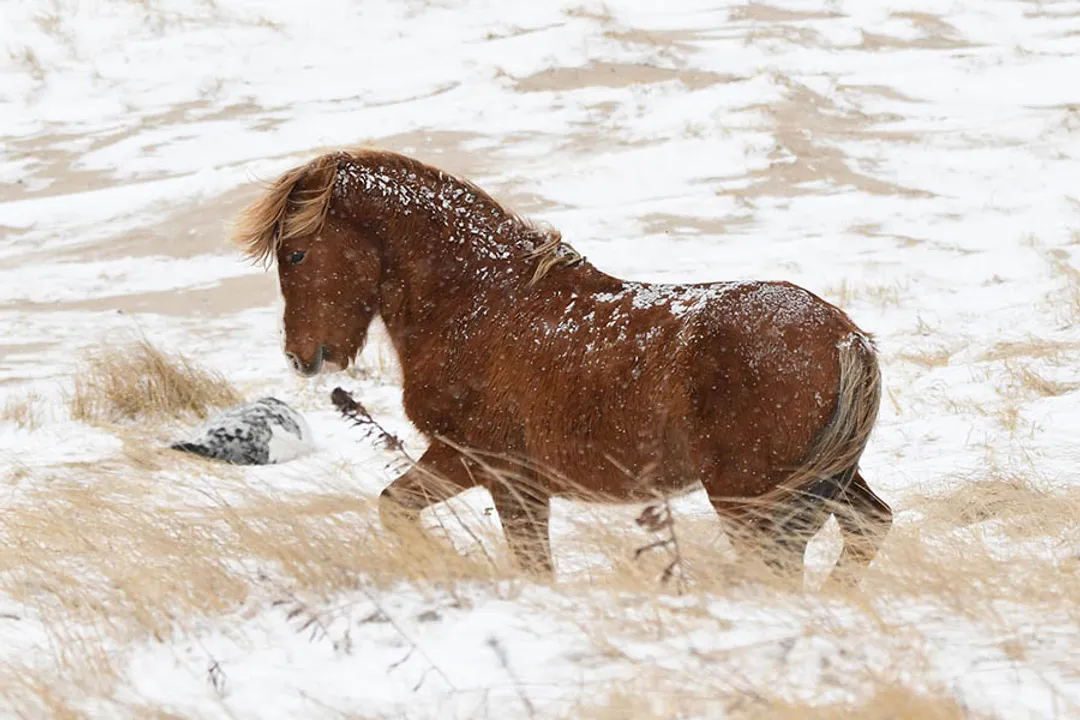
While Sable Island commands significant attention, the dream of seeing wild horses in a more terrestrial, mainland setting draws visitors to other provinces. Reports confirm the presence of wild horses in Alberta. These Alberta populations represent a different management context than those on the federally protected Sable Island.
The experience of discovering the "wild horses of Alberta" is often described as a majestic journey into Canada's untamed heart, suggesting expansive natural settings where these animals live outside of direct control. Unlike the island horses, which are confined by water, Alberta's herds navigate grasslands and potentially forested areas, adapting to a continental climate rather than a purely maritime one. Comparing the two environments—the fragile, isolated dune system of Sable Island versus the expansive, diverse terrain of inland Alberta—highlights how varied the definition of a "wild horse habitat" can be across the country.
# Terminology Matters
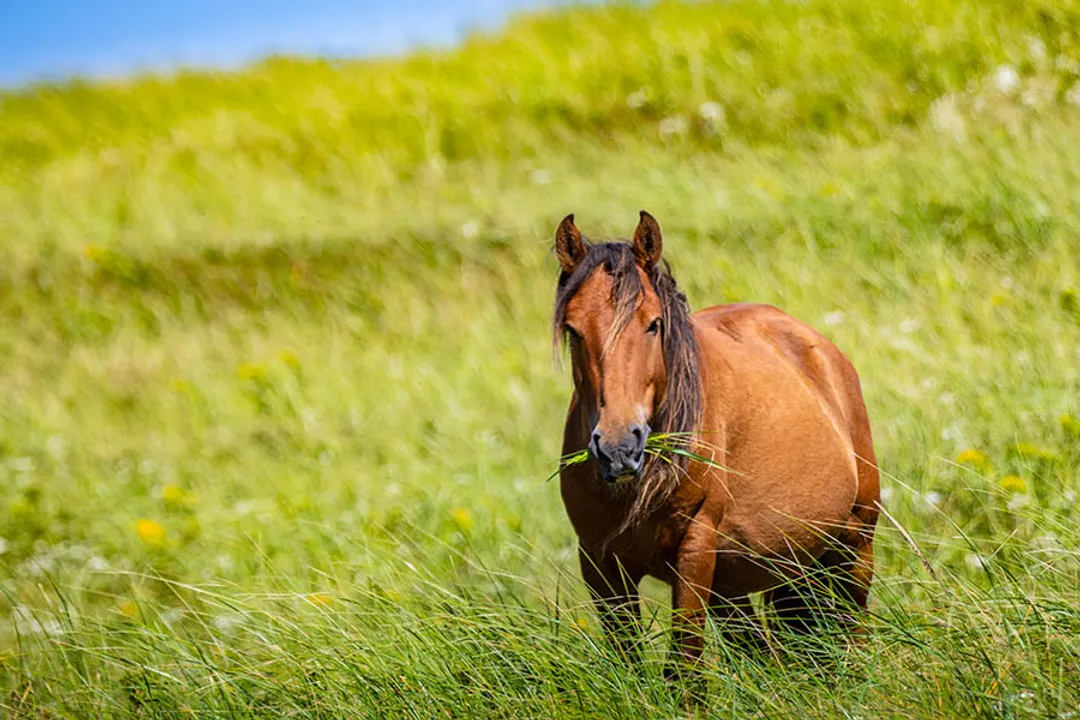
Understanding the terminology used around these groups is essential for appreciating their status. Most sources agree that the horses in Canada, including the Sable Island population, are more accurately classified as feral rather than genuinely wild. A truly wild horse is a species that has never been domesticated, like the Przewalski's horse. Feral horses, conversely, are descendants of domesticated animals that have returned to a wild state.
This distinction is not merely semantic; it directly impacts conservation and management approaches. Because the Sable Island horses are descendants of domestic stock, they are managed by a government body as part of the park reserve’s ecological integrity, rather than being treated as a native, protected species requiring blanket protection from human interference.
# Management and Controversy
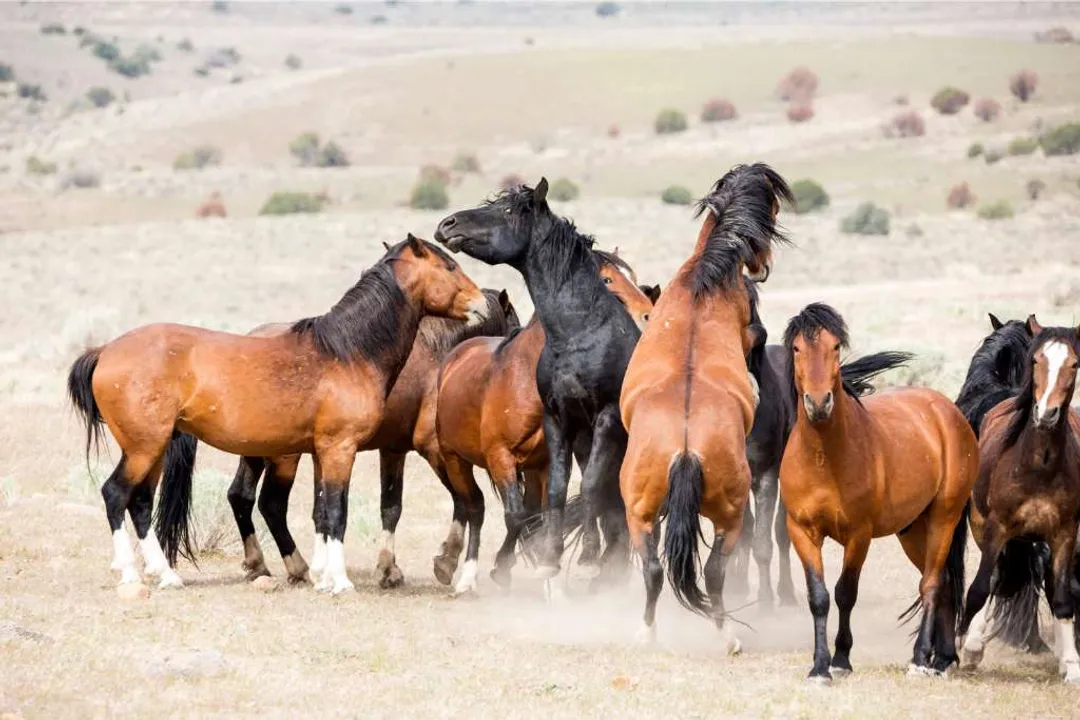
The mere existence of these herds sparks necessary debate about conservation and ecological impact. On Sable Island, population control is a reality. While they live without direct human interference in their daily lives, their numbers are monitored and sometimes adjusted to prevent overgrazing or starvation, a difficult balance for any land manager.
It is worth noting the regulatory difference: Sable Island falls under the jurisdiction of Parks Canada as a National Park Reserve, providing a very specific context for management decisions. Herds located on provincial or Crown lands, such as those potentially in Alberta, would fall under different provincial regulations regarding livestock and wildlife management, which can lead to varying levels of public involvement and controversy. The discussion surrounding where to find wild horse herds in Canada often circles back to these differing management philosophies and the perceived controversies they generate.
For anyone hoping to observe these animals respectfully, especially on Sable Island, it requires understanding that you are entering a protected national reserve with strict guidelines in place to protect both the ecosystem and the horses themselves. The animals are an attraction, yet their survival depends on maintaining the integrity of their environment, meaning observation must be done from a respectful distance, adhering strictly to park regulations regarding approach and interaction. Observing the horses in Alberta also requires respecting private land boundaries or following guidelines for accessing public lands where they range.
# Respectful Observation
If you are planning any trip with the goal of seeing these magnificent animals, it is wise to center your efforts on the officially recognized areas, primarily Sable Island, which requires specialized, regulated access, or researching current land use guidelines for the Alberta ranges. A key consideration for any visitor, even those viewing from a distance or through specialized tours, is recognizing the fragility of their habitat. On Sable Island, for instance, the sand dunes are their entire world; excessive disturbance by vehicles or even prolonged human presence near foraging areas can stress the herd and damage the specialized vegetation they depend upon.
When seeking out these animals, remember that the privilege of witnessing them stems from their ability to survive in challenging conditions, not from their habituation to people. Respecting their space ensures their status as "wild" in behavior endures.
The continued presence of these Canadian equines, whether on the lonely dunes of Nova Scotia or across the plains of Alberta, offers a tangible link to a bygone era, albeit one shaped by shipwrecks and adaptation. Their stories are woven into the geography, demanding a balance between public appreciation and ecological preservation.
#Videos
Land & Sea: The captivating feral horses of Nova Scotia - YouTube
Related Questions
#Citations
Horses - Sable Island National Park Reserve
Protecting Wild Horses in Alberta (& Canada) - Zoocheck
Sable Island horse - Wikipedia
9 Places Where Wild Horses Roam Free in the USA and Canada
Land & Sea: The captivating feral horses of Nova Scotia - YouTube
Discover the Wild Horses of Alberta: A Majestic Journey into ...
What a thrill to see wild horses of Sable Island National ... - Facebook
Where to find wild horse herds in Canada and why they're ...
Where to see wild horses in the US and Canada - Travel Curator