What are the physical characteristics of the African wild dog?
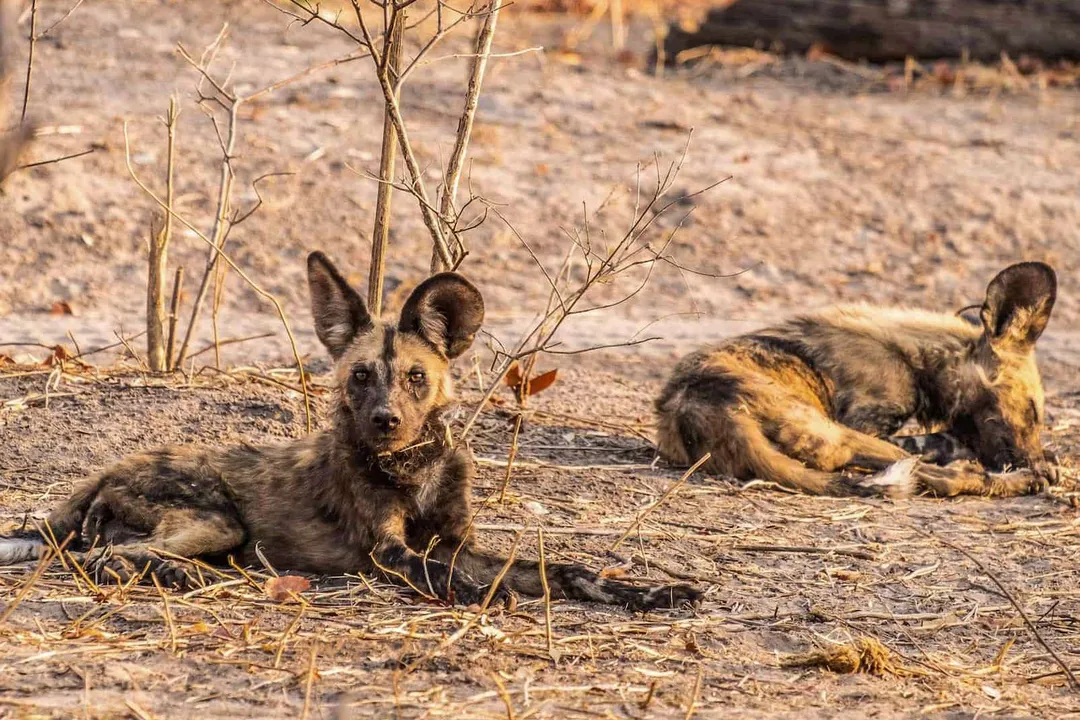
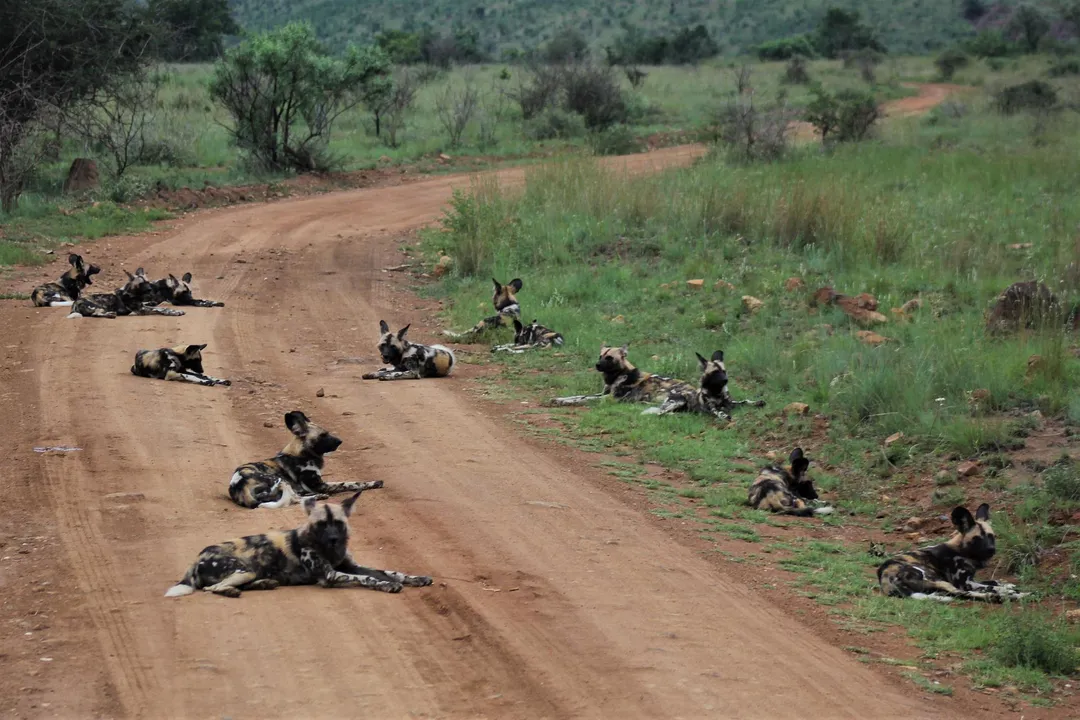
The appearance of the African wild dog (Lycaon pictus) is immediately striking, setting it apart from other members of the canid family across the globe. Often called the painted dog or painted wolf, its very scientific name speaks to its most defining feature: Lycaon pictus translates to "painted wolf," a nod to the remarkably varied and irregular patches of black, white, yellow, and brown that cover its short coat. [2][8][7] This complex coloration acts as remarkable camouflage, helping break up the dog's outline in the dappled light of the African bush, though the pattern is so intricate that no two individuals share the exact same markings. [4][10] If you were to observe a pack, it would be clear that each member carries a unique 'paint job,' which is vital for pack recognition and potentially for researchers tracking individuals across vast territories. [1]
# Lean Framework
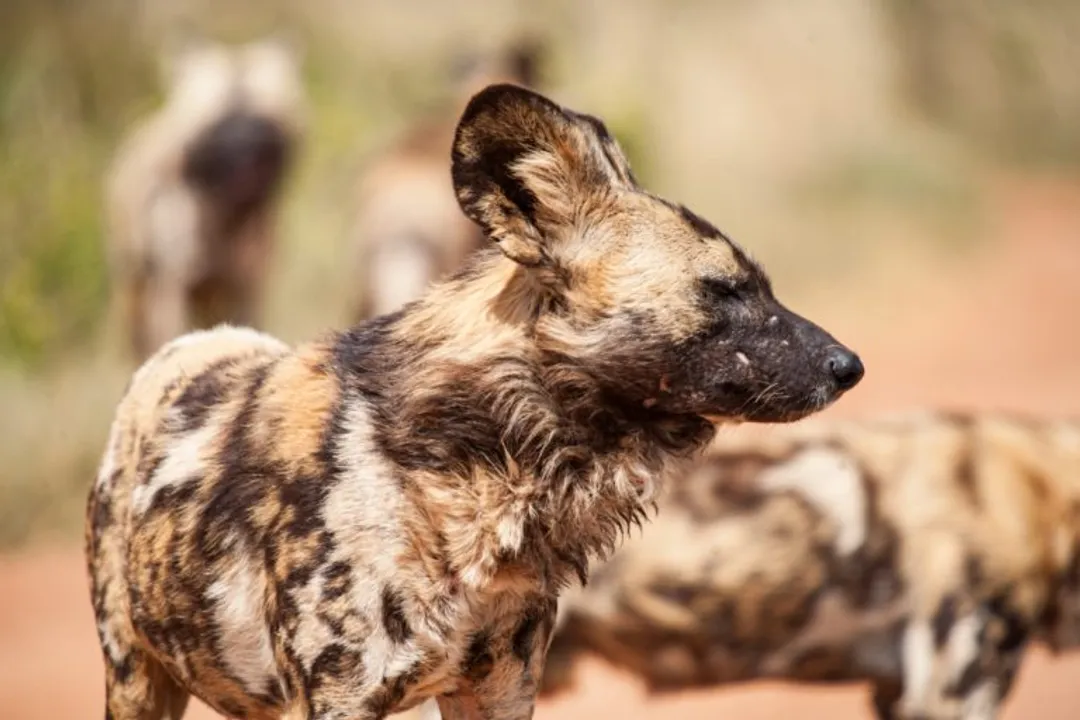
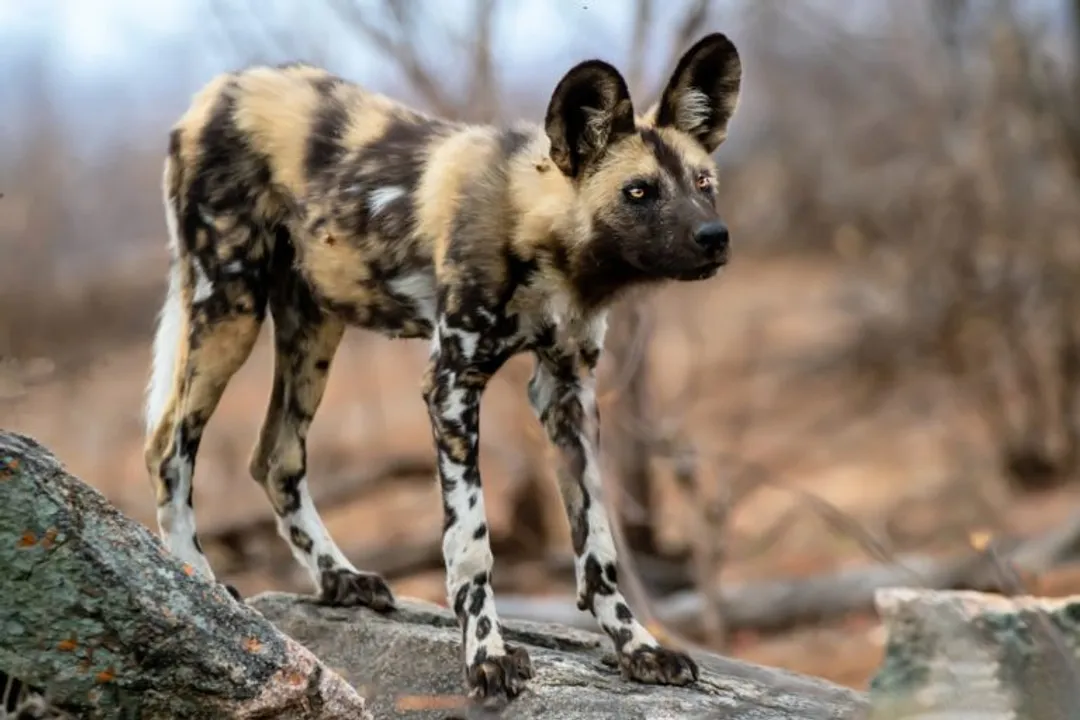
The overall physique of the African wild dog is built for endurance, not brute force sprinting like a cheetah. They possess a lean, almost gaunt appearance. [2] An adult typically stands between 60 to 78 centimeters (about 24 to 31 inches) high at the shoulder. [1][4] In terms of weight, they are relatively light for their size, usually ranging from 18 to 36 kilograms (40 to 79 pounds). [2][6][9] Males and females are very similar in size, showing little sexual dimorphism in physical stature. [2] Their bodies are slender, often described as athletic and graceful, characterized by long, thin legs that contribute significantly to their specialized mode of travel. [10] This light-boned structure suggests an evolutionary preference for sustained movement over short, high-intensity bursts, perfectly suited for the long chases that characterize their hunting style across open plains and woodlands. [4]
# Distinctive Ears
One of the most prominent features, second only to their coat, are their massive ears. [8] These are unusually large, rounded, and bat-like, lacking the usual pointed quality seen in many other wild canids. [1][2] The size and shape of these ears serve a dual purpose: they aid in excellent hearing, which is essential for coordinating pack movements over distances, and they likely assist in thermoregulation, radiating excess heat away from the body in the intense African heat. [7] The insides of the ears are often pale, sometimes featuring white tufts of fur, contrasting with the varied colors found on the rest of the coat. [4]
# Head Structure
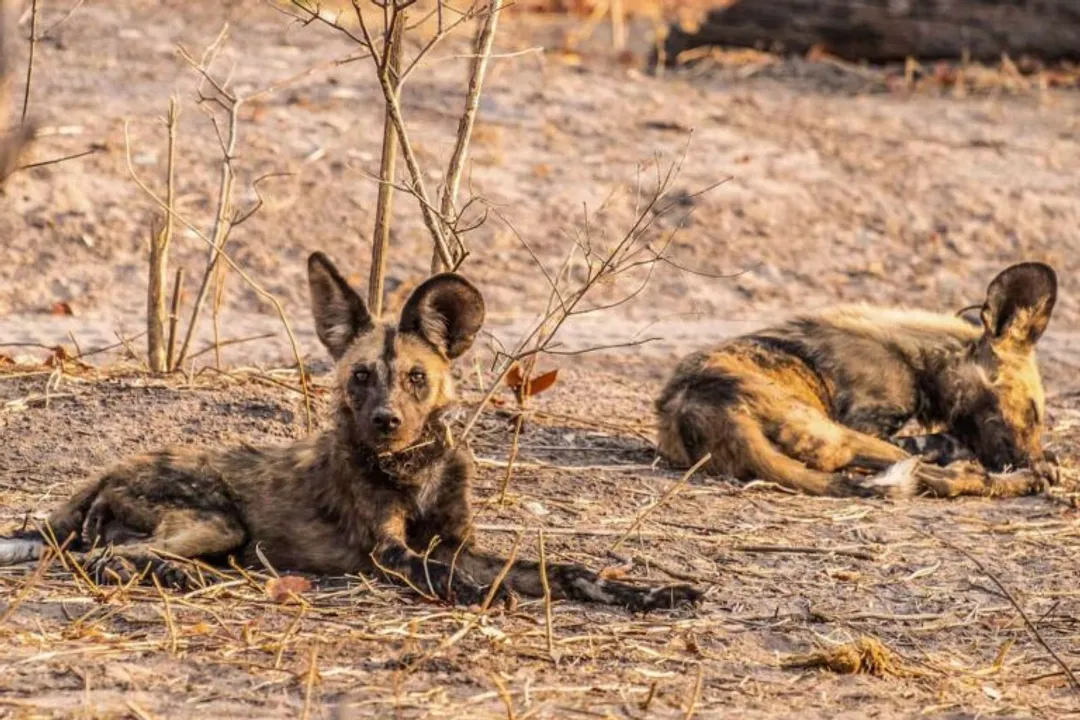
The head itself is relatively long and slender, tapering into a long, narrow muzzle. [7] Unlike true wolves or domestic dogs, the African wild dog possesses a shorter snout relative to its skull size. [2] While they have a standard complement of 42 teeth, the structure of their jaw and teeth reveals further specialization. Their carnassial teeth, which are critical for shearing meat, are very large and well-developed. [7][5] However, when comparing their bite strength to other large carnivores, the African wild dog is notably weaker. [5] Their jaws are adapted more for gripping and tearing chunks of flesh from prey during the pack feeding frenzy rather than overpowering large animals with a single crushing bite. [5] This reliance on cooperative hunting to subdue prey aligns perfectly with their physical build—speed, stamina, and teamwork replace raw jaw power. [3]
# Foot Anatomy
A fascinating and unique characteristic that sets the African wild dog apart from nearly every other canid relates to its feet. African wild dogs possess only four toes on each foot. [2][7] Most other canids, like domestic dogs and wolves, have five toes on their front feet (the fifth being the dewclaw) and four on the hind feet. [2] The African wild dog is unique in the entire order Carnivora for lacking the dewclaw on its front feet. [7] This reduced toe count, coupled with their long limbs, means their paws are structured for running efficiency. [10] This anatomical configuration minimizes weight and friction during long-distance pursuits. This specialized foot structure, combined with the powerful musculature in their long legs, forms a highly efficient apparatus for sustained travel and chase, a testament to evolutionary fine-tuning for their ecological niche. [7]

# Coat Details and Variation
To truly appreciate the physical characteristics, one must return to the coat, as it is the species' hallmark and the origin of its common names. [1][2] The pattern is a chaotic mosaic of irregular patches, meaning there are no two dogs alike, which can be an invaluable observation for field biologists. [1] The colors present are typically black, white, yellow/gold, and reddish-brown, blended together without distinct borders. [8][7] This irregular mottling serves to obscure their outline, especially when viewed from a distance or in dense cover. [4] In contrast to the main body, the tip of the tail is almost always white, which may serve as a signaling flag to other pack members during movement through tall grass. [1][2] Furthermore, the lower legs tend to be dark, usually black, while the muzzle and chest often display lighter coloration. [6]
Here is a summary comparison of key metrics, pulling together some of the varied figures provided across sources:
| Feature | Range/Description | Source Reference |
|---|---|---|
| Shoulder Height | 60–78 cm (24–31 in) | [1][4] |
| Weight | 18–36 kg (40–79 lbs) | [2][6][9] |
| Toes (Front/Hind) | 4 toes on both front and hind feet | [2][7] |
| Coat Pattern | Irregular patches of black, white, yellow, brown | [8][7] |
| Tail Tip | Almost always white | [1][2] |
It is worth noting that while the overall body shape is consistent—lean and long-legged—there can be some slight regional variation in the intensity of coat color. For instance, dogs found in arid, open environments sometimes exhibit slightly paler, more sandy tones compared to those in denser woodlands, although the unique pattern remains the constant factor. [10]
# Sensory Adaptations
Beyond the visual and structural traits, the African wild dog possesses other subtle physical adaptations necessary for survival. Their large ears, as mentioned, are crucial for hearing, but their eyesight is also reported to be excellent, allowing them to spot prey or potential threats over long distances across the savanna. [4] This reliance on vision, combined with superior stamina facilitated by their skeletal and muscular structure, makes them highly effective hunters in open country where they can engage prey in a prolonged chase. [3] While they are active both day and night, they show a strong tendency toward activity during the cooler parts of the day, such as early morning and late afternoon. [6] Their overall physical efficiency is geared towards covering ground, making their entire body a machine finely tuned for the pursuit of medium-sized ungulates across the African landscape. [9] The combination of lightweight build, long stride, and distinctive four-toed feet represents an entire lineage of canids specialized for marathon hunting rather than explosive power.
Related Questions
#Citations
African Wild Dog Fact Sheet | Blog | Nature - PBS
African wild dog - Wikipedia
African Wild Dog - African Wildlife Foundation
African Wild Dog Facts | East Africa Wildlife Guide
African Wild Dog - Cheetah Conservation Initiative
[PDF] African Wild Dog Lycaon pictus Group Hunting - Denver Zoo
Lycaon pictus (African wild dog) - Animal Diversity Web
African Painted Dog | Saint Louis Zoo
African Wild Dog Facts: Diet, Habitat, & Conservation | IFAW
The African Wild Dog: Everything You Need to Know