Wild Boar Diet
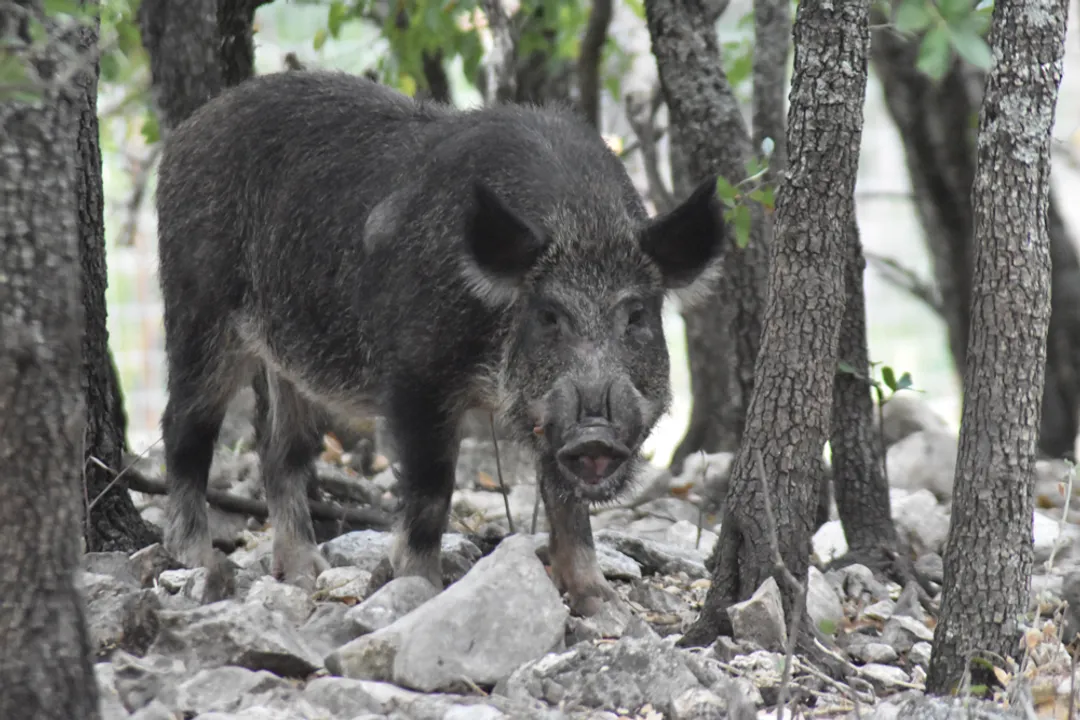
The wild boar is arguably nature’s most dedicated generalist when it comes to dining. Far from being a finicky eater confined to a single food source, this animal possesses an astonishing capacity for adaptation, allowing it to colonize environments from boreal taiga to semi-arid regions. [1][3] Because they are omnivores and inherently opportunistic feeders, their diet is less a fixed menu and more a constantly updated buffet based entirely on what resources are locally available, when they are available. [2][7]
# Diet Basics
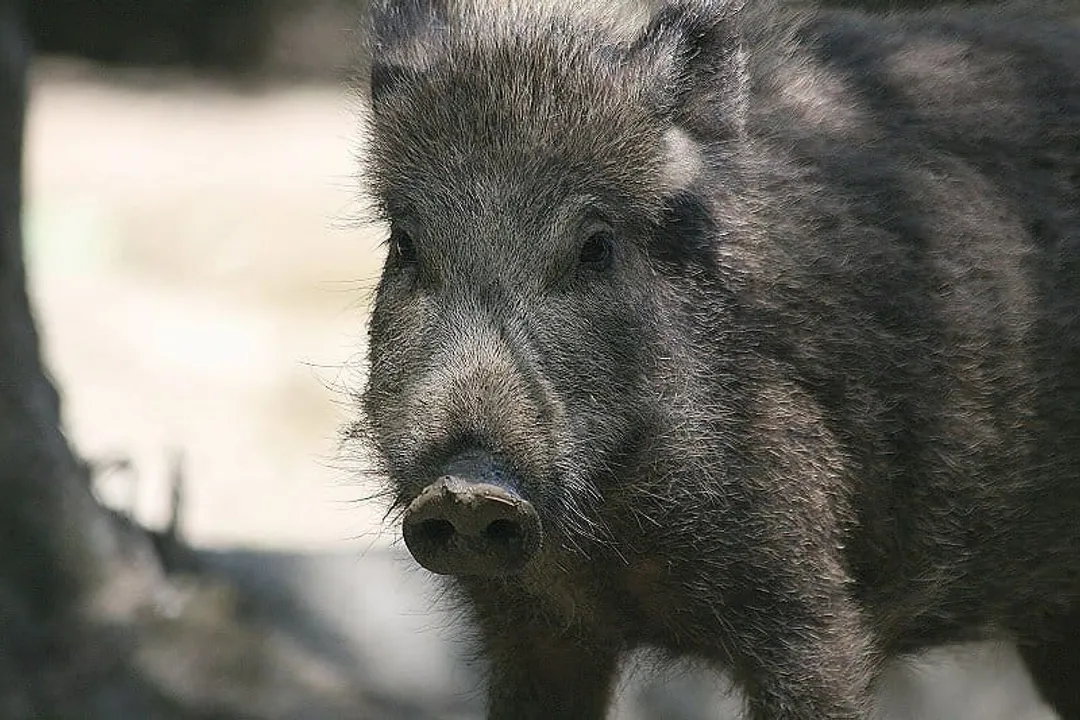
The fundamental classification for wild boar—both the native Sus scrofa and its feral counterparts in introduced ranges—is that of an omnivore. [1][5] They ingest both plant material and animal matter. [3] An adult boar typically consumes food equivalent to about 3 to 5 percent of its total body weight each day. [2][6] While this consumption rate is standard, the composition of that intake is what defines their ecological role and impact. [2]
A detailed look at dietary analyses, such as those conducted using DNA sequencing of scat samples, confirms this extreme breadth. In one Florida study, researchers identified 66 plant genera, 68 animal genera, and 12 fungal families in the collected samples. [7] This immense variety underscores why the species spreads so successfully; they are not dependent on any single, precarious food source. [4][7]
# Plant Staple
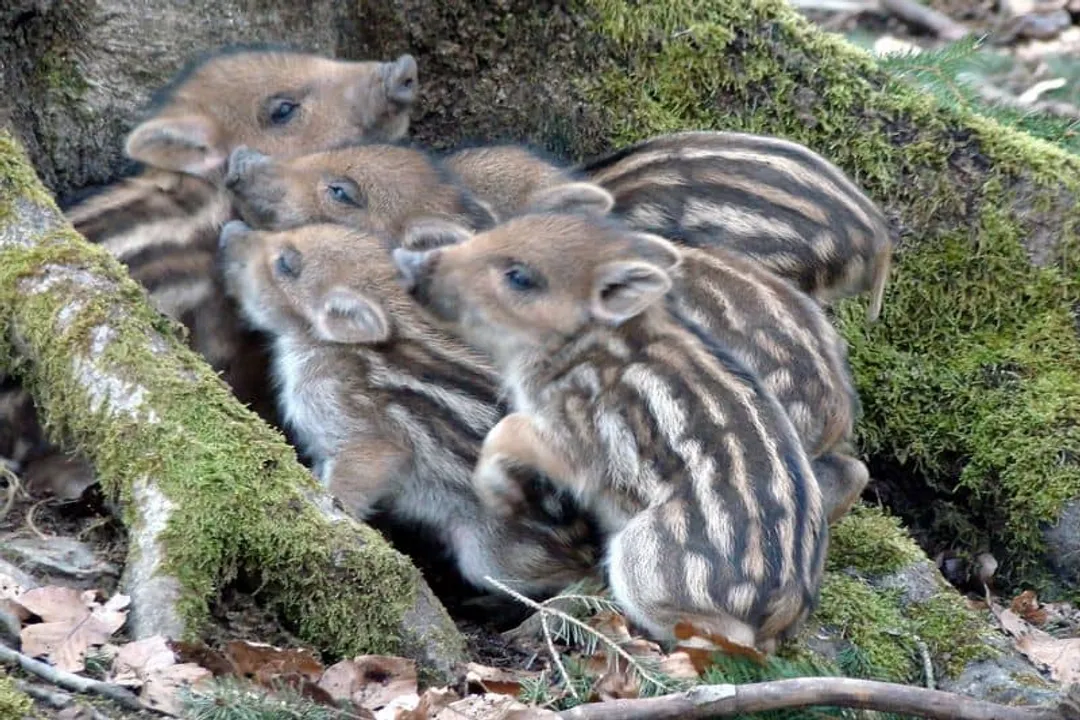
While the overall diet is incredibly varied, plants consistently form the bulk of the wild boar’s caloric intake throughout the year. [2][7] This consumption includes both above-ground forage and crucial below-ground storage organs. [7]
The most important vegetative resources, particularly in temperate forests, are mast crops like acorns, beechnuts, and hickory nuts. [2][4][6] These carbohydrate-rich items are vital, allowing boars to rapidly build the fat reserves necessary to survive leaner periods, especially winter. [1][3] In areas where oak and beech trees are abundant, these nuts become the top priority when they ripen in the autumn. [1][4]
Beyond mast, the boar's diet relies heavily on subterranean material, which is accessed through their characteristic rooting behavior. [2] This includes:
When wild food supplies dwindle, they will also strip bark or consume fungi. [3][4] In agricultural settings, cultivated crops like potatoes, grains (wheat, corn, rice), vegetables, and fruits are highly preferred because they are easily digestible and calorie-dense, often representing over 50% of the vegetative portion of the diet when near farmland. [2][6]
# Animal Protein
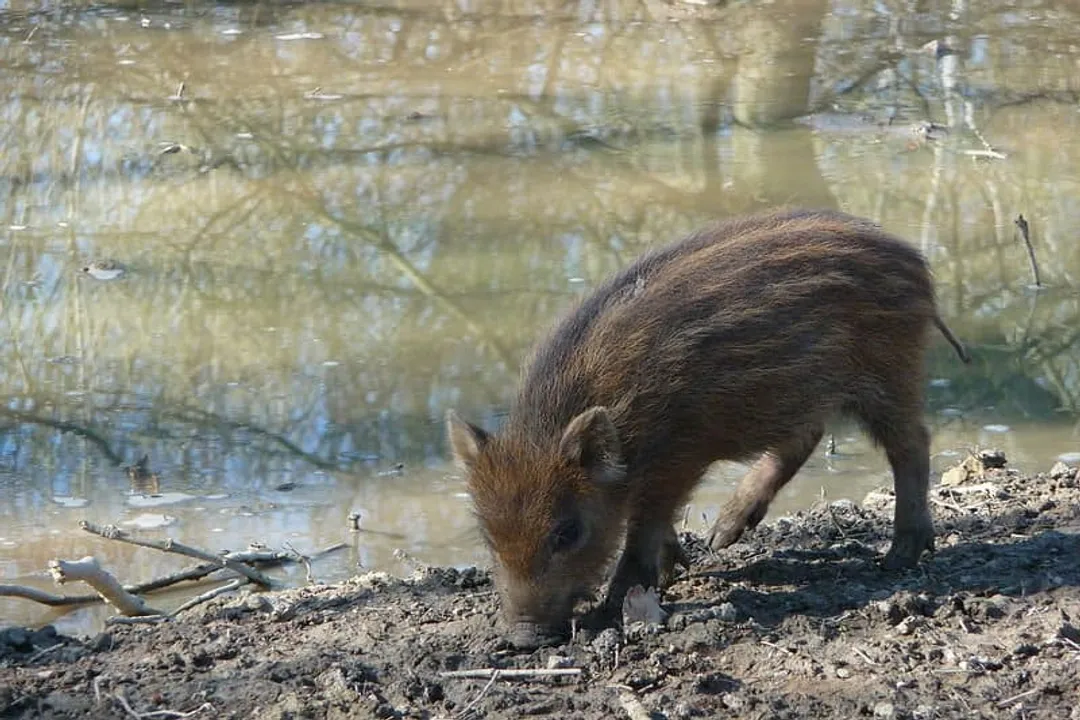
The protein side of the boar’s appetite is fulfilled by a wide spectrum of animal life, usually constituting a smaller percentage of the total annual intake compared to plants. [2][6] They are not typically viewed as active predators, but they readily take advantage of any accessible prey or available carcass. [5][8]
Their menu includes:
- Invertebrates: Earthworms (a major component in some areas), insects, mollusks, and arachnids. [2][4][7]
- Vertebrates: Fish, frogs, lizards, snakes, small rodents, and birds. [4][5][6]
- Eggs: They raid nests belonging to ground-nesting birds. [4][6]
- Carrion: They consume the remains or carcasses of dead animals with relish. [2][4][5]
In a fascinating display of opportunism, some regional studies have found that specific invertebrates, such as an exotic earthworm species, were present in over 80% of the scat samples analyzed in that area, indicating near-constant consumption even if the overall mass contribution is lower than that of primary vegetation. [7] Likewise, while consuming meat is opportunistic, when they do feed on vertebrates—whether it is a vulnerable fawn or a domestic lamb—they are exceptionally efficient at consuming all traces, including placentas, which can obscure predation events from human observers. [5]
# Regional Shifts
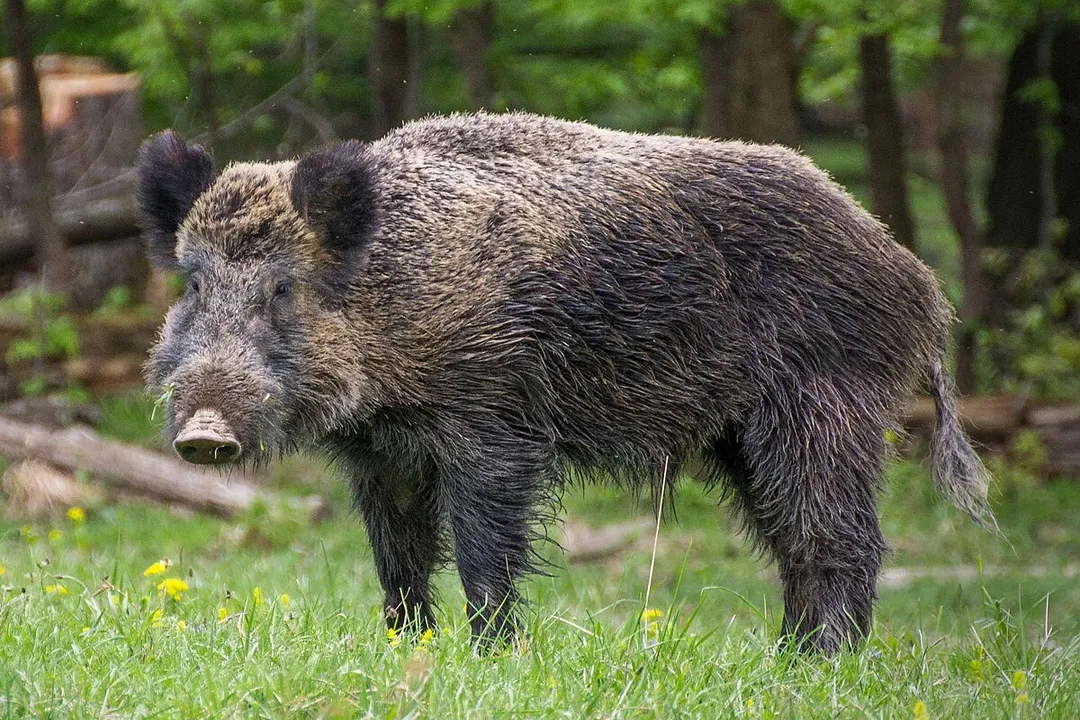
The sheer difference in food availability across various biomes demonstrates the boar's adaptability better than a static list ever could. In the temperate forests of Europe, the diet is heavily skewed toward underground plant matter and seasonal mast crops like beechnuts. [4] However, boar subspecies in Southeast Asia, such as the vittatus group in Java, lean heavily toward a frugivorous diet, consuming up to 50 different species of fruit, importantly making them seed dispersers in that region. [3] Similarly, wild pigs near river deltas have been documented feeding extensively on fish like carp. [3] This flexibility ensures that whether a resource is high in carbohydrate (acorns) or high in protein (earthworms or young animals), the boar seeks to maximize its intake when that resource is at its peak. [2]
When considering the general data that suggests many wild boar diets hover around 90% plant matter, it can be tempting to categorize them as primarily herbivores that occasionally scavenge. However, that general percentage masks the importance of consistency. While a single root or a single earthworm is small, the ability of the boar to dig constantly for subsurface edibles—both plant bulbs and burrowing animals—means that the energy derived from digging provides a baseline sustenance that complements the seasonal highs of mast or agricultural harvests. [2][4] The sheer energy required for rooting itself is offset by the fact that rooting unearths both plants and high-protein invertebrates simultaneously. [7]
# Foraging Impact
The boar's diet directly dictates its most notorious field sign: rooting. Using their long snout and powerful neck muscles, they function as living plows, overturning soil layers searching for roots, tubers, and fossorial (burrowing) animals like grubs and worms. [1][2]
This habit of excavating the forest floor or agricultural fields creates significant ecological disturbance. [6] In the late fall and early winter, when mast crops are exhausted but new green growth has not yet appeared, the pressure to sustain energy reserves becomes intense. It is during these lean times that the animal must rely almost entirely on digging, leading to concentrated damage in areas where tubers or roots are plentiful, or when they turn aggressively toward cultivated fields. [2][4] This behavior alters the physical structure of the soil, changes nutrient cycling, and can create ideal conditions for invasive plant species to establish themselves in the disturbed ground. [6][7] The reliance on digging for essentials is a trade-off: it secures food during scarcity but creates visible environmental disruption year after year. [2][6]
Related Questions
#Citations
Wild boar
Food Habits of Feral Hogs
What Do Boars Eat?
Wild Boar (Sus scrofa) - British Mammals
Florida wild boar, their diet and their predators.
Have you ever wondered what those wild hogs root for?
Wild Pigs - Texas Parks and Wildlife
How often do wild boars (and other suinans) eat meat?