Why do African wild dogs only have four toes?
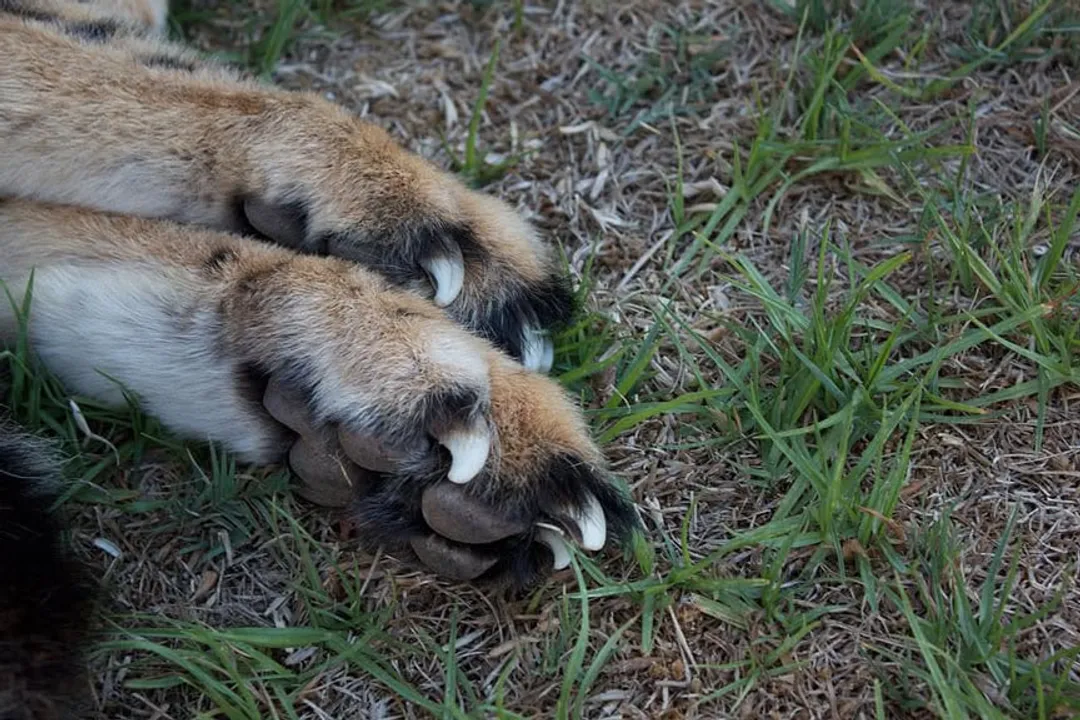
African wild dogs, scientifically known as Lycaon pictus, possess an anatomical feature that immediately distinguishes them from many other canids: they have only four toes on each foot. [1][5][3] This distinctive arrangement of digits is fundamental to understanding how this highly specialized predator manages to survive and thrive across the varied landscapes of the African savanna. [8]
# Four Digits
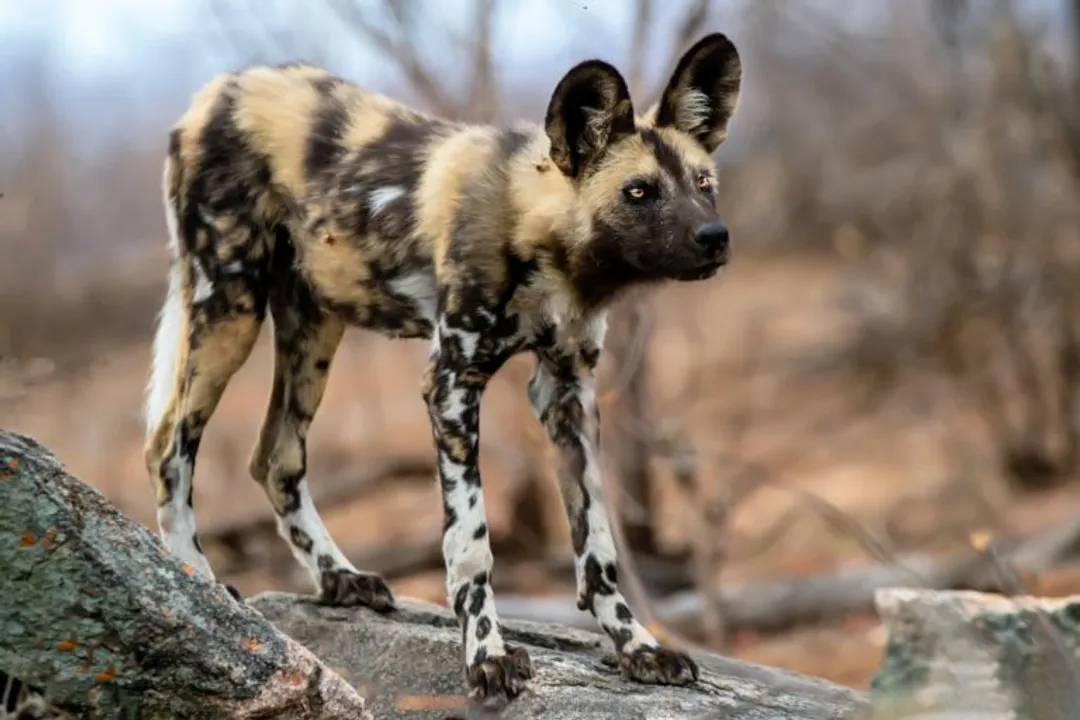
The defining characteristic is the reduction in the number of digits present on both the front and rear paws. [1] Where most domestic dogs, wolves, and even some other wild canids retain five toes on their forelimbs—the fifth being the dewclaw, positioned higher up the leg—the African wild dog lacks this fifth digit entirely. [5][3] This means that for every paw, there are precisely four functional toes making contact with the ground. [1][5] This streamlined paw structure is not limited to the forelimbs; it applies consistently across all four feet, giving them a symmetrical digit count unusual in the wider canine family.
# Canine Comparison
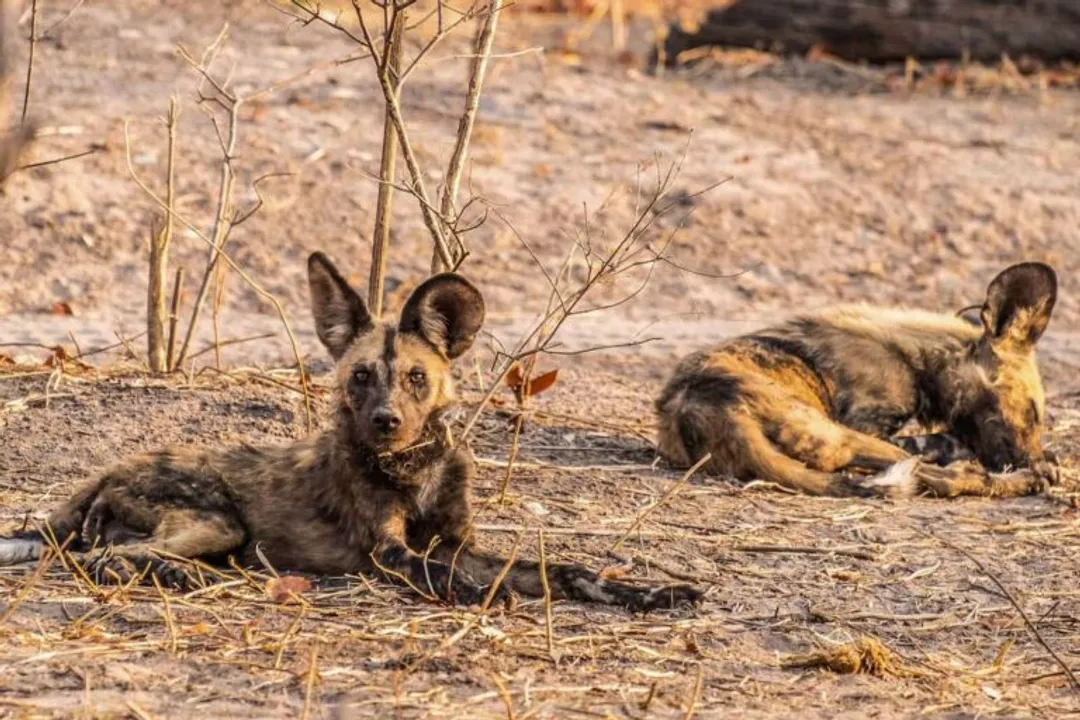
This four-toed configuration places the painted dog in a distinct anatomical category when compared to its relatives. [3] The ancestral canine typically exhibits five digits up front. The evolutionary pressure that led to the loss of the dewclaw in Lycaon pictus appears linked directly to their method of locomotion and procurement of food. [8] While some species might show variation or even lose the dewclaw due to injury or environmental factors, for the African wild dog, the absence of the fifth digit is the established norm and a feature of their species identity. [3]
# Running Anatomy
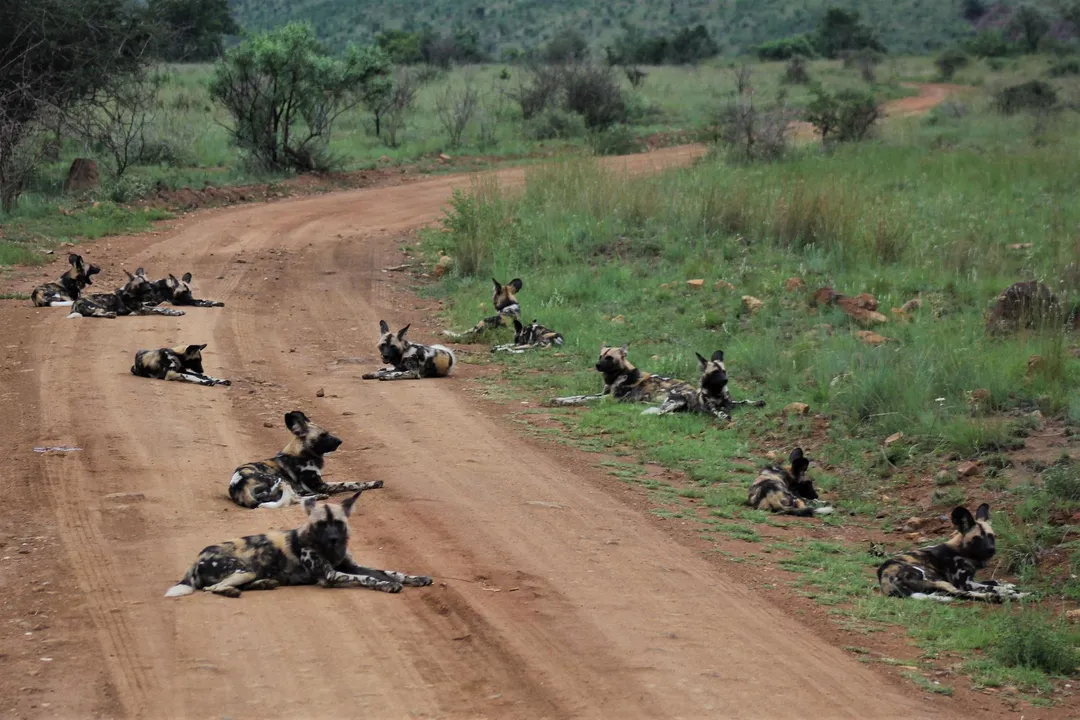
The primary functional implication of this reduced digit count revolves around their extraordinary physical capabilities, specifically their endurance running. [8] African wild dogs are classic examples of cursorial animals; their entire physiology is geared toward sustained, long-distance pursuit rather than the explosive acceleration of a cat like the cheetah. [8]
The streamlined paw, lacking the extra weight and surface area of a dewclaw, contributes to the overall efficiency of their gait over many kilometers. [8] Every component of their anatomy seems optimized for maintaining speed and conserving energy during a chase across open ground. Considering that these hunts often cover significant distances, minimizing extraneous biological components that contribute to impact or energy expenditure becomes advantageous. The four-toed setup offers a slightly lighter, cleaner footprint, which aids in maintaining their characteristic long, loping stride that they rely on when hunting herd animals that possess superior top-end speed. [8]
When looking at the evolutionary pressures that shape terrestrial mammals, we often see specialization leading toward fewer points of contact—the ultimate example being the horse's single hoof. The African wild dog demonstrates a specialization toward sustained speed that falls short of full monodactyly but represents a significant reduction from the standard canid blueprint. This adaptation suggests that the dewclaw was either entirely non-functional or actively detrimental to the high-speed, long-duration efficiency required for their hunting strategy within their historical range. [8]
# Pack Life
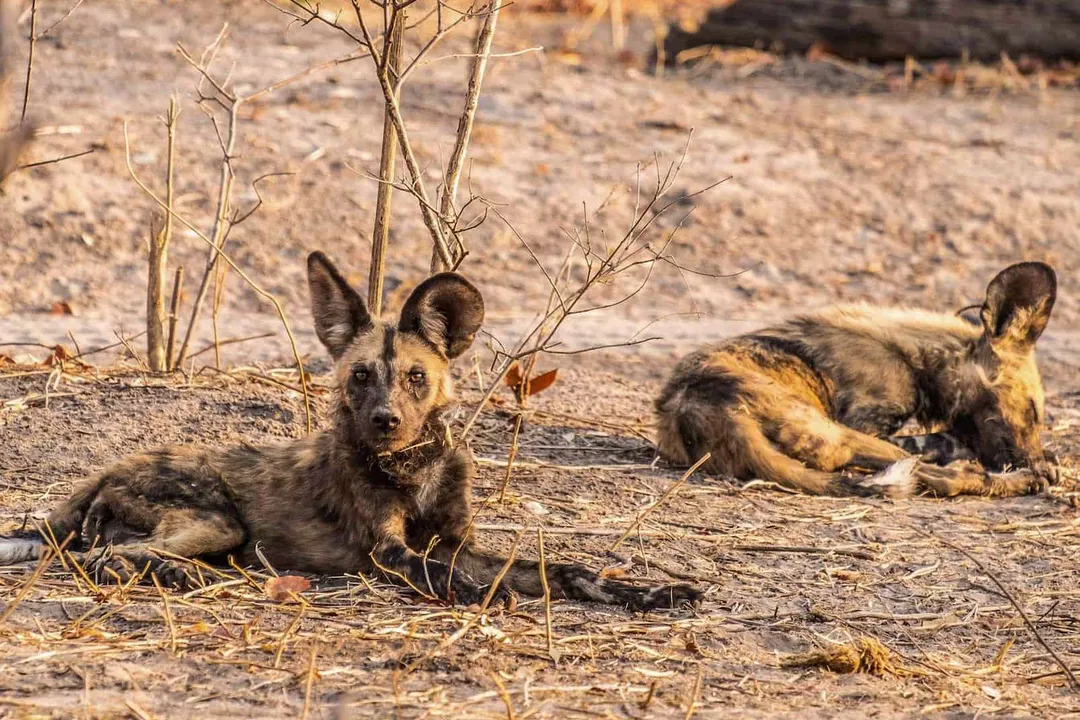
The anatomical specialization does not exist in isolation; it serves the broader ecological strategy of the species, which centers on cooperative hunting and strong social bonds. [7] The success rate of the African wild dog—often cited as one of the highest among mammalian predators, sometimes achieving kills in over 80% of their attempts—is as much behavioral as it is physical. [4]
The ability to run down prey necessitates a cohesive pack effort, where individuals must maintain position and coordination throughout the pursuit. [7] Their distinct method of communication, involving chirps, squeals, and clucking sounds rather than the long, carrying howls of wolves, supports close-range coordination within the immediate hunting party. [1] The efficiency gained by having four weight-bearing toes likely translates into less fatigue per individual over the course of a long chase, ensuring more pack members remain in the pursuit long enough to successfully bring down the target. [4]
This social reliance is also visible in how they treat their injured or sick members. They are known to care for individuals unable to hunt, bringing them food, which speaks to a deep level of pack cohesion that supports the physical demands of their lifestyle. [7]
# Anatomy Context
While the four toes are the most obvious difference in their feet, their entire limb structure is geared toward this running lifestyle. They possess relatively long legs and a light build, which enhances their ability to sustain momentum. [8] This specialization means that while they excel at endurance running, they are comparatively less agile in sharp, tight turns than some other carnivores. Their success hinges on outlasting their quarry, not outmaneuvering it in short sprints through dense bush. [8]
This anatomical trade-off—sacrificing some close-quarter maneuverability for supreme stamina—is perfectly illustrated by the simplified paw structure. Fewer moving parts in the foot assembly might also contribute to greater durability in the harsh, abrasive environments they frequent, minimizing the chance of a debilitating injury to a non-essential digit that would compromise the entire pack's hunting viability. [4]
In summary, the absence of the fifth toe on African wild dogs is not a random mutation; it is a refined, functional characteristic deeply embedded in the mechanics required for their success as endurance hunters within the highly competitive African ecosystem. [8] This small anatomical detail reflects a large evolutionary commitment to a specific, highly effective predatory niche. [1][4]
Related Questions
#Citations
10 Fun Facts About African Wild Dogs | Ultimate Kilimanjaro
African Wild Dogs differ from other members of the canidae family in ...
African Wild Dogs have 4 toes on each paw, unlike other ... - Reddit
5 Facts you did not know about African wild dogs - Africa Geographic
Why do some animals only have four toes per limb? - Quora
The African Wild Dog: Everything You Need to Know
Unique anatomy helps the African wild dog sustain its life on the run
African Wild Dog - FaunaFocus