What is the average cost of a Canadian horse?

The initial outlay for acquiring a horse in Canada can vary dramatically, often depending on the animal’s training, lineage, and intended use, rather than simply its breed. When looking specifically at the Canadian Horse breed, which has a rich history in the country, sale prices can provide a baseline, though general market conditions always play a larger role.
# Purchase Price Spectrum
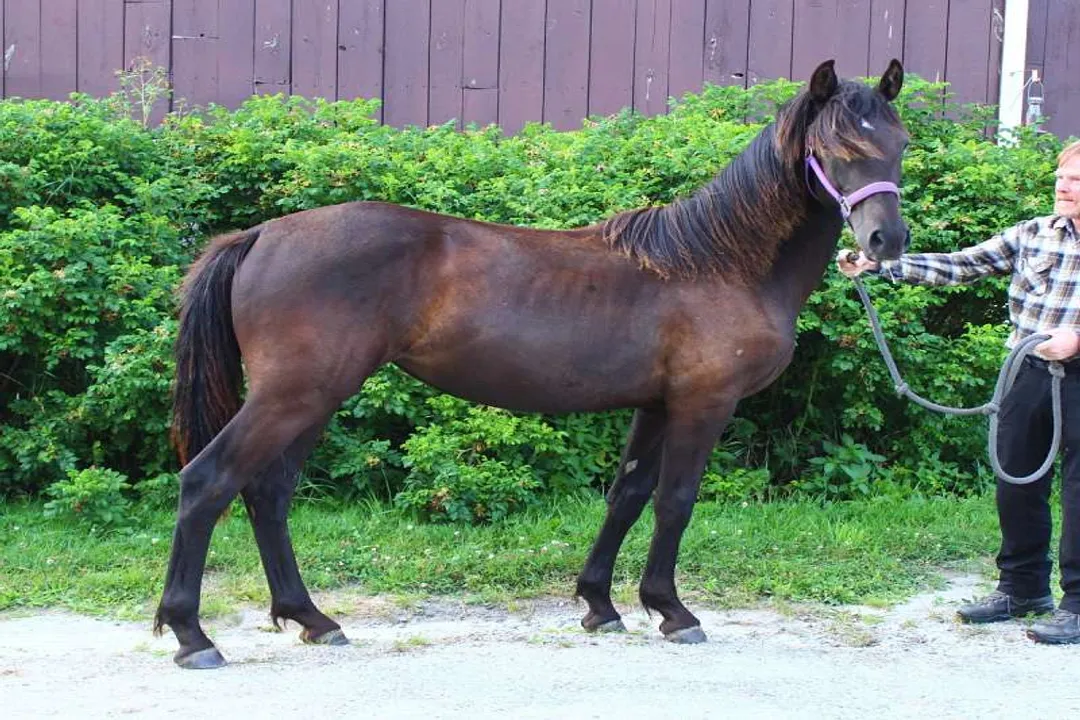
For those interested in the distinctive Canadian Horse breed, sales platforms sometimes list individuals ranging from green prospects to seasoned performers. Historical data or general market observations suggest that prices can start in the low thousands for a younger, less experienced animal, but specialized or proven horses command significantly more. It is important to recognize that online listings often reflect asking prices, which are rarely the final transaction value, especially when dealing with specific, heritage breeds like the Canadian Horse.
A broader look at the market, without limiting the search to just the Canadian breed, shows that the cost of entry for horse ownership is highly elastic. A used saddle horse might be acquired for a few thousand dollars, while competition-level prospects or specialized show animals easily move into the five-figure range. On social media groups dedicated to horse sales, anecdotal evidence suggests that horses sold privately might trade hands based on immediate needs or the seller's desire to move the animal quickly, sometimes leading to lower prices, while established sale facilities tend to list horses closer to their appraised market value. The sheer variety of animals available means that "average" is almost meaningless until you define the segment: is it a companion pony, a sound trail horse, or a competitive show jumper?.
If we consider the official industry scope, one study examining the economic footprint of the sector highlighted that the value of horses—which contributes to the purchase market—can be substantial, reflecting the investment in breeding and development. This valuation underpinning the market is what drives prices for high-quality animals, whether they are Canadian Thoroughbreds or solid working Canadian Horses.
# Annual Maintenance Realities
Once the purchase price is accounted for, the true financial commitment becomes clear: the ongoing cost of keeping a horse healthy and happy in Canada. Most experienced owners agree that the annual expense for a single horse can easily run into the thousands of dollars, irrespective of the purchase price. These recurring costs are what sink many first-time horse owners who budget only for the acquisition.
# Boarding Fees
For many horse owners in Canada, especially those not living on acreage with appropriate facilities, boarding is the single largest monthly expense. Board rates fluctuate heavily based on location. For example, costs near major metropolitan areas like Toronto or Vancouver will naturally be higher than those in more rural areas of Saskatchewan or the Maritimes.
Boarding fees generally cover basic necessities such as shelter, water, and hay/forage, though the level of service varies widely.
- Full Board: This typically includes feeding, daily turnout, and mucking out the stall, which can be the most expensive option.
- Partial or Self-Care Board: This option shifts some responsibility back to the owner, usually meaning the owner provides and feeds all hay/grain and handles mucking, paying only for the space and water. This can offer significant savings if the owner has the time to dedicate daily care.
The Canadian Horse Study, while focused on the broader industry, underscores the importance of infrastructure, which is directly reflected in boarding rates. Owners choosing to keep their horse on private property must factor in the costs of building and maintaining shelters, fencing, and ensuring year-round water access, which can be prohibitive upfront but lower the per-year operating cost compared to paying board.
# Feed and Supplements
Beyond what is provided by the stable, horses require consistent, high-quality nutrition. Even if a horse is on full board, owners frequently supplement with specific grains, minerals, or specialized feeds to meet their animal's individual needs, especially if the horse is in heavy work.
A key consideration is forage quality. If the owner is sourcing their own hay, they must account for the price of bales, which can fluctuate based on regional hay harvests—a factor that differs across Canadian provinces. For instance, a wet summer in one region could drastically increase hay prices that year, affecting budgets nationally. Considering that an average 1,000-pound horse consumes about 1.5% to 2.5% of its body weight in dry matter daily, feed is a non-negotiable, high-volume expense.
# Routine Veterinary Care
Preventative care is essential for long-term health and avoiding catastrophic emergency bills. Annual costs here include routine vaccinations and essential dental floating. While a routine check-up might seem minor, these costs accumulate quickly. In a study analyzing the economic drivers of the equestrian sector, managing herd health was a significant operational expenditure that directly impacted profitability and sustainability for businesses, a principle that applies equally to private owners.
# Farrier Services
Lameness prevention through regular hoof care is another fixed recurring cost. Whether a horse is shod or kept barefoot dictates the frequency and price of farrier visits. Horses that require full shoeing every six to eight weeks face a higher bill than those maintained naturally, though barefoot trimming is still necessary on a regular schedule. The professional fee for a farrier's time and materials represents a significant portion of the non-discretionary annual spending.
# Hidden Costs and Contingencies
The typical monthly budget often overlooks expenses that don't occur every month but are guaranteed to happen over the course of a year or an ownership tenure. Experienced owners often advise budgeting a contingency fund or an annual "slush fund" for these irregular yet inevitable costs.
# Equipment and Gear
Every horse needs tack, but gear wears out, needs replacement, or requires specialized adaptation as the horse ages or changes discipline. This includes saddle pads, bridles, bits, grooming supplies, blankets, and protective boots. While you buy a saddle once, you might replace three sets of winter blankets over a decade, or need a new, custom-fitted saddle after significant weight change or major training progression.
# Emergency Fund
This is perhaps the most critical non-monthly expense. Colic surgery, severe injuries, or chronic conditions like laminitis can result in bills running into the tens of thousands of dollars. Many people use insurance for this, but insurance still carries premiums and deductibles, adding another layer to the annual cost structure. If you are managing costs tightly, an unexpected $5,000 vet bill can easily force the sale of the horse, illustrating the financial risk inherent in ownership.
# Cost Comparison: Management Styles
To illustrate the financial spread, consider two hypothetical ownership scenarios for a sound, mid-level pleasure horse in a moderate cost-of-living area of Canada. We can estimate annual costs based on typical breakdowns provided by owners online, remembering that location is the ultimate determinant.
| Expense Category | Full Board Estimate (Per Year) | Self-Care/Own Property Estimate (Per Year) |
|---|---|---|
| Board/Facility Cost | $12,000 - $18,000 | $1,500 (Property Tax/Maintenance Buffer) |
| Feed/Hay (Supplemental) | $1,000 - $2,500 | $3,000 - $4,500 (Sourced Independently) |
| Farrier (Shod) | $800 - $1,200 | $800 - $1,200 |
| Routine Vet (Meds/Shots/Dentist) | $500 - $1,000 | $500 - $1,000 |
| Misc/Supplies/Farrier Travel | $500 | $1,000 |
| Estimated Annual Total | $14,800 - $22,700 | $6,800 - $9,200 |
This comparison highlights that switching from full board to self-care, even with significant upfront capital for property setup, often halves the ongoing annual cash outlay, provided the owner can supply the necessary labour and expertise. The difference is primarily the labour component being paid to the board facility versus being performed by the owner.

# Industry Context and Value
The financial landscape of horse ownership in Canada is complex, touching on agriculture, recreation, and sport. The overall economic impact generated by the Canadian equine sector is considerable, suggesting a deep base of investment across the country. When looking at the business side of equine operations, even large-scale, professional endeavors must meticulously manage cash flow to account for variable costs like feed and fluctuating market demands. The study notes that the costs are distributed unevenly, with recreational owners representing a significant segment of the market expenditure.
When buying a Canadian Horse, you are investing in a piece of national heritage, which can sometimes carry a premium among breed enthusiasts, or conversely, be less valued in general sport circles where Warmbloods or Quarter Horses dominate certain disciplines. The value assigned to the animal often reflects perceived talent for a specific job rather than just breed type.
One crucial factor often overlooked when calculating the "average cost" in Canada is the variation in provincial sales tax application and regulations concerning livestock transfer, which can add a few percentage points to the purchase price immediately upon acquisition, an element that changes depending on where in Canada the transaction occurs. For instance, purchasing a horse as a personal companion versus purchasing it as a business asset (e.g., for breeding stock or resale) might change the tax liability, an administrative detail that needs professional advice but nonetheless affects the initial sticker shock.
Finally, an actionable tip for managing long-term costs involves sharing expenses. Grouping with trusted friends or barn-mates to purchase a bulk supply of hay, supplements, or even splitting the cost of a specialized service like a traveling equine dentist can provide measurable savings over the course of a year that a single owner might not realize on their own. This communal approach mirrors the cooperative spirit often found in smaller equestrian communities across the provinces. The collective experience shared on forums demonstrates that pooling knowledge about reliable, cost-effective local suppliers is as valuable as negotiating the horse’s initial price.
Related Questions
#Citations
Horses for Sale - Canadian Horses - DreamHorse.com
How Much Does It Cost to Buy and Keep a Horse? Guide to ...
Canadian Horses for Sale - EquineNow
How much does it cost to raise a horse in Canada? - Quora
Cost of horse ownership : r/Equestrian - Reddit
I haven't sold a horse in about 15 years. What's the going rate for ...
owning a horse in canada | The Horse Forum
[PDF] COST OF OWNERSHIP - Equestrian Canada
Costs of Owning a Horse and Thoroughbred Racing: Money Talks