Where are slugs mostly found?

Slugs, those soft-bodied gastropod mollusks often recognized by their slimy trails, are remarkably widespread across the globe. They are not confined to one specific corner of the earth but thrive wherever conditions meet their basic biological requirements for survival, primarily moisture. [1][5][9] Understanding where they are mostly found requires looking past broad geography and delving into the micro-climates they actively create or seek out in their immediate surroundings. [10]
# Global Range
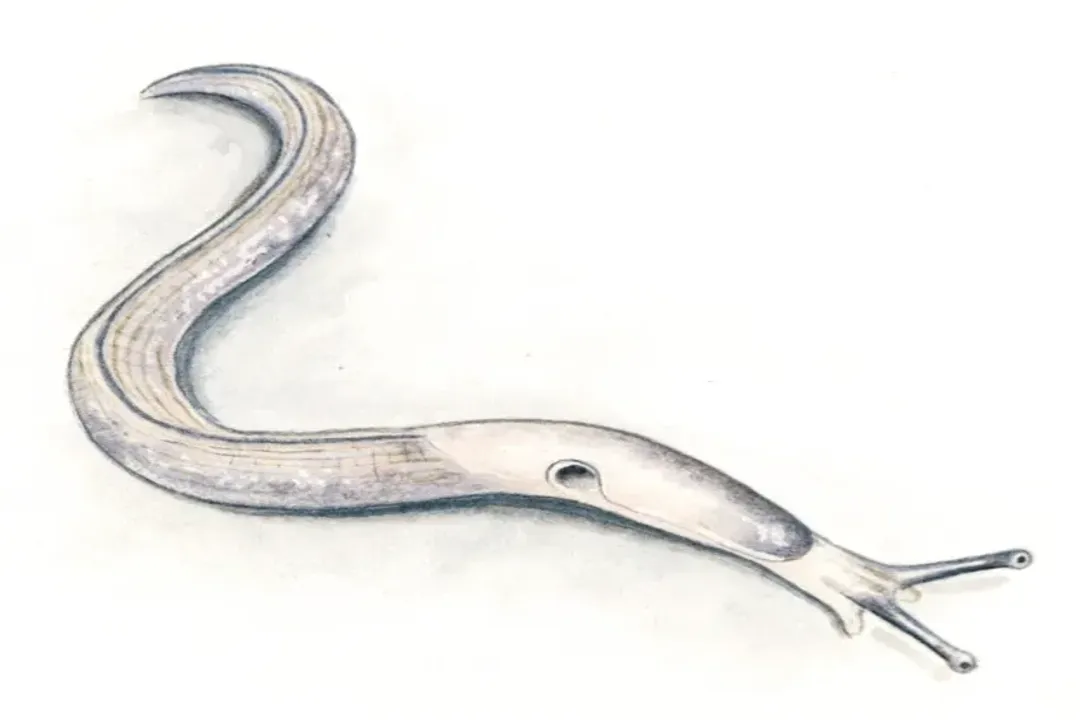
Biologically speaking, slugs are found in a huge swath of the planet. They successfully inhabit temperate, tropical, and even subtropical regions worldwide. [1] Since they are terrestrial mollusks that breathe air through a surface opening called a pneumostome, their presence is intrinsically linked to humidity and temperature. [1] You will find them commonly in environments that humanity has shaped, such as agricultural fields and home gardens, but their natural distribution also covers diverse wild settings like grasslands and forests. [1] This adaptability allows them to coexist in areas as varied as the humid woodlands of North America to the often-damp conditions common in European gardens. [7][8] Their overall success lies in their simple physiological needs, provided water is readily available.
# Moisture Dependence

The single most defining factor dictating where a slug is likely to be found is the availability of moisture. Slugs must maintain hydration because they absorb oxygen directly through their skin, meaning desiccation—drying out—is a constant, existential threat. [1][9] This fundamental need dictates their entire daily routine and habitat selection. [5]
If you are tracking where slugs are active, you are looking for high humidity and damp soil surfaces. [10] Conversely, when conditions become dry or too hot, their location shifts entirely to the most protected, lowest-evaporation spots available. [1] This strong dependency on external moisture means that in arid climates, they might only be active immediately following a rare rain event or in heavily irrigated areas.
A useful way to visualize their preferred environment, especially in a gardening context, is to consider how different soil structures influence water retention. In regions with heavy, poorly draining clay soils, moisture persists near the surface longer, effectively creating a vast, moist microclimate near the ground level, making these areas prime slug territory. [10] However, in sandy soils where water drains quickly downward, slugs will concentrate their daytime hiding spots directly beneath objects that trap what little surface moisture remains. [5]
# Daytime Shelters
During the daylight hours, especially when the sun is out, slugs retreat from the open air to conserve body water. The places they choose for these daytime retreats are consistently cool, dark, and humid hiding spots found close to the ground. [1][5][10] Think of these locations as essential "moisture traps" that shield them from the sun's desiccating rays.
Common examples of these favored shelters are abundant in any typical garden or natural area:
| Shelter Type | Primary Benefit | Example Sources |
|---|---|---|
| Under Logs/Stones | Excellent thermal mass and moisture retention | [1][5] |
| Mulch/Leaf Litter | Insulates soil, slows evaporation, provides food | [1][5][10] |
| Dense Ground Cover | Shades soil effectively | [1][5] |
| Debris Piles | Traps humidity near the ground | [1] |
| Garden Containers | Dark, protected pockets, often under pots or boards | [5][10] |
When searching for slugs that have settled in for the day, examining the underside of objects like paving slabs, discarded wood, bricks, or even upturned watering cans will likely yield results, as these items prevent direct sunlight from reaching the soil surface beneath them. [1][5] The denser the coverage, the more likely you are to find slugs clustered there during the day. [10]
# Activity Patterns
While the hiding spots tell you where slugs are found during the day, their location shifts significantly when environmental conditions become favorable for movement and feeding. Slugs are generally nocturnal or crepuscular, meaning they are most active at night, during twilight hours, or when the weather is overcast and rainy. [1][5]
This behavioral pattern directly impacts where you might encounter them when they are not hiding. If you investigate a garden an hour after a heavy evening rain, you will find slugs spread out across exposed soil, pavement, or feeding on vulnerable plants, as the surface moisture allows them to move freely without risking immediate dehydration. [5][10] Once the sun rises or the soil surface begins to dry, this activity ceases, and they rapidly seek out the protective daytime shelters mentioned previously. [1] If you are inspecting for damage, the location of the damage often points toward their general foraging area, but the slug itself might be hidden only inches away under a nearby stone or dense clump of vegetation.
# Habitat Specificity
While the general rules of moisture and darkness apply everywhere, the specific types of slugs found in a region are often dictated by local ecology and human introduction. Different species thrive in slightly different settings. [5][6]
For instance, the large, dark Black Slug (Arion ater) is often associated with woodland edges, gardens, and hedgerows across Europe, preferring damp, established environments. [5] In contrast, the presence of the striking Leopard Slug (Limax maximus), recognizable by its mottled pattern, is often associated with human habitations, cellars, sheds, and compost piles—places that offer consistent moisture and abundant decaying organic matter year-round. [5][7] This suggests that while one species might favor a wild, leaf-litter-heavy forest floor, another is perfectly content taking up residence beneath a rarely moved stack of firewood next to a house. [7] The commonality remains the underlying requirement for a continuously moist, shielded environment, even if the surrounding landscape context changes from wild to suburban.
Understanding these species variations is important because different slugs may favor different food sources or have slightly different tolerances for temperature fluctuation. For the everyday gardener, however, focusing on eliminating the conditions that suit any slug—namely, damp, dark cover—will be the most effective strategy for population control, regardless of whether a Black Slug or a Leopard Slug is causing the damage. [5]
# Investigating Uncommon Spots
Beyond the obvious hiding places like under logs or deep mulch, a keen observer can often locate slugs by looking for artificially created, consistent moisture pockets, which serves as an excellent tip for thorough scouting. When checking vegetable patches or greenhouse areas, don't just look under things sitting on the soil. Instead, examine the undersides of anything that retains condensation or has been frequently watered heavily, such as the base of raised bed frames made of solid wood or plastic that sit flush against the ground, or even the bottom edges of thick, dark-colored row covers left in place too long. [10] These materials can trap a surprising amount of humidity directly against the soil interface, creating a perfect, overlooked daytime hotel for these mollusks, especially in beds that receive overhead irrigation. This strategy differs from simply turning over an obvious rock; it requires looking for manufactured features that mimic a natural, dark, humid recess.
Related Questions
#Citations
Slug - Wikipedia
Slug - Nature Companion
Slugs | Colorado State University Extension Website
Unveiling The World Of Garden Slugs - Environmental Factor
Common Species | College of Agricultural Sciences
Slugs and Their Management in Landscapes - Ohioline
Land Snails and Slugs - Missouri Department of Conservation
Slugs - Cooperative Extension: Insect Pests, Ticks and Plant Diseases
All about slugs | John Innes Centre
How to identify slugs and snails - Discover Wildlife