Where are river otters found in the USA?
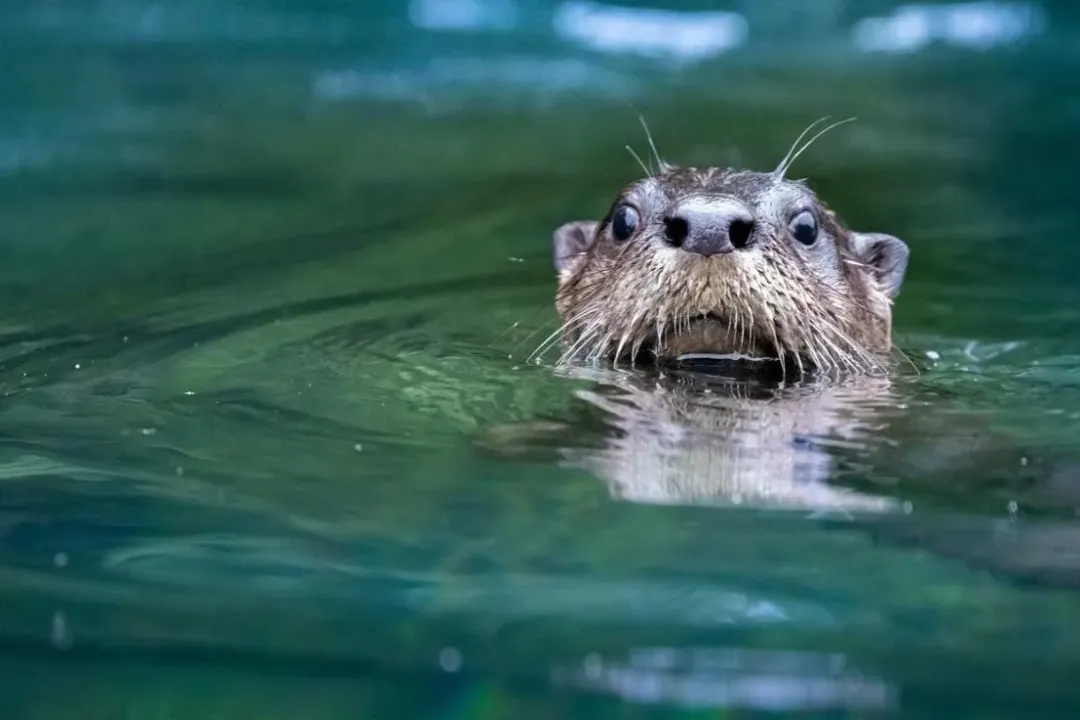
The North American river otter, Lontra canadensis, is a creature perfectly adapted to life both in and out of the water, making its presence across the United States quite broad, yet sometimes surprisingly localized. Determining exactly where these playful mammals reside requires looking beyond simple state lines and focusing instead on the presence of clean water and available food sources. [2][3] Historically, river otters occupied nearly every state in the contiguous U.S., but declines in water quality and habitat destruction led to significant range contractions throughout the 20th century. [1] Today, while they have made impressive comebacks in many areas due to conservation efforts, their current distribution reflects a patchwork of recovery and long-established populations. [9]
# General Range
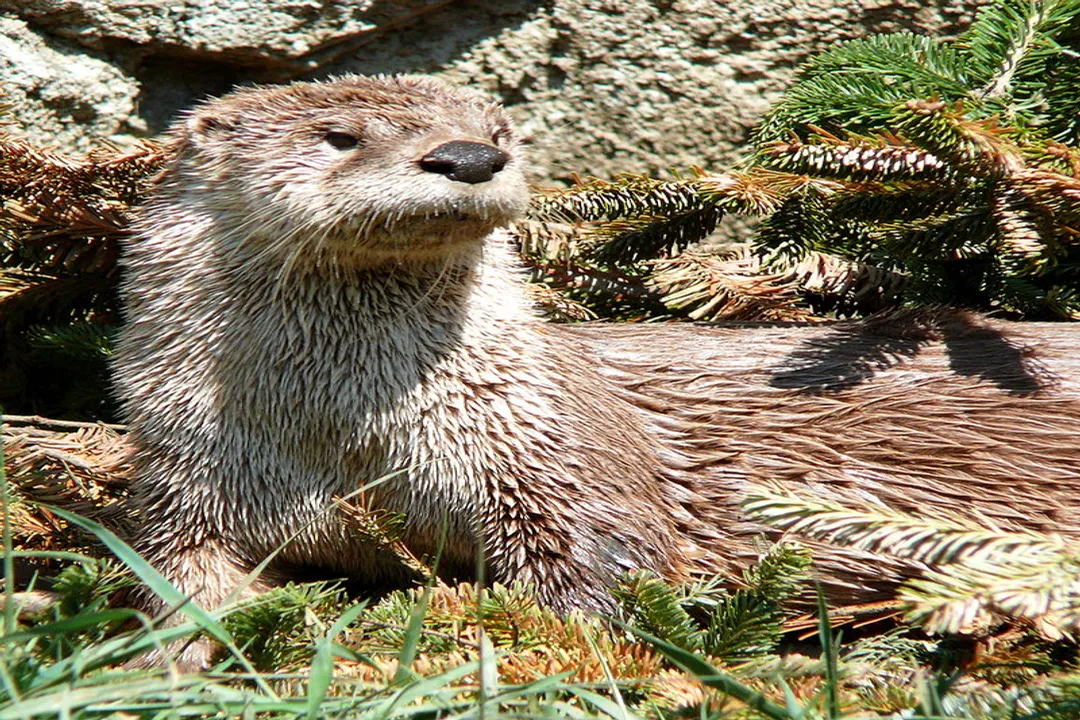
The overall distribution of the North American river otter covers a vast territory stretching from Alaska and Canada down into Mexico, encompassing most of the United States. [6] Within the U.S., their range is generally described as spanning most of the country, although some sources indicate that populations are absent from the arid Southwestern states like Nevada, Arizona, and New Mexico, as well as parts of the Midwest and high desert regions. [1][3] They are primarily freshwater mammals, though they can thrive in brackish and saltwater environments, which expands their potential territory considerably. [2][4]
A common way to visualize their current location is by looking at major water systems. They are naturally associated with the Mississippi River basin and the Pacific Northwest, but their presence extends far beyond these obvious corridors. [1] The species' ability to inhabit diverse aquatic settings—from large rivers and lakes to coastal marshes—allows them to persist where other specialized aquatic mammals might struggle. [3][9] This adaptability is key to understanding why they can be found in locations as disparate as the dense swamps of Louisiana and the rocky estuaries of the Pacific coast. [7]
# Eastern Presence
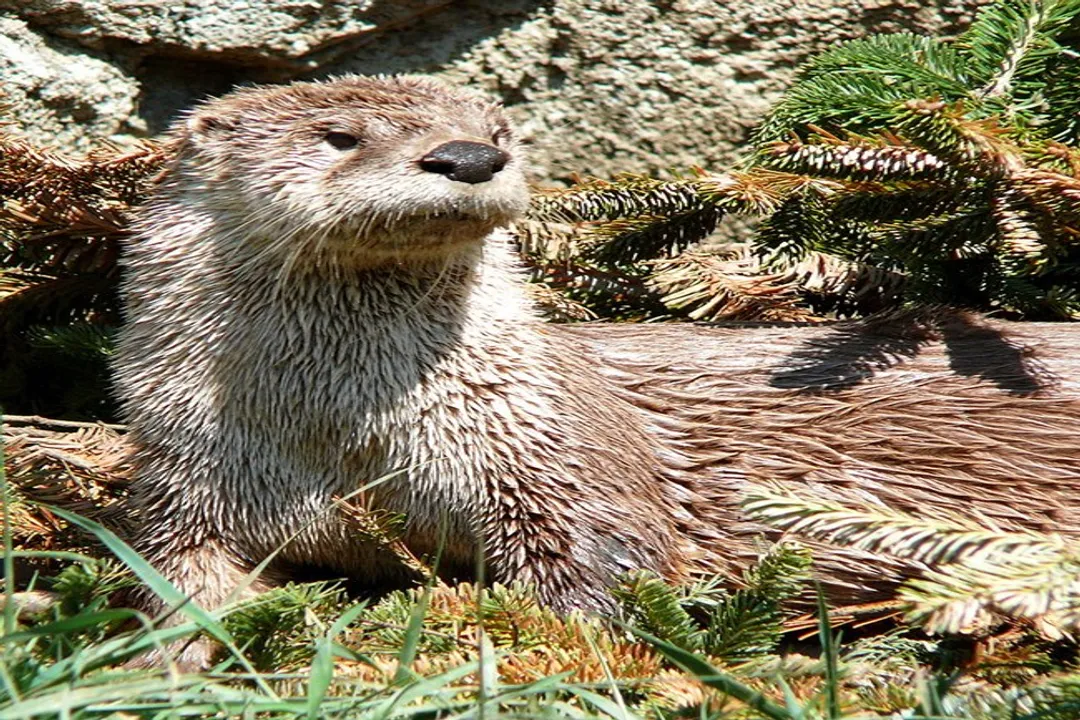
The Eastern United States hosts robust and widely recognized populations of river otters, though even here, local extirpations once occurred. [1] The Atlantic slope drainage systems are critical habitat. This includes the rivers and streams flowing into the Atlantic Ocean, from the Northeast down to Florida. [1] In the mid-Atlantic states, observing an otter might mean looking near major waterways like the Susquehanna or Delaware River systems, provided the water quality supports a healthy fish population, their primary food source. [5][9]
Moving south, the Gulf Coast states—Texas, Louisiana, Mississippi, Alabama, and Florida—are particularly important strongholds for the species. [1] Louisiana, with its extensive bayous, marshes, and coastal estuaries, is known for its substantial otter numbers. [4] The brackish and saltwater tolerance of the river otter allows it to flourish along these low-lying, interconnected water bodies. [7] One interesting area for local wildlife enthusiasts looking for signs is near the Great Lakes and their connecting tributaries, such as in Michigan or Ohio, where these otters are firmly established, often near slower-moving, vegetated shorelines. [8]
A helpful observation for anyone tracking local wildlife is to consider the age of the waterway infrastructure. Areas where older, more established river channels and natural floodplains remain relatively intact—often outside heavily urbanized centers—tend to maintain healthier, more stable otter populations, even if the main river appears polluted in the city center. [9] Otters use the entire watershed, so a healthy upstream tributary can support a population miles downstream.

# Western Waterways
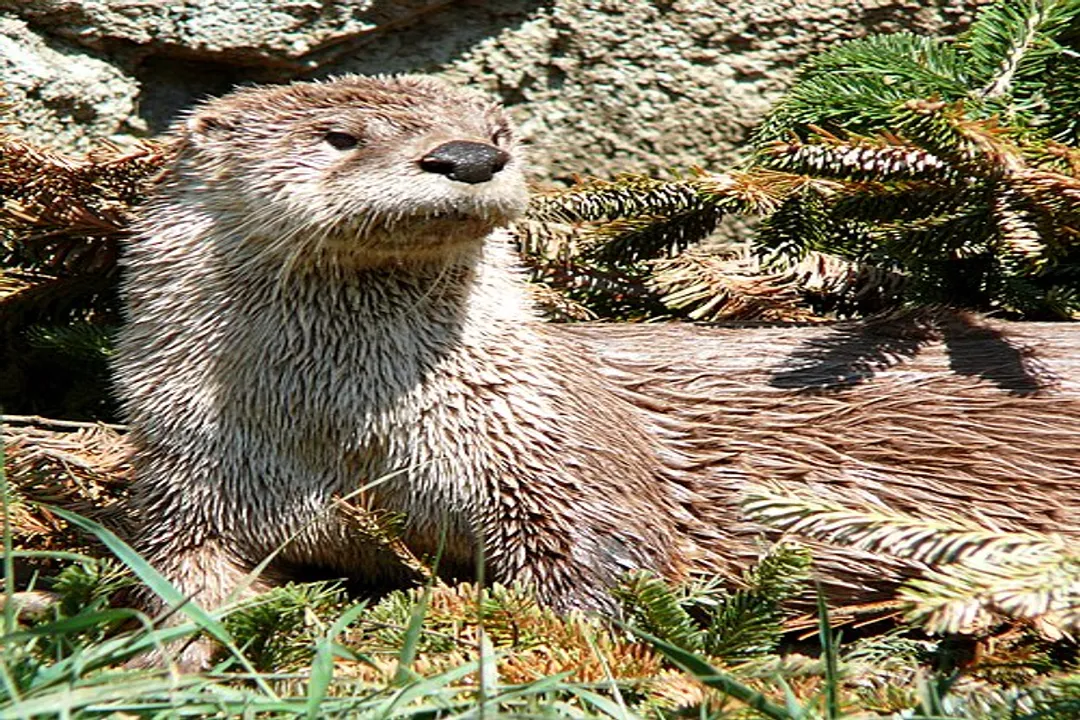
Out West, the distribution is more segmented, often following the major river systems that cut through the terrain. The Pacific Northwest is a crucial area for Lontra canadensis, particularly in Washington, Oregon, and northern California, where they are found in coastal streams, estuaries, and forested river systems. [1][7] The presence of sea otters along the immediate coast can sometimes create confusion, but river otters are far more common in freshwater environments and estuaries. [7]
In the Rocky Mountain region, river otters typically stick close to major water sources like the Snake River or the Columbia River drainage systems. [1] Their presence often signals a relatively high degree of water health, as they are sensitive to prolonged exposure to certain pollutants that accumulate in the food chain. [3] If you are in Montana or Idaho, looking for otters means focusing on areas with sufficient cover along the banks and consistent fish populations throughout the winter months, when their semi-aquatic lifestyle is most challenging. [1]
Contrastingly, the Southwestern desert regions present a stark ecological barrier. While some localized, remnant populations might exist along the few permanent rivers fed by snowmelt—like the upper reaches of the Rio Grande or specific tributaries—large, continuous populations are not generally found across the arid landscapes of Arizona or Nevada. [1][3] Their absence in these dry areas highlights their dependency on permanent, year-round aquatic habitat. [9]
# Subspecies Variation
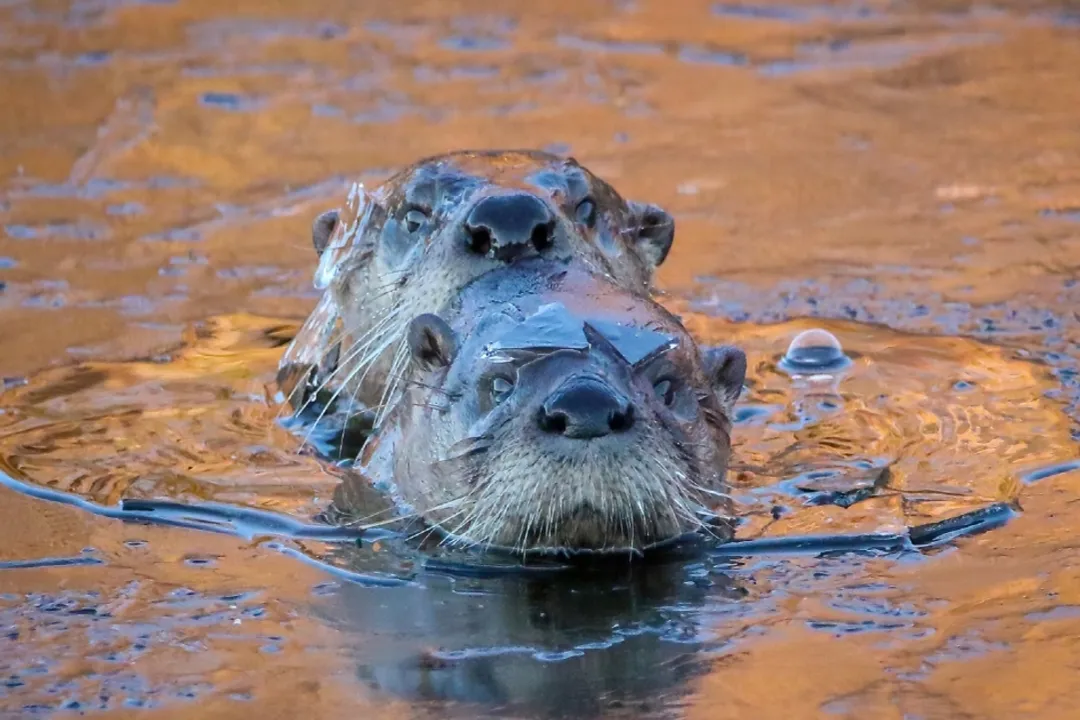
It is important to remember that the North American river otter isn't one single, uniform population across this wide geography; several recognized subspecies exist, adapted to their specific regions. [1] While they all share the same fundamental biology, these regional differences reflect adaptation to local climate and prey availability. For instance, otters found in the coastal areas of the Pacific Northwest might be genetically or morphologically distinct from those inhabiting the swamps of the Gulf Coast. [1]
If you encounter information referencing river otters in areas far removed from major river corridors, such as small, isolated lakes in the upper Midwest, these areas represent pockets of successful habitat connectivity, often maintained by diligent state wildlife management programs. [8] These isolated groups can be particularly vulnerable to localized threats if they become disconnected from larger river networks.
For instance, in the Great Lakes region, such as near Michigan, the otters are tied closely to the river and lake ecology, utilizing both freshwater resources and the connectivity provided by the lakes themselves. [8] This contrasts slightly with coastal populations that regularly utilize salinity gradients in their daily movements. [7] Understanding which subspecies or local population you are observing can sometimes offer insight into the specific environmental pressures or conservation success stories of that particular region. A deeper dive into state-specific wildlife reports might reveal that while the species is listed as "present," the actual population density varies wildly, sometimes meaning you are more likely to see scat or slides than the animal itself. [5]
# Habitat Indicators
To successfully locate a river otter, one must look for specific habitat indicators, which go beyond simply identifying a river. [9] Otters require three main things: good water quality, abundant food (fish, crayfish, amphibians), and suitable den sites, called holts. [2][3]
- Water Quality: Otters act as bioindicators. [3] Their presence is a good sign that the water is relatively clean, as they eat organisms high on the food chain and are sensitive to persistent toxins. [2] If you are in a river system known for heavy industrial discharge, you might find fewer otters, or they might be restricted to cleaner tributaries far upstream from the pollution source. [9]
- Food Availability: Look for areas where fish populations are dense and accessible. Deep pools in rivers, slow-moving streams with undercut banks, and the edges of clear lakes are prime feeding grounds. [4] In coastal zones, productive estuaries rich in shellfish and bottom-dwelling fish are favored. [7]
- Holts and Resting Sites: While they may not always use traditional dens, they need places to rest and raise young. Look for abandoned muskrat or beaver lodges, or natural cavities under tree roots along the bank. [2] A tell-tale sign of activity is the presence of "slides"—smooth, muddy or snowy banks where they repeatedly slide down into the water—often near good foraging spots. [5]
If you are visiting a national park or protected area, like those managed by the National Park Service, checking their specific resource pages often yields information about recent otter sightings, as these areas frequently prioritize habitat protection that benefits them. [9] For example, an otter might be present in a national park in the Pacific Northwest, but due to thick forest cover and wary behavior, you might only find evidence of its passage rather than the animal itself. [9] Recognizing the distinction between habitat presence and actual visual confirmation is key for anyone hoping to spot one. Seeing signs, like holts or slides, in an area designated as otter habitat is often the most realistic expectation for an amateur observer. [5]
Related Questions
#Citations
North American river otter - Wikipedia
North American river otter - National Zoo
North American River Otter | National Wildlife Federation
North American River Otter
Two North American River Otters | U.S. Fish & Wildlife Service
North American River Otter - International Otter Survival Fund
North American River Otter - Haystack Rock Awareness Program
North American River Otter - Saginaw Children's Zoo
North American River Otters (U.S. National Park Service)