Are there sea otters in the US?
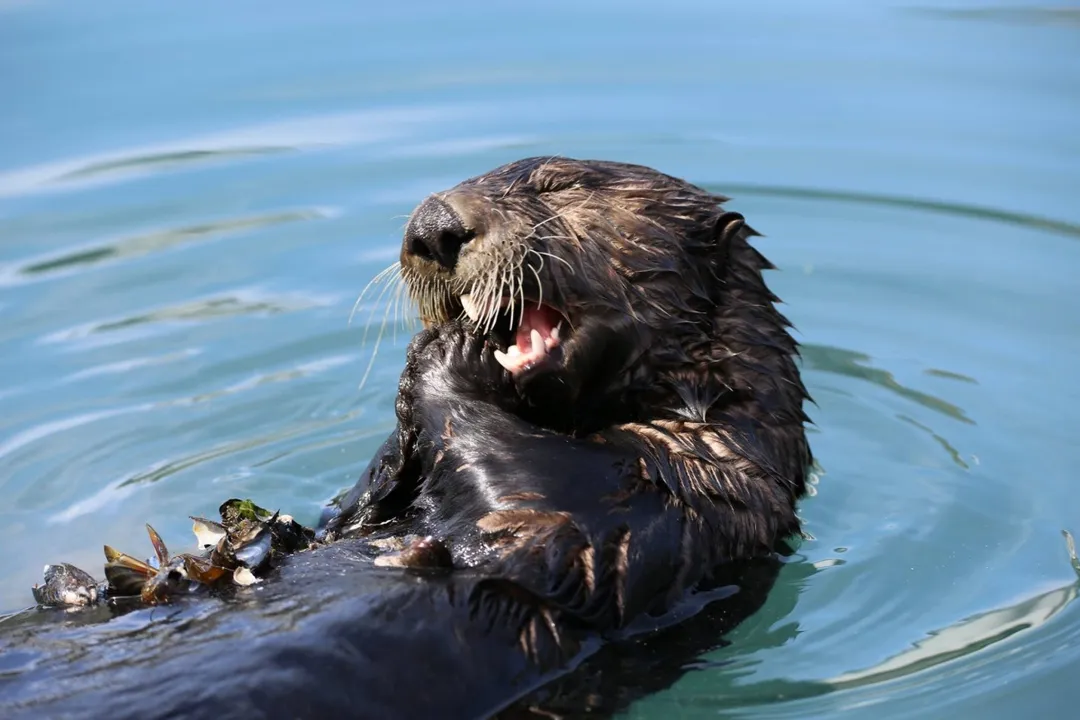
This furry marine mammal, often recognized by its expressive face and habit of floating on its back, is indeed found in the United States. The sea otter (Enhydra lutris), a charismatic resident of the cold northern Pacific waters, calls several American states home, though its presence is strictly confined to the western edge of the continent. The story of their existence here is one of near annihilation followed by a hard-fought, ongoing recovery, making them a true icon of marine conservation efforts.
# Pacific Occupants
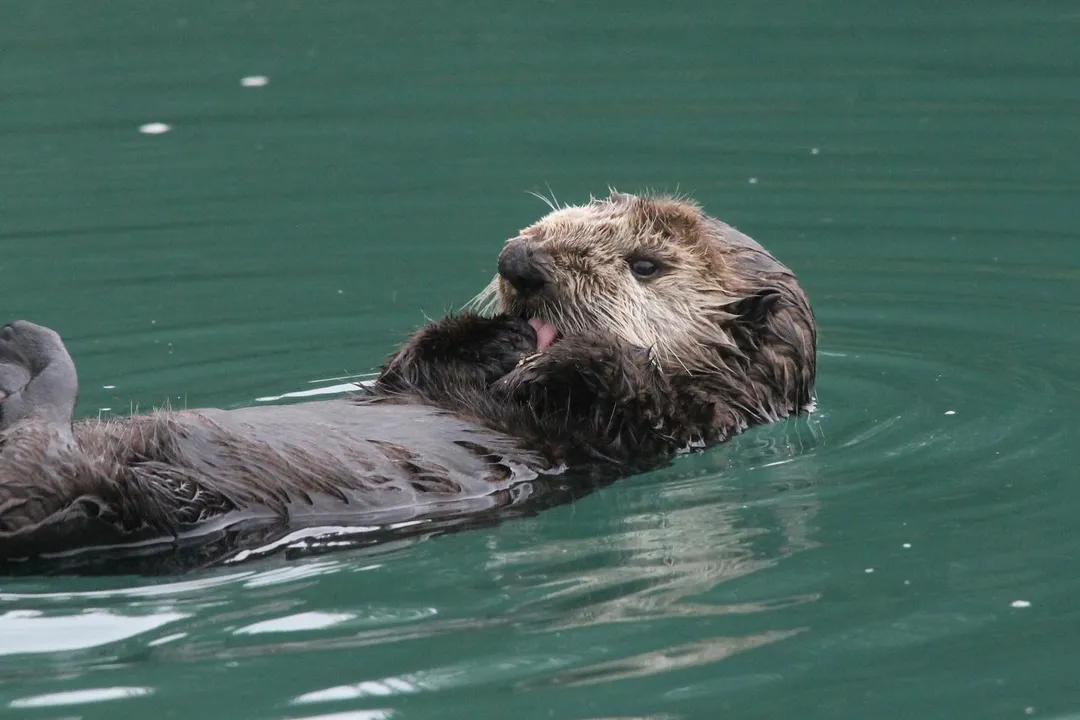
The United States hosts sea otters along the Pacific coastline, but their presence isn't uniform across the shorelines. In fact, North America is home to two distinct otter species: the sea otter and the smaller North American river otter, which inhabits freshwater systems across most of the US, though only the sea otter holds the title of being fully aquatic.
Sea otters are categorized into subspecies based on geography, and two of these reside within US boundaries: the Northern sea otter (Enhydra lutris kenyoni) and the Southern sea otter (Enhydra lutris nereis).
Alaska stands as the absolute stronghold for the species, hosting approximately 90 percent of the world’s sea otters. This vast population of northern sea otters is spread across diverse national parks and refuges, including the waters near Kenai Fjords National Park and Glacier Bay National Park & Preserve.
Moving south, Washington State also supports a population of northern sea otters, thanks to reintroduction efforts in the early 1970s. These otters now number in the low thousands along the Olympic Peninsula's outer coast.
The southern subspecies, E. l. nereis, is exclusive to California. This population is currently concentrated along the central coast, with a primary range stretching from San Mateo County down toward Santa Barbara County. Unlike their northern cousins, the California population remains significantly depressed compared to historic levels and carries the federal designation of Threatened under the Endangered Species Act (ESA).
Oregon’s story is one of loss and tentative hope. The native population was likely wiped out by 1906, and a 1970s translocation effort failed, meaning the state currently has no established, stable population. Sightings, though exciting, are described as sporadic.
# Thickest Fur
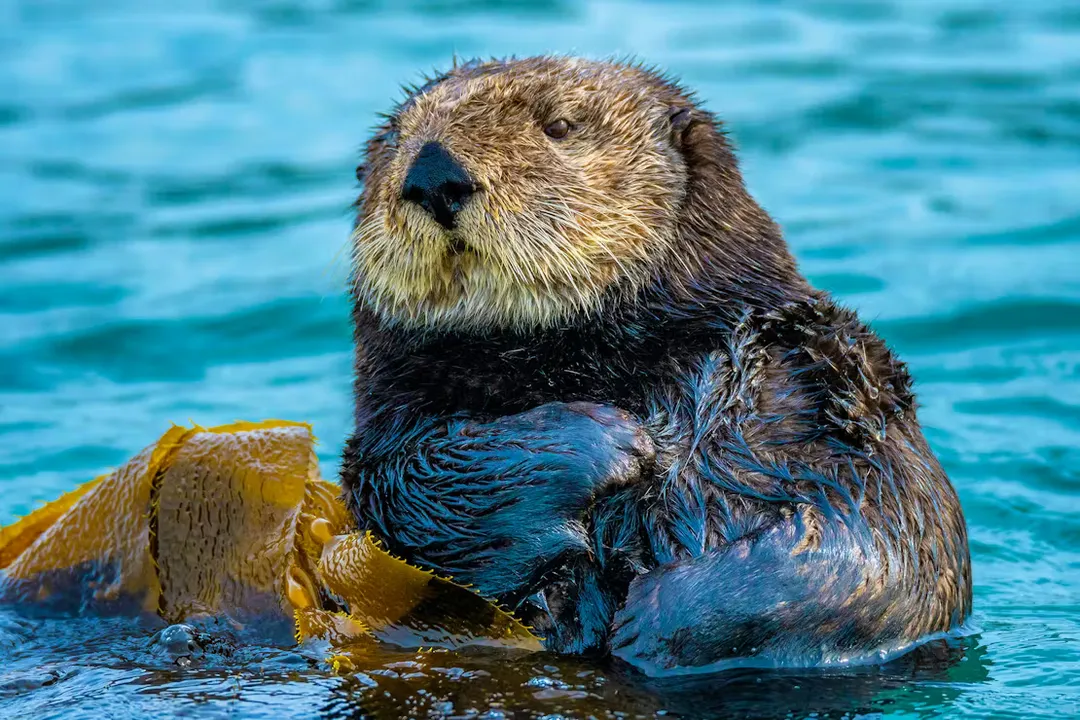
What makes this animal so uniquely suited—and vulnerable—to its cold marine environment is its legendary coat. Sea otters are the heaviest members of the weasel family, but they lack the insulating blubber layer common to many marine mammals like seals and whales.
To combat the relentless chill of the northern Pacific, they rely entirely on their fur, which is the densest in the animal kingdom. Estimates suggest they possess between 600,000 to 1,000,000 hair follicles per square inch. This incredibly thick, two-layered coat traps a vital layer of air against their skin, which is heated by their body warmth and acts as the primary insulator.
This extreme reliance on fur necessitates near-constant care. Sea otters dedicate a significant portion of their day to meticulous grooming—cleaning, untangling, and fluffing their coat to ensure the outer guard hairs remain water-repellent and the insulating underfur stays dry and airy. The specialized nature of this insulation is so profound that it even influences their diving behavior; when they dive deep, the compression of that air layer reduces its insulating quality, a trade-off blubber-insulated animals do not face.
# Dietary Needs
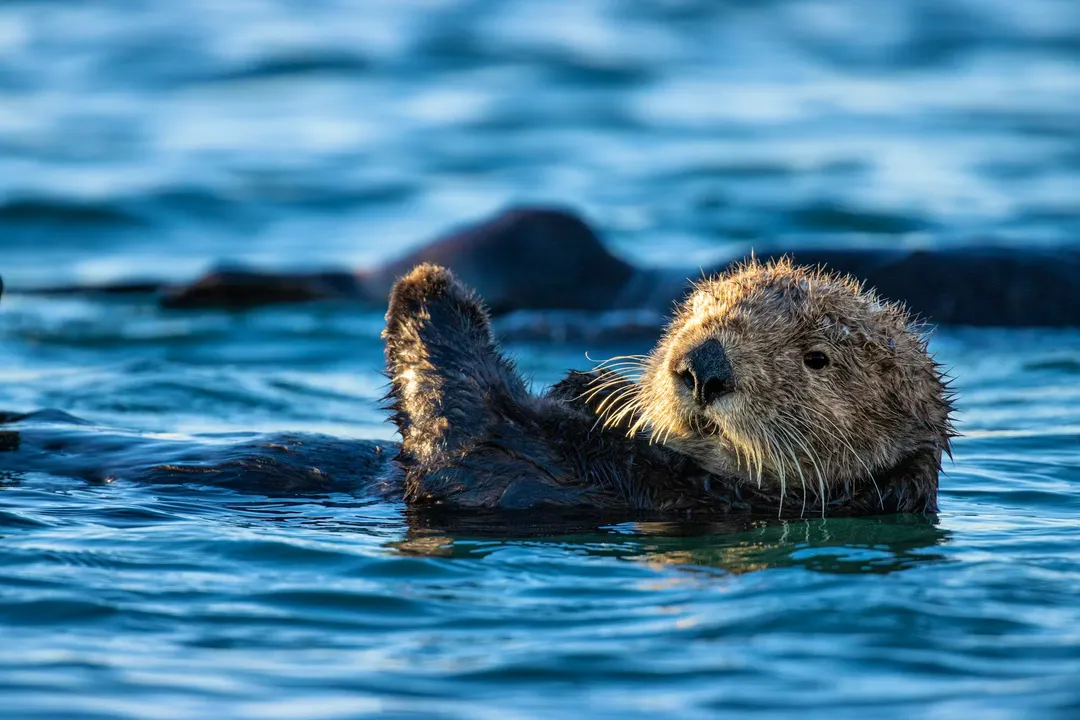
The need to maintain that high body temperature translates directly into an insatiable appetite. Sea otters maintain a metabolic rate two to three times higher than similarly sized terrestrial mammals. To fuel this furnace, they must consume an astounding amount of food daily—estimated to be between 25 to 38 percent of their own body weight.
Imagine a 150-pound person needing to eat between 37.5 and 56 pounds of food every single day just to stay warm! This incredible energy demand means that finding and processing food dictates much of the otter's existence. Their diet leans heavily on hard-shelled marine invertebrates found on the sea floor, such as sea urchins, clams, mussels, and crabs. This necessity for high-calorie intake drives their famous foraging techniques, which require frequent dives, typically lasting about a minute.
The northern subspecies, particularly in areas like Alaska, may incorporate more fish into their diet, whereas southern sea otters in California focus almost exclusively on invertebrates. The evolutionary path of the sea otter, a relative newcomer to a fully marine existence compared to seals or whales, highlights this extreme adaptation for heat retention through metabolism and fur, rather than fat storage.
# Keystone Effect
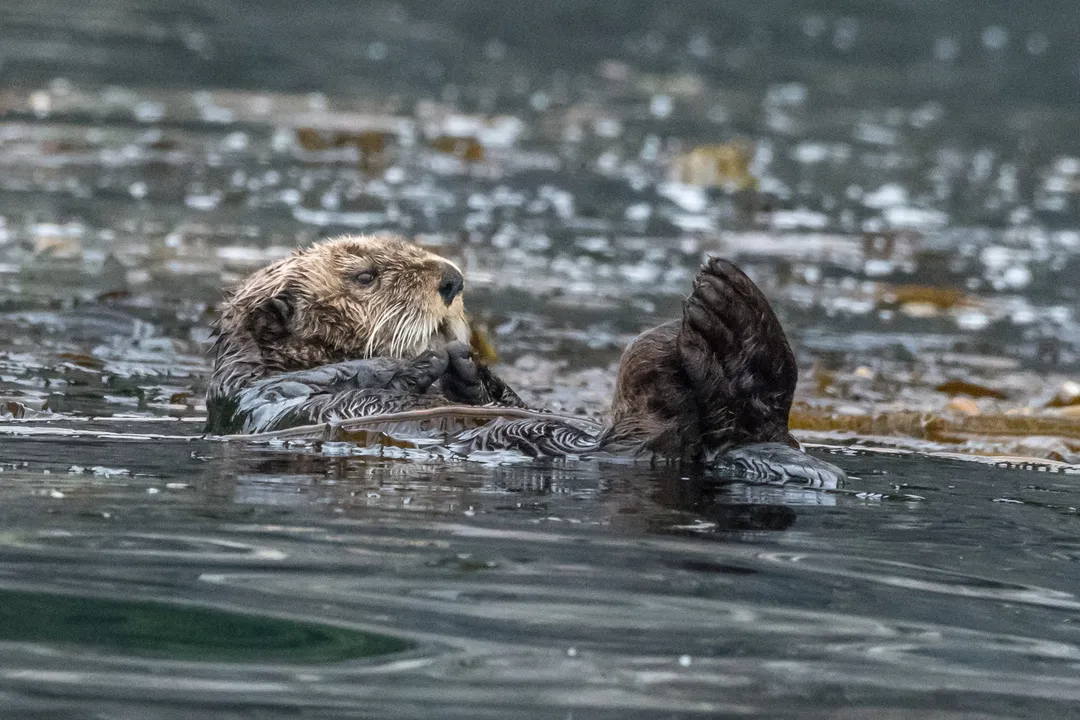
More than just charming foragers, sea otters are the textbook example of a keystone species in the North Pacific coastal ecosystems. Their presence is critical because their feeding habits cascade through the environment in ways disproportionate to their numbers.
The most well-documented effect is their predation on sea urchins. When sea otters are absent, urchin populations explode, leading to "urchin barrens" where they graze down the giant kelp forests to the seafloor. Kelp forests are not just pretty scenery; they are incredibly productive ecosystems that sequester carbon dioxide and provide essential habitat and food for countless other fish and invertebrate species. The recovery of sea otters, notably in places like Glacier Bay, Alaska, signals the ecosystem's return to greater diversity. In Glacier Bay, the sea otter population has rebounded from effectively zero to nearly 9,000 in about two decades, leading scientists to anticipate dramatic changes in the underwater environment there.
Beyond the kelp forest, their impact extends to estuaries, where they consume crabs, thereby allowing the growth of seagrass meadows which are vital for shoreline protection against storms. This work as ecological engineers means that a healthy sea otter population is often an indicator of a healthy overall coastal ecosystem.
# Subspecies Status
The status of the two US subspecies paints a diverging picture of conservation success and persistent fragility. While the overall worldwide population has rebounded somewhat from the devastating fur trade era, regional numbers vary significantly.
The Northern sea otter stocks in Southcentral and Southeast Alaska are generally stabilizing or increasing, though the Southwest stock (including the Aleutians) remains listed as threatened due to significant population declines suspected to be linked to increased orca predation. Washington’s reintroduced population is also growing steadily.
In sharp contrast, the Southern sea otter population in California, which famously rebounded from a remnant colony of just 50 individuals found in 1938, has stalled near 3,000 individuals. This small, highly concentrated population still merits its ESA listing because its limited range makes the entire stock extremely vulnerable to localized catastrophes like a single major oil spill. Furthermore, this population has shown concerning contractions in range and has struggled to surpass the 3,000 mark consistently in recent years, leading to ongoing scientific scrutiny about why recovery has plateaued.
# Modern Perils
The threats facing sea otters today are far removed from the mass hunting of centuries past, though human conflict remains a factor. The most serious modern danger remains oil pollution. Because they rely on fur for insulation, a coating of oil destroys their ability to trap air, leading rapidly to fatal hypothermia, as tragically demonstrated by the Exxon Valdez spill in Alaska.
Beyond acute pollution events, insidious threats are impacting the fragile California population. Scientists have identified increased mortality linked to disease and parasites. Specifically, the protozoal parasite Toxoplasma gondii, which is shed in the feces of domestic and wild cats, has proven fatal to sea otters after runoff carries it into the ocean. This represents a fascinating, if grim, example of how terrestrial pet ownership can directly influence the survival of a marine keystone predator.
Adding a layer of complexity to their food web struggles, sea otters face increased predation from killer whales in the Aleutian Islands, a suspected driver of the Southwest Alaska stock's decline. In California, while great white sharks occasionally bite otters, they typically do not consume them, mistaking them for seals.
# Protection Laws
The survival of the sea otter in the US is anchored by strong federal legislation born from the near-extinction event of the fur trade. The International Fur Seal Treaty of 1911 offered initial worldwide protection, but within the US, the Marine Mammal Protection Act (MMPA) of 1972 and the Endangered Species Act (ESA) provided critical, additional safeguards.
The ESA is particularly relevant to the Southern sea otter population in California, listing them as threatened partly due to their constrained geographic footprint. The Northern sea otter stocks are protected under the MMPA, though the Southwest stock also carries the ESA threatened listing.
Conservation groups actively engage in policy work beyond federal listing. For instance, in California, advocacy groups successfully pushed for a state tax contribution fund where taxpayers can voluntarily donate to fund sea otter research and public education. This collaborative approach, marrying state funding mechanisms with federal protection, is a specific hallmark of the ongoing recovery work in the southern range.
# The Human Element
The relationship between humans and sea otters is layered, moving from deadly exploitation to enthusiastic adoration and coexistence challenges. While the fur trade decimated numbers, today’s human interaction centers on coexistence, where the otters' health can be directly linked to human behavior on land and sea.
The concern over Toxoplasma gondii has led to direct action encouraging coastal residents, especially in California, to change simple waste disposal habits. Instead of flushing cat litter, which is not fully filtered by wastewater treatment plants, disposal should be via trash, thereby preventing the parasite from entering the marine environment where otters feed. Thinking about the watershed as a connected system—where terrestrial actions impact marine predators—is vital for effective conservation planning in areas like the Monterey Bay region.
On the water, the very charisma that makes otters compelling subjects for aquariums and viral videos also creates conflict with boaters and kayakers. Since otters are highly sensitive to disturbance, especially when resting in rafts or nursing pups, organizations like Sea Otter Savvy work to educate the public on maintaining safe, non-disruptive viewing distances. This recognition that harmless observation is still vital underscores the importance of respecting their energy needs, as every forced expenditure of energy due to disturbance is energy pulled away from fueling their intense metabolism.
Ultimately, sea otters are deeply embedded in the US Pacific coastal story—from the ancient cultures that valued their pelts and bones, to the modern communities debating fishery boundaries, to the scientists studying how their presence can help sequester carbon. They are present, protected, recovering in parts, yet still critically imperiled in others, making their continued presence a testament to decades of dedicated, localized conservation intervention.
Related Questions
#Citations
Sea otter - Wikipedia
Sea otter | Animals | Monterey Bay Aquarium
12 Facts About Otters for Sea Otter Awareness Week
Northern Sea Otter - Marine Mammal Commission
Otters in North America - International Otter Survival Fund
Otterly Irresistible Park Wildlife
Sea Otter | Defenders of Wildlife
Sea Otter - Hugh Miller Inlet (U.S. National Park Service)
Sea Otter - The Whale Trail