Where are Pitbulls found?
The term "Pitbull" often conjures a specific image, but understanding where these dogs are found requires first acknowledging that "Pitbull" itself is more of a general descriptor for several distinct breeds and types of dogs rather than a single, officially recognized breed by organizations like the American Kennel Club (AKC). [1][10] These dogs, which can include the American Pit Bull Terrier, the American Staffordshire Terrier, the Staffordshire Bull Terrier, and various mixes, are scattered across the globe, their presence dictated by historical migration, cultural acceptance, and often, local legislation. [1]
# Historical Spread

The origins of the dogs we commonly label as pitbulls trace back to the United Kingdom centuries ago. [2] They developed from crossing traditional bulldogs, known for their tenacity, with various terriers, which brought agility and spirit to the mix. [2] These early dogs were initially bred for the gruesome sports of bull-baiting and later, dog fighting, which spread their numbers across different regions as these activities gained traction. [2]
As people immigrated, they brought their dogs with them, leading to the diversification and establishment of these types in new territories, most notably the United States. [4] Transportation methods—planes, ships, and trains—have played a role in moving these dogs internationally, both intentionally by breeders and owners, and unintentionally through broader migration patterns. [4] This historical movement solidified their presence on multiple continents, setting the stage for their varied modern distribution. [2]
# Geographic Density
In contemporary times, the presence of pitbull-type dogs is highly uneven across the world. They are a significant component of the dog population in many urban and suburban settings, particularly within the United States. [3] Statistics related to shelter populations often reflect this prevalence; for instance, in some regions, these types of dogs make up a substantial portion of the animals entering municipal care systems. [6]
Conversely, their accessibility and visibility are strictly controlled in other locations. Numerous countries and municipalities have enacted Breed-Specific Legislation (BSL) that bans or heavily restricts the ownership, import, or even presence of dogs matching the pitbull phenotype. [7] This creates pockets where one might rarely see a pitbull in a private home or local park, due to outright prohibition. [7] Therefore, while they might be found in major metropolitan hubs globally due to immigration and rescue efforts, their legal distribution is fragmented, creating a complex map of acceptance versus prohibition. [7]
One interesting observation regarding their practical availability is how rescue organizations map onto local acceptance levels. Areas with fewer legal hurdles tend to have more pitbull-specific rescues or foster networks actively working to place these dogs, whereas in highly restrictive areas, the presence of these dogs might be limited to behind closed doors or within specialized, discreet fostering networks that circumvent public visibility. [9]

# Local Presence
On a local level, encountering a pitbull often happens through community interactions or unfortunate circumstances. Shelters and animal control facilities are primary locations where the public interacts with these dogs, particularly when an animal has been surrendered or found as a stray. [6][9] For those looking to help, specialized Facebook groups dedicated to lost and found pitbulls or pitbull mixes exist in many cities, indicating a strong, localized community response when these dogs go missing or are abandoned. [5]
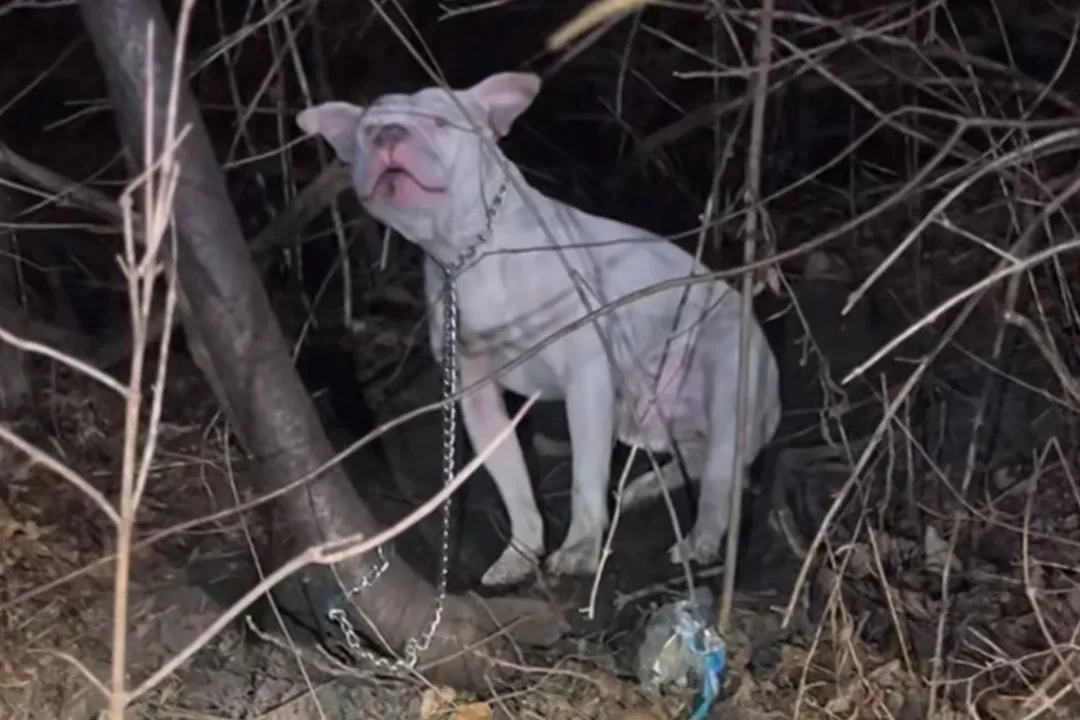
The discovery of stray or abandoned pitbulls, sometimes chained or left in remote areas like woods outside of New York, highlights that even in dense areas, these dogs can be found in precarious situations needing immediate intervention. [8] Finding a lost dog matching this description requires the finder to be aware of local ordinances, as the next steps for care or rehoming may be drastically different depending on the exact location's legal status regarding the dog's type. [9]
# Legal Status
The defining factor for where pitbulls are not found—or at least not openly found—is legislation. [7] The legal standing of these dogs varies drastically from one town to the next, or from one country to the next. [7]
When a municipality enforces a ban, the dog’s physical appearance, rather than temperament or pedigree, becomes the deciding factor for enforcement officers. [1][7] This leads to an interesting, if unfortunate, effect on the local population: the "shadow population." If owners in a highly regulated zone still possess a pitbull-type dog, they are often intensely careful to avoid public notice, perhaps only walking the dog very early or late, or keeping them exclusively indoors. [10] This creates an invisible community of dogs that, statistically, aren't counted as "present" but exist nonetheless, making accurate population counts in these restrictive areas nearly impossible. [6]
It is crucial for any potential owner or volunteer to determine the specific municipal code. One county might allow the dog while the neighboring county prohibits it, meaning a dog found just a few miles apart exists in completely different legal realities. [7]

# Understanding Breed Identity
The challenge in locating and tracking "pitbulls" is compounded by the fluidity of the identification itself. [10] Since the term covers multiple breeds and numerous mixes, identification often relies on visual assessment, which is inherently subjective. [1][10] A dog labeled an "American Pit Bull Terrier" by a shelter volunteer might be registered as an "American Staffordshire Terrier" elsewhere, or simply as a "Staffy Mix". [1] This inconsistency in labeling across different jurisdictions and rescue organizations adds another layer of complexity to accurately mapping their population distribution. [10] For instance, a high number reported in one county's shelter data might simply reflect stricter labeling practices compared to a neighboring county that might be under-reporting similar-looking dogs as "mixed breed" without further description. [10]
The widespread recognition and strong cultural association with pitbull-type dogs, for better or worse, means they are frequently discussed, searched for, and documented in local news, social media reports, and rescue databases, ensuring that, even where banned, they remain highly visible figures in the overall narrative of canine companionship and welfare. [5][8]
Related Questions
#Citations
Pit bull - Wikipedia
The History of Pit Bulls - Love-A-Bull
Pit Bulls: Everything You Need to Know - Best Friends Animal Society
How are American pit bull terriers found all over the world, in ... - Quora
Pit Bull Lost and Found - Facebook
Population of Pit Bulls - PitbullHero
Countries and Regions Where Pitbulls Are Allowed and Banned
Pit Bull Mix Found Abandoned and Chained to Tree in 'Freezing ...
Finding A Stray Pit Bull | Los Angeles Dog Rescue
Is a Pitbull a Breed? - The Animal Foundation