Where do nuthatches go in the winter?
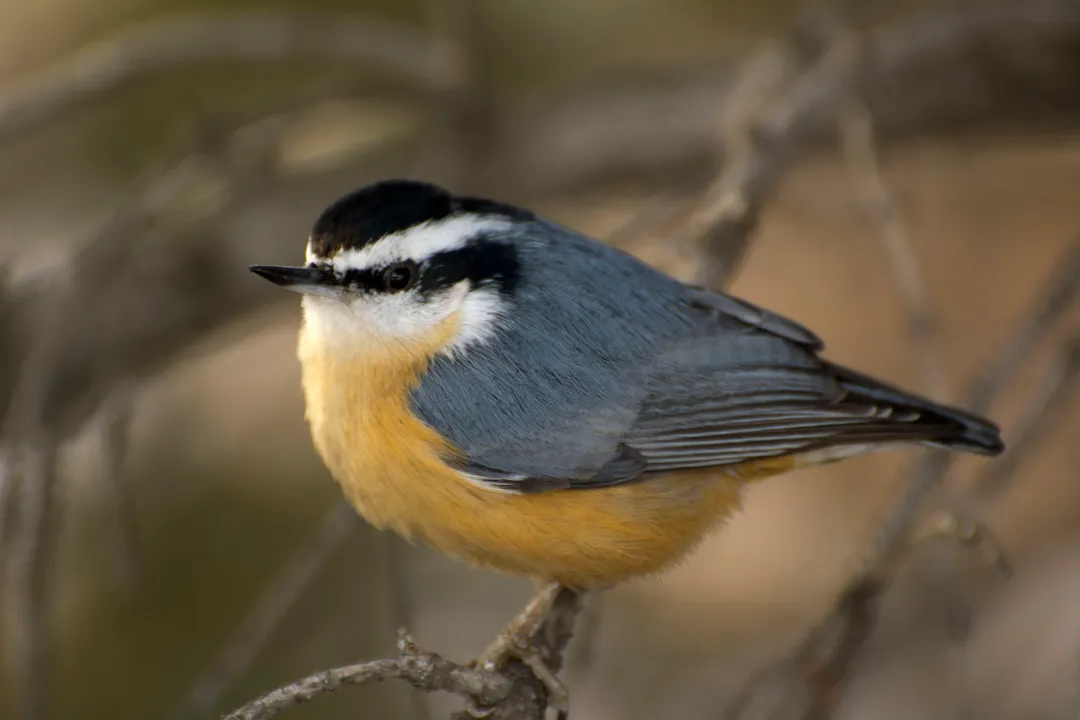
The common query about where nuthatches disappear to when the temperature drops usually reveals a surprise: for many of these acrobatic little birds, the answer is they don't really go anywhere. [5][7] Unlike many songbirds that undertake long migrations south, most nuthatch species found in North America, such as the familiar White-breasted Nuthatch, are considered year-round residents in their established territories. [6][8] They are built to handle the cold, but surviving the harsh realities of winter demands specialized behaviors that go far beyond simply growing thicker feathers.
# Resident Behavior

For the White-breasted Nuthatch, staying put is the norm; they typically do not migrate significant distances, remaining in the same general area throughout the year. [8] The smaller, often more rust-colored Red-breasted Nuthatch exhibits a bit more flexibility in its winter movements. [3] While it can also be a permanent resident, the Red-breasted Nuthatch is known for being more nomadic, sometimes moving south when the cone crops fail in their northern coniferous forest homes—an event known as an irruption. [1][2][3] This difference in movement strategy highlights how resource availability, not just temperature, dictates winter survival for different species within the same family. Even when remaining in place, these small birds must employ energy-saving tricks to maintain their core body temperature through freezing nights. [1]
# Food Caching
The single most critical adaptation for overwintering nuthatches is their incredible ability to cache food. [6][9] They are industrious hoarders, spending the warmer months gathering seeds, nuts, and insects and meticulously tucking them away for the lean winter ahead. [1] The White-breasted Nuthatch is particularly adept at this, reportedly storing thousands of seeds throughout the season. [8] These bits of food are wedged into bark crevices, under loose bark flakes, or sometimes even pushed into cracks in wooden structures. [1][8]
This caching behavior is not just a casual habit; it is a lifeline. In fact, some observations suggest that nuthatches may rely on their stored supply for up to 80% of their necessary diet on certain cold winter days. [9] A deep understanding of local tree structure becomes an essential skill for a resident nuthatch. A bird that relies on thousands of individual, hidden food stores needs access to mature trees with complex bark patterns—an environment that can be severely disrupted by large-scale land clearing, making the quality of their winter habitat as important as the quantity of food they manage to store. [8] A successful caching season is directly proportional to a bird’s ability to find adequate shelter and food sources during a snowstorm when foraging is impossible. [9] The Red-breasted Nuthatch also caches, though perhaps its nomadic nature helps it escape prolonged local shortages that might cripple a strictly resident bird. [2]
# Winter Roosts
When the sun sets and temperatures plummet, finding a safe, insulated spot to spend the night becomes the second key to survival. [1] A nuthatch’s first defense against the cold is simply to fluff up its feathers. [1][8][9] This traps a layer of insulating air close to the body, similar to putting on an extra down jacket.
However, insulation alone is often not enough, leading them to seek out sheltered roosting sites. [5] These spots are usually dark, tight spaces that block wind and provide some residual warmth. Man-made structures often become invaluable assets in this search. [5] Nuthatches frequently utilize natural tree cavities, but they are also known to seek refuge in old woodpecker holes, or even birdhouses intended for species like chickadees or wood ducks, provided the entrance hole is just the right size. [1][4][7] These cavities offer a significant advantage because they minimize surface area exposure to the biting cold night air. In areas where dense forest cover is scarce, the presence of large, old trees with natural openings or even sheltered eaves on human structures can make the difference between surviving the night and succumbing to hypothermia. [6]
# Species Movement
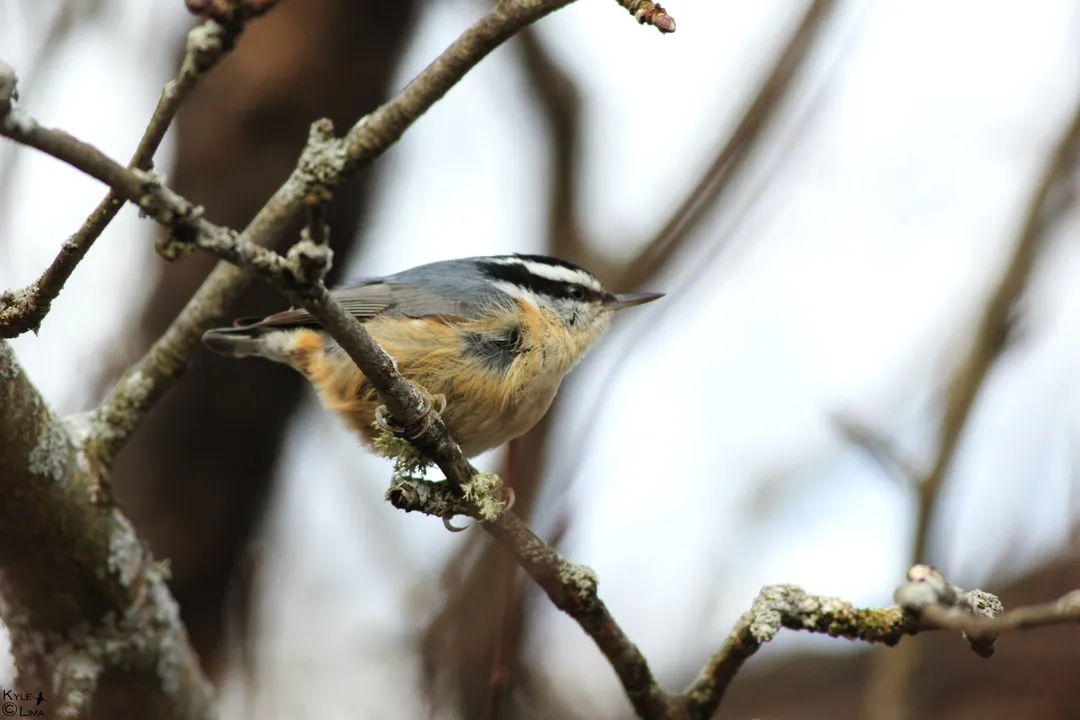
While many nuthatches stay put, recognizing the patterns of the more mobile species provides context to their overall winter survival. As noted, the Red-breasted Nuthatch is often the one that appears in large numbers far south of its typical range when food in the north is scarce. [1][3] Its preferred habitat often includes stands of conifers, and if the cone crop—a primary food source—is poor, the entire local population may shift southward in search of better yields. [3] This is a pattern quite distinct from the steady, year-round presence of the larger White-breasted species in the same general habitat types. [1][8]
If you observe nuthatches in your yard late into autumn, you are likely seeing residents, or at least those who have decided their local food cache and shelter options are sufficient for the coming months. The Red-breasted Nuthatch often carries a distinct, nasal “yank-yank-yank” call, which can be a good way to differentiate it from the oft-heard, higher-pitched, whistled call of the White-breasted Nuthatch. [3]
# Backyard Support
For those who enjoy watching these birds year-round, understanding their winter needs directly translates into effective backyard support. [2] Since foraging for insects becomes nearly impossible when the ground freezes and bark is encased in ice, supplementary feeding becomes very important for resident populations. [9]
If you wish to attract and keep these active foragers through the winter, focusing on high-energy, easy-to-access foods is key. Sunflower seeds, particularly black oil sunflower seeds, are highly favored by nuthatches. [2] Placing feeders near dense cover, such as evergreen shrubs or dense vine tangles, is crucial. Remember that even when feeding, nuthatches operate under the constant stress of predator detection and the need to conserve energy.
A helpful strategy is to consider placement relative to their roosting habits. If you notice nuthatches frequenting a specific tree cavity or nest box during the day, try placing a feeder within a short, quick flight of that shelter. This reduces the duration of their exposure to open air while traveling between a warm overnight spot and a crucial mid-morning energy refill. Furthermore, while they are masters of storing seeds in bark crevices, they will readily use suet as an easy, high-fat alternative when natural insect food is unavailable, which they will often wedge into the mesh of a suet cage or directly into bark crevices just as they would a seed. [1] This dual reliance on stored seeds and fresh, high-fat supplements like suet shows how flexible they must be to survive the coldest stretches.
Related Questions
#Citations
Four Nuthatches, Four Ways to Make It Through a Cold ...
A Nuthatch Winter | Nature, Garden, Life
Red-breasted Nuthatch | Audubon Field Guide
Red-breasted nuthatch brings cold weather
Where Do Winter Birds Go At Night?
Fun Facts About Nuthatches
Chickadee and Nuthatch Stay for the Winter
White-breasted Nuthatch
On nuthatches and other birds in winter