Can you have a Tibetan fox as a pet?
The fascination with wild canids often leads people to wonder about keeping the more unique species, like the Tibetan fox, as a companion animal. These creatures possess an undeniable allure, from their distinct appearance to their remote, high-altitude homes. However, turning curiosity into ownership requires a sober look at biology, legality, and ethics, especially when dealing with a species as specialized as the Tibetan fox.
# Species Identity
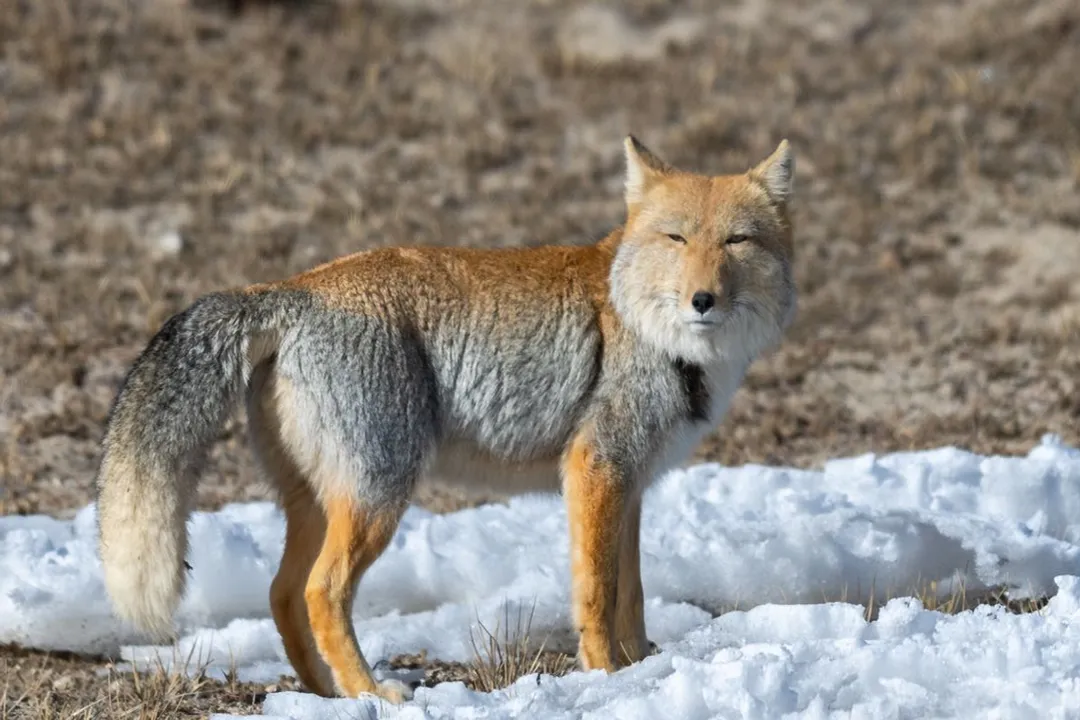
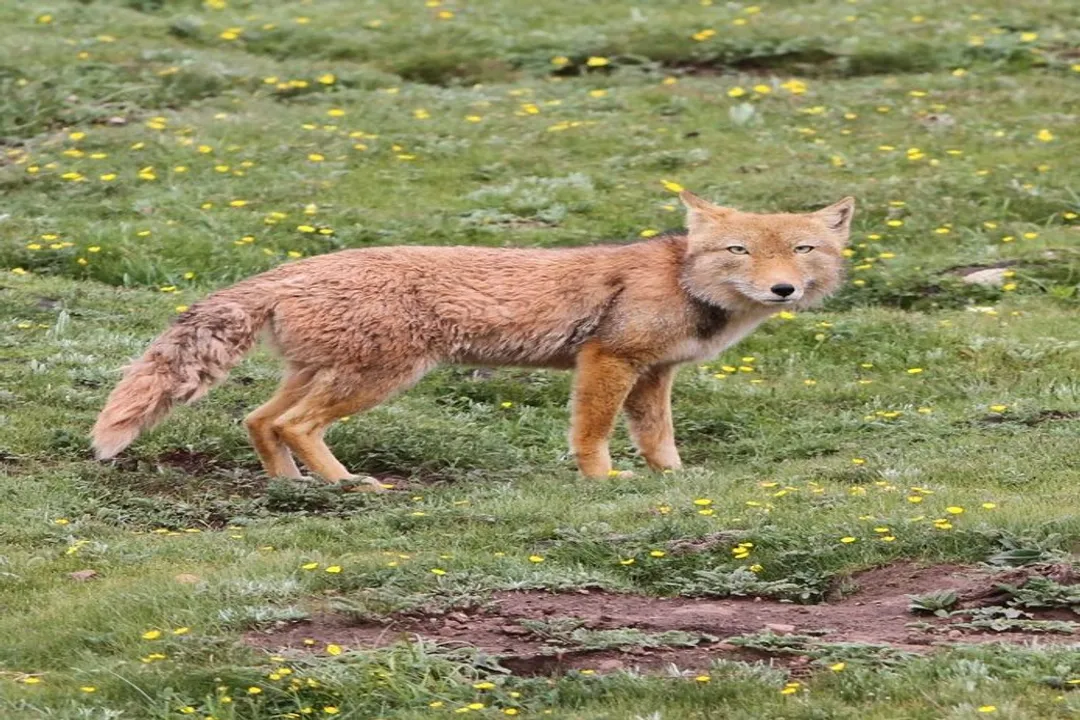
The Tibetan fox, sometimes referred to as the Tibetan sand fox, is a creature uniquely built for its environment. [9] This species inhabits the high-altitude grasslands and steppes of the Tibetan Plateau, thriving in elevations ranging from about 800 to 5,300 meters (approximately 2,600 to 17,400 feet). [9] They are perfectly adapted to these harsh, arid conditions. [6]
Physically, they are smaller than the common red fox, featuring a stocky build, relatively short legs, and a prominent, thick muzzle. [9] Their dense, pale fur provides necessary insulation against the extreme cold of their native home. [9] Perhaps one of their most noted characteristics, frequently shared in popular media, is a somewhat stern or unimpressed expression, often described as a side-eye. [6]
# Wild Adaptation
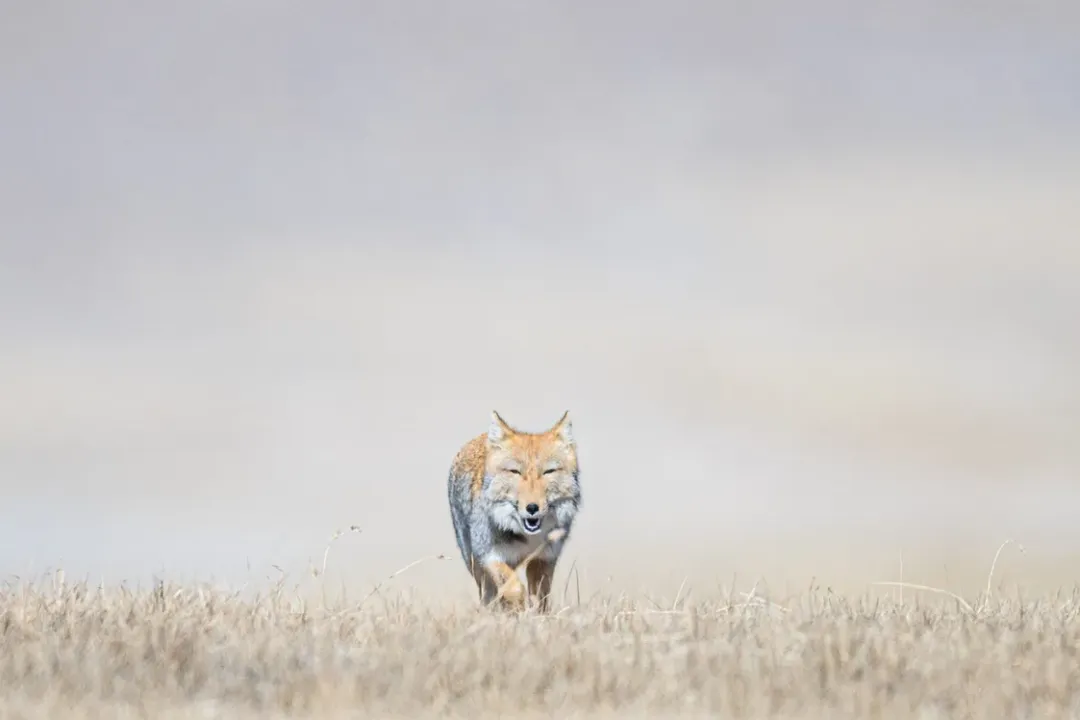
Understanding where the Tibetan fox lives tells us a great deal about its suitability as a pet. Its entire existence is interwoven with the specific ecology of the Tibetan Plateau. [6] Their diet is highly specialized, consisting almost entirely of pikas, small mammals that burrow in the grasslands. [9] This dependency on a specific prey source is a hallmark of a species that has evolved within a stable, specialized niche. [6]
For an animal adapted to such extreme elevation and a specialized diet, attempting to replicate its environment in a typical domestic setting presents an insurmountable challenge. A domesticated or captive environment simply cannot mimic the vast, sparse, and climatically extreme terrain where they naturally thrive. [9] It is essential to recognize that this species is not just a fox; it is the fox of the high plains, perfectly engineered for that existence. [6]
# General Fox Petting
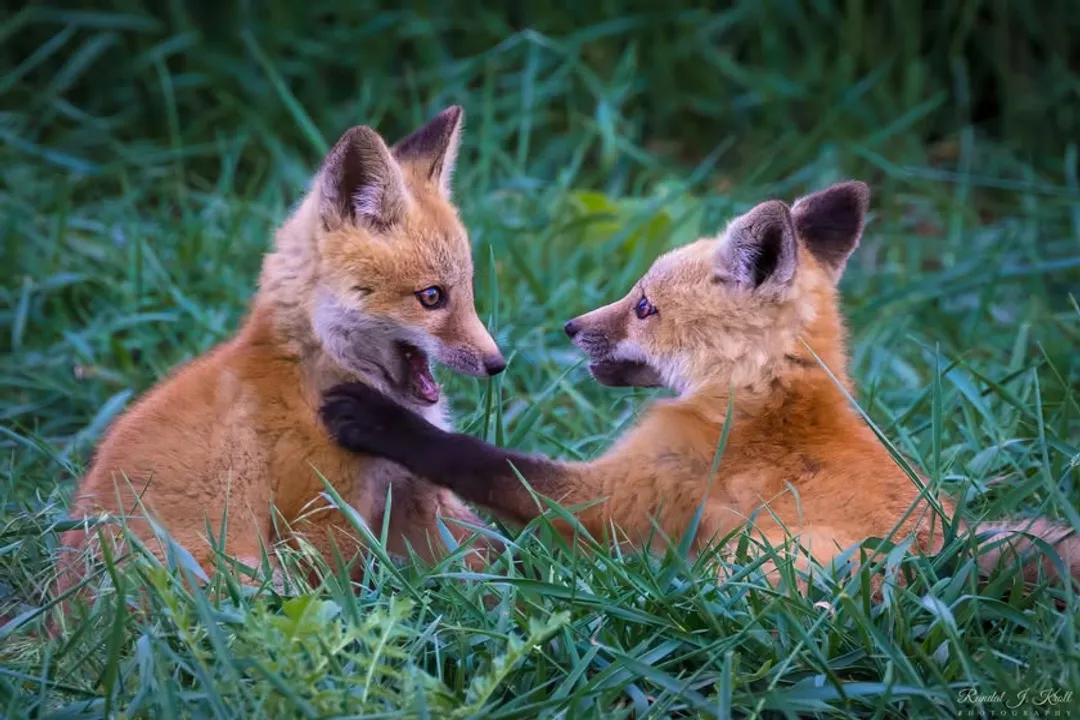
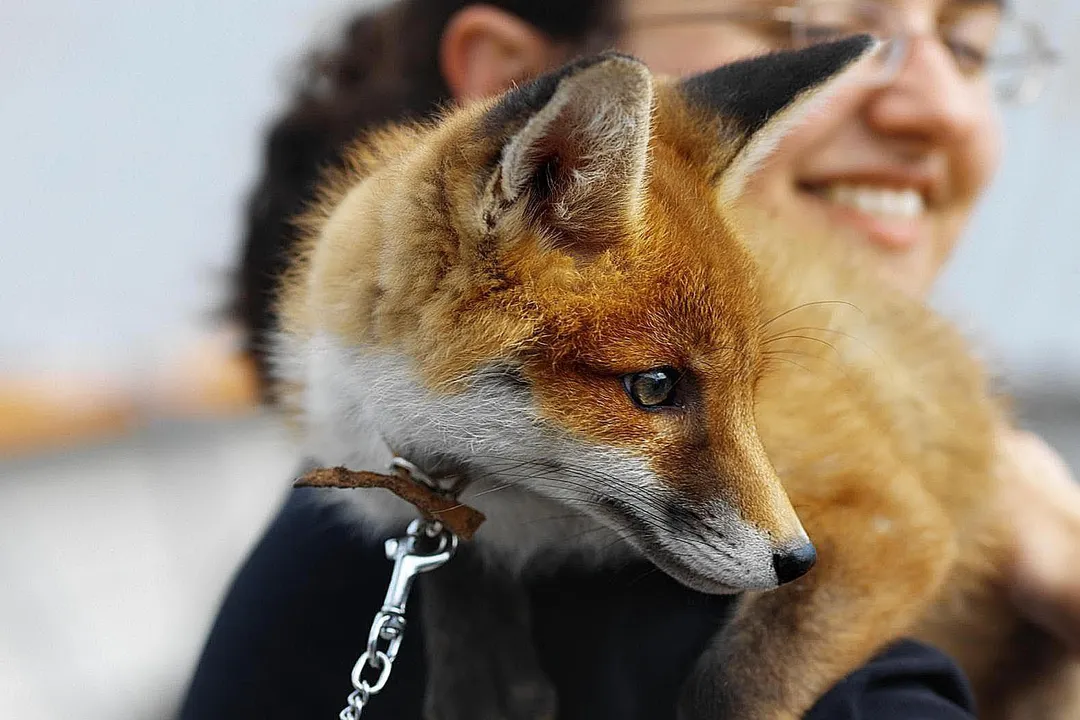
When considering any fox as a pet, general biological realities must be assessed first, even before focusing on the Tibetan species. Many foxes kept domestically, if legally allowed, are species like the Fennec fox, Arctic fox, or the commonly domesticated Red fox, often descendants of captive breeding programs. [2] Even these more commonly encountered pet foxes require highly specialized care, often needing much more space and specific environmental enrichment than typical domestic animals. [8]
Foxes, in general, possess strong, distinct odors. They are known for scent-marking their territories, which can make them unsuitable for indoor living, especially for owners accustomed to the discreet nature of cats or dogs. [8] Furthermore, they retain strong wild instincts; they are not truly domesticated like dogs, but rather tamed individuals, meaning unpredictable behaviors based on instinct are always a possibility. [8]
# Legal Hurdles
The legal landscape surrounding the ownership of exotic or wild animals is extremely complex and varies drastically by location. In many jurisdictions, keeping native wildlife, including the Tibetan fox (if one were even present outside its native range), is strictly prohibited, often requiring special permits that are rarely granted for non-rehabilitation or non-research purposes. [5]
Even where indigenous species are not an issue, the regulations concerning non-native exotic canids can be prohibitive, involving local, state, and even federal laws. [5] It is vital for anyone considering an exotic pet to conduct thorough research on local ordinances, as penalties for illegal possession can be severe, ranging from fines to confiscation of the animal. [5] While general discussions about pet foxes often confirm the legal minefield they present, laws specific to a rare, high-altitude species like the Tibetan fox are often even more restrictive or simply non-existent because the animal is not typically encountered outside its native Asian range. [1]
# Ethical Acquisition
If one were hypothetically able to bypass the extreme biological and legal hurdles, the ethics of acquiring a Tibetan fox remain problematic. The species is not widely part of the established exotic pet trade, meaning any individual available would likely come from one of two sources: illicit wildlife trade or captive breeding focused on conservation, neither of which is ideal for a prospective pet owner. [8]
The reality is that an animal poached from the wild carries the weight of conservation impact, depleting wild populations that are already adapted to very specific, fragile ecosystems. [9] Even if bred in captivity, the demand for a highly specialized wild species often fuels questionable breeding practices, as opposed to the well-regulated breeding seen for more established pet foxes like the Fennec. [2] This situation demands extreme caution; supporting the trade of wild-caught animals is detrimental to their long-term survival in the wild. [8]
One crucial consideration often overlooked is the necessity of specialized veterinary care. Finding a veterinarian experienced with the basic care of a common Red Fox is difficult enough; locating one with specific knowledge of the unique physiology and potential endemic parasites of a high-altitude Tibetan fox would be nearly impossible in most parts of the world. [8] You are signing up to be the primary, often unsupported, expert on the animal’s health needs.
# Specialized Care Impediments
The sheer specificity of the Tibetan fox's requirements creates an immediate barrier to responsible pet ownership outside its native habitat. Consider the temperature regulation; they are equipped with thick coats to handle extreme cold on the plateau, not the fluctuating temperatures of a standard home environment. [9] While some foxes can acclimate to a point, forcing an animal evolved for a high-altitude, arid climate into a humid, warm, or even just indoor environment creates constant stress and potential health crises.
We can draw a comparison here: while a Fennec fox, another popular exotic choice, needs heat because it comes from the desert, the Tibetan fox needs insulation against freezing air at high altitudes. Trying to control a home environment to mimic either extreme successfully over a lifespan is exceptionally difficult, but the specialized predator-prey relationship of the Tibetan fox with pikas means its nutritional needs are also extremely narrow, making a balanced captive diet far more complex than simply providing commercial kibble. [9] A diet heavily reliant on one type of small rodent is difficult to replicate ethically and completely in a pet setting.
The natural activity patterns of wild foxes also clash with domestic life. Foxes are generally most active during dawn and dusk (crepuscular), meaning their prime activity times might align with your evening routine, but their instincts for digging, scavenging, and marking will remain strong, regardless of how comfortable their bedding is. [8]
# A Note on Wild Encounters
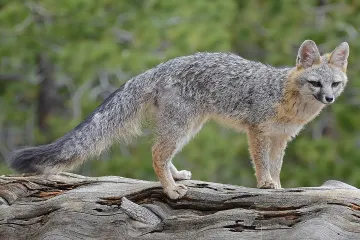
Sometimes the question arises not from a desire to buy, but from an encounter—a wild fox appearing near a property, seeming curious or unfazed by human presence. [7] If a Tibetan fox were somehow encountered in a non-native area (which is highly improbable given its restricted range), the correct response is not to attempt taming or keeping it. [7] Wild animals, even those that appear friendly, can carry diseases, and attempting to intervene often causes more harm to the animal by conditioning it to associate humans with food or contact, which frequently leads to dangerous outcomes later. [8] For any wild canid displaying unusual behavior, contacting local wildlife authorities is the responsible action. [7]
# Final Verdict
The overwhelming evidence points to the Tibetan fox being entirely unsuitable as a pet. The biological specialization required to survive on the Tibetan Plateau—its specialized diet, extreme temperature adaptations, and unique social structure—make providing adequate care outside that specific niche virtually impossible for a private owner. [6][9] Compounded by severe legal restrictions on exotic canids and the ethical concerns surrounding the acquisition of a wild animal from a restricted range, the Tibetan fox must remain where it belongs: high on the steppes, thriving in its natural environment. [5] The best way to appreciate this magnificent creature is through conservation awareness and high-quality documentation, not through the confines of a domestic cage. [6]
#Videos
SO YOU WANT A WILD PET FOX? - Should you tame a Red Fox ...
Related Questions
#Citations
Can you have a fox as a pet? : r/foxes - Reddit
Fox Species That Can Be Pets
SO YOU WANT A WILD PET FOX? - Should you tame a Red Fox ...
A genuine question could you have a fox as a pet? I absolutely think ...
Legality - living with foxes
Meet The Tibetan Fox: Perfectly Adapted For Life In Plains
Can I keep a fox as a pet? There is one that keeps coming ... - Quora
Basic Fox Care | Saveafox
which has one enormous head – looks like it was designed by AI