Where are kingfishers found in the US?
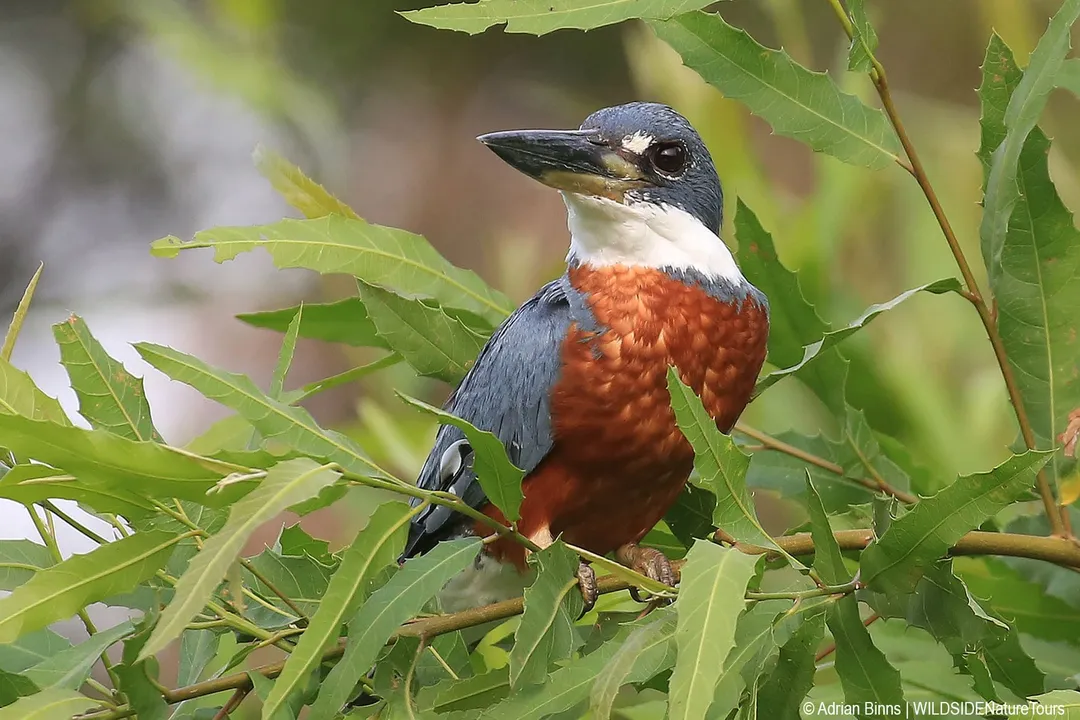
The flash of brilliant blue-gray against the brown of a riverbank is often the first clue that a kingfisher is nearby. In the United States, the star of the show is overwhelmingly the Belted Kingfisher (Megaceryle alcyon), a striking bird recognizable by its shaggy crest, long bill, and that unforgettable, rattling call. While the name "kingfisher" suggests a worldwide family of fish-eaters (Alcedinidae), it is this specific species that is widely distributed across the lower 48 states and beyond. Determining exactly where you can find one depends heavily on the season and the availability of open water, as they are highly tied to aquatic habitats.
# Continental Presence
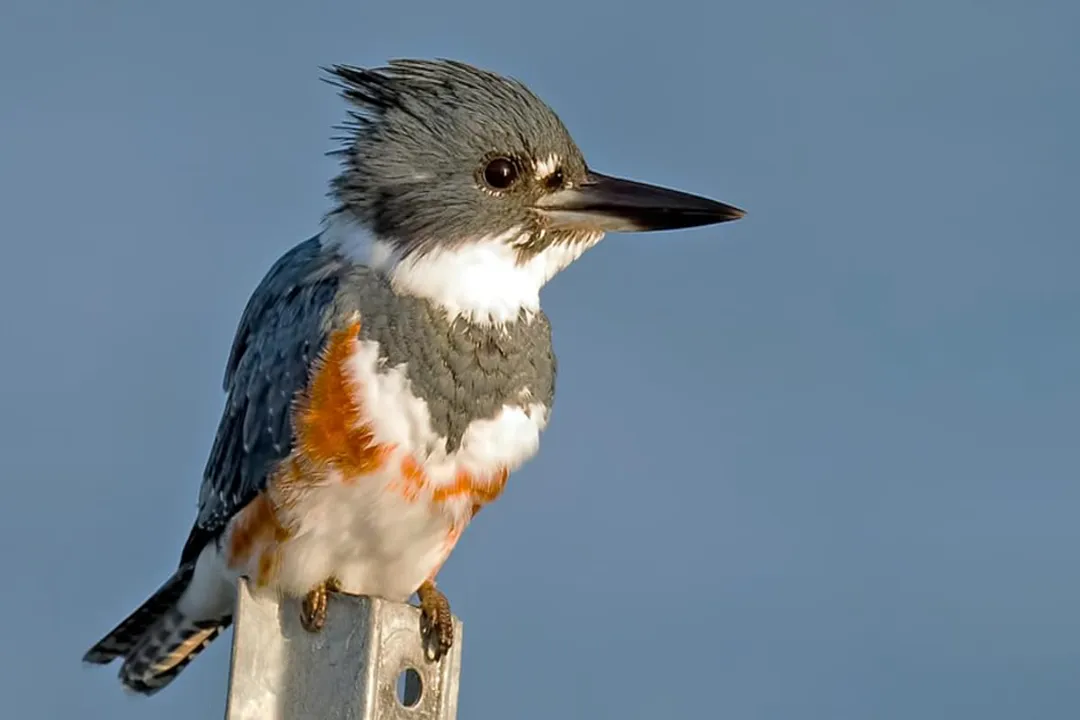
For birders and nature watchers across the US, the Belted Kingfisher is a common fixture, though their residency status shifts dramatically depending on latitude. Generally, this species breeds across most of Canada and the entire continental United States. The overall range is extensive, covering virtually all of the contiguous United States, though density and year-round presence vary.
When the days shorten and temperatures drop, their migratory behavior dictates where they can be spotted. Populations breeding in the northern reaches of their range—think the northern plains, New England, and deep into Canada—migrate south for the winter. These migratory individuals move into the southern half of the United States, often stopping wherever unfrozen water bodies persist. Conversely, kingfishers found along the Pacific coast, particularly in the Northwest, and those in the Southeast, often become year-round residents, establishing territories that may only see slight shifts rather than full migration.
If you are tracking their distribution, it helps to think of it in three zones based on the migratory maps: the primary breeding grounds, the migratory corridor, and the wintering grounds. The breeding range covers the entire US, but the wintering range contracts significantly, generally avoiding the coldest northern states where all surface water freezes solid for extended periods.
# Key Habitat Needs
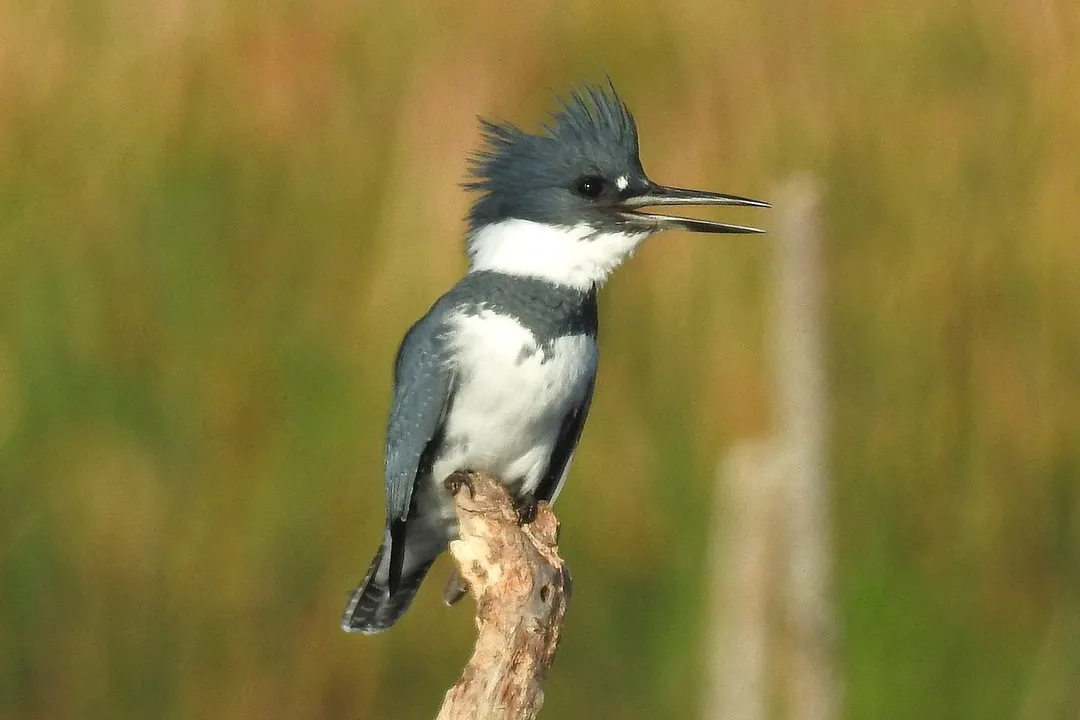
Kingfishers are not just water birds; they are bank birds. Their location is less about the water volume and more about the structure surrounding it. They require two critical elements to thrive: a reliable source of fish and aquatic invertebrates, and suitable, usually earthen, banks for nesting.
# Waterways
The bird's diet consists mainly of small fish, crayfish, and aquatic insects, necessitating proximity to water sources. This means that wherever you find them, you will also find rivers, streams, lakes, ponds, estuaries, or coastal shorelines. In the West, they favor mountain streams and rivers with steep banks. Along the coasts, bays and tidal flats are prime locations. Even relatively small, slow-moving creeks can support a pair if they hold enough small fish. The key is open water; if the water freezes completely for the winter, the birds are forced to move south or west to find liquid hunting grounds.
It is interesting to note how environmental conditions can subtly shift the traditional lines on a range map. While established wintering grounds hug the Gulf Coast and the southern Atlantic states, a mild winter across the central or upper South means that localized, previously migratory populations might linger farther north than usual, utilizing ponds or reservoirs that failed to freeze over. This flexibility highlights that the resource (open water with food) is more important than the precise latitude.
# Nesting Sites
The nesting habits of the Belted Kingfisher are highly specific, dictating where successful breeding occurs. They excavate tunnels in vertical earthen banks—often cliffs along rivers, drainage ditches, or even sand pits. These tunnels can be quite long, sometimes reaching up to six feet into the bank. This need for stable, unvegetated banks means that highly developed shorelines or heavily vegetated floodplains without exposed soil are unsuitable for reproduction, even if they offer excellent foraging.

# State Residency Patterns
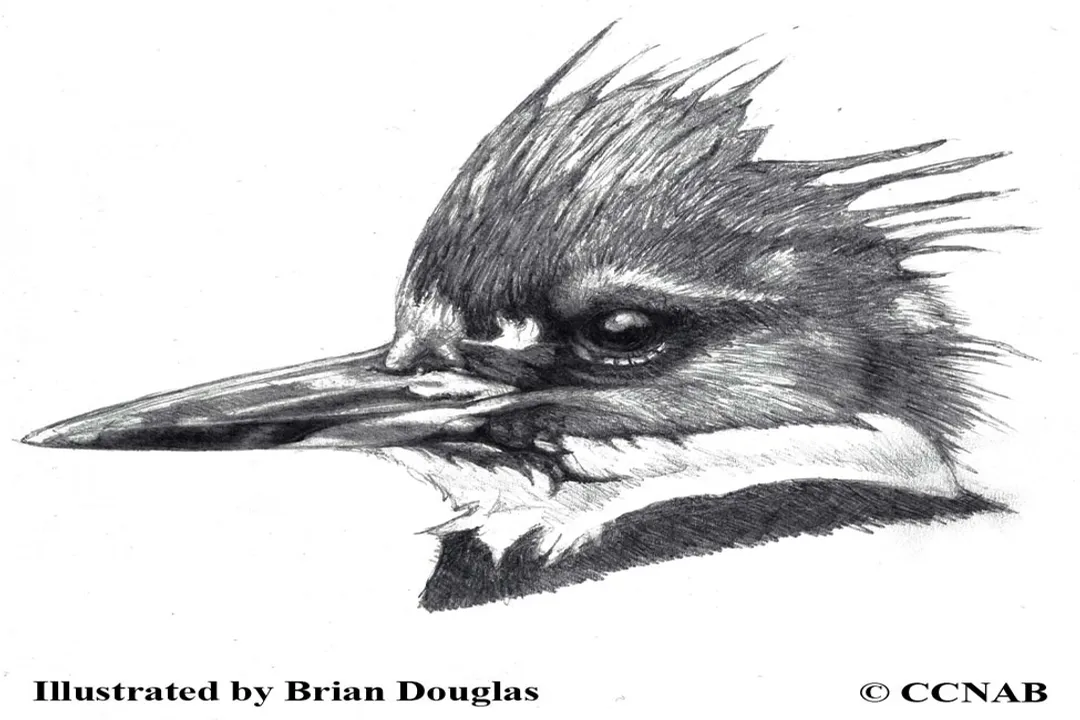
Because migration patterns are complex, residency status is not uniform across state lines, or even within a single state.
# Year-Round Residents
In the southern tier of the United States, the Belted Kingfisher is most often a permanent resident. States bordering the Gulf of Mexico, like Texas, Louisiana, Mississippi, Alabama, and Florida, generally host kingfishers year-round because aquatic feeding opportunities usually persist through winter. Similarly, the milder coastal regions of the Pacific Northwest and California tend to maintain healthy resident populations.
# Migratory Zones
Moving northward, the majority of the population becomes migratory. In the Northeast and the upper Midwest, these birds depart entirely once their local waterways lock up with ice. These areas—like Maine, New York, Michigan, and Minnesota—are primarily breeding grounds visited from spring through early fall.
# The Central Divide
States in the central part of the country, such as Colorado or Kansas, often fall into a complex transitional zone. In the mountains of the West, like in areas around Telluride, Colorado, sightings might be common only during the warmer months when high-altitude rivers are flowing freely, with the birds moving lower or farther south as autumn progresses. Meanwhile, observers in the southern parts of these central states may see them primarily as winter visitors stopping over on their way to the Gulf Coast or Mexico.
When you are trying to spot one, remember that a single state might host a resident population near a large, warm lake, while another county just a hundred miles north might only see them for three months out of the year.
| Region | Typical Residency Status | Primary Habitat Drivers |
|---|---|---|
| Deep South (FL, Gulf Coast) | Year-round Resident | Open water availability year-round. |
| Northern Tier (Canada, New England) | Summer Breeder/Migrant | Ice formation forces southern departure. |
| Pacific Coast | Mostly Year-round | Milder Pacific influence keeps water open. |
| Central Plains | Seasonal Visitor | Dependent on river flow and temperature fluctuation. |
# Finding the Fisher Actively
Spotting a kingfisher requires patience, but their habits give observers distinct advantages. They are famously wary of disturbance, often diving or flying downriver at the first sign of a slow approach. This wariness means that sometimes looking for them is less effective than listening for them.
# The Sound Locator
The most reliable way to know a Belted Kingfisher is present, especially if they are obscured by dense streamside foliage, is by hearing their unique vocalization. Their call is a loud, distinct, mechanical-sounding rattle, often given during flight or upon seeing a perceived threat. If you are walking a trail near a moving river and hear that sharp, almost startling rattle echoing off the water, stop moving and scan the bankline above the water. They often perch on dead branches that overhang the water, giving them a perfect vantage point for hunting.
If you are seeking out a successful fishing location, pay close attention to areas where the river bank is naturally cut away, perhaps by previous high water events. These exposed, vertical dirt faces are the prime real estate for future nesting sites, suggesting a long-term commitment to that area if they are nesting nearby. The ability to hear that signature rattle echoing off a canyon wall or across a wide reservoir is often the quickest path to a sighting, allowing you to pinpoint the location before the bird spooks.
# Other American Kingfishers
While the Belted Kingfisher dominates the US birding scene, it is worth noting that the wider Kingfisher family, Alcedinidae, includes other species in the Americas. Although less common in the US proper, the Green Kingfisher (Chloroceryle americana) technically has a very limited range within the extreme southern parts of the US, such as South Texas. This bird is markedly different, being smaller and showing more green and white markings rather than the Belted Kingfisher's blue-gray and white banding. However, for the average bird enthusiast looking across the majority of the country, the search for a kingfisher translates directly to finding the widespread Belted species.
Related Questions
#Citations
Belted Kingfisher Range Map - All About Birds
Kingfishers of the Americas - Wildside Nature Tours
Belted kingfisher - Wikipedia
4 Types of Kingfishers (Megaceryle) - Birds of North America
Kingfisher species in North America - Facebook
Belted Kingfisher | Oklahoma Department of Wildlife Conservation
Belted Kingfisher | Audubon Field Guide
Alcedinidae - Kingfishers - New Hampshire PBS
North America's belted kingfisher: a local bird in a global family