Where are locusts found in the US?
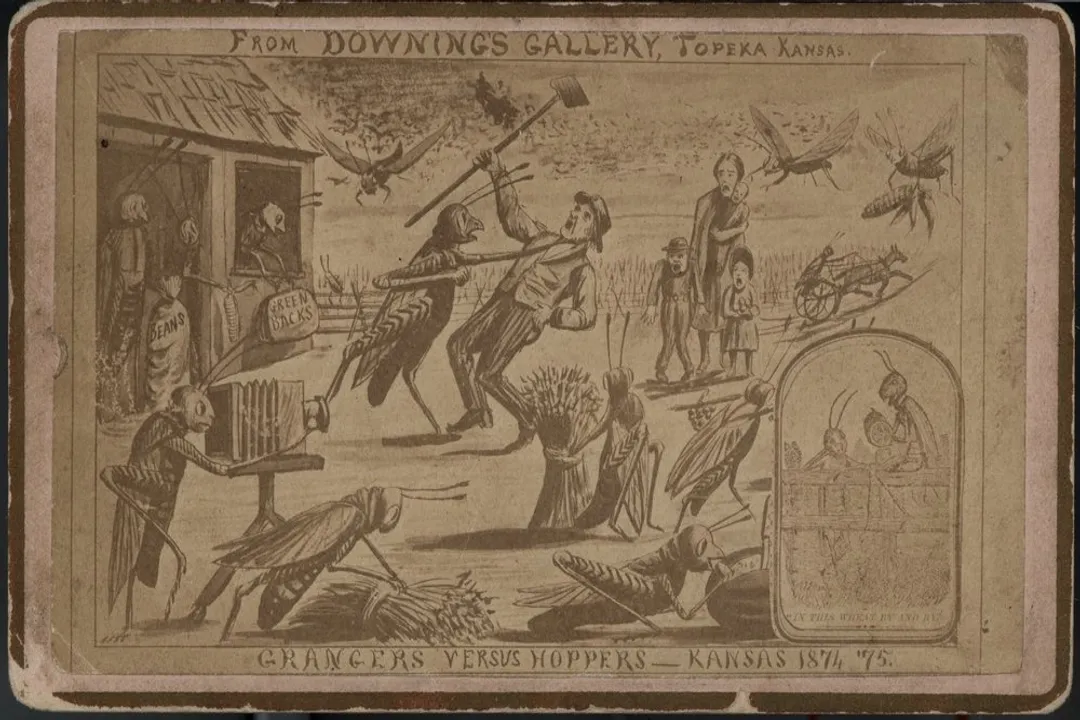
The question of where locusts are found in the United States today requires a historical detour, as the true, devastating plague-forming locusts that once terrorized the American West are, for all intents and purposes, gone. [7] The context of "locusts in the US" almost always refers to the Rocky Mountain Locust (Melanoplus spretus), an insect so numerous it formed swarms that blackened the skies and consumed entire harvests across the plains. [2][7] Today, while grasshoppers remain a common agricultural pest, the migratory, overwhelming swarms of the past are a feature of history, not current geography.
# Plagues Past
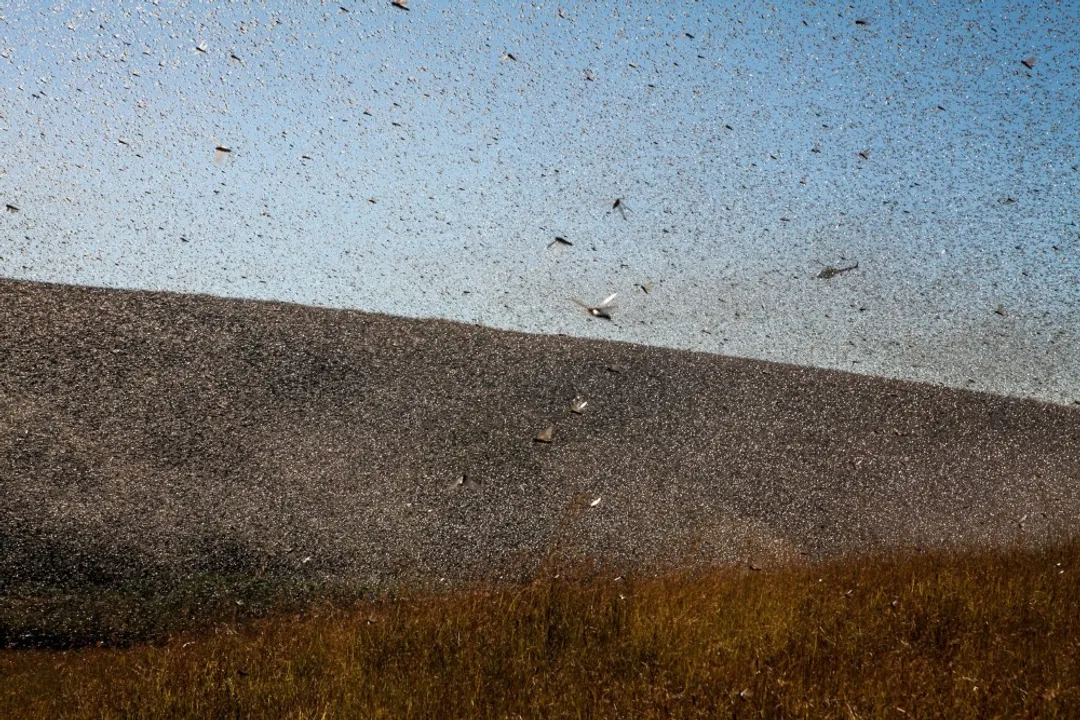
The memory of locust plagues in the US is tied to massive, apocalyptic events recorded primarily in the 19th century. The most infamous event cited in historical records is the Locust Plague of 1874. [4] These swarms were not isolated incidents but parts of massive, cyclical outbreaks that occurred between the 1860s and the early 1870s, culminating in that monumental year. [4] Reports describe locusts arriving in clouds so dense they obscured the sun, casting the land into temporary darkness. [5] When they landed, the sheer mass of the insects—sometimes reported in tons per acre—stripped fields bare, consuming crops down to the roots and even eating leather goods or wooden tool handles. [4][5] This level of agricultural devastation was unmatched by any other pest in American history at the time. [4]
# Western Range
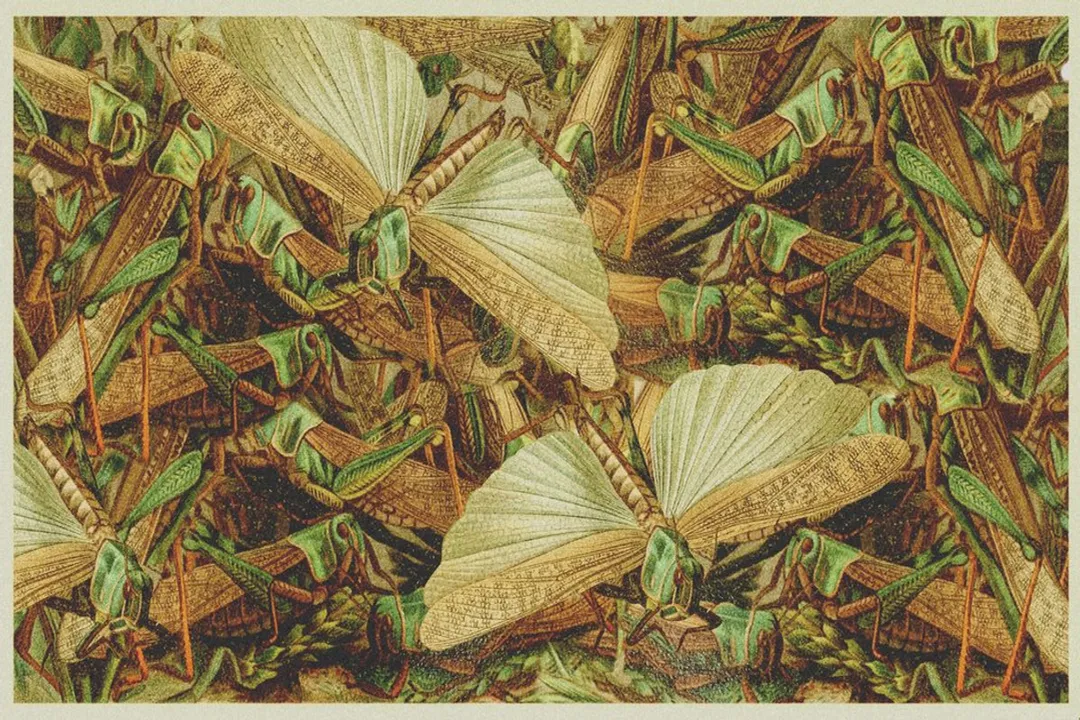
The historical habitat of the destructive Rocky Mountain Locust was centered on the high, arid plains west of the Missouri River, often associated with the region around the Rocky Mountains, hence the name. [7] The prime infestation zones included the Great Plains states and territories. [4] Specifically, areas encompassing states like Colorado, Nebraska, Kansas, and points north and south were heavily impacted. [3][4] This species seemed to require a very specific set of ecological conditions—likely related to the undisturbed, arid rangelands of the high plains—for its life cycle to complete and generate the massive migratory phase. [2][7] The Colorado National Guard, for example, was called out in 1937 to combat what was described as a plague of locusts, though this event likely involved large numbers of migratory grasshoppers, as the M. spretus was already believed extinct by then. [3]
# Species Difference
It is vital to distinguish the historical menace from the common insects present today. The North American migratory locust that caused the historical plagues was the Rocky Mountain Locust, Melanoplus spretus. [2][7] This specific species had a unique characteristic: its offspring, hatched in the arid interior west, would undergo a phase transition, developing wings and forming massive bands that migrated eastward to feed, before returning west to breed—a cycle that defined the plague years. [2]
Today, the United States is home to various species of grasshoppers, and sometimes, large flights of migratory grasshoppers (like the Differential Grasshopper) can occur, which can be numerous and cause localized damage. [1][2] However, these modern occurrences typically do not reach the scale, density, or sustained migratory pattern of the M. spretus swarms. [2] The creatures that vex farmers today are generally considered grasshoppers, not true locusts in the sense of the species that disappeared. [1]
# Sudden Absence
Perhaps the most fascinating aspect of the US locust story is not where they were, but where they are not. After the devastating 1870s, the outbreaks became less severe and less frequent. [4] The last confirmed sighting of the Rocky Mountain Locust was in 1902 near the US-Canadian border. [2][7] Following that date, the species vanished entirely from scientific observation. [2]
This disappearance is one of entomology's great mysteries. While some theories point to the massive settlement and agricultural development of the Great Plains—including widespread irrigation and the plowing of the specific arid rangelands needed for the insect's reproductive niche—as the primary cause, the exact mechanism of extinction remains debated. [2][7] It is telling that the disappearance coincides precisely with the industrialization of the very landscape that nurtured this super-pest. When a specialist insect's highly specific breeding habitat is fundamentally altered or destroyed, its disappearance is often rapid and permanent, a lesson in how agricultural expansion permanently reshapes pest dynamics across a continent.
# Control Methods
When the plagues were active, control efforts were rudimentary, often desperate, and occasionally involved the military. [3] Early attempts to stop the advancing hordes involved digging trenches to trap the insects before they could take flight or using fire to burn them. [4] In the early 20th century, even with better understanding of insect biology, direct intervention against a full-blown swarm was nearly impossible once it was airborne or fully settled. [3] The Colorado National Guard, for instance, was mobilized, using tactics that included explosives and even flamethrowers against massive aggregations in the 1930s, illustrating the scale of the perceived threat even decades after the major swarms had ceased. [3] Modern pest management relies on targeted chemical treatments applied to nymphal band areas before they mature and swarm, a strategy that would have been impossible to coordinate during the height of the 19th-century outbreaks. [1]
# Modern Context
If a resident of Kansas or Nebraska today observes an unusual number of large grasshoppers in their fields, the immediate concern should be less about a historical locust plague and more about managing a current grasshopper outbreak. [1] Modern agricultural extension offices can assist in identifying the species present and determining if the population density warrants localized pesticide application to protect high-value crops. [1] While climate change models sometimes speculate about the re-emergence or shifting boundaries of migratory insects globally, the unique ecological conditions that fostered the Melanoplus spretus are gone in the American West. Therefore, the current geographic location of plague-forming locusts originating and thriving in the US is nowhere. [2] If outbreaks occur in the US today, they are typically localized pressure from grasshopper species that periodically develop denser bands, rather than the continent-spanning catastrophe that defined the American frontier for decades. [1] For any large-scale migratory pest issue in the US now, monitoring is typically focused on preventing incursions from established populations in Mexico or Canada, rather than anticipating a natural re-emergence of the extinct species from the interior West. [2]
#Videos
How Farmers Accidentally Killed Off North America's Locusts
Related Questions
#Citations
What happened to locust swarms in the US? They were ... - Reddit
The Migratory Locust in North America; a post mortem
IN 1937, Colorado Guard used flamethrowers and explosives ...
Locust Plague of 1874 - Wikipedia
Are You Ready for the Locusts? - Offrange - Ambrook
How Farmers Accidentally Killed Off North America's Locusts
The rise and fall of the Rocky Mountain locust - Planters Place
Locust Swarms, Some 3 Times the Size of New York City, Are Eating ...