Where are tigers found in the US?
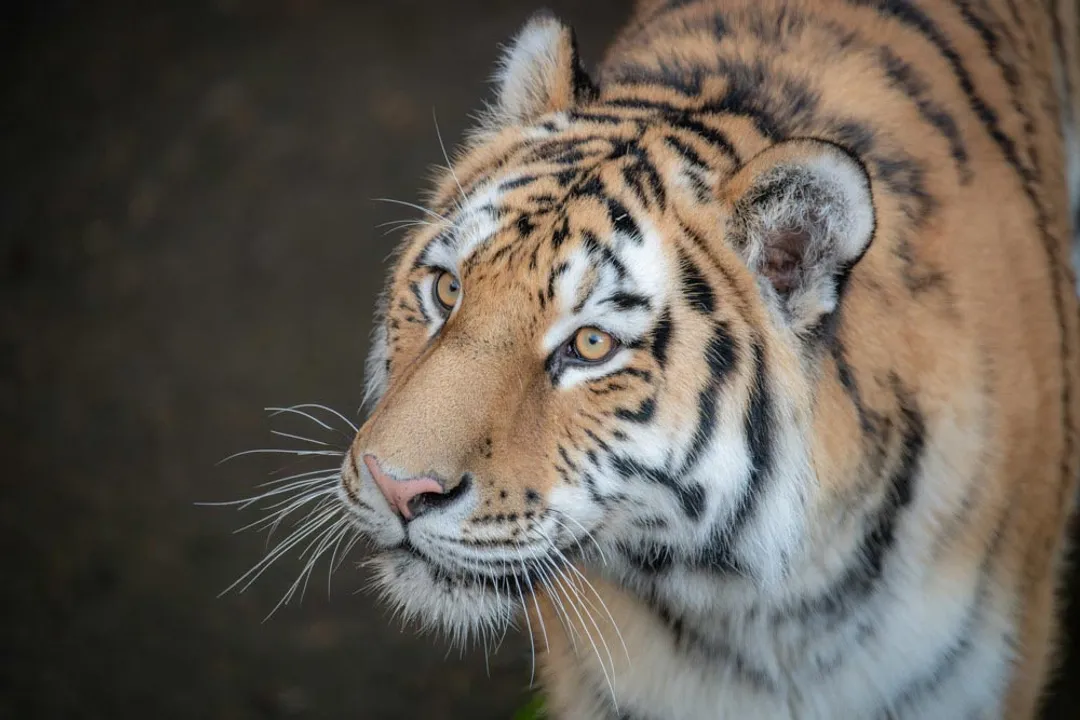
The first thing to establish when asking where tigers live in the United States is that, unlike their wild counterparts roaming parts of Asia, you will not find them living freely in any natural habitat within American borders. The story of tigers in the US is an intricate, complex narrative centered entirely on captivity, spanning everything from accredited conservation programs to private ownership that has raised significant ethical and safety concerns.
# Global Habitat
In their native environments, tigers are exclusively inhabitants of Asia, though their historical range was much wider. Today, wild populations are fragmented, found across various countries, including India, Nepal, Bhutan, Russia, and parts of Southeast Asia. For instance, the conservation status and population density differ dramatically between the Bengal tiger populations in India and the Siberian (Amur) tigers in the Russian Far East. This contrasts sharply with the situation in the US, where the presence of tigers is entirely managed by human institutions or individuals.
# Captive Population
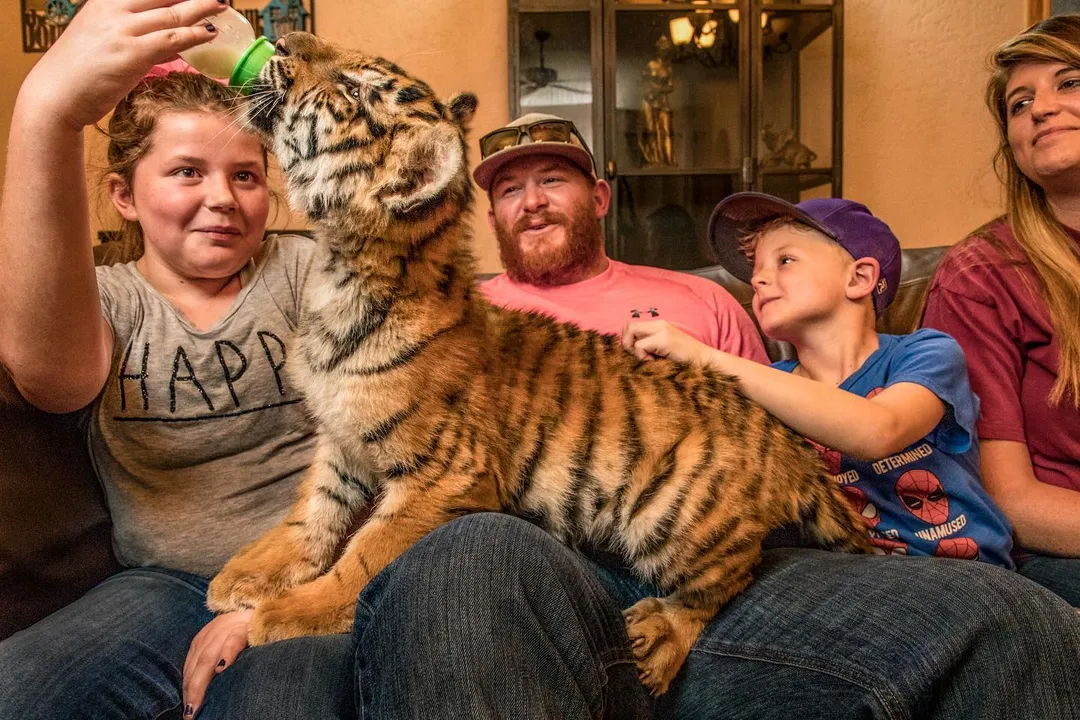
The sheer number of tigers held in captivity within the US is often shocking to the public. While estimates vary, reports have suggested that the population of privately owned tigers within the United States may actually outnumber the total remaining wild tiger population worldwide. The global wild population is often cited in the low thousands, perhaps hovering around 3,200 individuals across all subspecies. When you consider that hundreds, potentially thousands, of tigers reside in the US under varying degrees of private care, it puts the scale of domestic captive management into stark perspective.
This domestic concentration creates a unique situation where the welfare and security of a significant percentage of the world's Panthera tigris population are dictated by a patchwork of state and local laws rather than international conservation treaties focused on wild habitats.
| Location Type | Primary Function | Regulatory Oversight |
|---|---|---|
| Accredited Zoo/Sanctuary | Conservation, Education, Welfare | AZA/GFAS Standards |
| Private Ownership | Personal Possession, Exhibition | Varies widely by state/county |
| Roadside Attraction | Commerce, Entertainment | Often minimal or non-existent |
When assessing the number of tigers in the US, it is important to recognize that the term "captive" is broad, encompassing facilities with vastly different missions. A tiger housed at a facility accredited by a reputable organization operates under a very different set of standards than one kept in a private backyard or a roadside enclosure that primarily serves as a source of income.
# Roadside Issues
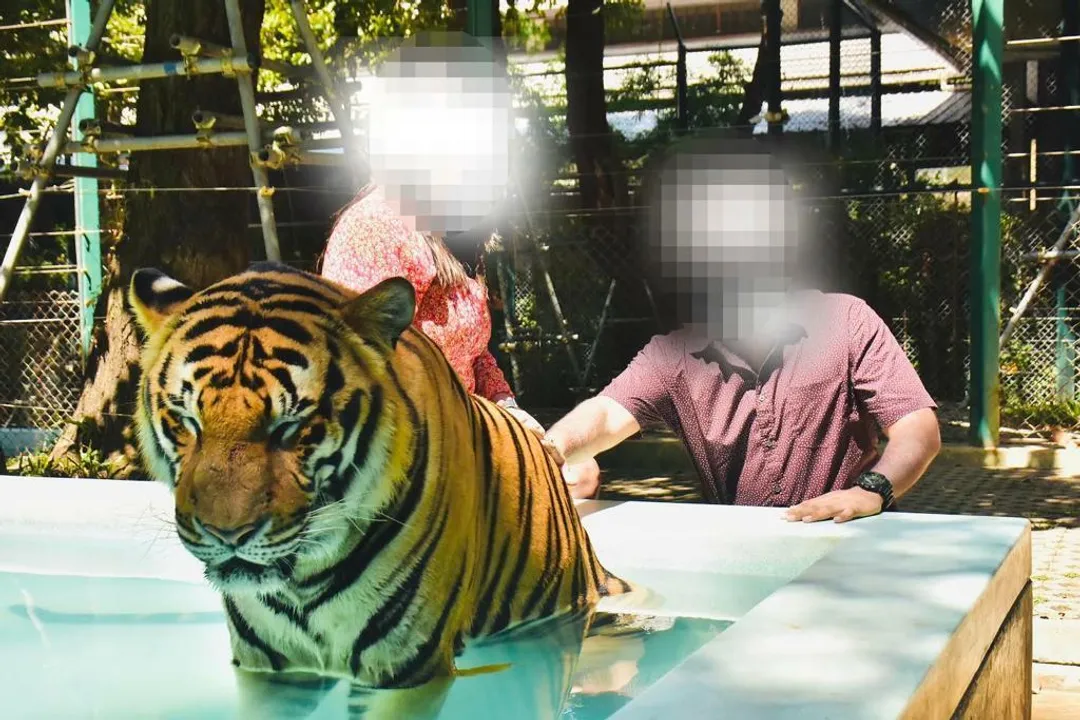
A significant portion of the non-zoo tiger population ends up in what are commonly termed "roadside tigers" or similar attractions. These facilities often operate with minimal oversight, sometimes relying on permissive state laws or loopholes to keep large, dangerous carnivores. The focus here is frequently on generating revenue through public interaction or viewing, which often compromises the animals' quality of life and creates inherent public safety risks.
One key area of concern stemming from this environment is the handling of cubs. Often, young cubs are separated from their mothers prematurely for brief photo opportunities, a practice that raises serious welfare red flags among animal experts. Once these cubs grow too large or become too difficult to manage, they frequently enter the system of private ownership, potentially moving from one under-resourced facility to another, or being kept permanently in unsuitable conditions. The lack of a unified federal framework means that an animal might be legally owned in one state but considered abused in the next, leading to continuous, stressful relocations for the animal or permanent, substandard residency.
# Sanctuary Role
In the context of substandard care, legitimate animal sanctuaries serve a vital function as a safety net. Sanctuaries, often distinguished by their commitment to lifetime care and an unwillingness to breed or sell animals, provide refuge for tigers rescued from roadside attractions, illegal trade, or poor private keeping situations. Organizations that adhere to standards set by bodies like the Global Federation of Animal Sanctuaries (GFAS) aim to provide environments that mimic natural habitats as closely as possible, focusing strictly on the animals' well-being rather than profit.
It is insightful to compare the ethos of these genuine sanctuaries with the motivations of commercial roadside operations. While both house tigers in the US, the former measures success by the quality of life provided to an aging or rescued animal, whereas the latter often measures success by ticket sales or the profitability of breeding cycles. This distinction highlights why transparency regarding accreditation is crucial for anyone seeking to see tigers in the US.

# Breeding Programs
The other main category where tigers are found in the US consists of accredited zoos affiliated with conservation organizations. Major institutions participate in Species Survival Plans (SSPs), which are managed breeding programs designed to maintain a genetically diverse and healthy population of species in human care—a vital insurance policy against extinction in the wild.
For example, the Smithsonian's National Zoo is involved in tiger conservation and research, housing tigers as part of these species management programs. Similarly, facilities like the Bronx Zoo feature habitats like Tiger Mountain, designed to provide rich environments for the animals while supporting conservation education. Smaller, respected zoos also participate; for instance, the Oregon Zoo is home to Amur Tigers, which are part of the SSP.
The function of these accredited facilities differs fundamentally from the captive population discussed earlier. The goal is not merely possession or exhibition but active participation in global species recovery. A conservation breeding program, like those managed by the Association of Zoos and Aquariums (AZA), operates on scientific management principles designed to preserve genetic viability across the entire captive population, ensuring that if a tiger subspecies faces collapse in the wild, a healthy reserve population exists.
# Legal Locations
Ultimately, if a reader wants to see a tiger in the United States, their search must be directed toward facilities that prioritize accreditation and established conservation goals. These are the institutions that offer tigers a secure, well-regulated, and enriching existence, even in the absence of the wild. You will find them in accredited zoos participating in SSPs, or in reputable sanctuaries dedicated to rescue and lifetime care. The key differentiator remains the oversight: regulatory bodies or accrediting organizations ensure that the tiger's presence serves a purpose beyond simple private ownership or commercial entertainment. The absence of tigers in American wilderness means that these managed environments are the only places where the species can be legally and ethically encountered within the country's borders.
Related Questions
#Citations
There are more tigers in captivity in the US than in the wild - CNN
Roadside Tigers in the United States - Sanctuary Nature Foundation
The Best Tiger Sanctuaries in the US
Tiger Mountain - Bronx Zoo
Where are the wild tigers in the United States? - Quora
The current wild tiger population per country : r/interestingasfuck
Where do tigers live? And other tiger facts - World Wildlife Fund
Amur tiger | Oregon Zoo
Tiger | Smithsonian's National Zoo and Conservation Biology Institute