What family is the sun bear in?
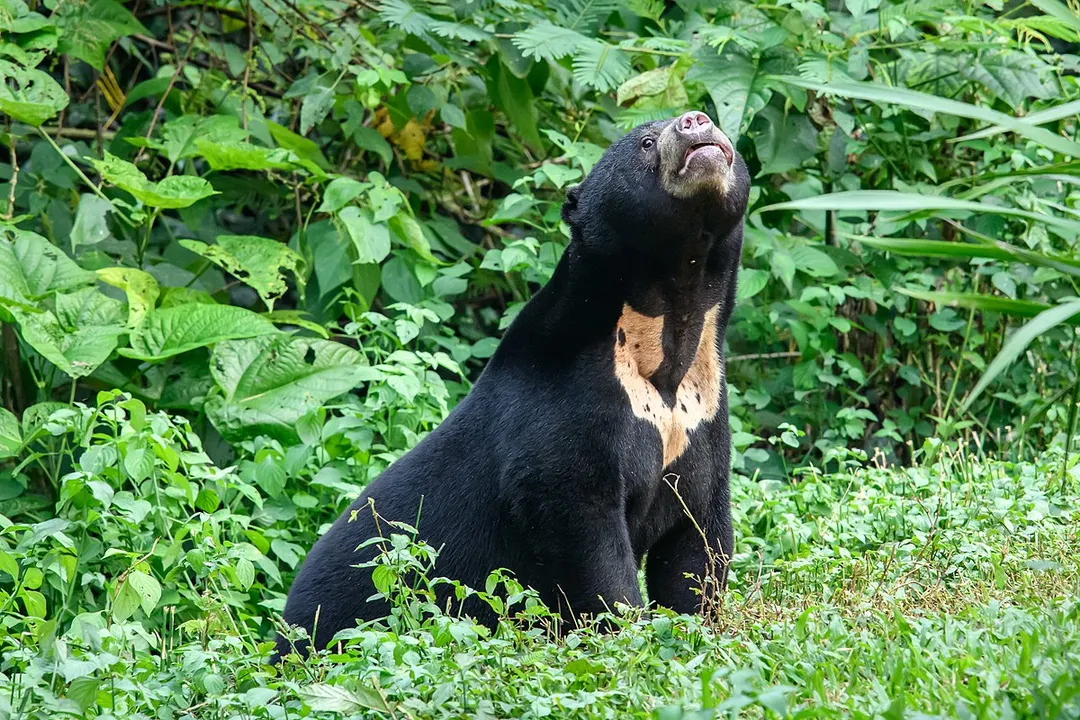
The sun bear, scientifically known as Helarctos malayanus, firmly belongs to the Ursidae family, which is the biological grouping for all bears. [1][2][9] While they share the designation of "bear" with their much larger relatives, such as the Grizzly or Polar Bear, the sun bear distinguishes itself immediately by being the smallest species within this family. [1][4][8] This classification places them alongside the giants, yet physically, they occupy a distinct niche dictated by the warm, humid environments of Southeast Asia. [1]
# Bear Kinship
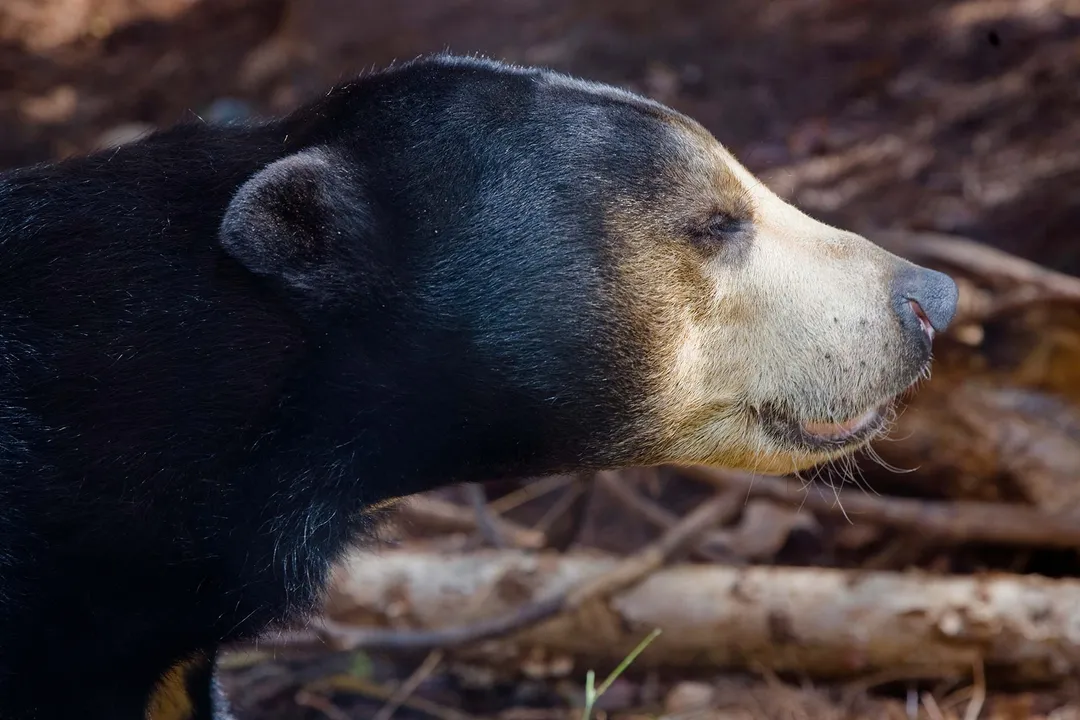
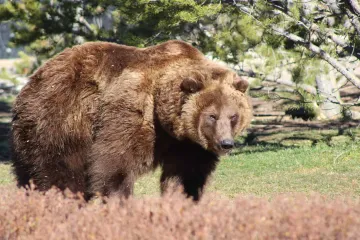
The formal scientific designation places the sun bear in the order Carnivora, suborder Caniformia, and specifically the family Ursidae. [1] This family encompasses eight extant species, ranging widely in size, diet, and habitat preference. [1] For instance, the sun bear’s average weight of 27 to 65 kilograms places it at the very bottom of this scale, contrasting sharply with the nearly half-ton weight of the largest brown bears. [1]
Their relatively small stature is an evolutionary adaptation to the dense tropical forests they inhabit, differing significantly from bears adapted to colder, more open terrains. [8] Where other Ursids might rely on massive bulk for defense or survival in snowy climates, the sun bear relies on agility and specialized feeding tools. [4] This divergence in body plan suggests an ancient split in the Ursidae lineage, adapting to exploit resources unavailable or inaccessible to other bear types. [2]
| Feature | Sun Bear (H. malayanus) | Comparison (e.g., U. arctos) |
|---|---|---|
| Average Weight (kg) | 27–65 kg [1] | Can exceed 300 kg [1] |
| Fur Texture | Short, coarse, and sleek [1] | Thick, long, dense [1] |
| Tongue Length (Maximum) | Up to 25 cm [1] | Standard bear tongue length |
| Claws | Extremely long, highly curved [1][2] | Shorter, less curved (often) [2] |
This table highlights how morphology separates the sun bear even within its own family tree. The very structure of their claws and tongue suggests a feeding strategy fundamentally different from bears that dig for roots or scavenge large carcasses. [2]
# Distinct Physical Traits
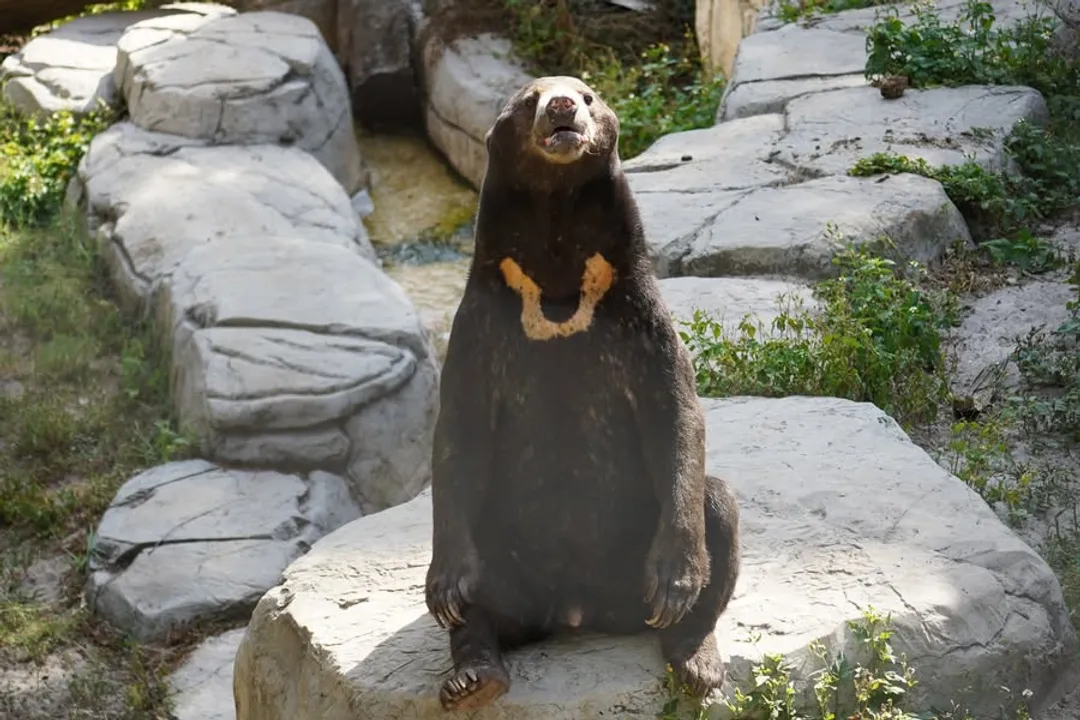
The sun bear’s common name is derived from the distinctive, crescent-shaped patch of yellowish-orange fur often found on its chest, which supposedly resembles the rising sun. [4][8] However, the coloration and size of this "sun patch" can vary considerably among individuals. [4] Their overall coat is typically black, short, and coarse, an adaptation that helps them stay cooler in the perpetually hot and humid equatorial climate. [1][8] This sleek fur is a stark contrast to the thick, insulating coats of bears living in temperate or arctic zones. [1]
One of the most striking anatomical features of Helarctos malayanus is its dentition and associated feeding apparatus. They possess exceptionally long, curved claws, sometimes reaching lengths of 10 centimeters. [1][2] These claws are indispensable for ripping apart rotten logs and tearing open termite mounds to access insects. [8] Complementing this tool is an astonishingly long, prehensile tongue, which can measure up to 25 centimeters in length. [1][4] This tongue acts like a specialized probe, allowing the bear to extract insects, larvae, and honey from deep crevices that larger, less dextrous bears simply cannot reach. [4]
Their short snout is also noteworthy, contributing to their ability to suck up insects and nectar. [1] When one considers how effective this combination of ripping claws and a long, probing tongue is, it becomes clear that the sun bear has evolved to be a master invertebrate extractor in its specific forest ecosystem. [1][2] This level of anatomical specialization for securing small, hidden food sources is a fascinating evolutionary divergence within the Ursidae family, where many cousins rely on bulk foraging or large prey items. [7]
# Tropical Dwelling
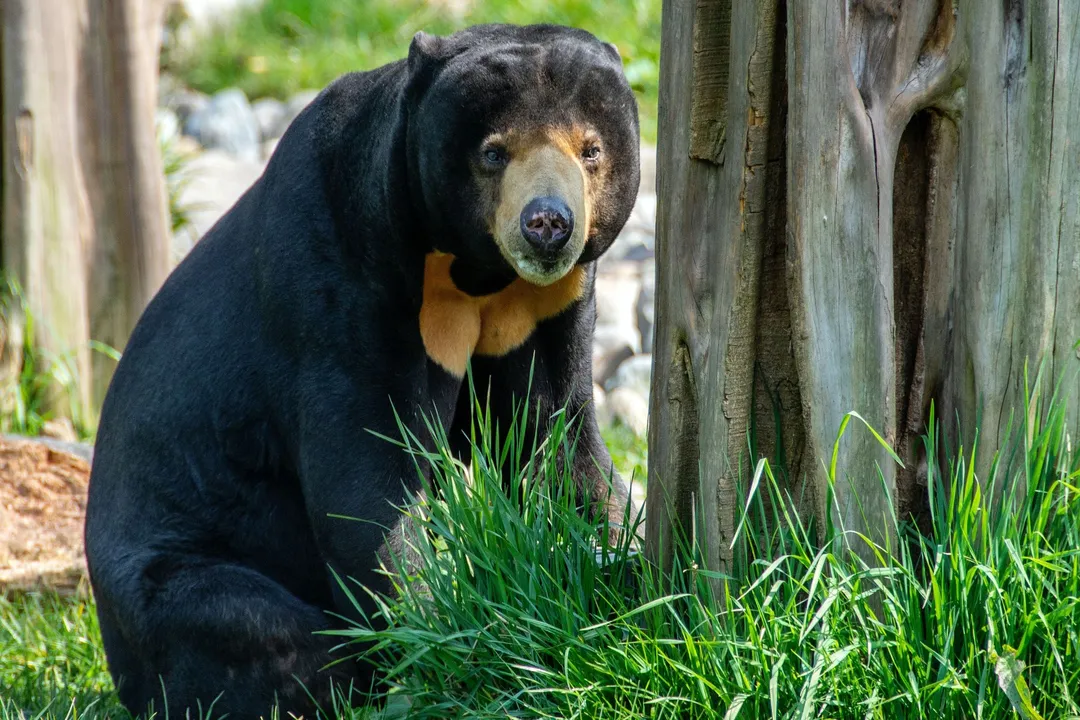
Sun bears are native to the tropical evergreen rainforests spanning Southeast Asia. [1][8] Their distribution covers a wide swath of the continent, including Borneo, Sumatra, Peninsular Malaysia, Thailand, Myanmar, Laos, Cambodia, and Vietnam. [1] They are highly arboreal, spending a significant portion of their lives in trees. [8] This arboreal nature is supported by their strong build and sharp claws, allowing them to climb efficiently to find fruit or build rudimentary sleeping platforms high above the forest floor. [6]
Their requirement for dense, contiguous forest cover means that habitat quality is paramount to their survival. Unlike some generalist species that can adapt to fragmented landscapes or secondary growth, the sun bear thrives best in primary, undisturbed rainforests. [1] This dependency makes them particularly vulnerable to the rapid changes occurring across their range.
It is worth noting that the historical range was likely more extensive than the current distribution documented in modern surveys. [1] The disappearance of sun bears from certain areas is a silent indicator of the dramatic landscape changes that have occurred over the last century due to human activities. [5] Their current existence is a patchwork across the remaining viable forest tracts. [1]
# Foraging Ecology
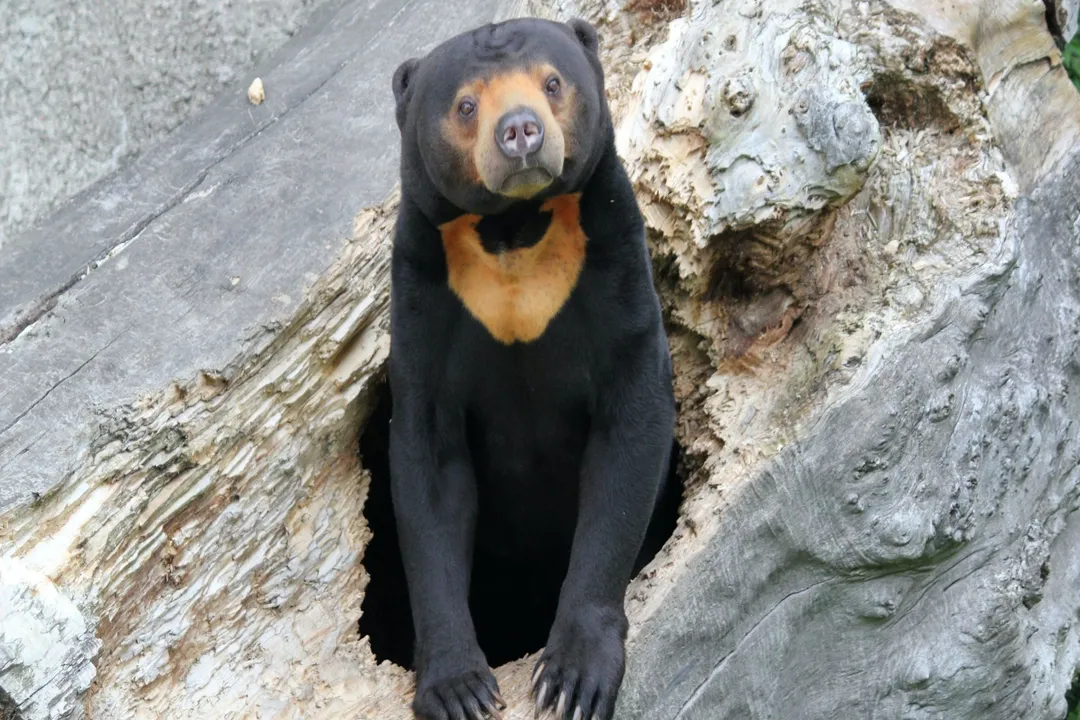
Sun bears are omnivores, but their diet leans heavily toward fruits, insects, and nectar, often leading to them being described as frugivores or insectivores depending on the season and location. [1][2] They are opportunistic feeders, consuming everything from small vertebrates to bird eggs. [4] However, their unique anatomy points to a critical reliance on arboreal invertebrates and honey, which they expertly harvest. [1][4]
In a dense, multi-layered tropical forest, many high-value food items—such as large grubs inside deadwood or honey stored in tree hollows—are physically inaccessible to less specialized mammals. [7] The sun bear fills this niche perfectly. The strength to tear apart wood, combined with the reach of the tongue, allows them to consistently access a high-energy food source that few other terrestrial animals can tap into effectively. [2] Observing how a sun bear methodically dismantles a termite mound illustrates a specialized skill set built purely around exploiting hidden forest resources. [8]
When thinking about the overall health of these biodiverse Asian forests, the sun bear acts as a crucial ecological link. By consuming large quantities of fruit and dispersing seeds, they contribute to forest regeneration. [1] Their diet directly impacts the populations of social insects they consume, creating a natural check-and-balance within the forest floor and canopy communities. [7] A healthy population of sun bears generally signals a forest ecosystem that is structurally intact and able to support a complex food web.
# Pressures and Protection
Despite their significant role in the ecosystem, the sun bear faces severe threats across its range, leading the International Union for Conservation of Nature (IUCN) to list the species as Vulnerable. [1][8] In fact, some populations are considered critically endangered due to localized pressures. [8]
The primary drivers of this decline are twofold: habitat destruction and direct persecution. [1][8]
- Habitat Loss: Massive deforestation driven by logging, the expansion of palm oil plantations, and other agricultural land conversion has severely fragmented their homes. [1][8] Because sun bears require large tracts of connected forest to move, feed, and find mates, this fragmentation isolates populations and reduces genetic viability. [1]
- Illegal Wildlife Trade: Sun bears are highly sought after on the black market. Their paws are used in some traditional dishes, and perhaps most distressingly, their gallbladders are prized in traditional Chinese medicine, leading to their capture and often cruel farming practices. [8] Additionally, young cubs are sometimes captured to be sold as exotic pets, which requires killing the mother. [1][8]
Conservation efforts, often spearheaded by organizations working on the ground in countries like Malaysia and Indonesia, focus on protecting remaining habitat corridors and combating illegal trade activities. [6][8] Zoos, such as Zoo Atlanta and Zoo Tampa, also play a vital role through education and participation in Species Survival Plans (SSPs) to maintain a healthy captive population while advocating for their wild counterparts. [3][6] When we look at the specialized nature of the sun bear—its dependence on old-growth forest and its reliance on specific food types—it highlights the fragility of tropical biodiversity. The pressures on this single Ursid species effectively tell the story of the pressures on the entire biome. [1][7]
# A Note on Conservation Experience
For those involved in field biology or sanctuary work with sun bears, the challenge often lies not just in rescue, but in rehabilitation tailored to their unique needs. A sun bear rescued from a small, dark cage, often fed an inappropriate diet, faces a steep climb back to forest competency. [4] Their natural inclination to climb and forage for complex food items must be painstakingly reintroduced. [2] Successfully returning a rehabilitated sun bear to a protected area is a victory that relies on understanding every detail of its specialized life, from how it balances on a narrow branch to its instinctual urge to probe deep into a log for grubs. [7] This practical, hands-on experience reinforces how specialized this member of the Ursidae family truly is, making simple, generalized conservation strategies insufficient for their long-term security. [8]
# Range Variation
While the species Helarctos malayanus is recognized globally, there are slight variations in morphology and behavior across its wide geographical spread. [1][5] For example, sun bears in Borneo (Bornean sun bears) are often noted to be slightly smaller on average than their mainland Asian counterparts. [1] Although the species is currently considered one unit taxonomically, the deep valleys and significant geographical separation caused by human development are beginning to create genetic barriers between these groups. [7] If these barriers persist, it is conceivable that distinct subspecies or even separate species could evolve over deep time, a process that modern conservation must race against to prevent further biodiversity loss. [1]
This subtle variation across the region underscores the importance of maintaining the integrity of local populations, as each group holds unique genetic information that contributes to the overall resilience of the species. [5] The Global Biodiversity Information Facility (GBIF) maps these occurrences, showing the patchy nature of their presence, which serves as a constant reminder that Helarctos malayanus is not simply a single widespread entity but a collection of threatened, isolated populations clinging to existence in pockets of remaining forest. [5]
The sun bear, the smallest member of the mighty Ursidae family, is a living testament to adaptation within the tropical world. [1][4] Its specialized claws and tongue allow it to thrive where other bears cannot, securing a niche built on insects, honey, and fruit. [2][8] Yet, this very specialization makes it acutely sensitive to the rapid transformation of its forest home, placing this charming, sun-chested bear firmly on the front lines of the global biodiversity crisis. [1][8]
Related Questions
#Citations
Sun bear - Wikipedia
Helarctos malayanus (sun bear) - Animal Diversity Web
The sunshine of the rainforest is here for Sun Bear Day ... - Facebook
Sun Bear Fact Sheet | Blog | Nature - PBS
Helarctos malayanus (Raffles, 1821) - GBIF
Malayan Sun Bear - Zoo Atlanta
Rediscovery of the sun bear (Helarctos malayanus) in Yingjiang ...
Sun Bear | National Geographic