Where are Kangaroo Mice found?
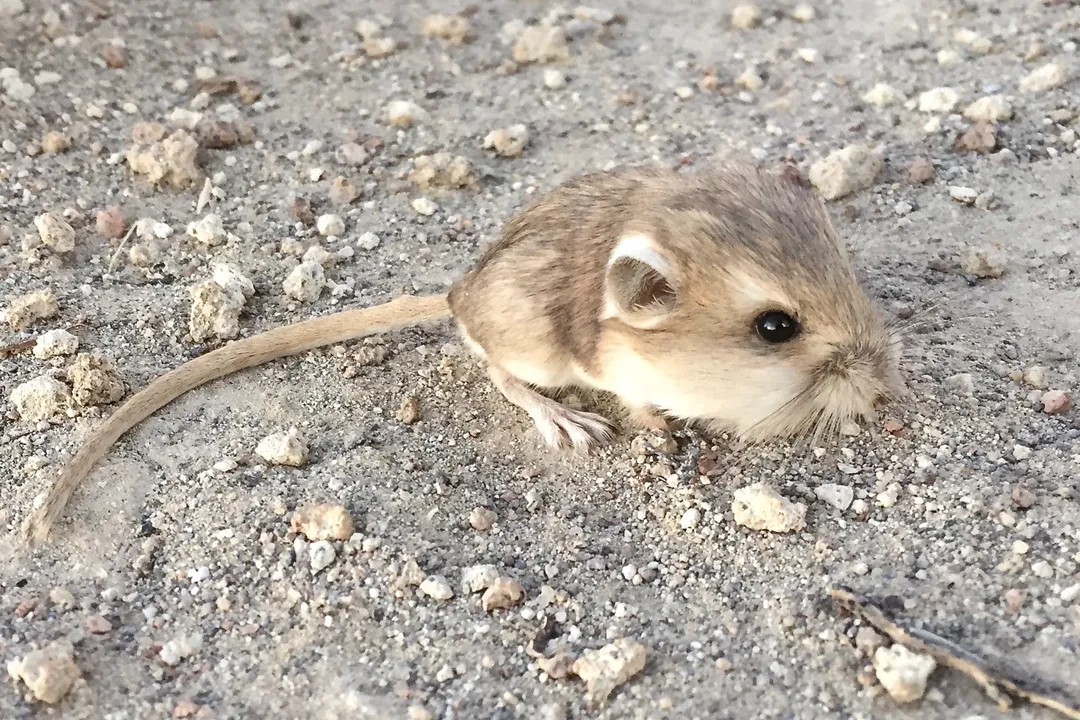
The tiny kangaroo mouse, a creature built for the stark beauty of North American deserts, occupies a surprisingly restricted piece of the continent. These bouncing rodents, belonging to the genus Microdipodops, are not scattered across the western United States; instead, their existence is tethered to the unique environmental conditions found within one major geographical feature: the Great Basin. [1][5] Understanding where they live requires looking beyond state lines and focusing instead on specific soil types and elevations that define this arid interior region. [3][9]
# Great Basin Home
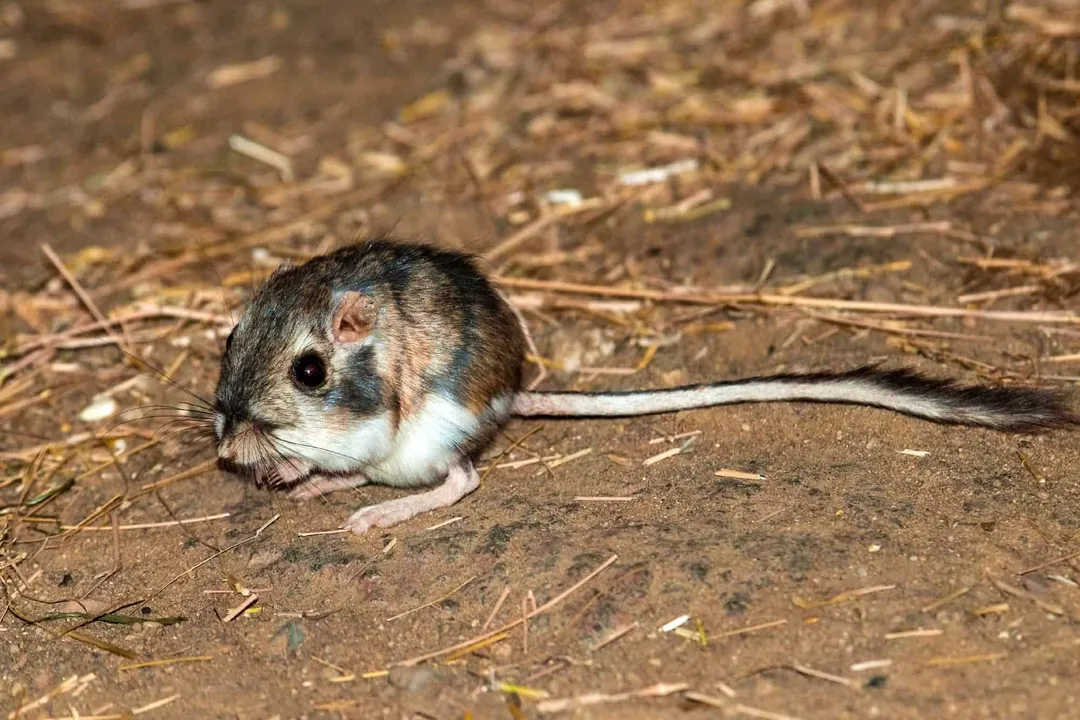
The primary domain of the kangaroo mouse genus is the Great Basin, a vast, arid region encompassing large parts of several western states. [1][4] This area is characterized by its internally draining systems, meaning that water that falls there does not flow to the ocean. [9] The two recognized species, the Dark Kangaroo Mouse (Microdipodops megacephalus) and the Pale Kangaroo Mouse (Microdipodops pallidus), share this broader ecological area but have distinct preferences within it. [1] The distribution map for these animals reads less like a political boundary overview and more like a geological survey, strongly correlating with the presence of loose, sandy, or gravelly substrates. [3]
It is interesting to observe how these fine-grained habitat requirements interact with the larger geopolitical map of the American West. While the overall range spans several states, a localized population might thrive only on a specific stretch of ancient lakebed or dune system, potentially crossing a state line without any change in environment, or conversely, being stopped by a few miles of unsuitable, compacted clay soil. [3] This means that while a state might be listed as occupied, the actual density of the mice is highly uneven, clustered only where their preferred sandy soils persist. [10]
# Two Species
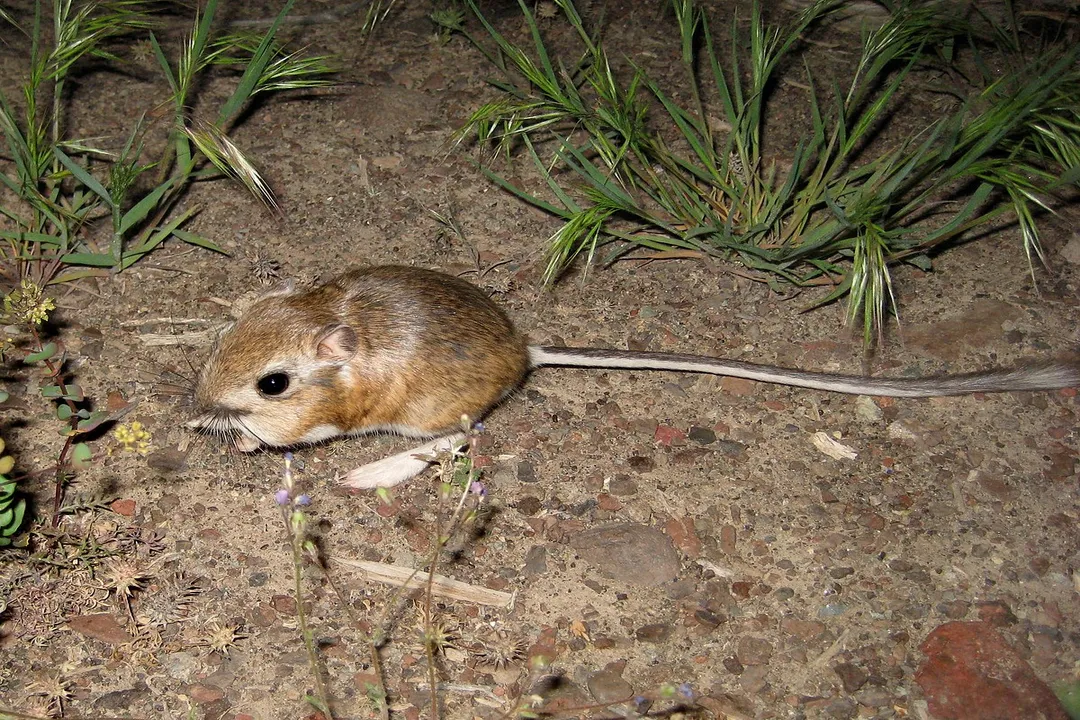
The genus Microdipodops contains just two distinct species, both endemic to the Great Basin and surrounding arid lands. [1] Distinguishing between them often comes down to subtle coloration and, critically, their precise geographic isolation and habitat preference, even within the same general region. [1][3]
| Species Name | Scientific Name | Primary Coloration Note | General Distribution Focus |
|---|---|---|---|
| Dark Kangaroo Mouse | M. megacephalus | Darker pelage | Great Basin, widespread |
| Pale Kangaroo Mouse | M. pallidus | Paler, often buffy color | Central/Southern Great Basin |
While both species occupy the Great Basin ecosystem, conservation planning and fieldwork must account for the specific range of each, as their survival strategies and microhabitat needs may differ slightly enough to warrant distinct management efforts. [2]
# Dark Range
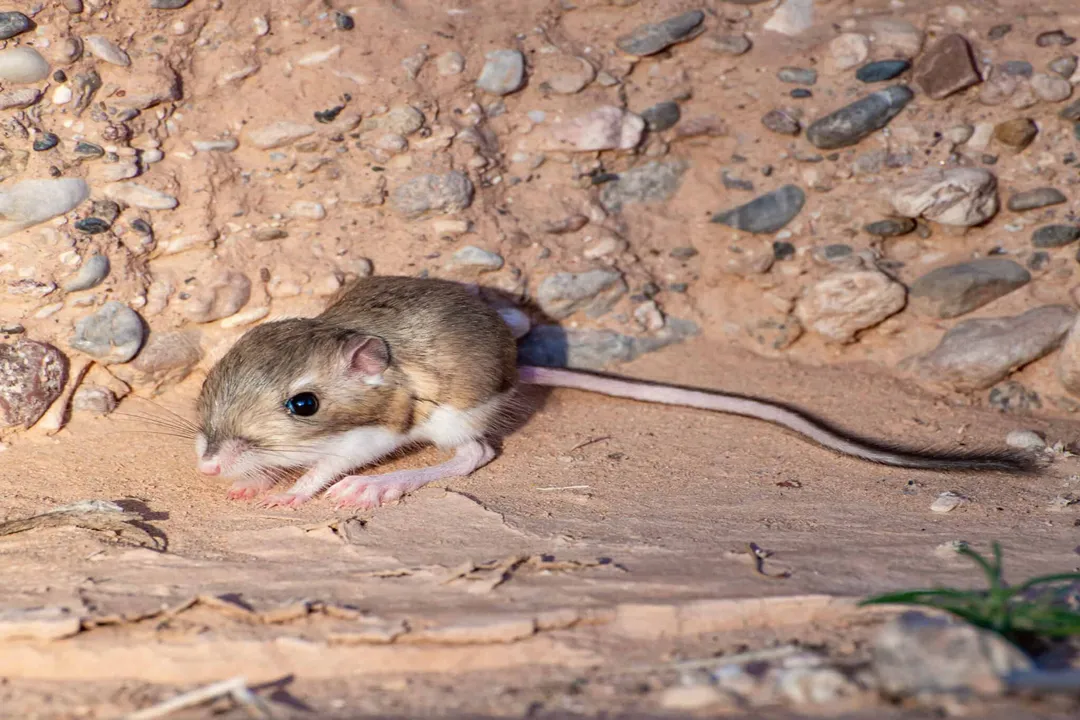
The Dark Kangaroo Mouse, Microdipodops megacephalus, has perhaps the wider, though still specialized, distribution among the two species. [1][3] Its range extends across major portions of the Great Basin, including areas within Nevada, Utah, Oregon, and California. [2][7][10]
In Nevada, the Dark Kangaroo Mouse is noted to inhabit areas primarily characterized by sandy or gravelly soils, often interspersed with sagebrush communities. [2] Field guides detailing wildlife in the region confirm their presence throughout suitable habitats in the central and western parts of the state. [10] Their requirement for loose substrate is paramount; they depend on this type of ground for digging their extensive burrow systems, which serve as protection from predators and the harsh temperature fluctuations of the desert. [3]
Similarly, their presence in Utah is strongly linked to these specific soil conditions. [10] They are found where the terrain offers the appropriate surface material for their characteristic bipedal locomotion and burrowing activity. The distribution follows the arid inland valleys and basins that define the ecology of the Great Basin within Utah's borders. [10]
# Pale Range
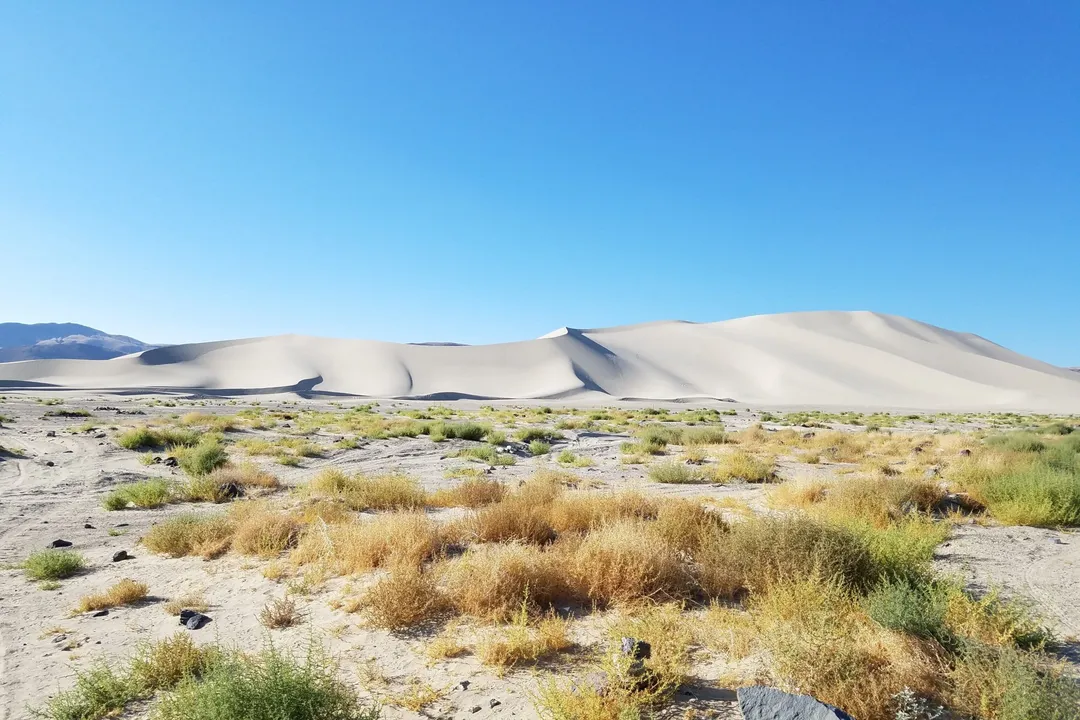
The Pale Kangaroo Mouse (M. pallidus) also calls the Great Basin home, though its reported distribution sometimes appears more centralized or marginally different from its darker cousin, often associated with slightly sandier habitats or specific dune complexes within the region. [1][8] While sources confirm its presence across the Great Basin, its distribution overlaps significantly with the Dark Kangaroo Mouse in areas like central Nevada. [1] One of the key distinctions, beyond coloration, is the association of M. pallidus with loose sand deposits, sometimes giving it a slightly more restricted range dictated by active dune systems or very fine, deep sands. [8] Its presence is confirmed across parts of Nevada and potentially into neighboring states where those pale, sandy conditions persist. [1]
# Sandy Substrates
The single most defining characteristic of a kangaroo mouse habitat, regardless of species or state boundary, is the substrate. [3][9] These animals are adapted to life on the move across open, arid ground, relying on speed and their specialized feet to navigate. [4] They are fundamentally tied to areas with sandy or gravelly soils. [3] This preference is practical: digging in hardpan clay or rocky ground is inefficient and leaves them exposed.
They thrive in open areas, often in association with sagebrush flats or alkali scrub communities. [2][3] The combination of sparse vegetation cover—providing just enough cover from aerial predators without obscuring the open ground needed for speedy escape—and the soft substrate for digging defines the optimal niche where one might expect to find these elusive mammals. [9] A casual observer traveling through a desert area might see miles of seemingly identical scrubland, but the kangaroo mouse population will only materialize where the ground texture meets their specific engineering requirements. This level of specialization means that habitat fragmentation, often caused by development or shifts in desert hydrology that might change sand deposition patterns, poses a real threat, even if the political boundaries of their known range appear intact. [7] The health of the sandy soil is, quite literally, the foundation of their population viability.
# Elusive Presence
Despite having defined geographic boundaries within the Great Basin, kangaroo mice are notoriously difficult to observe directly due to their nocturnal habits and small size. [3][4] This reliance on darkness means that much of the distributional data is gathered through trapping efforts or by examining tracks and signs around suitable habitat, rather than direct sightings during daylight hours. [10]
This elusiveness presents an analytical challenge when mapping their exact range. If a researcher samples a suitable patch of sand in one basin and finds them, but another, seemingly identical basin just over a low mountain pass yields no results, is the population truly absent, or was the sampling effort simply insufficient? This is a common conundrum when assessing the distribution of highly specialized, low-density desert fauna. [3] It suggests that our current understanding of their range edges might be a conservative estimate, limited more by our ability to detect them than by the true extent of their biological tolerance, which is primarily dictated by those specific soil conditions we discussed earlier. [9] A slight variation in the calcium carbonate content of the soil or the presence of a specific, unpalatable shrub can dramatically alter the local habitability, making the exact location of a colony a highly nuanced topic for field biologists.
Related Questions
#Citations
Kangaroo mouse - Wikipedia
Dark Kangaroo Mouse - Nevada Department of Wildlife
Microdipodops megacephalus (dark kangaroo mouse)
The Kangaroo Mouse (genus Microdipodops) are native to ... - Reddit
Dark Kangaroo Mouse (Utah Mammals) - iNaturalist
Species Profile for Desert Valley kangaroo mouse(Microdipodops ...
Kangaroo Mouse Animal Facts - Microdipodops
Heteromyidae: Kangaroo Rats & Pocket Mice - Desert Museum
(species) microdipodops megacephalus - Utah Field Guides
SDNHM - Dipodomys merriami (Merriam's Kangaroo Rat)