Do grasshopper mice eat snakes?
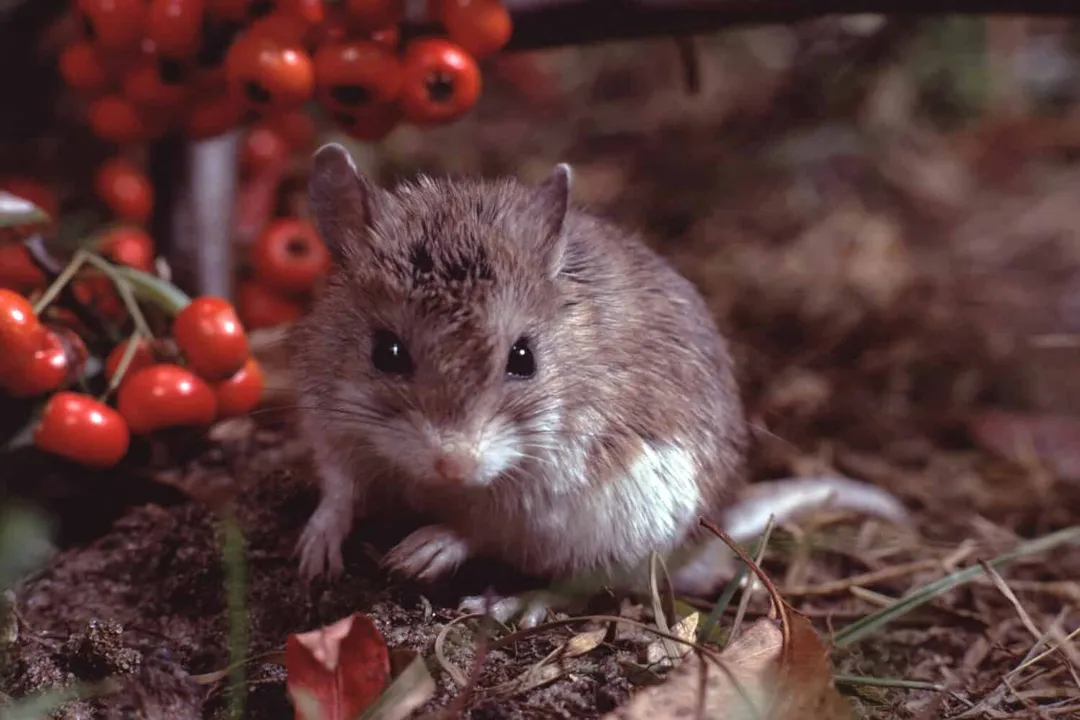
The image of a mouse typically conjures up visions of timid creatures nibbling on grains or cheese, perhaps causing a small fright before vanishing behind a baseboard. The grasshopper mouse, however, belongs to an entirely different, far more predatory class of rodent. These desert dwellers shatter the conventional expectations of what a mouse can be, exhibiting a ferocity that has earned them a reputation as tiny, furry wolves of the arid scrublands. [2][7] Their diet is surprisingly meat-heavy, centered on creatures that most small mammals actively avoid, which naturally leads to curiosity about their limits—specifically, whether these specialized hunters ever tackle reptiles, such as snakes.
# Carnivorous Nature
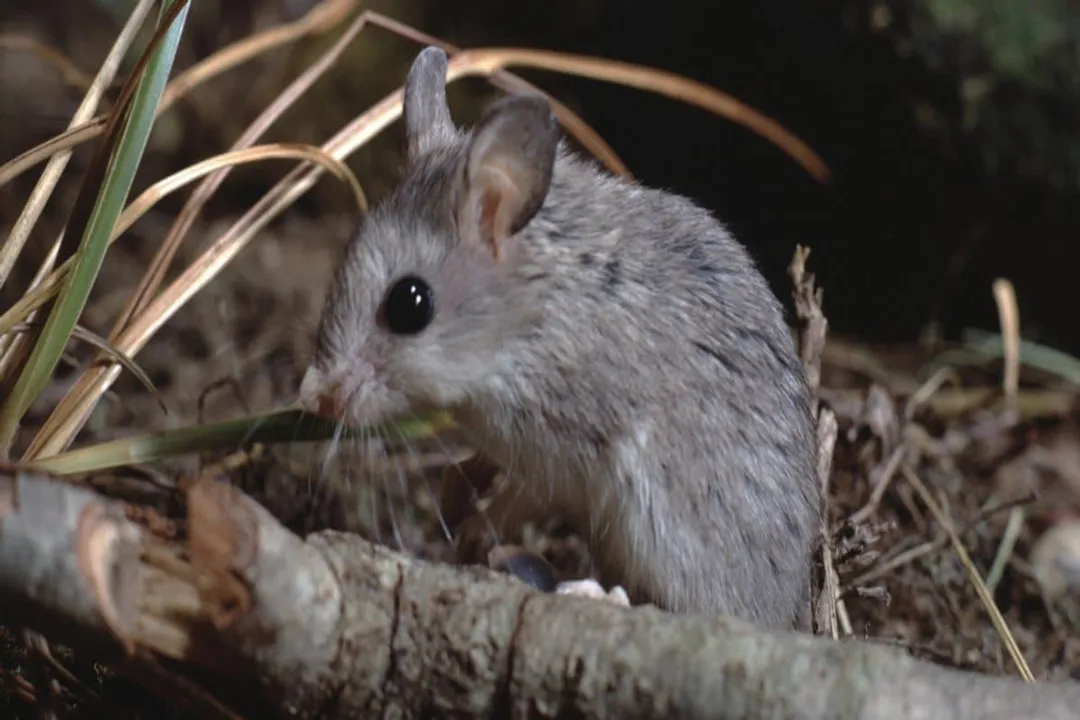
Unlike the majority of their kin, grasshopper mice are primarily carnivorous, classifying them as significant predators within their ecosystem. [1][2] While they will consume plant matter, particularly seeds and vegetation when other food sources are scarce, their true dietary focus lies with animal protein. [2][7] This dietary preference is a defining feature that sets the species apart.
The most famous aspect of their carnivorous repertoire involves arthropods. In the unforgiving environment of the American Southwest deserts where they reside, they frequently prey upon scorpions. [1][7] This is not a casual consumption; these mice actively hunt and consume venomous arachnids, an action that requires specialized adaptations far beyond the typical mouse's skillset. [5] Beyond scorpions, their hunting prowess extends to large insects like grasshoppers (hence the name) and beetles, as well as other small invertebrates. [2] They are also known to hunt and consume other rodents. [1][7]
If we consider the known diet—scorpions, insects, and other small mammals—the predatory threshold for the grasshopper mouse seems exceptionally high. They are clearly not deterred by danger or potent chemical defenses when it comes to securing a meal. [5] This established capacity to neutralize deadly threats like scorpion venom suggests a high degree of boldness and effectiveness as a hunter, placing them in a unique trophic level for a small rodent. [5]
# Adaptations to Danger
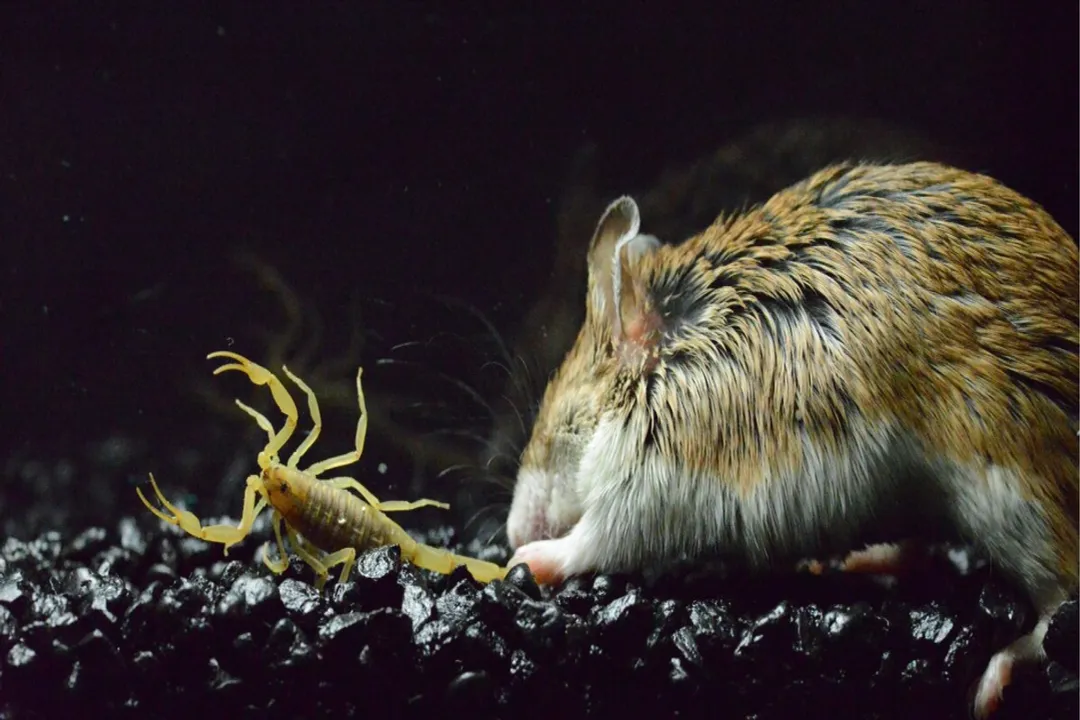
The ability of the grasshopper mouse to consume scorpions without succumbing to their toxins is perhaps the single most illustrative fact about their toughness. [5] The Southern Grasshopper Mouse, for instance, is famous for this trait. [4]
# Venom Resistance
The mechanism that allows them to survive these encounters is fascinating. Researchers have noted that grasshopper mice appear to have a physiological tolerance or resistance to the venom found in certain species of scorpions, such as the bark scorpion. [5] This adaptation provides them with a crucial edge, allowing them to access a food source largely untapped by other small desert mammals. When hunting, they reportedly use their forepaws to attack the scorpion’s stinger, disabling the primary weapon before dispatching the prey. [5] This calculated, effective technique demonstrates sophisticated predatory behavior rather than simple luck.
This level of specialized anti-venom capability is an extraordinary evolutionary outcome for a rodent. It implies that their evolutionary path has been heavily shaped by the need to secure high-protein, dangerous prey in resource-scarce environments. [5] When thinking about whether they might eat snakes, understanding this baseline toughness—the ability to neutralize a potent neurotoxin—is essential context. They are built to take on the desert's smaller, more dangerous residents. [5]
# Nocturnal Life and Unique Vocalizations
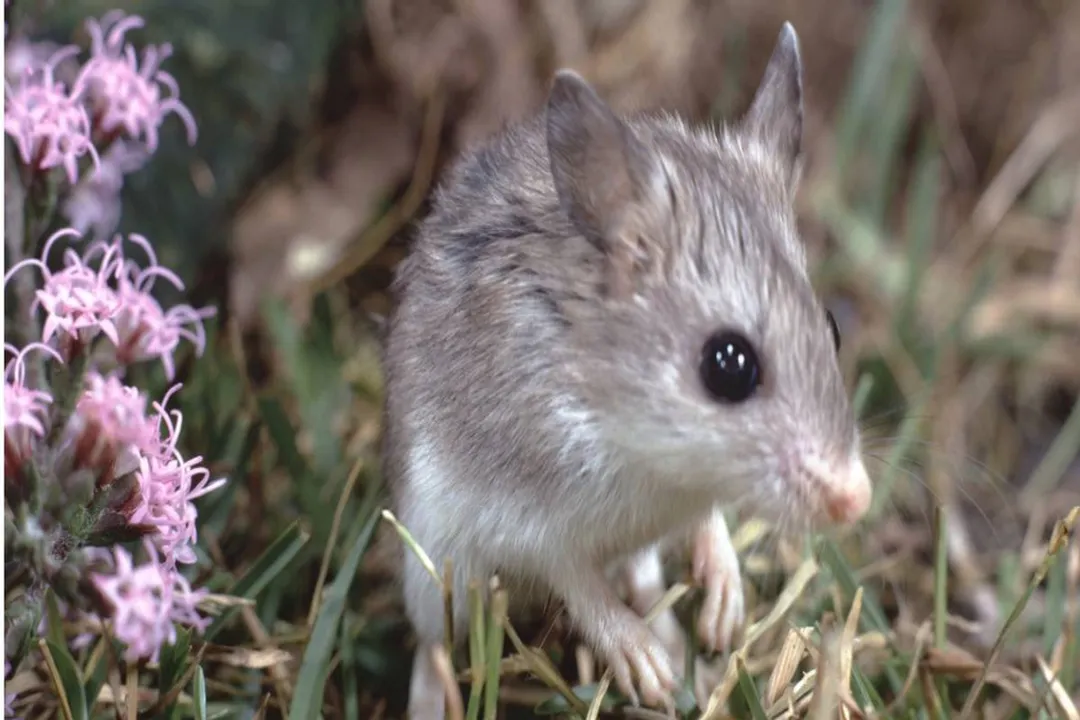
Grasshopper mice are decidedly nocturnal hunters. [2] This schedule allows them to avoid the intense daytime heat of the desert and also puts them in direct competition or contact with other nocturnal carnivores. They are active when many of the desert’s reptiles, including smaller snakes, might also be beginning their nighttime foraging or movement cycles.
Another striking feature that separates them from nearly every other mouse species is their vocalization. Grasshopper mice are renowned for howling at the moon. [4][6] This behavior is not a squeak or a chirp; it is a genuine, high-pitched howl, sometimes sounding like a tiny wolf or coyote. [6] While the exact purpose is multi-faceted, it is understood to be a form of territorial defense and communication, often involving males staking out their ground. [4][6]
This howling serves a dual purpose in their environment. Firstly, it advertises their presence to potential mates or rivals. Secondly, in the quiet, open desert landscape, such a display might serve as a warning to other nocturnal predators that this territory is occupied by a tenacious resident. [6]
This territoriality, combined with their predatory success, brings the question of larger prey into sharper focus. A creature bold enough to vocalize its dominance over its hunting grounds is certainly one that might test the boundaries of its diet.
# Assessing Predation on Serpents
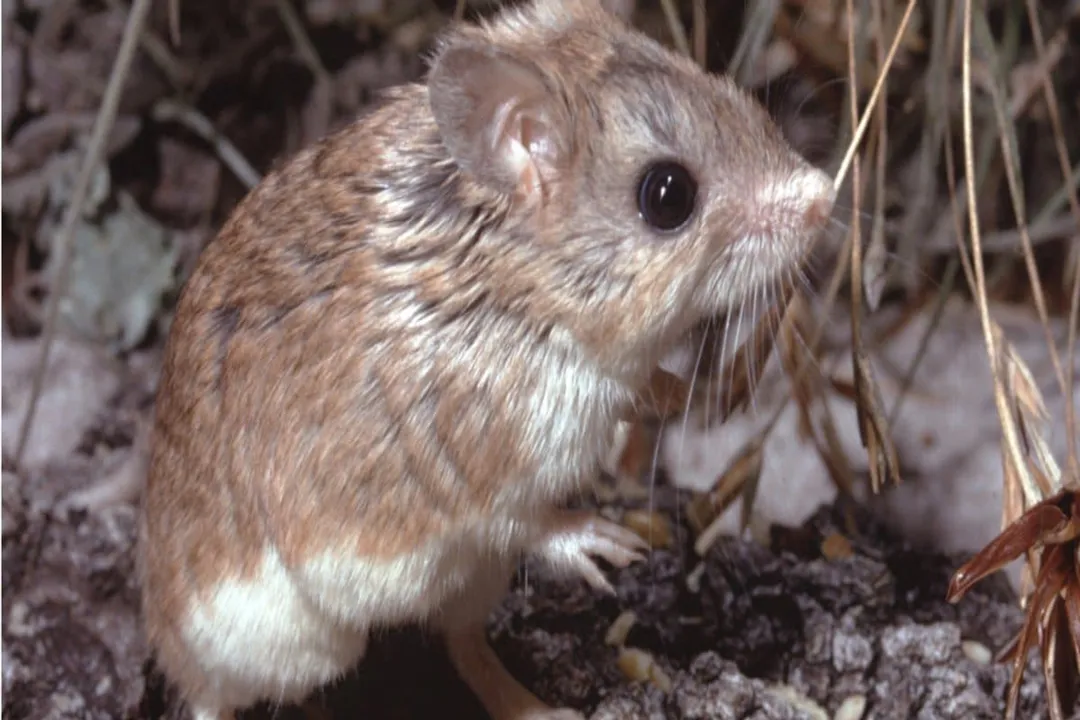
The specific query regarding snakes—whether these fierce little rodents consume them—falls into a gray area when strictly examining the documented facts provided by many common sources. While they are voracious carnivores that tackle scorpions and other rodents, [1][7] direct, repeated documentation of them successfully dispatching and consuming snakes is less frequently emphasized in general overviews compared to their scorpion feasts. [5]
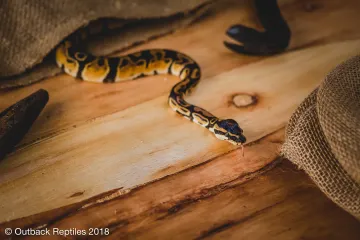
However, it is important to evaluate their known capabilities against the potential prey item. Snakes found within the grasshopper mouse’s habitat often range from small, non-venomous species to juveniles of larger species. Given that grasshopper mice routinely defeat prey that possesses a highly effective chemical weapon (scorpion venom), an encounter with a small, non-venomous snake, or even a smaller venomous snake whose venom is less potent against the mouse's physiology than scorpion venom, could certainly result in predation. The mouse’s established hunting style—rapid, targeted strikes against the head or stinger region—would likely be adapted to target the snake's head to avoid a bite.
If a grasshopper mouse is comfortable confronting a highly toxic arthropod, the instinctive fear of a small reptile might be significantly diminished, replaced by the stimulus of a protein-rich meal. The key difference lies in defensive mechanisms: scorpions use venom delivered via a sting; snakes rely on constriction or a venomous bite. The mouse has demonstrated successful countermeasures for the former. [5] Countermeasures for the latter would depend on speed and positioning.
The act of hunting small vertebrates, such as other mice, proves they are capable of handling warm-blooded prey, which shares certain complexities with hunting reptiles. [1] This successful predation on other small mammals suggests that the capability to take on small snakes is certainly present within their behavioral repertoire, even if it remains a secondary or opportunistic part of their diet compared to their famous insect consumption. Considering the intense pressure to consume protein in the desert, a vulnerable or young snake crossing their path at night would likely be seen as an opportunity rather than a threat, especially by a mouse proven resistant to other forms of lethal defense.
# Niche Exploitation in the Desert Landscape
The grasshopper mouse’s dietary preference for toxic arthropods like scorpions illustrates a profound ecological strategy: niche partitioning through biological defense. Most desert mammals avoid scorpions entirely due to the danger, leaving a significant, reliable food source untapped. [5] By evolving resilience to this common desert toxin, the grasshopper mouse has effectively created a food niche virtually free of competition from other small rodents. They don't just eat what is available; they specifically target what others cannot safely eat, a clear evolutionary advantage in environments where calories are hard-won. [5] This strategy of overcoming biological defenses is likely applicable to other difficult prey they might encounter, such as small, defensive lizards or snakes. The mouse’s entire survival strategy is predicated on being the local apex small predator, capable of neutralizing the common hazards of the environment through a combination of tenacity and physiological adaptation.
Furthermore, consider the implications of their nighttime dominance. The desert floor at night is a competitive arena for resources. The grasshopper mouse’s loud, territorial howling, far from being a mere curiosity, must serve as a significant deterrent to other similar-sized carnivores, including small snakes actively hunting nearby. [6] This vocal advertisement acts as a virtual fence, establishing boundaries for hunting territory. For a snake, hearing that loud, aggressive challenge emanating from a small rodent might signal that the immediate area is claimed by a known fighter, perhaps causing the snake to slither past to seek easier hunting grounds elsewhere, thereby minimizing dangerous confrontations for both parties.
In summary, while the primary documented evidence points to a specialized diet of insects, scorpions, and rodents, [1][2][7] the grasshopper mouse possesses the necessary toughness, predatory skill, and aggressive territoriality to suggest that consuming small snakes would not be outside the realm of possibility. Their established tolerance for potent toxins and their willingness to take on other dangerous quarry paints a picture of a creature that sees food first, and perceived danger second. [5]
#Videos
The Grasshopper Mouse Is a Killer Howling Rodent | Nat Geo Wild
He EATS Snakes, Scorpions And Even Mice! Meet The Grasshopper ...
Related Questions
#Citations
TIL the Grasshopper mouse is a carnivorous rodent that eats ...
Grasshopper mouse - Wikipedia
The Grasshopper Mouse Is a Killer Howling Rodent | Nat Geo Wild
With its Evolutionary Magic, the Grasshopper Mouse Could ...
Meet the southern grasshopper mouse, the killer mouse that howls ...
Howling Meat-Eating Mouse Hunts Scorpions, Snakes and ...
Grasshopper Mouse Animal Facts
What do you know about my favorite rodent, the grasshopper mouse?