Are grasshopper mice aggressive?
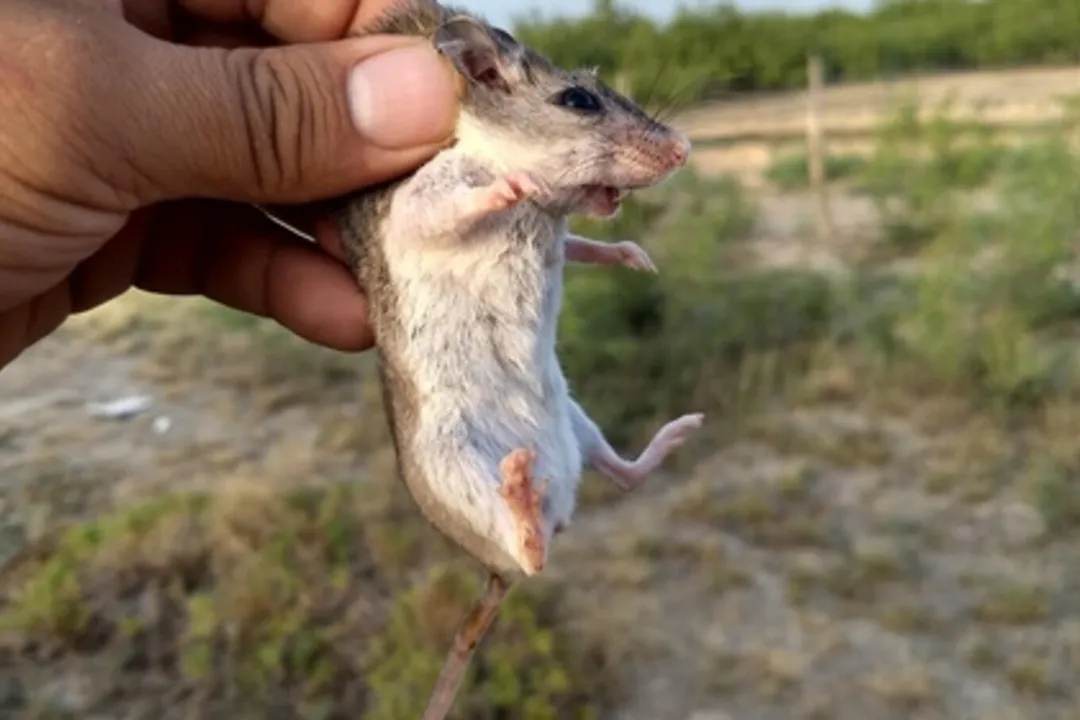
The small, often nocturnal rodent known as the grasshopper mouse certainly earns its reputation as a ferocious predator, a descriptor frequently applied to this genus. [6] Far from being timid herbivores, these animals exhibit behaviors that firmly place them in a more aggressive category when viewed against other common mice species. Their dietary choices are the first major clue: they actively hunt and consume a wide variety of prey, including insects, scorpions, small rodents, birds, and even reptiles. [3][4] This carnivorous inclination immediately sets them apart in the typical rodent classification, suggesting a high level of predatory drive necessary to secure such a varied and sometimes dangerous menu. [7]
# Predatory Drive
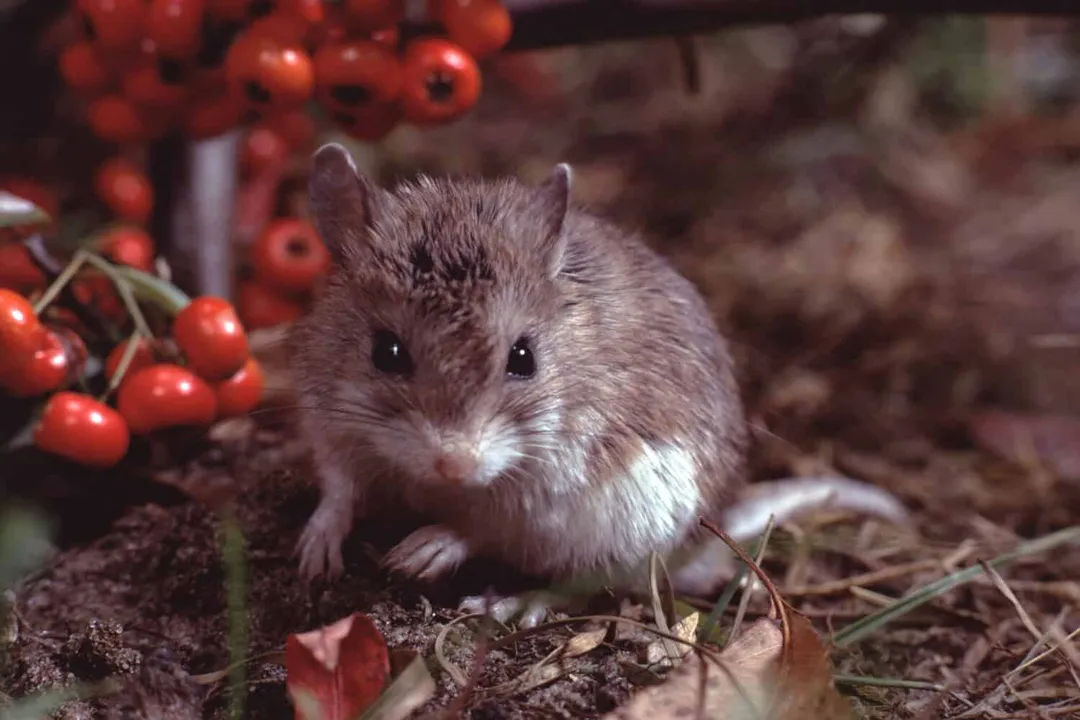
The aggression of the grasshopper mouse is rooted in its role as an active carnivore. Unlike many small mammals whose diets are primarily seed or plant-based, the Onychomys genus actively pursues prey. [4] This pursuit requires boldness and a willingness to engage with creatures potentially larger or better equipped for defense than themselves. For instance, their ability to tackle scorpions is a hallmark of their predatory prowess. [3][7] This is not passive scavenging; it is active hunting that demands a certain level of innate aggression or at least, significant boldness, especially when dealing with venomous arthropods. [2]
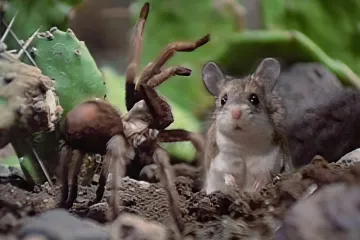
One might consider the typical encounter between a small mammal and a scorpion. Most small animals would retreat. The grasshopper mouse, however, engages. This specialized hunting strategy implies a level of biological programming that favors aggression when encountering prey items. [6] The description of them as a "tiny super-predator" captures this essence perfectly, highlighting that size does not diminish their aggressive, conquering nature towards their targets. [9]
# Diet Specialization
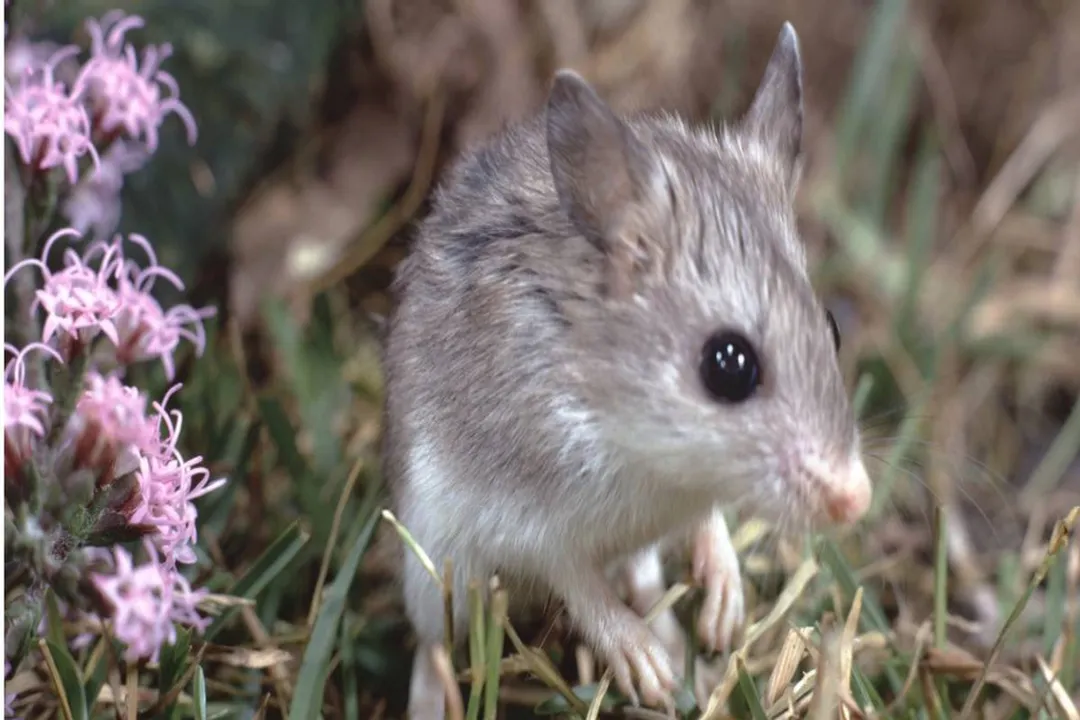
To truly gauge their temperament, one must look closely at what they eat and how they acquire it. The diet is remarkably varied and consistently leans toward animal protein. For the Southern grasshopper mouse, consumption often centers on insects, scorpions, and other small creatures. [1][4] The Northern grasshopper mouse shares this carnivorous tendency, preying on arthropods, insects, small rodents, and even birds. [2] This spectrum of prey indicates flexibility, but the consistent inclusion of venomous or fast-moving creatures points toward ingrained hunting skill and a lack of hesitation—key components of what we might term aggression in the wild.
The fact that they consume other rodents, for example, confirms they are not strictly insectivores. This practice of intraguild predation—where one predator species consumes individuals of another predator species—is often indicative of a more dominant or aggressive feeding strategy within an ecosystem. [4]
# Venom Resistance
A fascinating aspect that directly supports their aggressive predatory lifestyle is their immunity to certain venoms. Both the Northern and Southern species have been noted for their ability to survive and consume scorpions, even those possessing potent venom. [1][2][7] The Southern grasshopper mouse, specifically, is known to be resistant to the venom of the Centruroides scorpion, a threat that would incapacitate or kill most other small mammals. [1][4]
This resistance isn't just passive tolerance; it allows them to actively seek out and conquer one of the most dangerous invertebrates in their environment. This biological adaptation serves as an amplifier for their natural predatory aggression. Without this specialized resistance, their diet would be severely limited, forcing them into a less dominant niche. Their evolutionary path has clearly favored the aggressive pursuit of these toxic meals. [9]
When assessing aggression in the animal kingdom, one must often look past simple displays like tooth-baring and examine sustained, risky behavior aimed at acquiring resources, which is exactly what the grasshopper mouse demonstrates by targeting venomous prey.
# The Moonlit Chorus
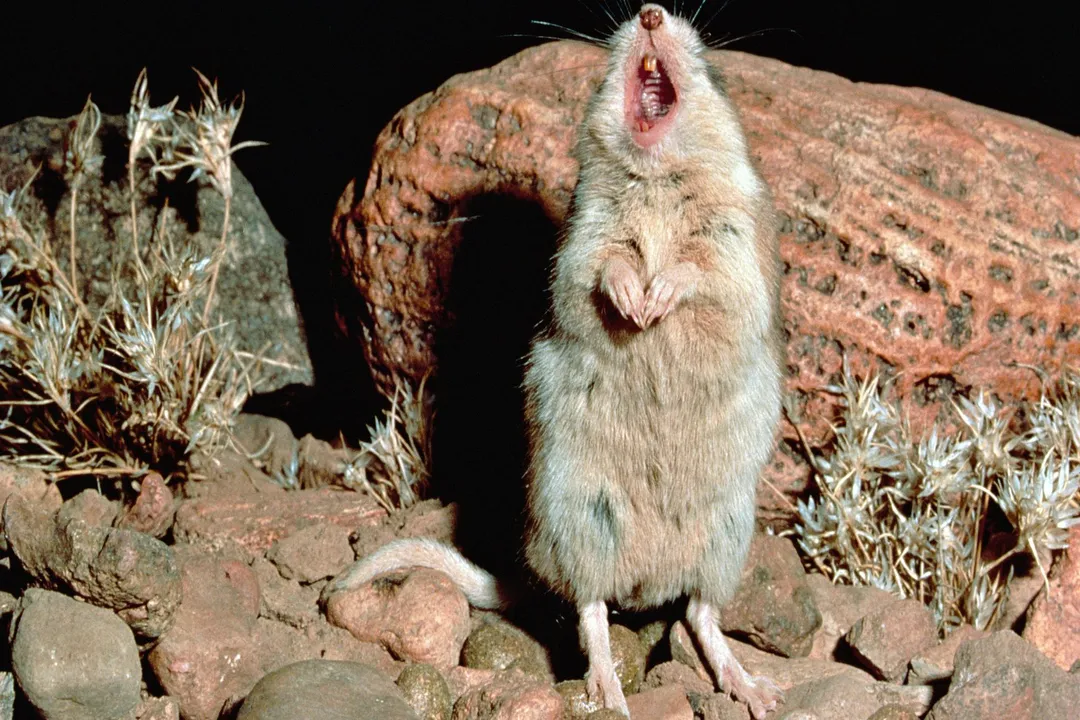
Perhaps the most visually striking and widely reported evidence of their unique, almost theatrical temperament is their vocalization—a behavior often associated with territoriality or dominance displays, which ties back to aggression. The grasshopper mouse, particularly the Southern variety, has been documented howling at the moon. [9] This is not a simple squeak or defensive hiss; it is described as a distinct, sustained vocalization. [9]
This howling behavior is frequently observed immediately preceding or following a successful hunt or kill. [6][9] In the context of animal behavior, such displays often serve to advertise ownership of territory or to intimidate rivals, both fundamentally aggressive or defensive actions. An animal that announces its success with a long howl atop a mound of dirt is exhibiting a form of dominance display that transcends simple survival feeding. It is a claim of territory and prowess. [6]
This behavior is so notable that it has captured the attention of many observers, cementing the mouse’s reputation as something far more intense than its size suggests. [9]
# Species Variations
While the general predatory nature appears consistent across the genus, there are differences between the known species that are worth noting, particularly concerning distribution and specific habits. The Southern grasshopper mouse (Onychomys torridus) is often the focus of studies concerning venom immunity and howling, inhabiting the southwestern United States and Mexico. [1][4]
The Northern grasshopper mouse (Onychomys leucogaster) shares the arid and semi-arid habitats of the western United States and Canada, and similarly relies on a diet rich in invertebrates and small vertebrates. [2] While the sources emphasize the Southern mouse's howling, the fundamental carnivorous nature is shared, suggesting that aggression in resource acquisition is a trait conserved across the genus. [1][2]
| Species | Primary Regions | Noted Aggressive/Unique Trait |
|---|---|---|
| Southern (O. torridus) | Southwestern US, Mexico | Distinct howling; high resistance to Centruroides venom [1][9] |
| Northern (O. leucogaster) | Western US, Canada | Diet includes small birds/rodents; general venom resistance [2] |
A point that requires careful consideration, though not directly contrasting aggression, is the need for water conservation. The Southern grasshopper mouse has evolved mechanisms to conserve water, largely by obtaining necessary moisture from its prey, reducing its reliance on external water sources. [4] While this speaks to survival efficiency, it supports a highly predatory lifestyle where the mouse spends significant time securing protein-heavy meals, rather than foraging for hydrating vegetation or water.
# Contextualizing Wild Behavior
It is important to frame this "aggression" within the ecological context of a small desert mammal. What reads as aggressive in a scientific description is simply effective survival strategy in the harsh desert landscape. A mouse needs to be assertive to secure the necessary caloric intake in an environment where resources are often scarce or dangerous to obtain. [2][4] Their aggression is not random; it is targeted at prey or perceived rivals.
Consider an analogous situation: a small dog aggressively barking at a mail carrier might be displaying territorial aggression, but the grasshopper mouse is displaying predatory aggression toward something it intends to eat, often something equipped to fight back, like a scorpion. [7] This required assertiveness in hunting may spill over into defensive or territorial displays, such as the aforementioned howling, making the overall impression one of high temperament. [6][9]
If one were attempting to observe these animals, understanding their motivation is key. They are not overtly hostile towards humans or large animals unless trapped or cornered, at which point any small mammal will defend itself vigorously. Their true, noteworthy aggression is directed down the food chain, toward their dinner. [3] This focus on high-value, difficult-to-obtain meals illustrates a commitment to a carnivorous niche that demands boldness.
The sheer metabolic demands of being a largely carnivorous rodent require high efficiency in hunting. This efficiency is built upon a foundation of successful, assertive encounters with prey. Therefore, the answer to whether they are aggressive is yes, but specifically, they are proactively aggressive predators whose entire survival strategy hinges on conquering other animals. This differs significantly from a defensive-only aggression seen in many herbivores facing predators. The grasshopper mouse is rarely the passive party in its daily interactions with its food sources.
# Ecological Niche and Reputation
The sources collectively paint a picture of an animal that occupies a specialized niche, one usually reserved for slightly larger carnivores or specialized reptiles. This forces the mouse into behaviors that appear aggressive when compared to its rodent relatives. [1][7] The fact that they are often called "super-predators" by observers highlights how far their behavior deviates from the norm for their size class. [9]
It is also interesting to note how this reputation propagates through different media, from scientific descriptions to popular nature forums. The consistent description of them as "ferocious" or "super-predators" across various sources—including academic-adjacent accounts and public interest sites—suggests this behavioral trait is highly pronounced and easily observable. [3][6] This shared understanding builds a high level of confidence regarding their temperament.
In summary, the evidence strongly supports the characterization of the grasshopper mouse as an aggressive animal, defined by its carnivorous diet, its willingness to tackle venomous prey, and its unique territorial howling display. Its entire existence in the arid lands is predicated on the successful execution of predatory encounters. [1][2][9]
The key takeaway for anyone studying desert wildlife is that the grasshopper mouse represents a fascinating case study in niche specialization, where the line between "mouse" and "small carnivore" blurs entirely due to this inherent, necessary aggression. [4][7] This aggressive stance is what allows it to thrive where its vegetarian cousins might struggle for adequate nutrition.
Related Questions
#Citations
Southern grasshopper mouse - Wikipedia
Northern Grasshopper Mouse | Colorado Parks and Wildlife
Grasshopper Mouse Animal Facts
Onychomys torridus (southern grasshopper mouse) | INFORMATION
Grasshopper mouse behavior and characteristics - Facebook
The Grasshopper Mouse is a ferocious predator, taking on ... - Reddit
Southern Grasshopper Mouse vs Northern Short tailed Shrew
Southern grasshopper mouse: The tiny super-predator that howls at ...