Where are baby copperheads found?
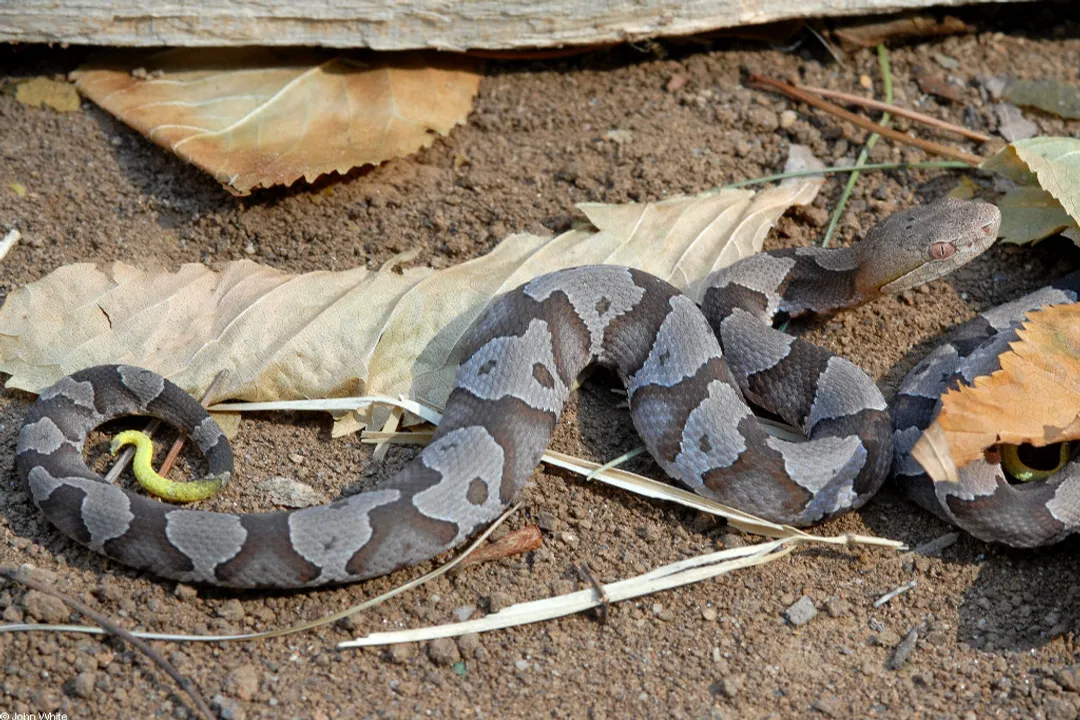
The appearance of young copperhead snakes often brings heightened concern, largely due to their small size and the natural tendency for people to venture into their preferred haunts during warmer months. While copperheads, scientifically known as Agkistrodon contortrix, are widely distributed across the eastern and midwestern United States, finding their neonates—the newly born young—requires understanding both the broad geographical range and the specific, often cluttered, microhabitats they seek immediately after birth. These venomous pit vipers are viviparous, meaning they give birth to live young rather than laying eggs. This reproductive strategy means that the presence of babies is directly tied to the location of the females during late summer and early fall.
# Geographic Presence
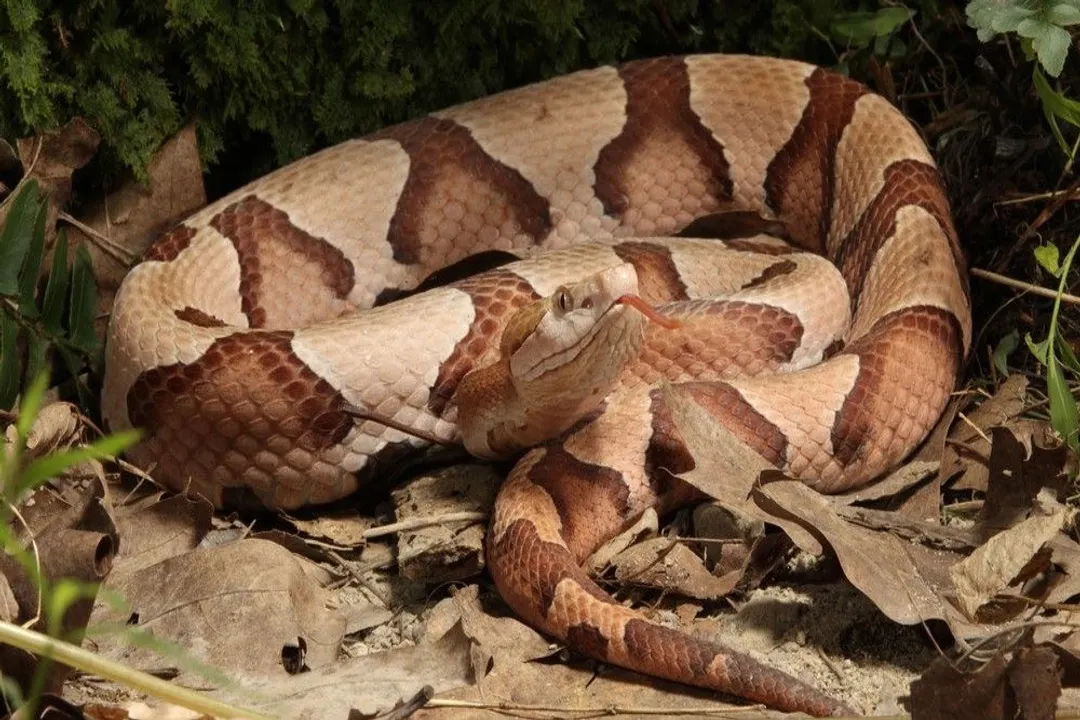
Copperheads inhabit a significant portion of the Eastern United States, spanning from southern New England down to northern Florida and west to the eastern edges of Texas and the Midwest. Within this extensive range, reports confirm their presence, including the young, in states like Pennsylvania, Maryland, and North Carolina.
The specific instances of finding baby copperheads often illuminate the overlap between their natural environment and human-developed areas. For example, reports have surfaced of small copperheads being discovered on busy public trails within Lancaster County, Pennsylvania. This suggests that even in suburban or semi-developed areas where human traffic is high, suitable cover and thermoregulation spots exist close enough to where the mother has given birth. Similarly, activity concerning these juvenile snakes has been noted across Maryland, persisting well into the fall season.
One key point to remember when considering where they are found geographically is that the range of the young snake is identical to that of the adult, but their immediate hiding spots are dictated by their size and the season of birth. A mother giving birth in a rocky outcrop near a suburban edge in North Carolina means the babies are immediately present in that same rocky, cluttered environment.
# Habitat Niches
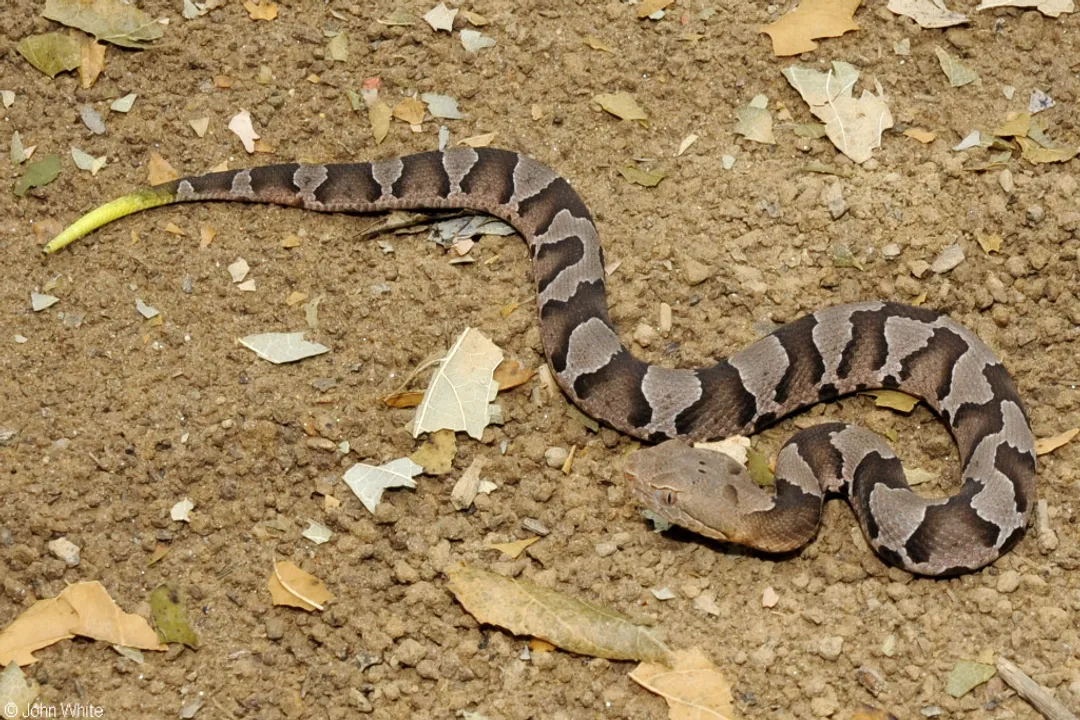
The general habitat for Agkistrodon contortrix is often described as wooded areas, especially those with rocky terrain or stone piles, and they are frequently found near water sources like streams or swamps. However, baby copperheads, being incredibly vulnerable and needing immediate shelter, concentrate in the most accessible, sheltered microhabitats near the birth site.
# Cover Essentials
Baby copperheads require excellent camouflage and protection from predators and dehydration. They are often found in areas that offer dense cover. This commonly includes:
- Wood Piles and Debris: Areas with scattered lumber, brush piles, or general organic debris provide the perfect combination of cover, moisture retention, and basking opportunities for these small snakes. If you are working with firewood or clearing brush, always inspect the ground layer carefully, as these little snakes blend remarkably well with leaf litter and detritus.
- Rocky Areas and Ledges: Natural rock outcroppings, talus slopes, and even man-made structures like retaining walls or abandoned foundations offer crevices where the young can hide or press against for warmth.
- Ground Cover: Thick leaf litter, especially in deciduous forests during the early fall when they are born, acts as both insulation and immediate concealment.
It is interesting to note that while general copperhead habitat favors undisturbed woodlands, the very fact that young ones are documented on well-trafficked trails suggests that the definition of their "habitat" must expand to include the edges of human disruption. A small, undisturbed, rocky drainage ditch running alongside a popular hiking path becomes a viable nursery area, making the presence of these babies a function of edge effect more than pristine wilderness.
# Birthing Seasons
The timing of when baby copperheads are found is almost entirely dictated by the reproductive cycle of the adult female. Copperheads bear live young, and the gestation period culminates in late summer through early fall. In many regions, the peak time for this birth event is generally considered to be from August into September, sometimes extending into October depending on the latitude and weather patterns.
Because they are born live, the young are immediately independent, though they will likely stay within the immediate vicinity of the birth location for a short period, seeking cover until they are large enough or secure enough to disperse slightly further. Their small size (newborns measure about 7 to 10 inches long) makes them exceptionally reliant on immediate concealment.
If a mother gives birth near a structure or a common resting spot, the babies will be present right there. This explains why advice exists urging people to check areas where they lean or place their hands, such as against tree trunks or stumps, as a mother might choose such a location for delivery or resting shortly thereafter. This immediate post-birth presence near the mother or the birthing site is a critical factor in pinpointing where you are most likely to encounter them during late summer and early autumn.
# Distinguishing Juveniles
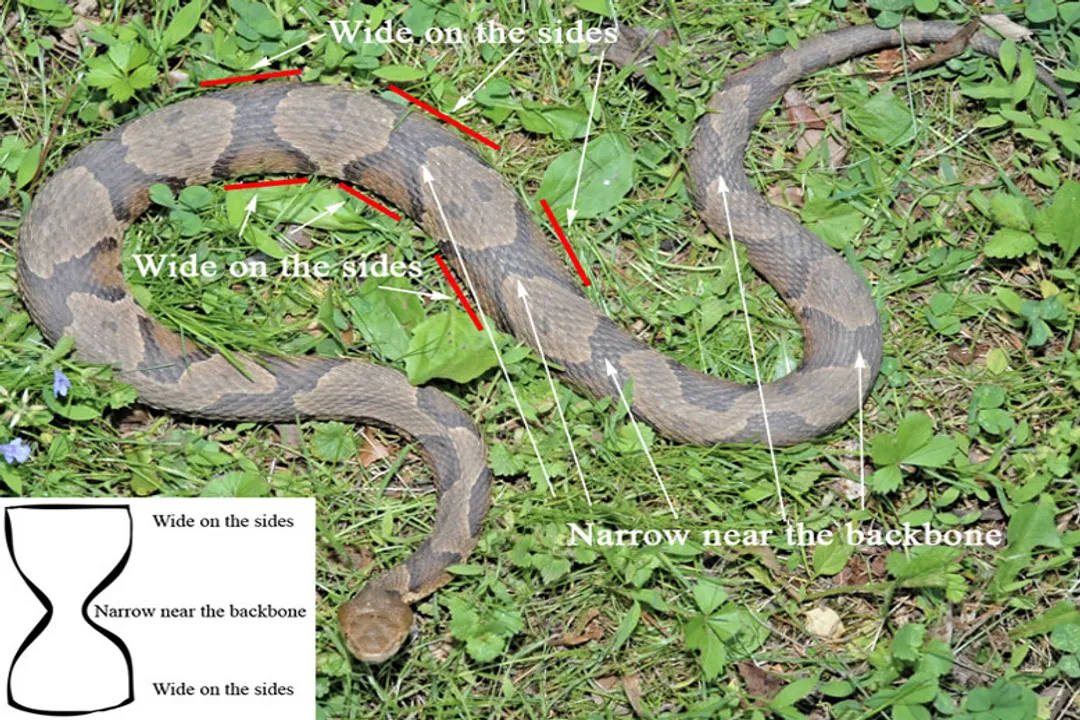
While the question is where they are found, it is impossible to discuss finding them without briefly touching upon how to identify them, as this affects how observers react to their presence. Baby copperheads often possess a distinct feature: a bright, sulfur-yellow or greenish-yellow tail tip. This coloration is believed to aid in luring prey—a behavior known as caudal luring—which is unusual for many adult pit vipers but common in their young.
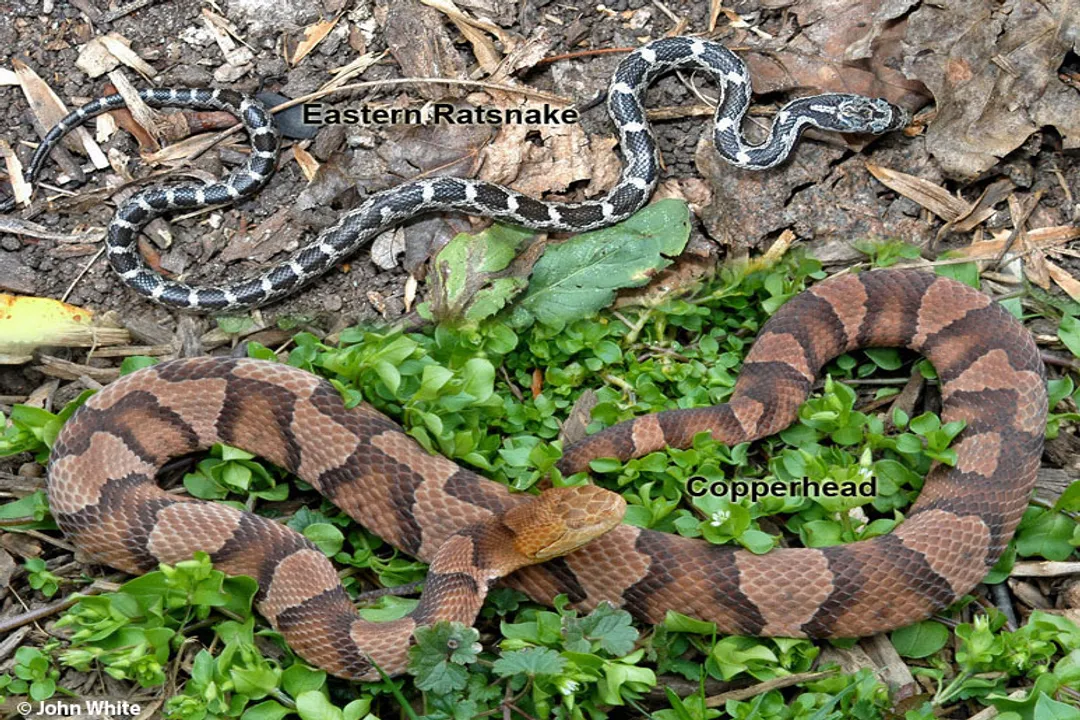
It is important to remember that many other non-venomous snakes share similar colors or patterns, leading to mistaken identities. If a small snake is found, relying solely on color can be risky, though the bright tail tip on a copperhead is a strong indicator. Since the general copperhead range includes areas where look-alikes exist, a careful approach is warranted regardless of the tail color.
A practical safety measure derived from their habitat preference is to adjust outdoor activities based on the season. For instance, if you live in an area with known copperhead populations, actively monitoring rock piles, wood storage areas, and shaded, debris-laden edges of lawns or trails during late August and September increases the probability of spotting them, often giving you a chance to observe without disturbing them. Given that they are born small and vulnerable, they will prioritize safety over basking in wide-open, exposed areas immediately following birth. Their presence is thus concentrated where cover is densest relative to the birthing location.

# Encounters Near Human Activity
The reports from Pennsylvania highlight a significant trend: baby copperheads are not exclusively found deep in the wilderness. Their habitat selection often includes areas adjacent to human development, providing them with abundant, readily available cover materials like construction debris, discarded lumber, or well-established landscaping features.
Consider an example scenario: A wooded area bordering a suburban neighborhood where construction occurred years ago left behind piles of stone and rotting logs. This spot, ideal for a female copperhead to seek shelter for giving birth, then becomes the initial, highly localized distribution point for the entire litter. The snake’s reliance on these existing sheltered spots means that areas near foundations, abandoned sheds, or even thick ornamental shrubbery bordering natural areas can become temporary hotspots for these young snakes in the late summer.
This juxtaposition between natural habitat needs and human-altered landscapes means that safety precautions must extend beyond remote trails and into residential peripheries where suitable cover exists. When moving firewood or turning over large stones in your yard during late summer or fall, you are essentially interacting with the exact type of cover structure a mother copperhead would use for her nursery. This emphasizes that where they are found is often where humans have inadvertently created perfect, sheltered microclimates that mimic their preferred rocky or log-strewn wilderness settings. The key takeaway is that their small size makes them incredibly dependent on immediate, close-range cover, leading them to areas that might surprise observers used to associating venomous snakes only with deep woods.
#Videos
Baby copperheads found on Lancaster County trail - YouTube
Related Questions
#Citations
2 baby copperheads relocated from busy Lancaster County trail
Baby copperheads found on Lancaster County trail | ABC27
Baby copperheads found on Lancaster County trail - YouTube
Copperheads and Similar Looking Harmless Species
If you're gonna lean on a tree, always look for the baby copperheads ...
Danger In The Grass? Baby Copperheads Active Across Maryland ...
Baby Copperhead Season - Summit Wildlife Removal
Baby copperheads: When are they born, what do they look like?
Copperhead snakes: Facts, bites & babies - Live Science