Where are assassin snails found?
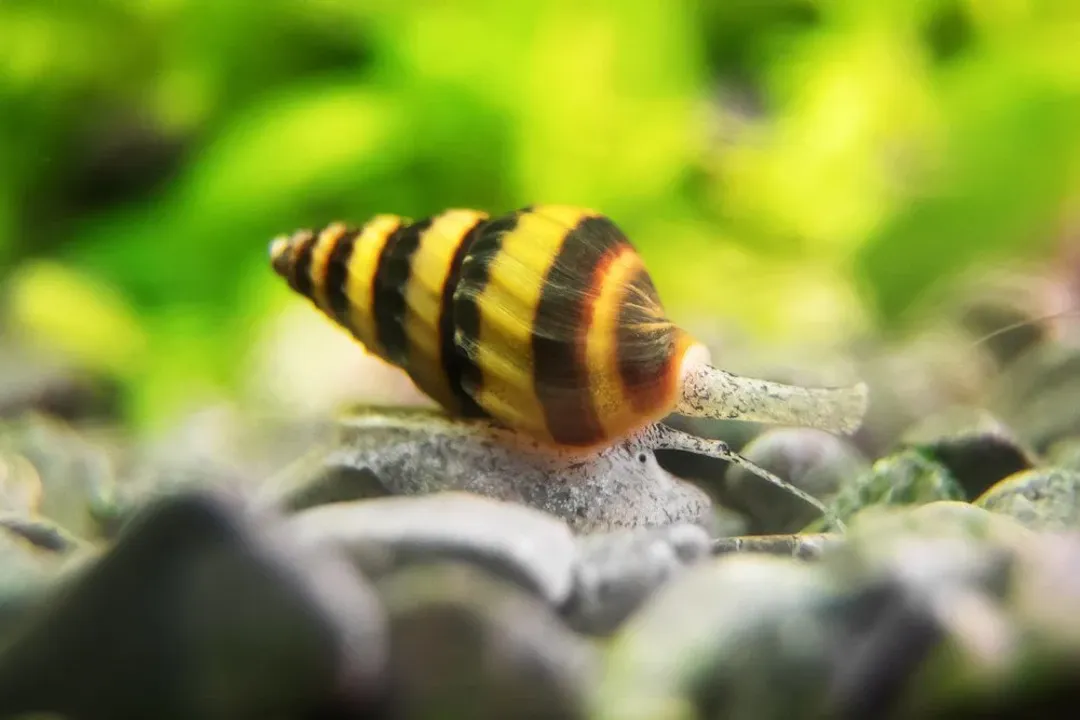
The appearance of the Anentome helena, commonly known across the aquarium hobby as the assassin snail, often prompts curiosity about its origins, especially given its dramatic predatory reputation. These distinctive creatures, characterized by their cone-shaped shells and noticeable snout, are not found worldwide in the wild, but rather originate from a specific region before being distributed globally through the pet trade. Pinpointing their location requires differentiating between their natural home and areas where they have become established or invasive populations exist.
# Southeast Asia Home
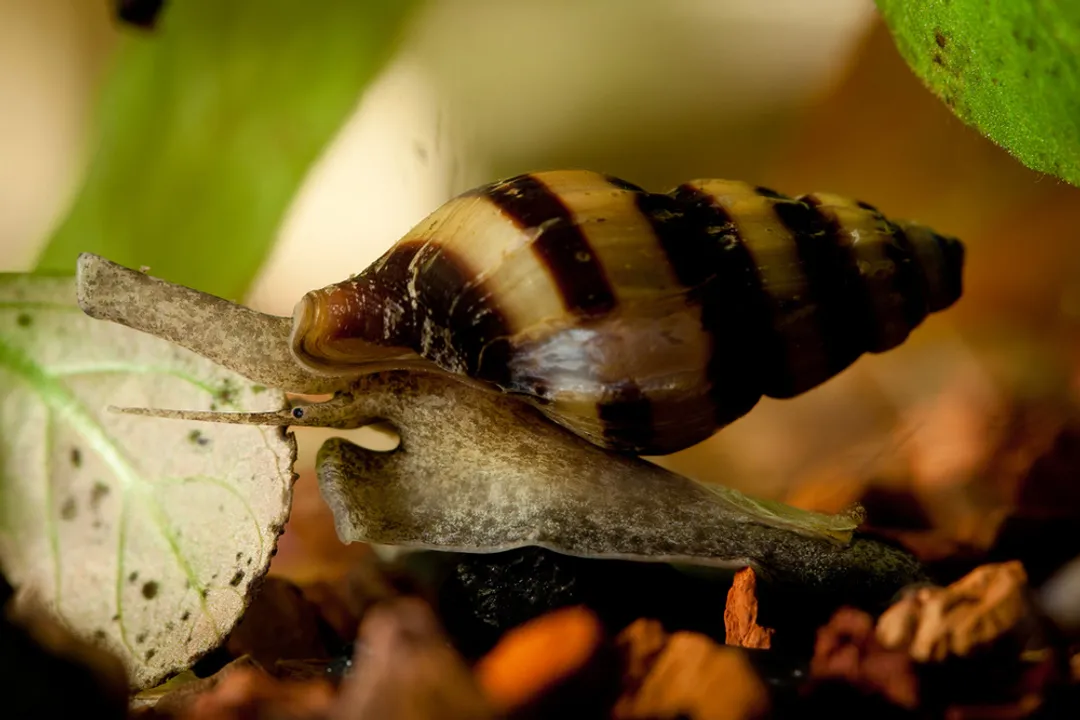
The undisputed native range for the assassin snail is Southeast Asia. More precisely, these snails are endemic to the freshwater environments of the island of Java, Indonesia. This specific geographic isolation on a major island suggests a unique evolutionary path for this particular species of predatory snail. They thrive in the freshwater bodies found there, which provides the initial context for understanding their general environmental needs, such as water temperature and substrate preference.
The scientific classification sometimes varies slightly in reference, but the accepted name is Anentome helena, though they are also frequently cataloged under Clea helena. Understanding their singular native location helps hobbyists appreciate that while they are adaptable to captive conditions, their inherent biological programming is tuned to the specific conditions of Indonesian freshwater systems.
# Invasive Presence
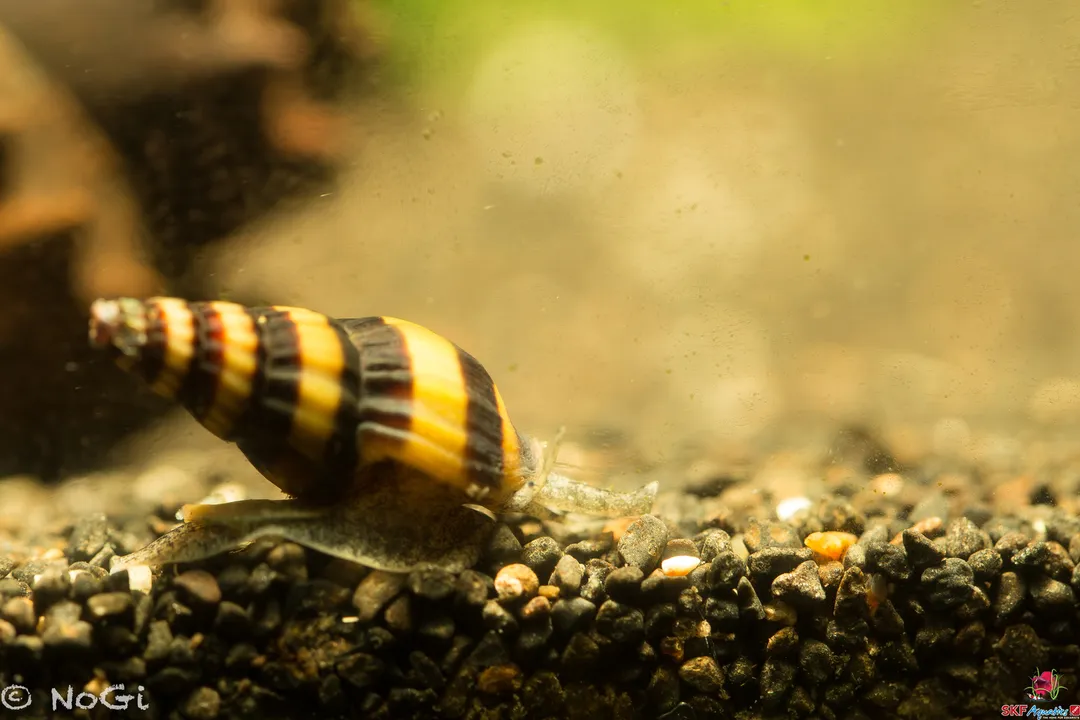
While Java is their birthplace, the assassin snail has crossed international boundaries, primarily due to the aquarium industry. This introduction to non-native locales is a significant aspect of where they can now be "found." One prominent example of their establishment outside their native range is in Queensland, Australia.
In Queensland, the species is classified as an invasive pest. Their accidental introduction, likely through discarded aquarium contents—perhaps unwanted snails being released into local waterways—poses a biosecurity risk to native fauna. This situation illustrates a common environmental challenge stemming from the trade of exotic aquatic species: a creature thriving in captivity may find the wild conditions of a new locale suitable enough to reproduce and impact local ecosystems. Comparing the tropical environment of Java to that of tropical Queensland, it becomes evident why the transition may have been so successful in this particular instance.
# Habitat Conditions
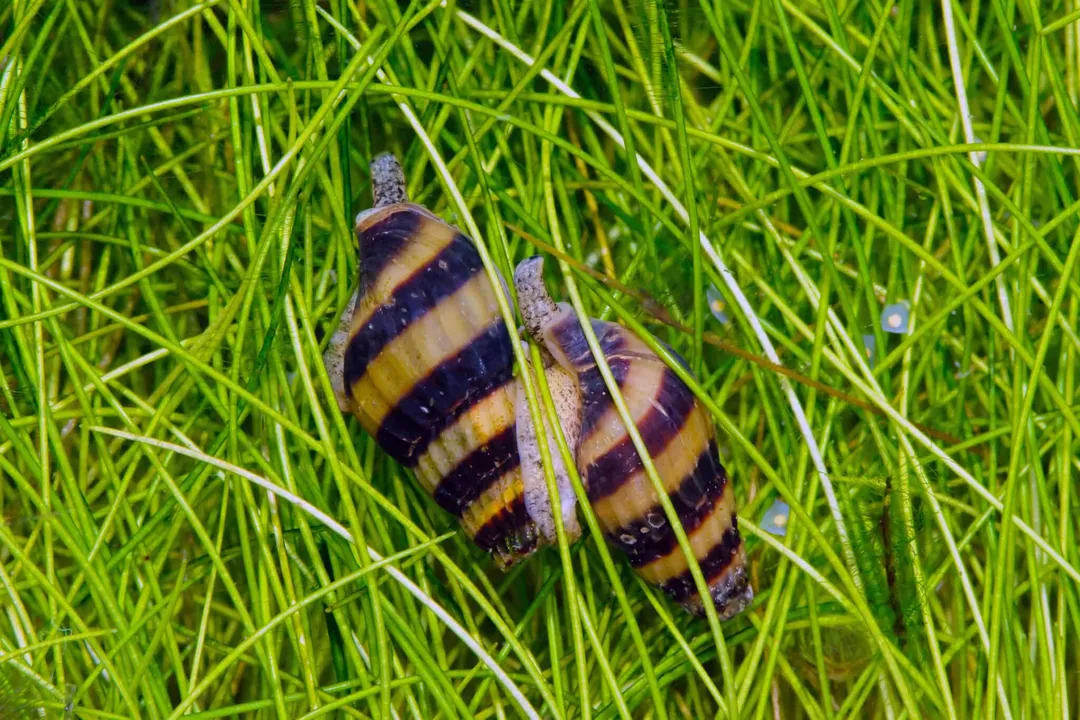
Whether discussing their home in Java or the parameters mimicking it in an aquarium, the type of habitat assassin snails prefer reveals more about where they live beyond just the map coordinates. They are freshwater inhabitants. In their natural settings, they would be found burrowing in the substrate.
Assassin snails demonstrate a preference for environments where they can partially or completely bury themselves in the substrate during periods of rest or while waiting for prey. This behavior suggests that the composition of the bottom layer—sand, fine gravel, or a mixture—is a defining characteristic of their location. They are most effective hunters when they can disappear into the bottom layer, ambushing unsuspecting prey like bladder snails or ramshorn snails. While specific native substrate composition for Java is not detailed, the successful adaptation in aquaria points towards soft or fine substrates over coarse, sharp gravel.
Water quality metrics are also part of defining their "location." In captivity, successful environments usually maintain a neutral to slightly alkaline pH, generally between 7.0 and 8.0, and stable temperatures. These parameters reflect the conditions likely present in their native Southeast Asian rivers and ponds. A narrow temperature band, often cited in care guides, hovers around 72°F to 82°F (approximately 22°C to 28°C).
# Considering Ecological Niches
It is insightful to consider the ecological niche they occupy. In Java, the assassin snail is a specialized predator, relying on other snail species for sustenance. This predatory role means they are found wherever their prey species—other smaller gastropods—are also abundant. The presence of a thriving population of pest snails in an area is a prerequisite for the assassin snail to establish a viable presence in that specific micro-location, whether it's a quiet section of a river or a densely populated planted tank.
This predatory specialization leads to an interesting contrast when observing their introduced location versus their native one. In Java, they are part of a balanced, long-established ecosystem. In contrast, their presence in places like Queensland represents a disturbance; without established natural predators of their own in the new environment, their population growth could potentially outpace the native snail populations they begin to consume, leading to cascading effects on algae control or detritus breakdown managed by other native invertebrates.
# The Aquarium Trade Distribution
For the vast majority of people encountering the assassin snail today, the location is not a remote jungle stream but an aquarium or a local pet store. The global distribution stemming from the pet trade far exceeds their natural range. They are widely available from online vendors and local aquatic retailers globally due to their effectiveness as snail control agents.
When purchasing an assassin snail, the consumer is receiving an animal whose immediate preceding location was likely a commercial breeding facility, perhaps overseas or domestically, rather than a place where they live wild. This means that while their genetic origin traces back to Java, their current location for most is temporary holding tanks designed for transport and retail sale. Understanding this chain is important; the snail you purchase has been acclimatized to captive conditions, which are usually very stable, making the transition to a similar home aquarium relatively straightforward.
# Stable Environment Requirements
To ensure the assassin snail remains healthy in its new, often artificial location—the home aquarium—mimicking the stability of its natural environment is key. A helpful guideline for longevity is to maintain stable water chemistry, as sudden shifts in parameters can stress them severely. Specifically, a key factor often overlooked by new owners is the calcium availability in the water, which is necessary for shell maintenance. While they are hardy, if the water source in their new location lacks sufficient dissolved minerals—common in heavily filtered RO/DI or soft water setups—their shells can become thin or pitted over time, a failure mode distinct from issues faced in their native, likely harder, Indonesian waters. Maintaining hardness and alkalinity within reasonable bounds for freshwater tanks often suffices, but recognizing the need for these minerals provides a proactive management tip based on their physiology.
# Conclusion on Location
In summary, the assassin snail's locations are dichotomous: its true, native home is strictly limited to the freshwater systems of Java, Indonesia. However, the reach of the aquatic trade has extended its presence significantly, leading to established, non-native populations in places like Queensland, Australia, where it is a concern. For the typical aquarium enthusiast, the location is a controlled glass tank, supplied by this global commerce network. By recognizing both the remote jungle origins and the potential for global establishment, one gains a full appreciation of this unique snail's current distribution.
Related Questions
#Citations
Anentome helena - Wikipedia
Assassin snail (Clea helena) | Care & info - The Shrimp Farm
Care Guide for Assassin Snails — Natural Way to Get Rid of Pest ...
What are Assassin Snails | Ultimate Guide to Aquarium Cleaners
Assassin Snail Animal Facts - Clea helena
Clea helena - Assassin Snail - Shrimp Keepers Forum
Assassin snail | Business Queensland
Assassin Snail Care: Feeding, Tank Mates & Health | Aquatic Motiv
Assassin Snail — Clea helena - Buy Live Fish online - Quinn's Fins