Is a kingfisher a type of heron?
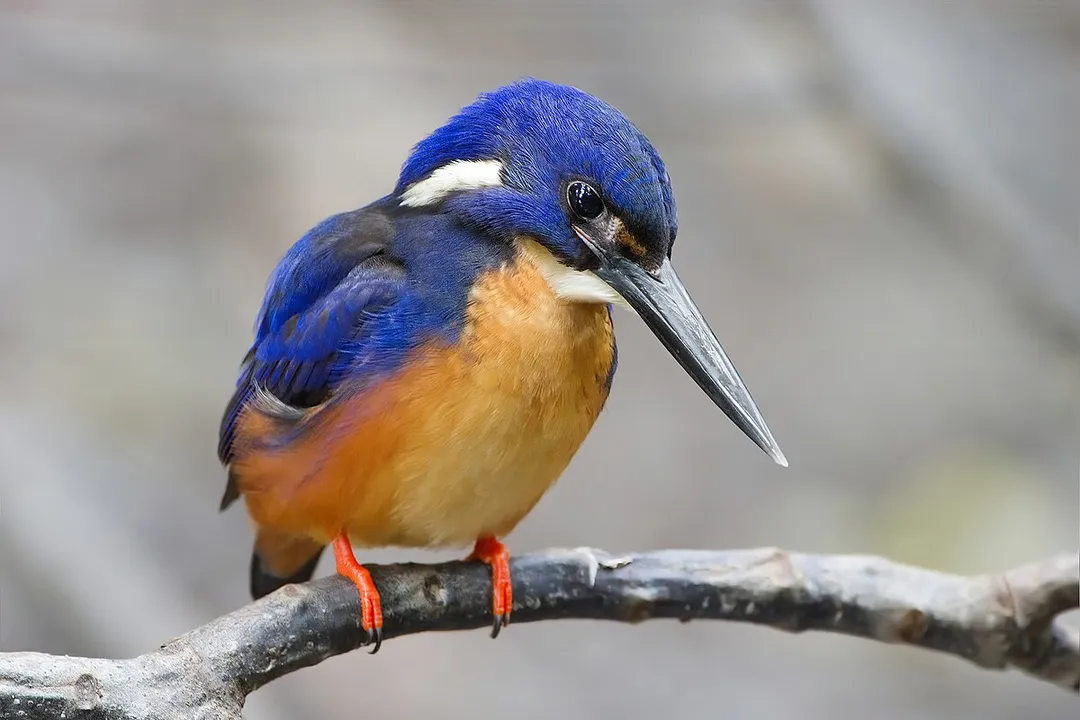
The immediate answer, based on ornithological classification, is no: a kingfisher is not a type of heron. While both groups are frequently found near water bodies, share a passion for aquatic prey, and often exhibit stunning jewel-toned plumage that can cause initial misidentification in the field, [1][2][5] they belong to entirely separate scientific families and orders. [2][7] Recognizing these deep structural differences unlocks a better appreciation for both remarkable groups of birds. [2]
# Scientific Families
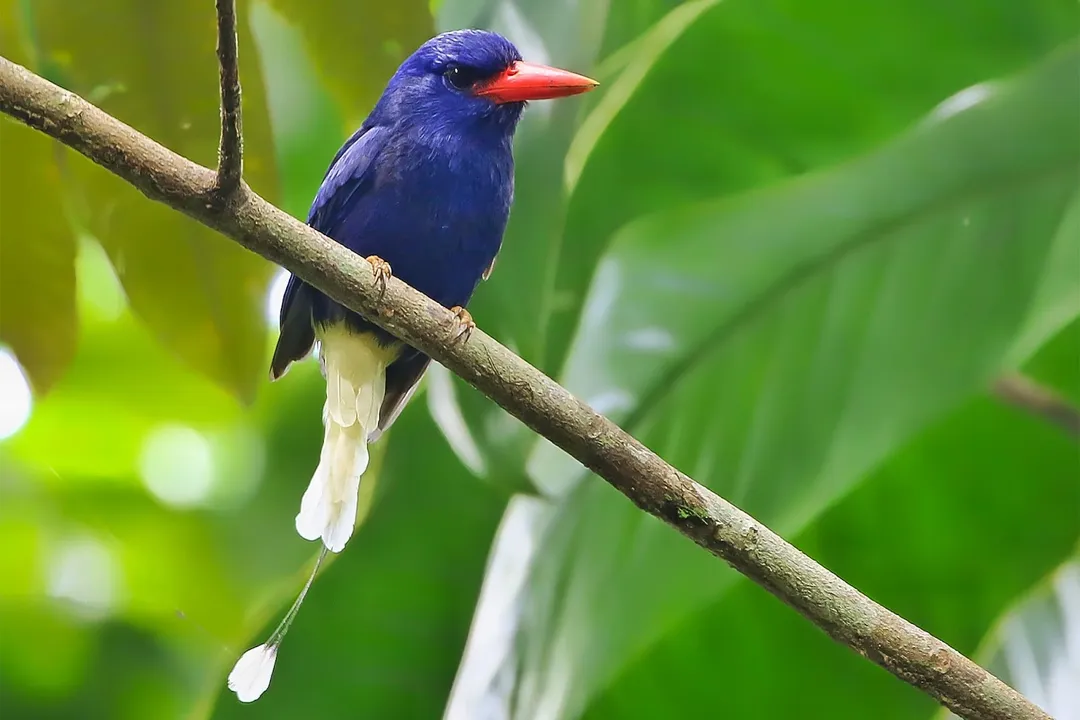
The distinction between a kingfisher and a heron lies deep within the avian family tree. Kingfishers belong to the family Alcedinidae. [7] In older classifications, they were placed in the order Coraciiformes, alongside rollers and bee-eaters. [7] Modern molecular data often places them within a broader grouping that includes woodpeckers, barbets, and toucans, though the specific placement can vary slightly depending on the study. [7]
Herons, on the other hand, are members of the family Ardeidae. [2] This family is grouped within the order Pelecaniformes, which also encompasses pelicans, ibises, and spoonbills. [2] Because they sit in entirely different orders—Coraciiformes (or related) for kingfishers versus Pelecaniformes for herons—they are not closely related in the evolutionary sense, despite sharing the ecological niche of fishing near water. [2] The confusion is highly understandable when observing them in their natural habitat, such as along a canal or riverbank. [5]
# Physical Structure Contrast
One of the quickest ways to separate these birds, even without knowing their taxonomy, is by observing their fundamental body plans. [2] Herons, like the Great Blue Heron or the smaller Green Heron, are characterized by their lanky, elongated physique. [2] They possess exceptionally long legs, allowing them to wade into deeper water, and a characteristically long, sinuous neck that is held in an S-curve when perched or in slow flight. [2] Their bills are long and pointed, acting like spears for catching fish or amphibians. [2]
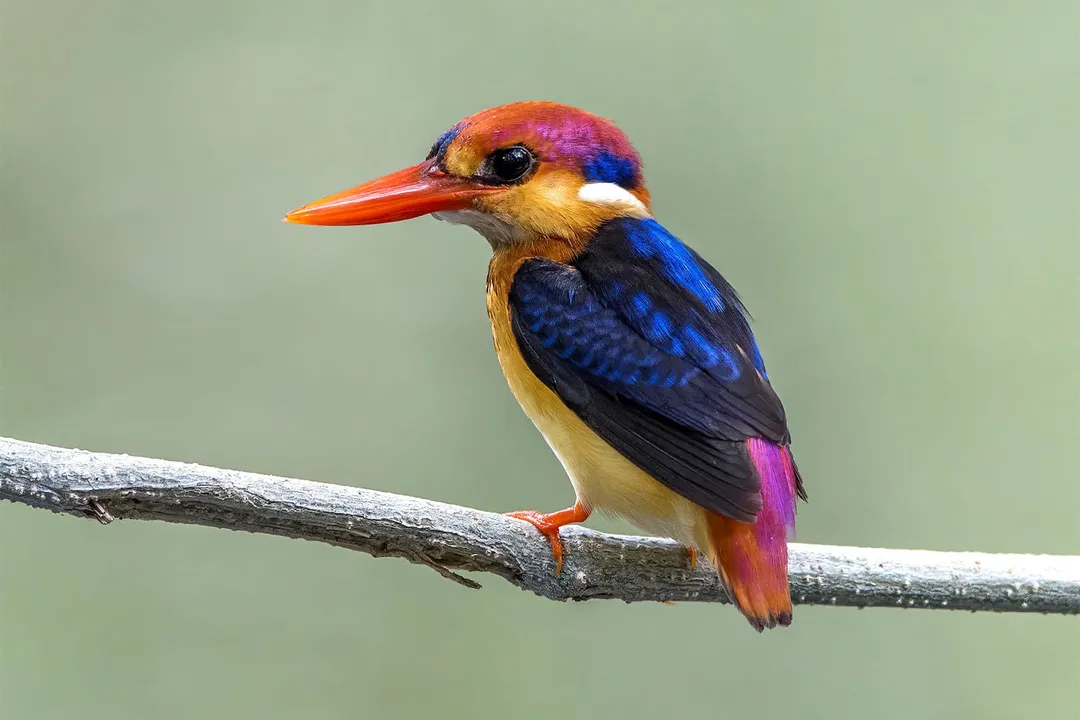
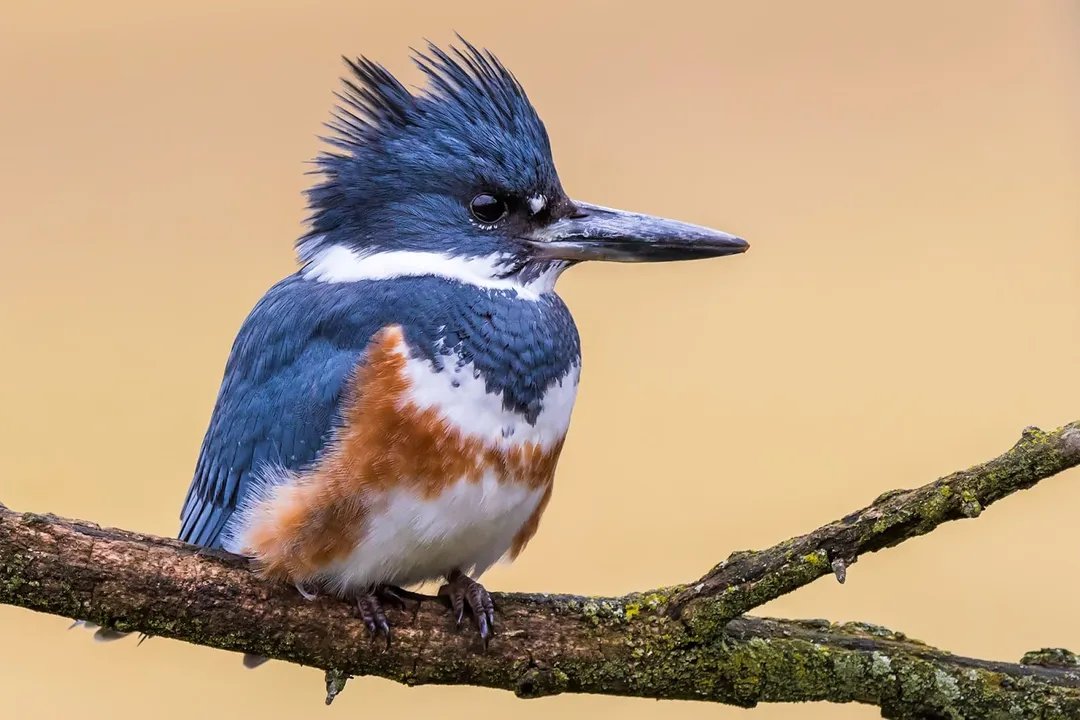
Kingfishers possess a completely different silhouette. They are generally stout, stocky birds with comparatively short legs and necks. [2][7] The most striking feature is their enormous, dagger-like bill relative to their body size. [2][7] This disproportionately large head and bill give them their characteristic appearance. [7] While herons often show muted blues, grays, and whites, kingfishers are famous for their brilliant, often iridescent plumage—vibrant blues, greens, and rusty oranges are common, as seen in the Green Kingfisher. [5][6]
This difference in structure dictates their hunting strategy. Herons are built for slow, patient stalking; kingfishers are built for explosive aerial maneuvers. [2]

# Hunting Methods
Both birds are visual predators specializing in aquatic prey like small fish, but their approach to securing a meal is strikingly different, offering a clear identification cue for an observer. [2]
Herons typically hunt by wading slowly and deliberately through shallow water, using their long legs to position themselves perfectly. [2] They may stand statue-still for extended periods, waiting for prey to drift within striking distance, before rapidly extending their S-curved neck in a lightning-fast jab. [2]
Kingfishers, in contrast, are aerial acrobats. They usually perch on an overhanging branch or hover briefly in the air above the water. [2][5] Once a target is spotted, they execute a spectacular, near-vertical plunge or dive straight into the water, often submerging completely to catch the fish in their powerful jaws. [2] When they reappear, they fly straight to a perch to beat the prey against the wood before swallowing it whole. [5] This explosive, rapid hunting style is quite distinct from the heron’s measured approach. [2]
# Distinguishing Features Summary

To keep the differences clear, it helps to visualize the main contrasting elements. Think of the heron as the wading spear-fisher and the kingfisher as the diving torpedo.
| Feature | Kingfisher (Alcedinidae) | Heron (Ardeidae) |
|---|---|---|
| Body Shape | Stout, large head, short neck | Slender, long neck, long legs |
| Bill | Very large, long, dagger-like | Long, pointed, spear-like |
| Locomotion | Primarily aerial dives; short hops on land | Wading; slow, deliberate movements |
| Typical Color | Bright blues, greens, oranges [6][7] | Often muted grays, whites, blues [2] |
| Order | Coraciiformes (or related) [7] | Pelecaniformes [2] |
When trying to identify a flash of blue over a waterway, consider where the bird is positioned relative to the water's edge. If you see a long-legged bird stalking near the reeds, it is almost certainly a heron or egret. [2] If you see a small, chunky bird perched low, ready to drop like a stone, you are watching a kingfisher. [5]

# An Insight into Local Context
For those observing wildlife along urban canals or small rivers, the habitat preference can sometimes offer a clue, even when the bird is briefly out of sight. Kingfishers often prefer waterways that offer relatively clear sightlines to the water below them, meaning they favor spots with exposed banks or low branches extending over the water where they can see to hunt effectively. [5] If the waterway is heavily overgrown with thick reeds or marsh grass, you are more likely to encounter a heron or bittern that hunts by standing concealed within the vegetation rather than by diving from the air. [2] Observing where the bird chooses to sit while watching the water can be as telling as the dive itself. [5]
# Confusion with Other Birds
The misunderstanding extends beyond just herons. In some contexts, especially when a bird flashes by in a blur of color, confusion can arise with other species. [1] For instance, the sheer speed and metallic sheen of a kingfisher's flight—particularly species like the Common Kingfisher in the UK or the Green Kingfisher in the Americas—can be momentarily mistaken for a very large, fast dragonfly or even a smaller, brightly colored woodpecker if the observer is focused only on the color streak. [1][6]
Furthermore, certain herons are themselves masters of camouflage, leading to mistaken identity in reverse. A young or immature heron, or a bittern, may be confused with a kingfisher by someone expecting the typical tall, elegant heron shape. [1] This is particularly true if the heron is crouched low to the ground to hide or wait for prey, obscuring its long legs and neck. [1]
# The Kingfisher's Close Cousins
Delving into the kingfisher family itself reveals interesting relationships that further distance them from herons. The Alcedinidae family is diverse, encompassing birds that do not even hunt fish. [7] For example, some species, known as woodland kingfishers, primarily eat insects, lizards, or small mammals, diverging significantly from the aquatic diet shared by both herons and fish-eating kingfishers. [7] This shows that the name "kingfisher" describes a successful hunting strategy, not a strict taxonomic link to herons. [2] They are cousins to rollers and bee-eaters, sharing ancestry that makes them fundamentally different from the long-legged wading birds. [7]
# A Practical Observation Tip
For the dedicated birder or casual observer, a simple rule derived from comparing their primary hunting methods offers a rapid, real-time identification check. If you see a bird that has just successfully caught a fish, notice how it got the fish. If the bird is perched on a high bank, preening, and the water nearby is deep, it was likely a dive from above—a kingfisher. [5] If the bird is standing knee-deep in mud or marsh water, carefully shaking droplets off its long bill after an upward strike, it is exhibiting classic heron behavior. [2] This difference in action solidifies the separation based on structure. [2]
# Summary of Differences
The main takeaway is that while both groups occupy the critical ecological niche of consuming aquatic life near freshwater and coastal areas, their evolutionary paths have diverged significantly. [2] They look different, they are built differently, and they hunt differently because they evolved under different selective pressures, placing them firmly in separate scientific camps. [7] The kingfisher's vibrant, compact design is built for speed and dramatic diving, while the heron's elegant, elongated form is built for patient stalking in the shallows. [2]
#Videos
Kingfisher vs Heron The Battle Of The Avian Anglers - YouTube
Related Questions
#Citations
It's a Kingfisher, it's a Heron, it's a idk what? : r/birding - Reddit
What are the differences between a Kingfisher and a heron? - Quora
Green heron previously misidentified as kingfisher - Facebook
Kingfisher - Wikipedia
Kingfisher | Facts - Canal & River Trust
Green Kingfisher | Audubon Field Guide
Alcedinidae - The Kingfishers - The Science of Birds
Kingfisher vs Heron The Battle Of The Avian Anglers - YouTube
Visual Guide to Differentiating Similar Bird Species: Herons ...