Do buff Orpingtons like to be held?
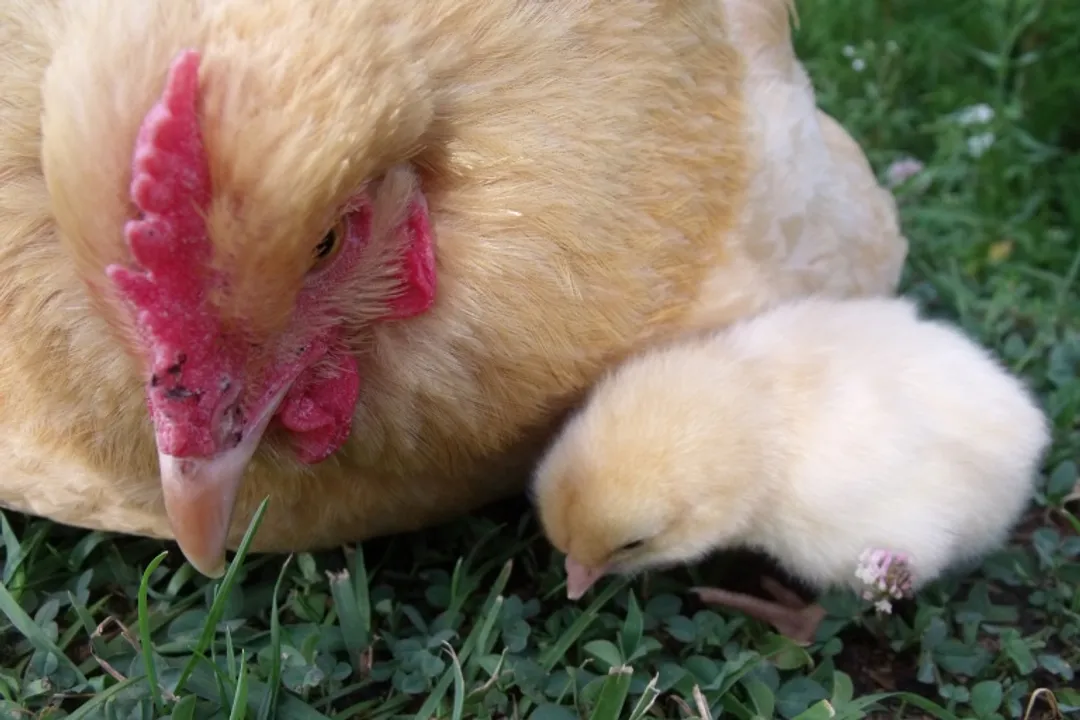
The Buff Orpington chicken enjoys a nearly legendary status among backyard flock keepers, frequently celebrated for its calm demeanor and willingness to interact closely with its human caretakers. When you ask if these big, fluffy birds like being held, the overwhelming initial impression gathered from enthusiasts is a resounding "yes," often accompanied by tales of lap-sitting and affectionate greetings. They are frequently compared to "golden retrievers" in the poultry world, suggesting a loyal, gentle nature that seeks out human attention.
# Breed Reputation
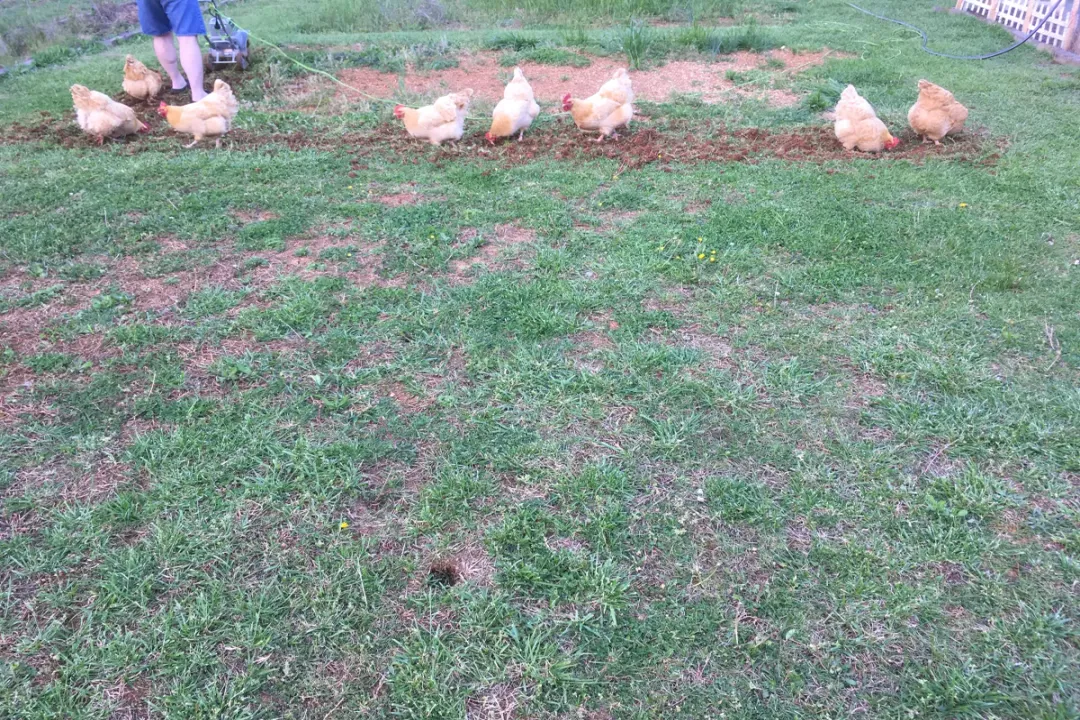
Originating in England in the late 1800s, the Buff Orpington was developed to be a practical, useful bird, and its temperament certainly aligns with the desire for a pleasant companion chicken. They are consistently described as docile, placid, and generally slow-moving, rarely engaging in the frantic activity common to some lighter breeds. This placid nature makes them particularly well-regarded for families, often cited as ideal for households with children because they are gentle and not flighty. Furthermore, their substantial size, which is mostly feather mass, means they are easy for smaller hands to hold securely, which aids in early taming efforts. Owners often report that Buffs will actively seek out their keeper’s company, following them around the yard, sometimes waiting patiently for snacks or just to be acknowledged.
# Cuddle Desire
The core of the affection debate centers on the breed’s reputed love for physical contact. Many owners attest that their Buffs actively enjoy being pampered and cuddled. Specific reports include hens happily perching on a lap, sometimes sitting so contentedly that they eventually fall asleep while making soft clucking sounds. Some keepers describe a behavior where their Buff Orpingtons will line up, seemingly waiting their turn to be picked up, or even attempt to pile onto a person sitting down. One anecdote points to a hen that would jump onto her owner’s lap every time they sat outside. This desire for closeness is so pronounced that they have earned the nickname "lap chickens". Even their vocalizations, when not announcing an egg, can be soft coos directed at their person.
# Individual Variance
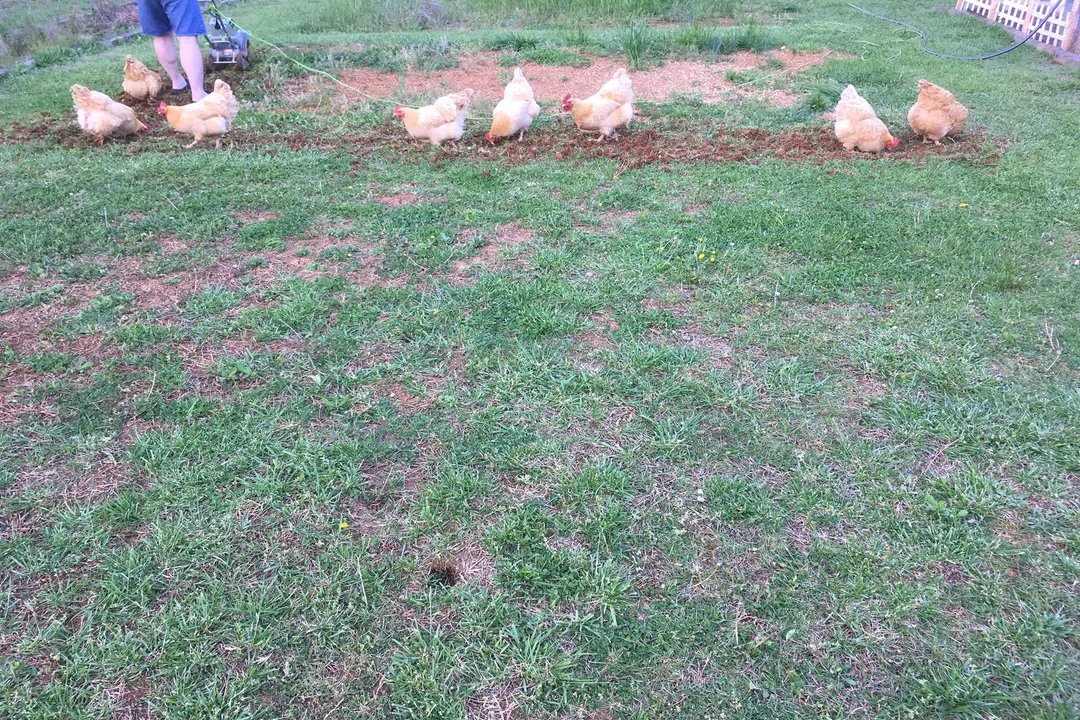
While the breed standard leans heavily toward the affectionate, it is crucial for any prospective owner to understand that generalizations don't always apply to individual birds, or even entire flocks. Community discussions reveal numerous counterexamples where Buff Orpingtons exhibit wariness or outright dislike of being handled. Some owners describe their Buffs as skittish, running away when approached, or acting scared when finally picked up. Others report that while their birds might be civil and eat treats from their hand, they will scatter if both hands are presented as if to scoop them up. There are even accounts of Buff Orpingtons being the least friendly bird in a mixed flock. This variation suggests that while the breed leans toward sociability, genetics and early experiences outside of the keeper’s control introduce significant personal differences.
It is interesting to note how handling might change over time. Some keepers observe that chicks who are extremely outgoing and affectionate early on—those who jump out of the brooder to greet people—don't always maintain that enthusiasm into adulthood. In some cases, the shift from being a chick raised individually to joining the social structure of a larger flock can cause a once-friendly bird to become reserved or even high-strung. Conversely, a hen who was initially standoffish might relax and become more receptive to handling as she matures, especially as she begins to lay eggs, a time when some hens seem more eager for gentle attention. The dynamic of the flock itself can influence behavior; a bird situated lower in the pecking order might become generally more wary of being approached by any large creature, human or chicken.
# Handling Development
The process of getting a Buff Orpington to enjoy being held often requires consistent, gentle reinforcement. If a keeper starts handling chicks daily from a very young age, the resulting bird is more likely to accept being picked up as an adult. For birds that are already showing skittishness, consistent, low-pressure interaction is key. One strategy suggested by keepers of less-friendly birds is to simply continue picking them up regularly, even if they protest initially, with the hope that they will acclimate with age. This approach recognizes that their large body structure—those 6 to 8-pound hens—makes them easy to secure, which can paradoxically speed up the process because you can hold them long enough for them to realize they are safe and can relax into the handling. A bird that is struggling or feels trapped will protest vehemently, whereas a bird that realizes escape is futile and that the handler is calm may quiet down quickly.
If you acquire birds that are already older or came from a less-than-ideal environment, expect a slower acclimation period. Success in encouraging handling often hinges on the association being positive. Pairing the act of being picked up with a highly desired reward, like a small portion of mealworms, can shift their perception of being held from a stressful event to a potential treat opportunity.
# Managing Expectations
Ultimately, while the Buff Orpington is heavily favored for its affectionate nature, it is more accurate to say they have a high potential for enjoying human contact rather than a guaranteed one. Their reputation as superb mothers and gentle layers is very consistent, but their interaction style with people can vary widely. Recognizing that chickens are individuals, much like dogs or cats, is the best way to approach the situation. For example, a keeper might find that one Buff happily sits for a belly rub while another in the same coop tolerates being picked up only when absolutely necessary, perhaps for nail trimming or health checks.
To maximize your chances of acquiring a cuddly Buff, look for chicks that are bold and actively approach you rather than hanging back nervously. If you decide to integrate them into a pre-existing flock, be mindful that the introduction process can make even the friendliest bird temporarily retreat into self-preservation mode, which might look like aloofness or fear of handling until they re-establish their place in the social order. If your primary goal is a bird that truly enjoys being held, selecting birds that exhibit bold, curious behavior from the moment they hatch, regardless of whether they turn out to be hens or roosters, often gives you the best starting point for a truly devoted feathered companion.
#Videos
Buff Orpington All You Need To Know Temperament and Egg Laying
Related Questions
#Citations
Are all Buff Orpingtons this sweet? She jumps put of the brooder to ...
Buff Orpingtons - Murray McMurray Hatchery Blog
5 Reasons To Love Buff Orpingtons. - The Kuntry Klucker
My Buff Orps are not friendly but not mean | BackYard Chickens
Buff Orpington All You Need To Know Temperament and Egg Laying
Complete Buff Orpington Care Guide: Egg Laying, Personality…