What zoos have rockhopper penguins?
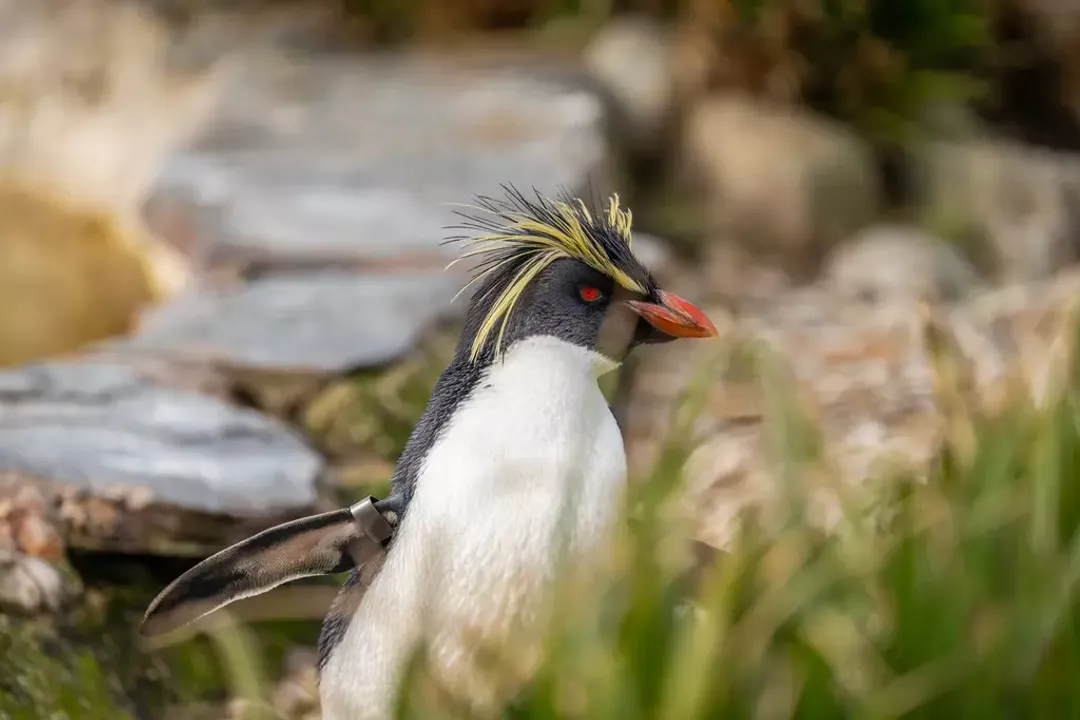
The quest to see the distinctive, crested penguins known as rockhoppers often leads visitors down a specific path at accredited zoos and aquariums. These charismatic seabirds, easily recognized by their spiky yellow and black head feathers, are a genuine treat when encountered in North America. While several institutions house various penguin species, pinpointing those with rockhopper penguins requires looking at facilities that participate in specialized breeding and care programs for this particular type.
# Facilities List
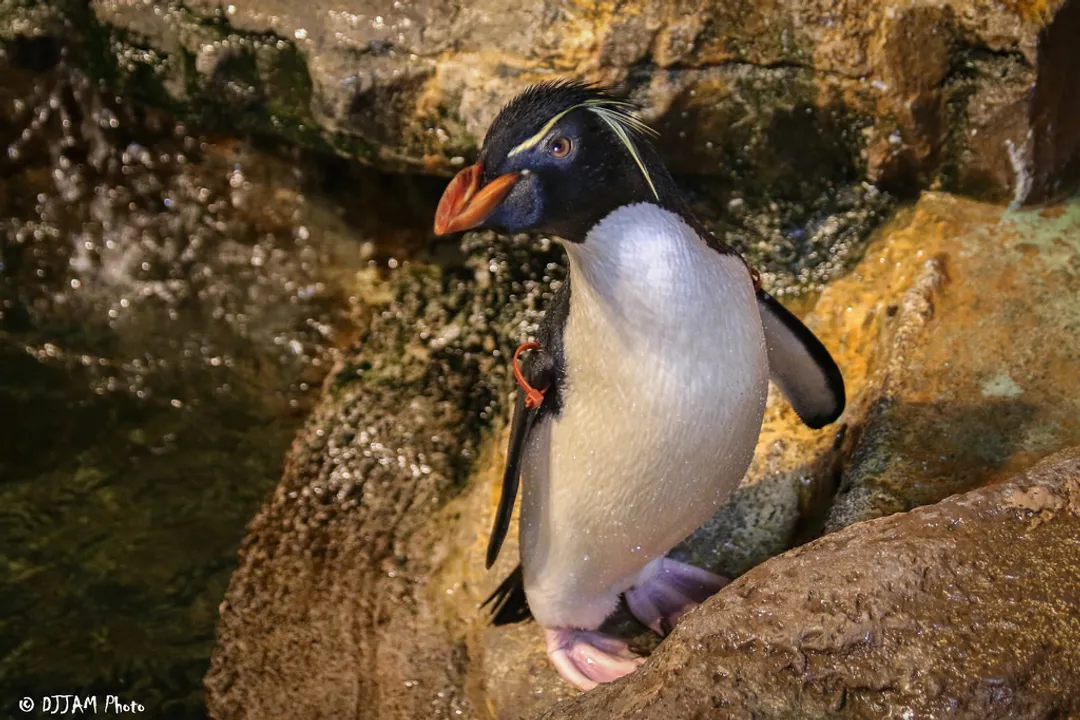
A number of highly respected zoos and aquariums in the United States currently list rockhopper penguins among their residents, though it is common for these facilities to feature the Southern Rockhopper Penguin (Eudyptes chrysocomes chrysocomes) specifically. For those looking to plan a trip, known locations offering opportunities to view these energetic birds include the Indianapolis Zoo, the Cincinnati Zoo, the Shedd Aquarium, the Saint Louis Zoo, the Detroit Zoo, and the New England Aquarium. Further afield, institutions like Whipsnade Zoo in the UK also care for rockhoppers.
It is worth noting the dynamic nature of these collections. Zoo populations shift due to transfers, births, and conservation needs, so it is always prudent to confirm a specific bird’s availability just before a planned visit. For instance, the Fort Worth Zoo celebrated the hatching of their first-ever rockhopper chick, Darcy, demonstrating active participation in species management. Information shared among zoo enthusiasts also points toward these locations as current hubs for the species, reinforcing the public displays noted by the individual institutions.
# Subspecies Focus
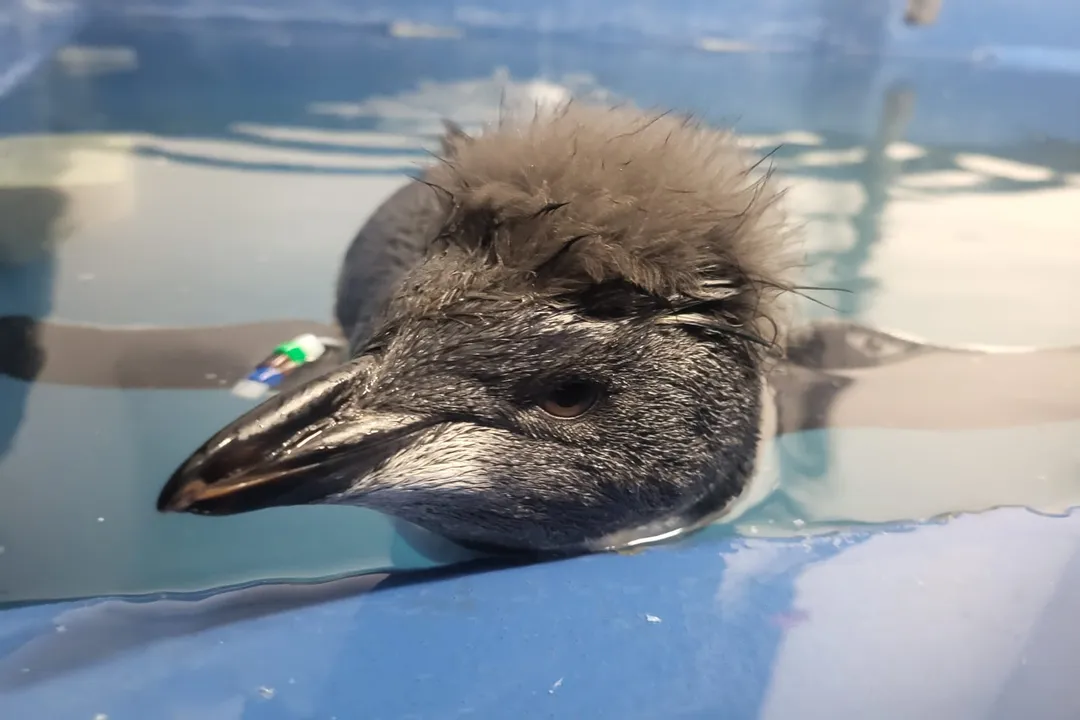
While the common name "rockhopper" covers several distinct species, the vast majority of the birds displayed in the US institutions mentioned above belong to the Southern Rockhopper group. The other recognized types—the Eastern and Northern rockhoppers—have slightly different geographical distributions in the wild and sometimes feature in specialized collections, but the Southern variety appears to be the most widely exhibited in these major North American facilities.
Understanding this distinction matters because even closely related subspecies can have subtle differences in size, behavior, or specific husbandry needs managed by their dedicated keepers. For example, the Saint Louis Zoo specifically notes its residents are Southern Rockhoppers, which helps inform visitors about the specific island populations these birds represent in a conservation context.
A fascinating comparative point, derived from observing the collection rosters across these zoos, is the relatively high degree of commitment to this specific subspecies in North America compared to other, perhaps more globally recognized, penguin species like the Magellanic or African penguins, which are also widely seen. This specialization suggests a targeted approach within the Species Survival Plan (SSP) for the Southern Rockhopper at these particular accredited sites.
# Daily Life
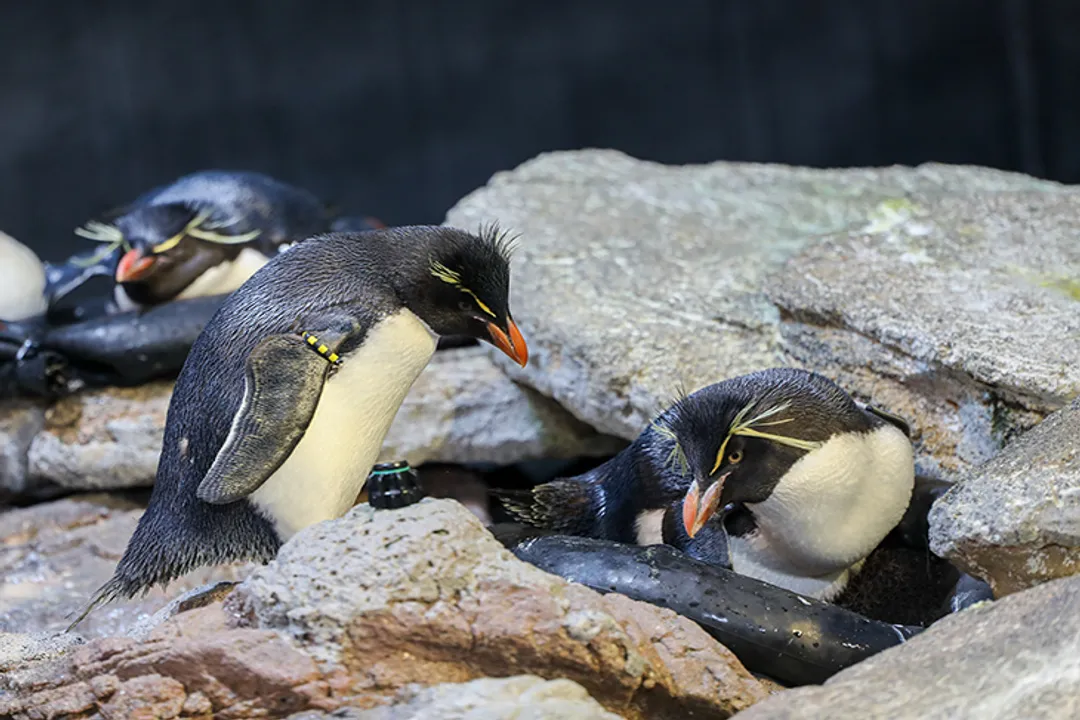
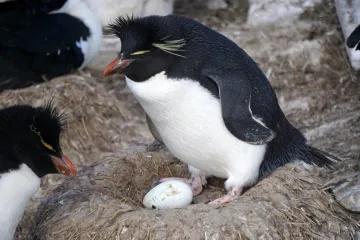
Rockhopper penguins are famous for their distinctive locomotion; they don't waddle so much as they hop across uneven terrain, which gives them their memorable name. In a zoo environment, keepers strive to replicate the rocky, rugged habitat they naturally inhabit on sub-Antarctic islands. This environment is necessary for their physical and mental well-being.
Their diet primarily consists of small fish and squid in the wild, and zoo nutritionists replicate this with a steady supply of fresh fish, often fortified with vitamins. At the Shedd Aquarium, for example, their penguin diets are carefully managed to meet the high-energy demands of these active birds. A common observation visitors can make is noting the keepers providing meals; watching the speed and eagerness with which they consume their fish can be quite entertaining.
These birds are also quite vocal. They communicate through loud, braying calls that sound almost like an alarm bell or a donkey’s braying, especially when gathered in colonies. While a busy zoo environment might dampen the full effect of a massive colony’s noise, visitors can often hear these distinct calls echoing around the penguin habitat.
# Breeding Insights
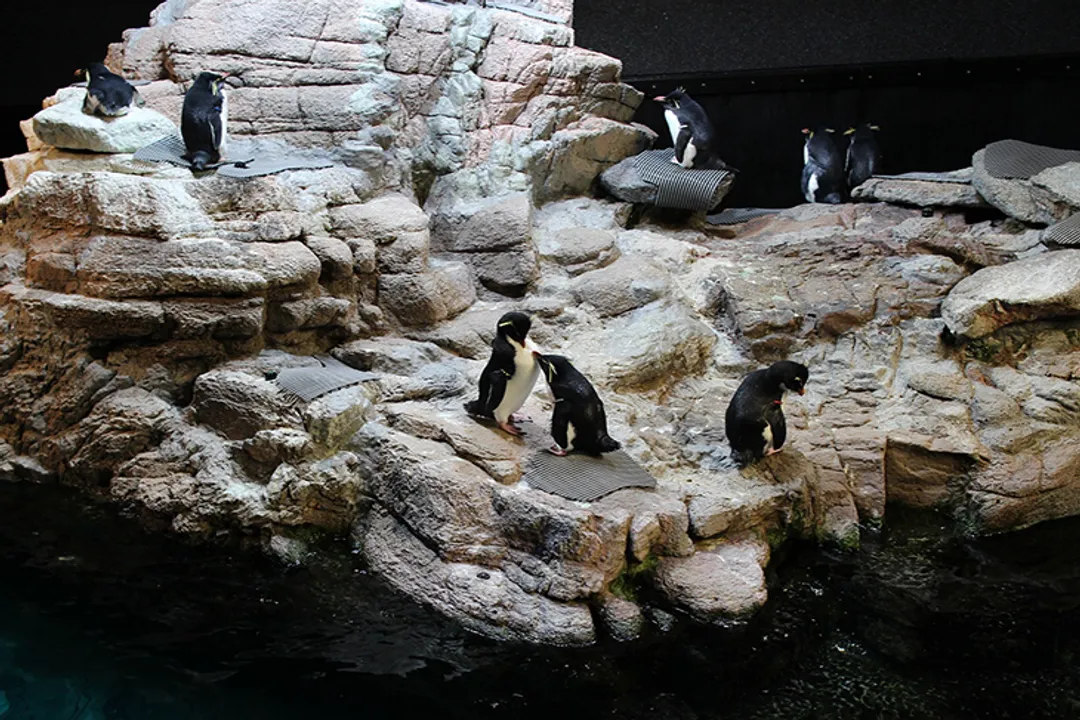
The successful breeding of rockhopper penguins in human care is a significant achievement for zoos and aquariums, often highlighted by the institutions themselves. The birth of a chick, such as Darcy at the Fort Worth Zoo, marks a success in managed care, demonstrating that the captive environment meets complex reproductive needs.
When new chicks hatch, they are usually quite small and rely entirely on their parents for warmth and food. The initial care often happens behind the scenes, allowing the parents to bond with the vulnerable infant. Keepers monitor the chick’s growth closely, often weighing them daily in the crucial early weeks. Once the chick has developed sufficient down and waterproofing, it is introduced to the main habitat and the rest of the colony, which is always an eagerly anticipated event for the public.
Considering the effort involved in raising a successful chick—from monitoring egg health to ensuring the parents have the right nutrition—a facility that announces a successful hatching signals a high level of expertise in avian care, specifically for this demanding species. This level of attention often translates to excellent overall habitat maintenance and animal welfare standards across the entire penguin exhibit.

# Visitor Tips
If your main goal is to see rockhopper penguins, planning your visit around feeding times or keeper talks will significantly enhance the experience. Zoos frequently schedule these events to coincide with peak visitor times, offering a chance to see the birds' natural foraging instincts in action and hear direct insights from the staff managing their care. Always check the daily schedule upon arrival.
Furthermore, to truly appreciate the subtle differences between the species housed, take a moment to look for posted signage that identifies the exact species—Southern, Eastern, or Northern. While they look similar, knowing you are watching a Southern Rockhopper, for example, connects your visit to specific global conservation priorities detailed by the managing zoo. If you visit a facility like the Indianapolis Zoo and see an area marked as a "nursery" or "chick-rearing station," remember that behind that barrier, dedicated teams are ensuring the next generation of these crested beauties is thriving, even if you cannot see the smallest residents yet. Observing their intricate social structures, even in small groups, reveals far more than just watching them swim or hop; it illustrates complex community behaviors that conservationists study closely.
#Videos
Rock Hopper Penguins-Cincinnati Zoo - YouTube
Related Questions
#Citations
Southern Rockhopper Penguin | Saint Louis Zoo
Rockhopper Penguin | Shedd Aquarium
Southern Rockhopper Penguin - Cincinnati Zoo & Botanical Garden
Zoo Babies-Southern Rockhopper Penguin - Indianapolis Zoo
Southern Rockhopper Penguin - New England Aquarium
Penguins in Major American Zoos - ZooChat
Rock Hopper Penguins-Cincinnati Zoo - YouTube
Rockhopper penguin | Whipsnade Zoo
Rockhopper Penguin - Detroit Zoo
Meet Darcy – the Zoo's first-ever rockhopper penguin chick