What is the main diet of penguins?
The fundamental truth about nearly every penguin species is that they subsist entirely on a diet drawn from the ocean; they are, without exception, carnivores. While this single classification unites all 18 recognized species, the specific menu items consumed vary considerably based on where a penguin lives and its relative size. Their entire existence—from the massive Emperor penguins of the Antarctic ice to the smaller, tropical Galápagos penguins—revolves around efficiently hunting and consuming marine life. The primary categories of prey sought out by penguins include fish, squid (cephalopods), and crustaceans, with jellyfish sometimes making an unexpected appearance.
# Carnivore Basics
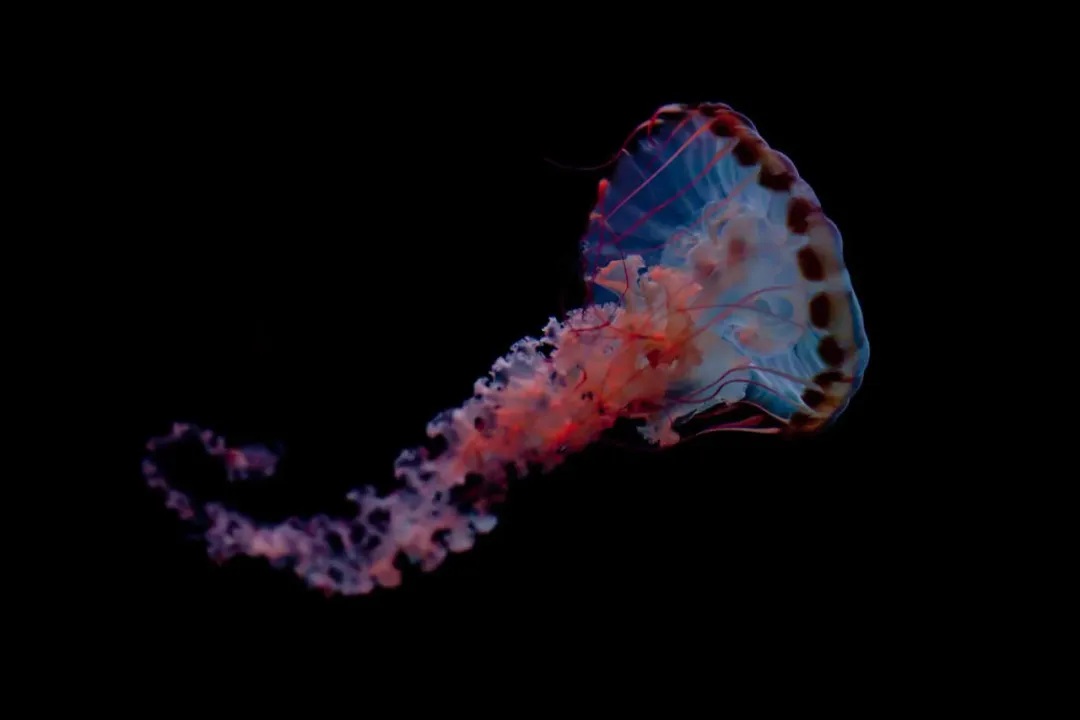
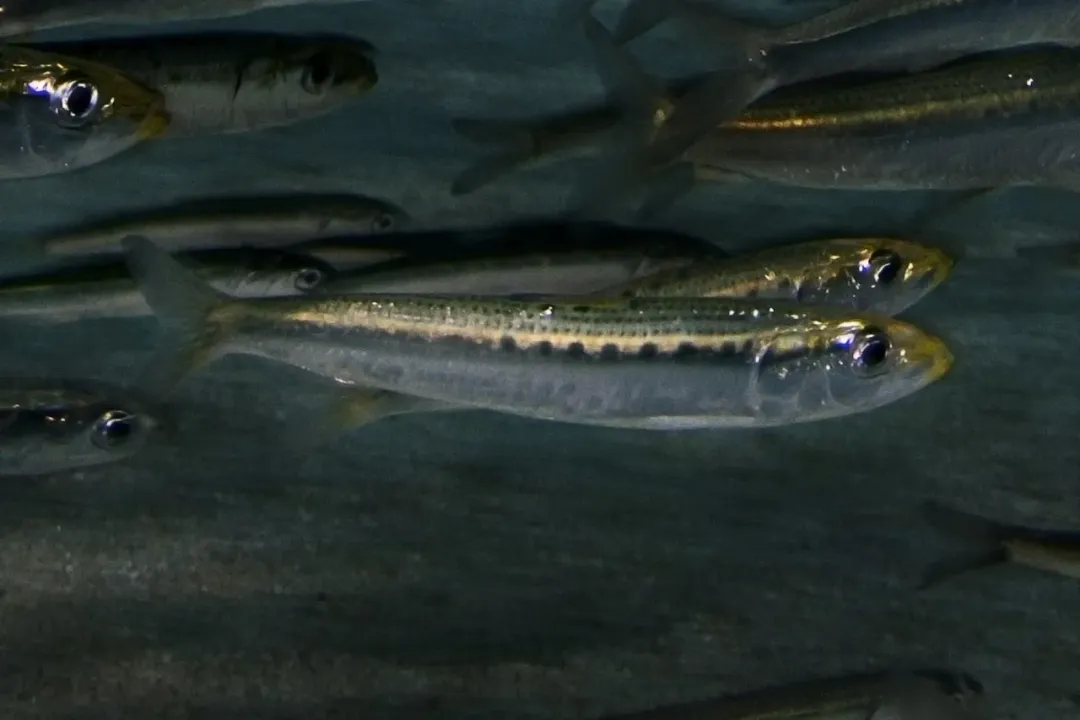
The general diet for most penguins centers on these three main groups. Fish are a staple for many, including species like anchovies, sardines, herring, and lanternfish. Squid, though sometimes lower in energy density than oily fish, become a highly valuable target when they migrate in large numbers, as the energy saved by eating locally dense aggregations compensates for their lower caloric content. Crustaceans, specifically krill—small, shrimp-like creatures no longer than six centimeters—form the backbone of the diet for many Antarctic and sub-Antarctic residents.
A striking example of the sheer scale of this marine consumption comes from the Adélie penguin population. Researchers estimate that the entire breeding population of Adélies may consume roughly 1,500,000 metric tons of krill annually, alongside significant amounts of fish and squid. This figure highlights that for some species, a large portion of their diet relies on the most abundant, small schooling organisms in their environment.
# Latitude Diet

A clear pattern emerges when comparing penguin diets across different geographical ranges. Species inhabiting the colder, higher latitudes, such as the Adélie, Chinstrap, and Macaroni penguins near Antarctica, lean heavily on krill, often supplemented by fish. For example, Adélies focus on small krill, while Chinstraps specifically target larger varieties of krill.
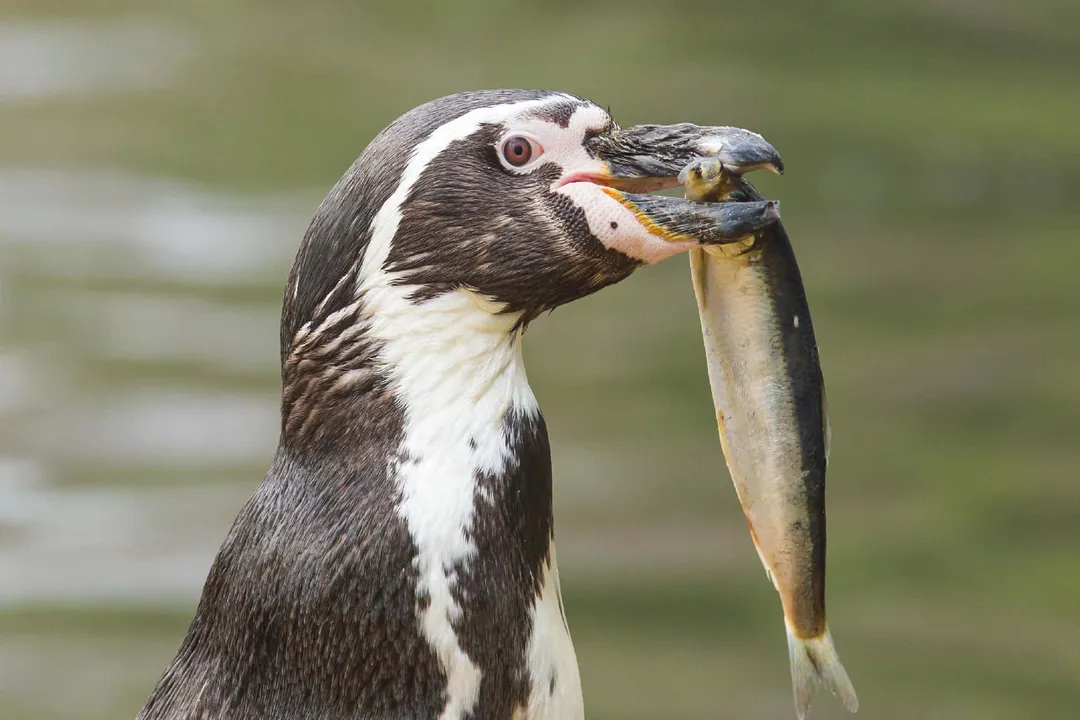
Conversely, species found farther north, often in warmer waters, tend to emphasize fish in their diet. This includes penguins like the African penguin and the various Spheniscus penguins (which include Humboldt and Magellanic species). Even within these groups, local environmental conditions dictate sharp shifts. For instance, Humboldt penguins must adjust the type of fish they consume periodically in response to oceanographic events like El Niño. The African penguin, for example, relies on a steady supply of nutrient-rich small fish like anchovies or pilchards, especially when preparing for their annual fast during the feather molt or provisioning chicks.
When these preferred, nutrient-rich fish stocks decline due to factors like climate change or overfishing near South Africa, African penguins must switch to less ideal alternatives, such as Atlantic horse mackerel or pelagic goby. This dietary shift is problematic because these substitutes often lack the necessary nutrients, forcing the adults to hunt for longer durations just to meet their own energy needs, which can result in their inability to adequately feed their young.
# Foraging Depths
Penguins are supremely adapted for their underwater hunting grounds, but the depth they reach varies dramatically across species, largely corresponding to their size and prey location. Most general feeding activity occurs relatively close to the surface, generally within 50 to 60 feet of the water line.
The largest species, the Emperor penguin, exhibits the most extreme behavior. These birds can dive to incredible depths, sometimes reaching 1,800 feet below the surface, and remain submerged for up to twenty minutes while pursuing prey. In contrast, smaller species or those with easier access to prey may stick much closer to home; Chinstrap penguins often hunt near their colonies, and Adélies typically travel less than 10 miles to find feeding grounds. King penguins, while large, travel substantial distances—over 500 miles from their nesting sites—to forage, sometimes venturing up to 900 kilometers.
# Grip Spines
The mechanics of catching and consuming slippery, fast-moving prey like fish and squid are aided by specialized anatomy. Penguins catch food using their bills but must swallow it whole while swimming, a feat made easier by structures inside their mouths. Both the tongue and the roof of the mouth are covered in backward-facing spines known as papillae. These spines function like tiny, internal fishhooks, effectively gripping the slippery prey and guiding it down the throat in the correct orientation for safe passage. It is worth noting that while penguins do have knees, they are tucked inside the body cavity, and their visible joint structure, with webbed feet set far back, is what allows them to propel themselves through water with exceptional accuracy, reaching speeds up to 15 miles per hour.
# Krill Crustaceans
While fish and squid are widespread components of the diet, krill is a critical energy source for Antarctic specialists. Beyond being the primary prey for species like the Adélie, krill are also related to a fascinating behavior observed in some species: stone swallowing. Certain species, including Rockhopper and Macaroni penguins, are clearly observed swallowing stones on purpose, sometimes in significant quantities. While some stones may be swallowed accidentally, the intentional ingestion is theorized to serve multiple roles: reducing buoyancy to aid deep diving, alleviating hunger pangs during fasting, or, in the case of chicks, aiding the digestion of the tough chitinous exoskeletons found on the crustaceans they consume. This purposeful ingestion of inert matter for physiological benefit offers a unique parallel to how certain terrestrial animals consume grit or clay for mineral intake or digestive assistance.
# Captive Rations
A significant difference exists between a penguin's natural diet and what it receives in a managed environment, such as an aquarium or zoo. In the wild, penguins consume fresh, live seafood. In contrast, captive populations are typically fed whole fish that were previously frozen and then thawed in a controlled, refrigerated setting. This method is adopted not because it replicates nature, but because it is far more practical for zookeepers and is essential for maintaining strict dietary consistency and quality control over the food supply.

# Fasting Periods
Penguins must endure periods of complete fasting due to their annual life cycle requirements. The most notable fasts occur during the breeding season—specifically during courtship, nesting, and incubation—when penguins cannot leave their mates or eggs to feed. They rely entirely on the fat reserves built up beforehand.
Fasting is also mandatory during the annual molt, or feather replacement period. Because penguins lose their dense, oily feathers all at once—a "catastrophic molt"—they lose their waterproofing and insulation, making entry into the cold water impossible until the new plumage grows in.
The duration of these fasts is species-dependent, with the largest species enduring the longest periods. Breeding male Emperor penguins can go without food for up to 90 to 120 days while incubating the single egg, often losing nearly half their body weight in the process.
# Predator Pressure
Although the focus is often on what penguins eat, understanding what eats penguins provides crucial context for their feeding intensity and life strategies. In the water, they are preyed upon by leopard seals, sharks, and orcas. On land, their eggs and vulnerable chicks face threats from predatory birds like giant petrels, as well as introduced land predators like cats and dogs in some ranges.
This constant pressure from predators, coupled with the energy demands of raising young and enduring fasts, makes food availability paramount. The modern threat of human activity, particularly overfishing, intensifies this existing ecological challenge. When humans deplete the stocks of calorie-dense fish like anchovies, penguins are forced into an ecological trap where they must hunt for less nutritious food, potentially failing to gain enough energy to support both themselves and their chicks, directly impacting the survival rates of already vulnerable populations.
#Videos
Keeper Corner: Penguin Diet - YouTube
Related Questions
#Citations
All About Penguins - Diet & Eating Habits | United Parks & Resorts
Penguin Facts: Diet, Behavior, Habitat & Conservation - IFAW
What do penguins eat? - Two Oceans Aquarium
Keeper Corner: Penguin Diet - YouTube
Penguin Fact Sheet | Blog | Nature - PBS
What Do Penguins Eat? - A-Z Animals