What did Waimanu penguins eat?
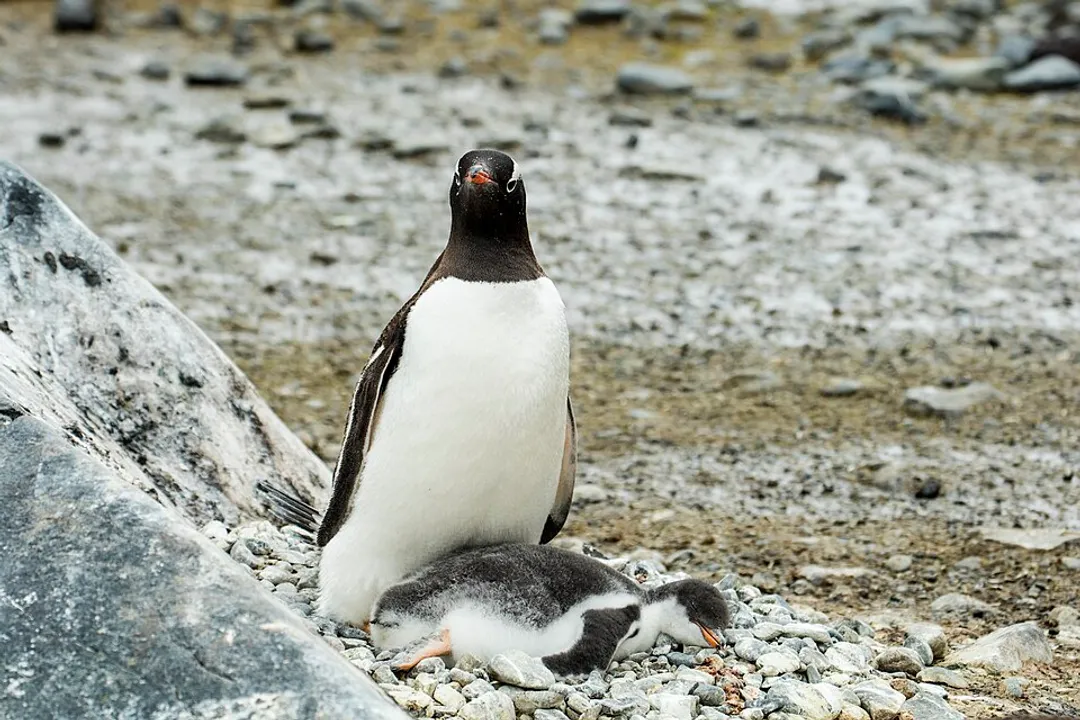
The first giant flightless birds that paved the way for the modern penguin lineage, known collectively as Waimanu, represent a fascinating, ancient chapter in avian evolution. These creatures, which thrived during the Eocene epoch, around 60 million years ago, were physically imposing compared to their descendants, raising natural curiosity about what sustained such massive bodies in the ancient seas off what is now New Zealand. While the fossil record grants us impressive structural details—bones, size estimates, and placement in the timeline—pinpointing the exact menu of Waimanu is a puzzle that requires looking at both the giants themselves and the diets of the penguins we observe today.
# Eocene Giant
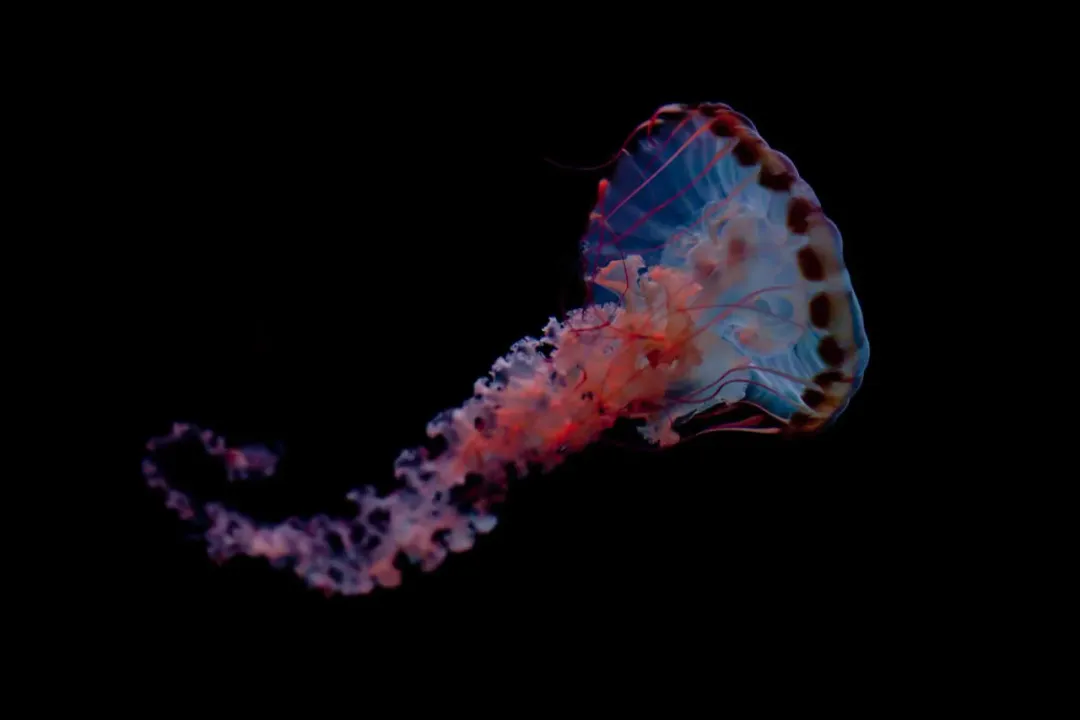
Waimanu was certainly not the small, tuxedo-clad bird typically pictured when we think of penguins. Instead, fossils point toward a truly enormous avian predator that ruled its marine environment during the early Cenozoic era. One of the best-known species, Waimanu waimanu, is estimated to have stood close to $1.7$ meters (about $5.6$ feet) tall and may have weighed in the neighborhood of $100$ kilograms ($220$ pounds). This places it significantly larger than even the Emperor Penguin, the largest of extant species, which tops out around $120$ centimeters and $45$ kilograms.
These ancient birds were definitively flightless, possessing solid bones and powerful, paddle-like flippers adapted exclusively for powerful underwater propulsion. Their powerful build suggests a life spent entirely in the water, hunting beneath the waves rather than waddling on land for most of their sustenance. The environment they inhabited was warm, with the seas around Antarctica and New Zealand being far milder during the Eocene than they are today. This context suggests a productive marine ecosystem, capable of supporting apex predators of this magnitude.
# Modern Diet Baseline
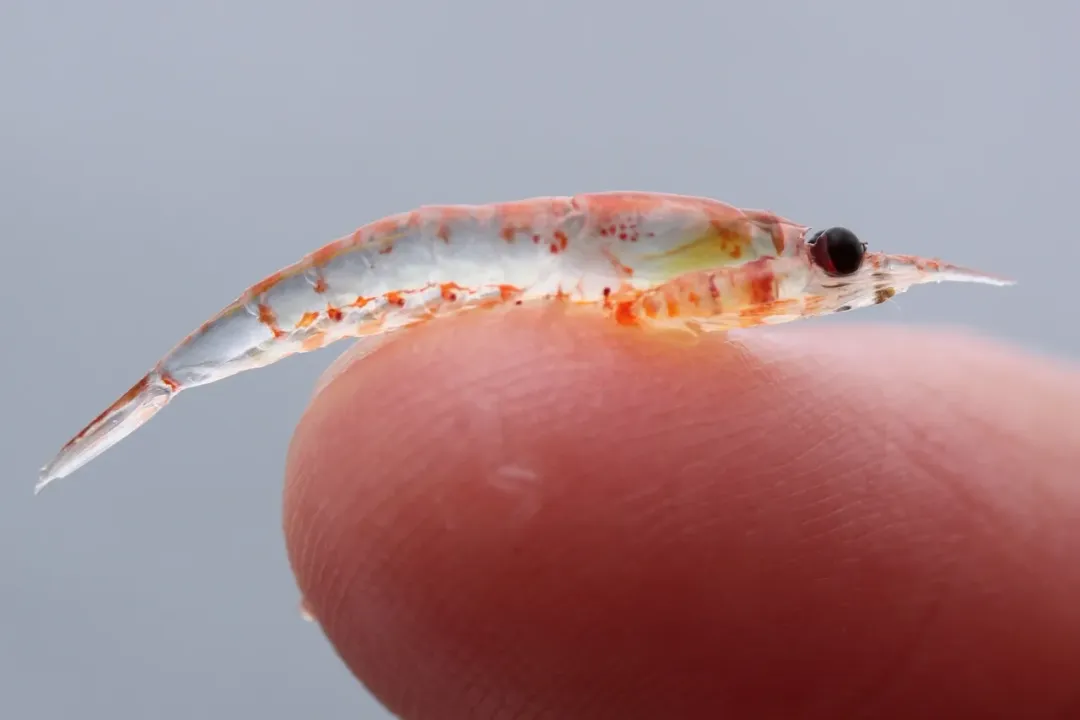
To hypothesize about the prey of Waimanu, it is essential to understand what sustains its smaller, modern relatives. Today’s penguins occupy diverse ecological niches, but their diets share a common thread: they are carnivores that consume various forms of marine life. The primary components of a modern penguin’s diet usually consist of small to medium-sized fish, squid, and various crustaceans, especially krill.
For instance, while many smaller penguins might rely heavily on vast swarms of krill—tiny, shrimp-like crustaceans—larger species tend to target larger prey items to meet their higher caloric demands. Emperor penguins, for example, dive deep for fish like Antarctic silverfish and specialized squid. African penguins target anchovies and sardines when available. The general consensus is that penguins are opportunistic hunters, adapting their consumption based on local availability and their specific diving capabilities.
# Prey Projection
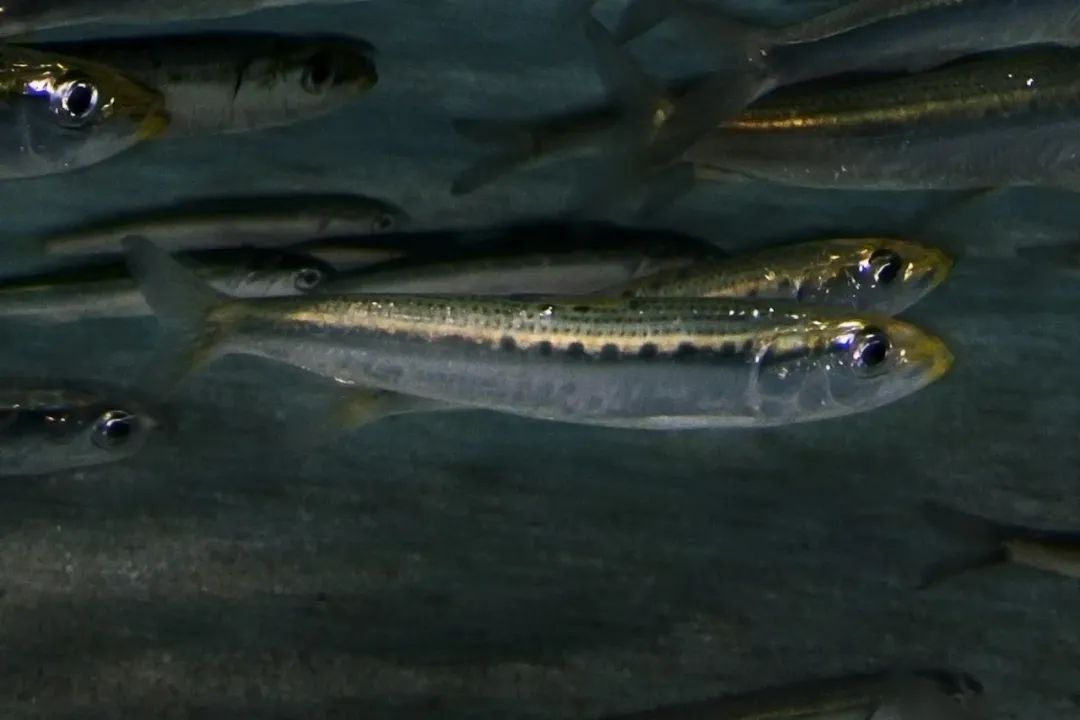
Given that Waimanu was one of the earliest recognized penguins, representing an evolutionary stage before the specialized niches seen today, we can infer that its diet was centered around easily attainable, energy-rich marine life available during the Eocene. It is highly probable that Waimanu consumed fish and squid, mirroring the primary diet of most large, diving seabirds throughout history.
However, unlike modern species that might focus on shoaling fish close to the surface or in shallower waters, the immense bulk of Waimanu suggests an animal that needed substantial, high-calorie meals to fuel its metabolism and its powerful swimming efforts. While direct stomach contents or coprolites (fossilized feces) confirming Waimanu's menu are absent from the primary fossil discoveries, its physical architecture points toward a specialized marine predator.
# Size Matters
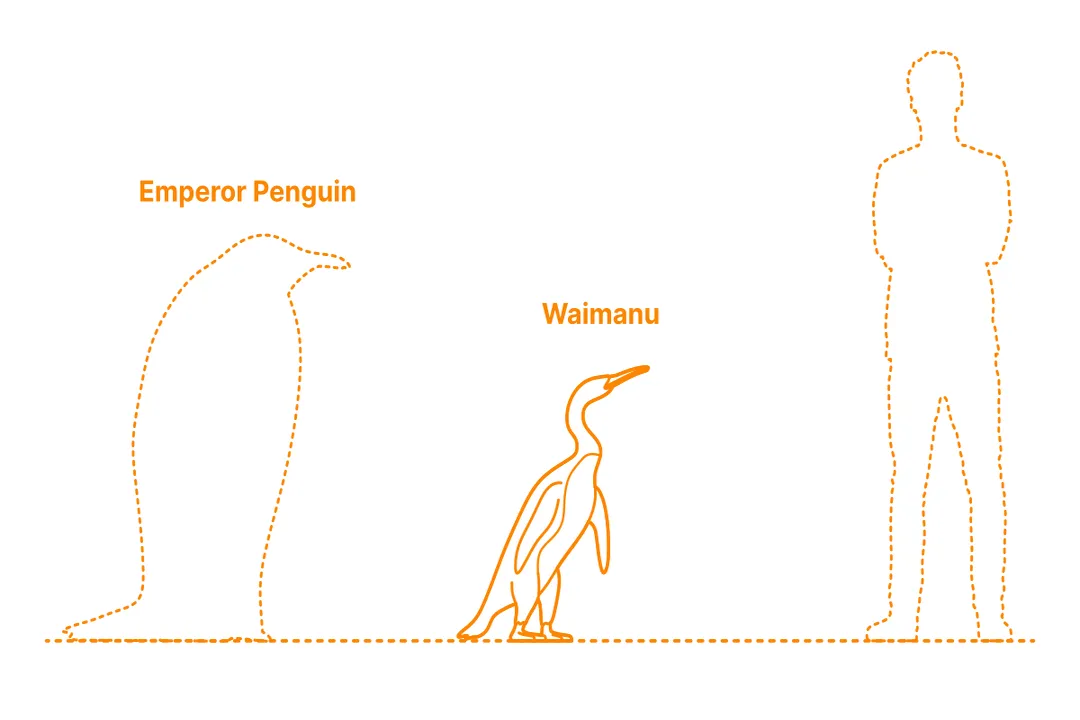
Considering the sheer size differential between Waimanu and nearly all modern penguins is a key analytical step. If a modern King or Emperor penguin targets fish around 30 centimeters long, a $100$ kg bird would likely necessitate prey that offered a greater energetic return per capture, or it would need to consume a far greater volume of smaller prey items.
It is reasonable to suggest that Waimanu may have specialized in consuming larger, slower-moving fish or cephalopods that were present in the Eocene oceans, perhaps targeting species that were less agile than the quick, schooling fish favored by smaller penguins today. The larger the predator, the more energy it must expend, meaning the reward for a successful hunt must also be proportionally higher. An animal of that mass likely needed to consume substantial amounts of food daily, far eclipsing what a $10$ kg penguin requires.
# Ancient Ocean Ecology
Reconstructing the diet of Waimanu also means reconstructing the ecosystem it lived in. The Eocene was characterized by warmer global temperatures, which affected oceanic currents and primary productivity. The specific availability of fish stocks or large, soft-bodied invertebrates like squid would have dictated hunting patterns. For instance, if the ecosystem was dominated by large, slow-moving bony fish that were common in the early Cenozoic, Waimanu would have been perfectly built to intercept them.
This leads to an interesting point of contrast: while modern penguins often rely on the massive, dense schools of smaller organisms like krill—a phenomenon that varies significantly by latitude and season—the warmer, perhaps less stratified waters of the Eocene might have supported a different kind of biomass concentration. We can speculate that Waimanu did not rely on the deep-water, cold-loving krill swarms that sustain Antarctic populations today, but rather on the available fauna in the subtropical Eocene seas near New Zealand. The challenge for paleontologists is that fossil evidence of the prey itself is even rarer than the fossil evidence of the predator, forcing reliance on inferences based on analogous modern physiology and the established fossil record of that geological time.
# Evolutionary Dietary Shift
The divergence between Waimanu and the smaller, more familiar penguins that followed it represents an evolutionary trade-off regarding diet and habitat. As the Earth cooled and ice sheets formed, the marine food web likely shifted, favoring smaller, agile hunters capable of exploiting dense swarms of small prey near upwelling zones or colder waters. Waimanu's lineage appears to have died out, possibly because it could not adapt to these changing conditions or compete with the newly evolving, smaller penguin forms.
Thus, while the direct answer remains elusive—a confirmed fish species or ancient squid name—the evidence strongly suggests Waimanu was a dedicated piscivore and teuthivore, built like a torpedo to chase down the largest, most rewarding meals the Eocene ocean had to offer. It stands as a testament to the diverse body plans that evolution can generate within a single successful lineage before environmental pressures dictate specialization.
Related Questions
#Citations
Waimanu Animal Facts
Waimanu, the first penguin - March of the Fossil Penguins
All About Penguins - Diet & Eating Habits | United Parks & ...
Waimanu (Waimanu manneringi)
Penguin
What do penguins eat?
Penguin evolution
Ever wonder what our penguins eat? Their diet consists of ...
Penguins | Smithsonian Ocean