What type of fish is a silver dollar?
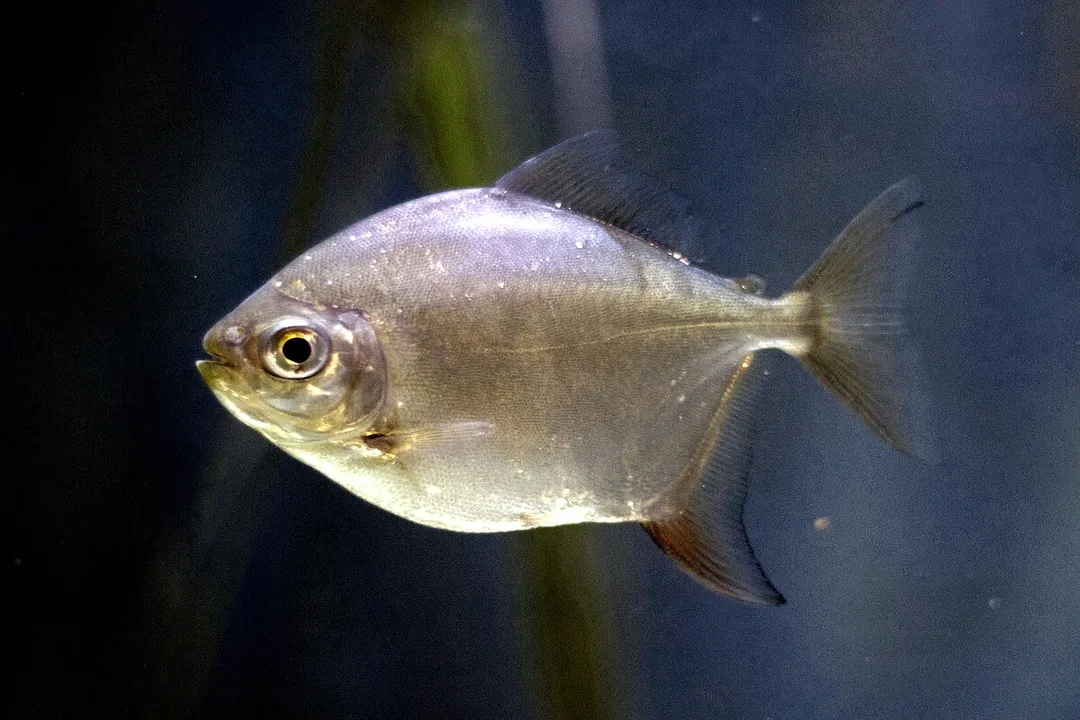
The silver dollar fish, with its distinctive, perfectly round, and highly reflective body, easily earns its common moniker. These popular aquarium inhabitants capture the eye with their shimmering silver flanks, sometimes showing subtle hints of green or blue tint in pristine water conditions. Although their name applies to several species, most hobbyists associate the term with Metynnis argenteus. Belonging to the family Serrasalmidae, they share an evolutionary heritage with the much more infamous piranha and pacu, though the silver dollar maintains a primarily peaceful disposition. They are prized for their schooling nature and placid demeanor, spending most of their time cruising through the middle to upper layers of the water column. With proper care, these attractive disc-shaped fish can be long-lived companions, sometimes exceeding a decade in captivity.
# Distinguishing Species
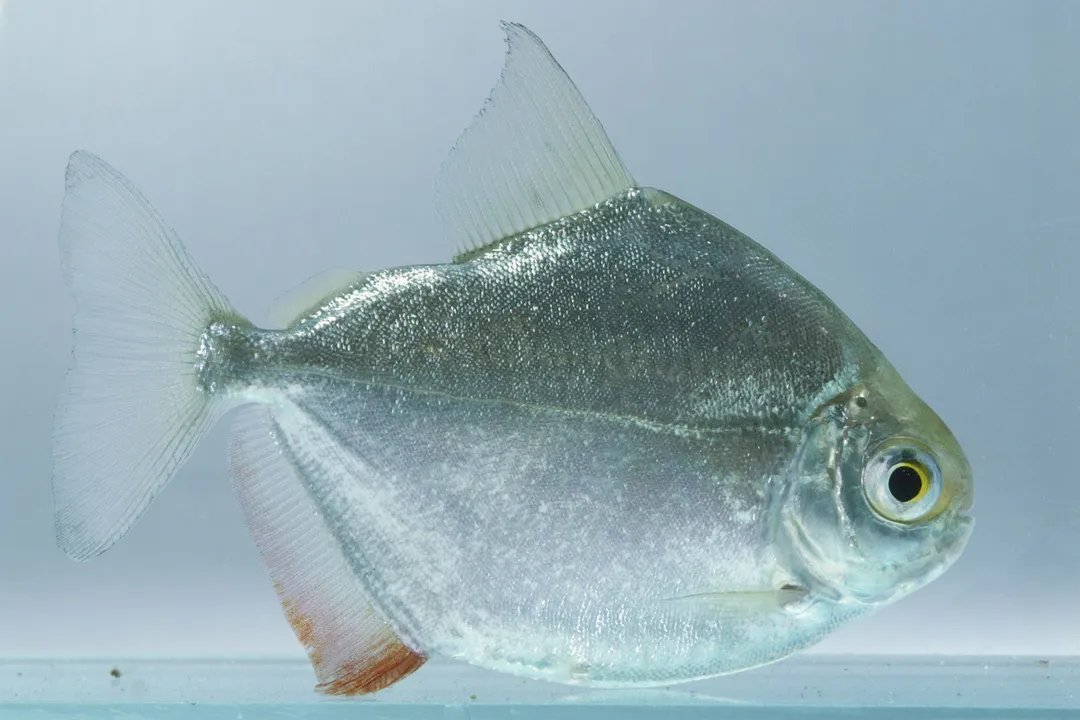
The moniker "silver dollar" is not exclusive to a single species, which can lead to minor confusion when seeking specific care profiles or tank mates. While Metynnis argenteus is generally considered the quintessential example, other species are frequently sold under the same umbrella name. For instance, Metynnis hypsauchen, known as Schreitmüller's silver dollar, is a close relative often mixed into stock. A distinguishing feature for M. hypsauchen is the presence of a small, distinct black blotch situated just above and slightly behind each eye. Another species sometimes encountered is the Spotted Silver Dollar, Metynnis lippincottianus. Furthermore, the term can occasionally include members of other genera like Myleus or Mylossoma, such as the silvery and somewhat transparent Hard-bellied Silver Dollar (Mylossoma duriventre).
# Shape and Size
The adult size of the silver dollar is a major factor in determining its aquarium needs. These fish are capable of reaching up to six inches in diameter. When sold as juveniles, they may appear small enough to resemble a dime, making early care decisions tricky if one forgets their eventual adult dimensions. Because they are schoolers, the tank size must accommodate not just one large adult, but a group, which directly impacts the required footprint of the aquarium.
# Native Ranges
In the wild, silver dollars are native to tropical South American waters. They inhabit shallower river systems and tributaries, often thriving in densely planted environments. The distribution for Metynnis hypsauchen, for example, is somewhat patchy, covering areas within Guyana, Brazil, Peru, and Bolivia, specifically within the Amazon and Rio Paraguay drainages. Metynnis argenteus is typically traced back to the Tapajós River Basin in Brazil, spreading across various river systems throughout northern South America. Their natural environment dictates their preference for warm, clean water with adequate shelter.
# Water Parameters
Maintaining water quality that mimics their native tropical environment is straightforward, as silver dollars are generally hardy and not overly demanding regarding precise chemical values, provided the water is clean and well-aerated. The ideal temperature range centers between 75 to 82°F (24 to 28°C). While they tolerate a range of hardness, they perform best in softer, moderately acidic conditions. The generally accepted pH range is 5.0 to 7.0. Water hardness values up to about 15 dGH are acceptable, though some sources note optimal performance below 10°H. Clean, well-filtered, moving water is key to their health.

# Tank Setup Essentials
The primary challenge in keeping silver dollars stems from their size, swimming habits, and diet. They require a tank where length and width are prioritized over height. A group of six or more adults necessitates an aquarium starting at 75 gallons, but a more appropriate size for a stable adult school can be around 265 liters (approximately 72 inches long). It is crucial to keep the center area of the tank open to allow for unimpeded swimming, while placing decorations and plants toward the perimeter.
Since these fish are notorious plant-eaters, stocking a tank with delicate live greenery is often a fruitless exercise. For aquarists desiring a planted aesthetic, substituting live plants with high-quality artificial alternatives made from convincing silk or fabric is a wise investment, as the real plants will likely be consumed. Additionally, silver dollars can be somewhat skittish; therefore, dim lighting and numerous hiding spots or areas of refuge are necessary to boost their confidence and comfort.
When stocking the tank, a novice keeper might initially purchase juvenile fish for a standard starter tank, perhaps 20 gallons, as suggested for younger specimens. However, because these fish grow quickly to six inches, an aquarist must plan ahead: transferring them to the large, minimum 75-gallon setup, or preferably larger, should be anticipated within the first few months of ownership to prevent stunting or stress caused by overcrowding. This rapid transition from a manageable juvenile size to a large adult requirement means that the long-term commitment to space far outweighs the initial purchase cost.
# Plant Eating Diet
The dietary preference of the silver dollar is almost entirely vegetarian. This distinguishes them sharply from their carnivorous piranha relatives. Their diet should be heavily weighted toward vegetable matter. Recommended staple foods include vegetable flakes like spirulina, and fresh greens such as cooked romaine, spinach, watercress, lettuce, peas, and squash. It is imperative to remove any uneaten fresh vegetable matter promptly from the aquarium, as decaying food will quickly foul the water quality. While vegetables form the base, they will readily accept meaty foods as occasional treats, such as bloodworms or brine shrimp. When feeding a group, ensuring that more dominant individuals do not monopolize the food is important; using feeding rings can help distribute food more evenly, ensuring every school member gets its share.
If an aquarist prefers a heavily planted tank for visual appeal, the best strategy is to use a combination of artificial plants and very tough, fast-growing live species placed primarily in the background or upper areas, while utilizing floating plants that are less likely to be eaten, such as floating anacharis or similar hardy species, reserving the sturdy plastic alternatives for the lower sightlines where the fish graze. This allows for some natural ambiance without sacrificing the entire plant collection to the fish’s appetite.

# Group Behavior
Silver dollars are fundamentally peaceful schooling fish. To see their best, most relaxed behavior, they must be kept in groups of at least five or six individuals. A solitary silver dollar is likely to become stressed and withdrawn. When selecting companions, it is important to choose fish that are not small enough to be swallowed by a mature silver dollar. Since the silver dollars occupy the mid-to-upper water levels, a well-balanced community tank will incorporate bottom-dwelling species to provide visual contrast and ensure all levels of the tank are occupied. Good choices include larger, peaceful catfish like plecos or members of the doradid family. They can coexist with many non-aggressive cichlids once they are fully grown, and can even tolerate larger species like oscars or pike cichlids, provided the tank size is sufficient for everyone involved.
# Spawning Details
While breeding silver dollars in captivity is considered possible, it is often listed as moderately difficult. The recommended method for establishing a breeding group is to purchase a half-dozen juveniles and allow them to mature together, as they will naturally pair off. To encourage spawning, the fish should be conditioned separately beforehand, fed a high-quality diet rich in vegetables with intermittent meaty additions for about a week to ten days.
The breeding process takes place in a separate tank to protect the eventual offspring. Water conditions for spawning should be on the softer and warmer end of their preferred range: soft water (below 8 dGH) and a temperature around 80–82°F. The lighting in the breeding tank should be dim. Silver dollars are benthic spawners and egg scatterers, meaning the female releases her eggs which fall to the bottom of the tank, often into fine-leaved plants, where they are then fertilized by the male. A single spawning event can yield as many as 2,000 eggs. The eggs typically hatch within three days. Once the fry have absorbed their yolk sacs, usually about a week later, they become free-swimming and require very fine foods, such as infusoria, newly hatched brine shrimp, or finely powdered spirulina flakes. It is common for a high percentage of the brood to perish, and it is often recommended to cull any small or deformed fry to manage the population size and focus on raising the strongest specimens. During the courtship, the male displays more vibrant coloration, featuring elongated anal fins with red tinges, and may exhibit darker marbling on his body, while the female will appear noticeably rounder when gravid.
Related Questions
#Citations
Silver Dollar Fish: Species Characteristics and Care - The Spruce Pets
Silver dollar (fish) - Wikipedia
Metynnis hypsauchen (Silver Dollar) - Seriously Fish