What type of dog is a Chinese Crested?
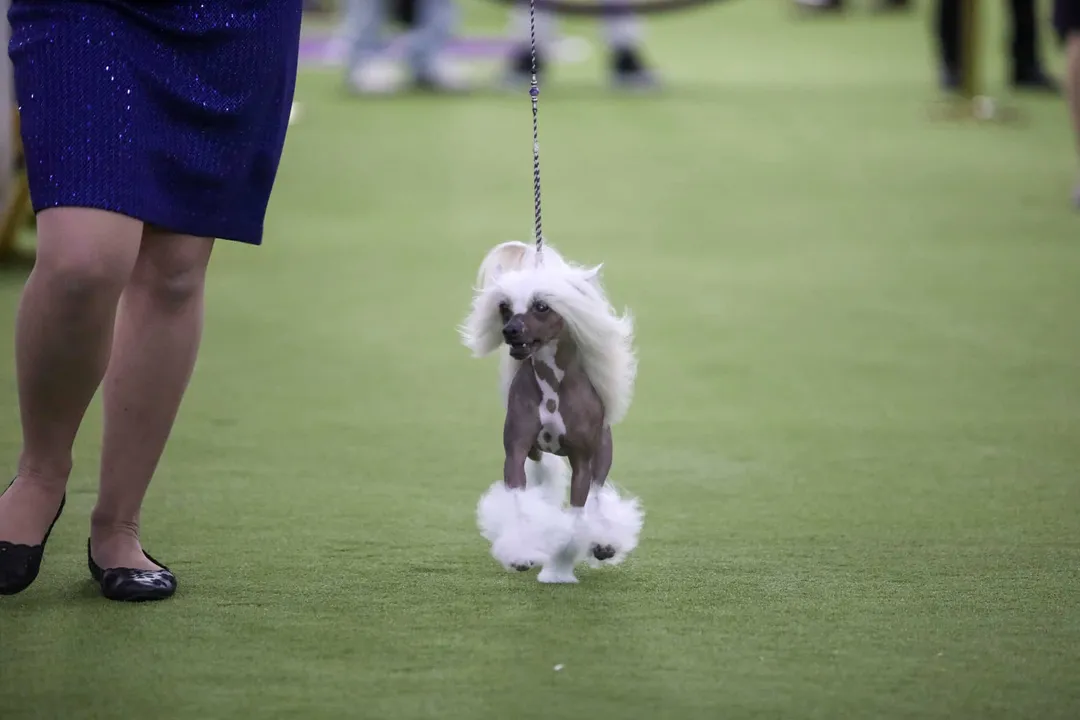
The Chinese Crested is a distinct and captivating toy breed, immediately recognizable for its striking appearance and often described as an elegant, graceful companion. These dogs fall into the Toy Group recognized by the American Kennel Club (AKC). What truly sets this breed apart is its presentation: it is one of the few breeds that can appear in two completely different coat types, Hairless and Powderpuff, often sharing the same litter.
# Breed Identity
While the name suggests a Chinese origin, documented proof of this is elusive, leading experts to postulate that the breed may have evolved from African hairless dogs that were later refined in size by Chinese breeders. Historical accounts suggest the breed was present in records as early as the late 1800s. An earlier, though perhaps less flattering, moniker included "Chinese Edible Dog" and "Chinese Ship Dog". This latter name hints at a historical working function; the breed is believed to have accompanied Chinese sailors on voyages, where their lack of heavy fur made them less prone to carrying fleas while they hunted vermin aboard ships. This practical role as a shipboard ratter stands in stark contrast to their modern life as pampered companions. The breed gained significant promotion in the US thanks in part to the efforts of entertainer Gypsy Rose Lee, an avid breeder. The AKC officially recognized the breed in 1991.
Generally, the Chinese Crested is a small dog, typically weighing between 8 and 12 pounds and standing about 11 to 13 inches at the shoulder. They are characterized by a fine-boned, lean structure, sometimes categorized into a "Deer type" (racy and fine-boned) or a "Cobby type" (heavier in body and bone). Their lifespan is generally long, often reaching 13 to 18 years with attentive care.
# Coat Types

The defining feature of the Chinese Crested is the coexistence of two coat varieties, both stemming from a single dominant gene responsible for the hairless trait.
# Hairless Variety
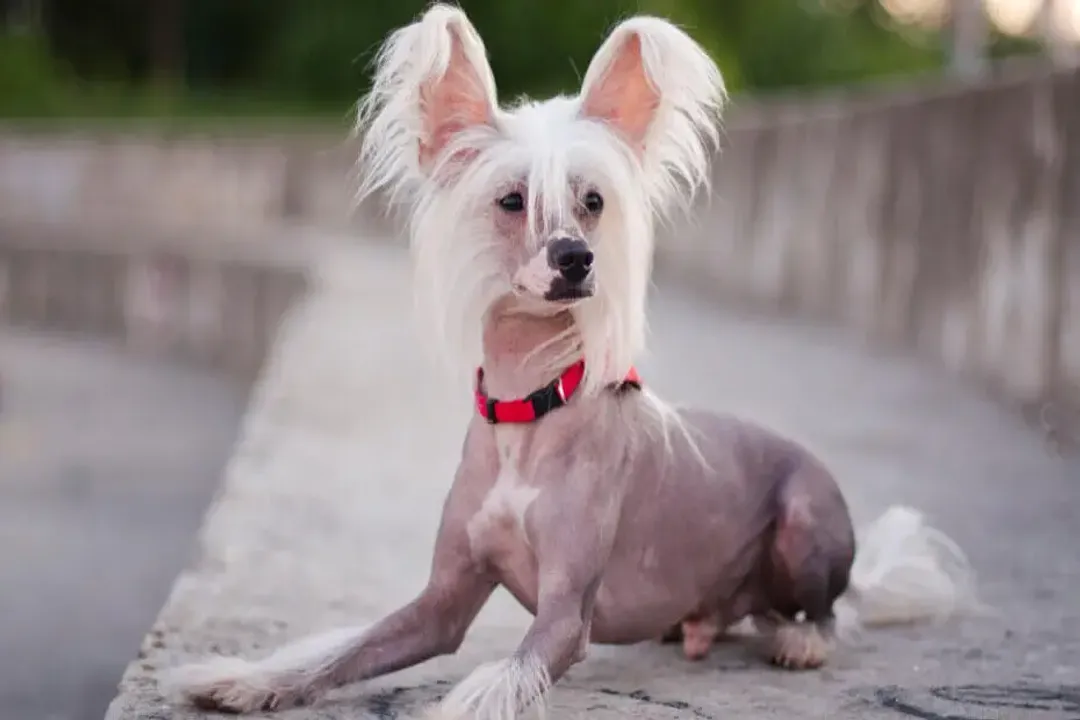
The Hairless variety presents the signature look that draws immediate attention. These dogs have smooth, soft skin that covers most of the body. They possess tufts of hair only in specific locations:
- The crest on the head.
- The plume on the tail.
- The socks covering the feet from the toes up to the pasterns or hocks.
This lack of body hair means they do not produce a strong doggy odor, and shedding is minimal, which can be advantageous for allergy sufferers. However, the exposed skin requires significant management.
# Powderpuff Twin
The Powderpuff is the coated counterpart, born from the same litter as the Hairless, due to the recessive nature of the coat gene. The Powderpuff is covered entirely by a soft, silky double coat. This coat consists of a softer, shorter undercoat overlaid by longer guard hairs, a structure somewhat opposite to many other double-coated breeds. While they lack the unique skin care needs of their siblings, their long locks necessitate regular at-home brushing to prevent painful matting, along with occasional professional trimming.
For owners considering which variety to welcome, understanding this genetic split is key. If you prefer minimal clipping but don't mind specialized moisturizing and sun protection, the Hairless fits; if you enjoy the ritual of daily brushing and regular trims but prefer a dog whose skin is always covered, the Powderpuff may be a better match.

# Personality Profile
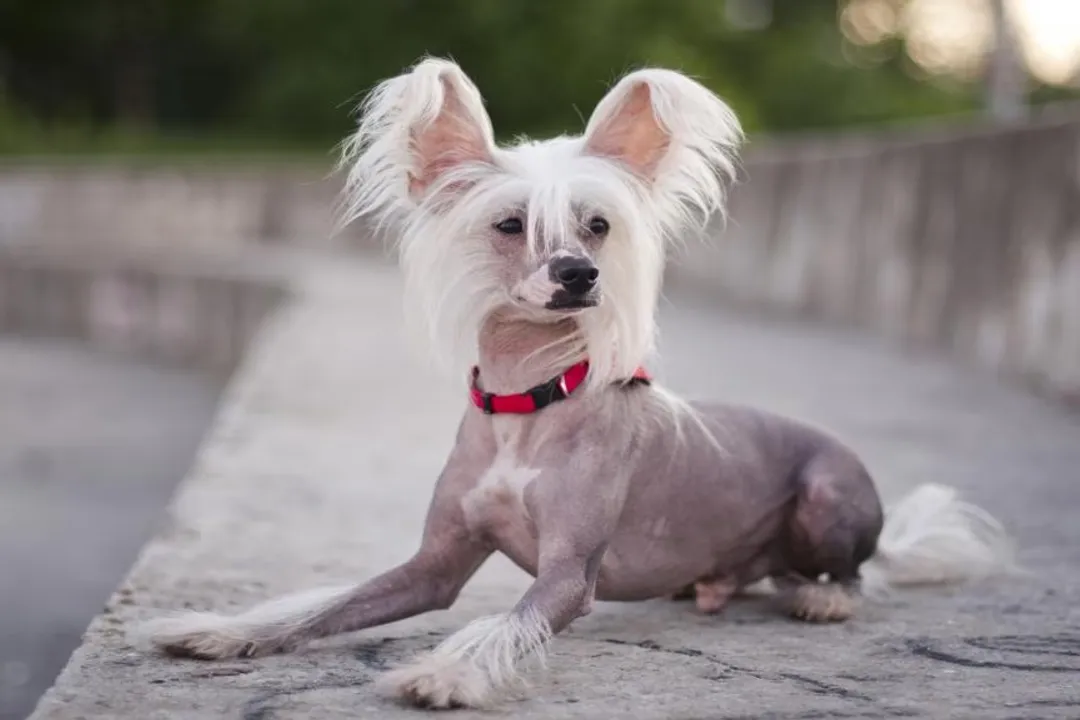
The Chinese Crested is fundamentally a companion animal, thriving on close proximity to its human family. They are often described as lively, alert, and highly affectionate. Their devotion is often described using the term "velcro dog" because they crave constant attention and bond very strongly with their people. They are generally happy-go-lucky and playful.
This breed’s intelligence is notable, making them capable of learning tricks and performing well in canine sports like agility and flyball. However, this intelligence is coupled with a very sensitive nature. Training must be approached with gentleness; harsh words or negative actions can severely impact their willingness to learn and damage the bond with their handler. Some owners note a slightly "cat-like" personality, sometimes observed by their habit of perching high up, such as on the back of a couch.
While friendly, they are often reserved or cautious around complete strangers, though early, consistent socialization helps them become more outgoing. They generally do not do well if left alone for extended periods, as their strong attachment means they can become anxious or even destructive when their human absence is prolonged. They are also sometimes noted for being chatty and vocal, barking to alert their owners to unusual sounds or visitors.
# Care Demands
While small in stature, the Chinese Crested requires detailed attention, especially regarding skin, teeth, and climate.
# Skin and Climate
For the Hairless variety, skincare is paramount. Their exposed skin is highly vulnerable to the elements. They must be protected from the sun with dog-safe sunscreen or protective clothing to prevent painful sunburn and potential skin cancer. Conversely, they are very sensitive to cold temperatures and often require sweaters or coats even on mildly chilly days. Regular bathing is necessary to keep the skin healthy, and owners should watch for issues like blackheads, dry skin, or seborrhea (oily or flaky skin). Moisturizing is an essential weekly task for maintaining skin integrity.
# Dental Maintenance
A significant care requirement common to the breed, especially the Hairless variety, is rigorous dental attention. Due to the same genetic factors that cause hairlessness, these dogs frequently have missing or crooked teeth (oligodontia). This predisposition means that owners must be diligent. Brushing their teeth at least three times a week, or ideally daily, is strongly recommended to prevent tartar buildup, gum disease, and subsequent potential damage to vital organs like the heart and kidneys.
It is interesting to note that while dental care is crucial for all dogs, the genetic predisposition for poor dentition in the Crested makes preventative action non-negotiable, differing from general best practice recommendations for other mixed-breed or less-predisposed purebreds. If you adopt a Crested, establishing a daily tooth-brushing routine from puppyhood, perhaps using calming enrichment tools like lick mats during the process, can make the experience much smoother for both you and your dog.
# Exercise and Diet
This toy breed has moderate exercise needs, often satisfied by short daily walks and indoor play sessions. They are highly adaptable and do well in apartment settings, provided they get their required activity and mental stimulation. Diet must be monitored closely; as small dogs, they have fast metabolisms but small stomachs, meaning they should eat little and often, typically two meals daily as adults. Owners must watch calorie consumption, as obesity can worsen orthopedic issues common to the breed.
# Health Considerations
Chinese Cresteds are generally considered a sound, healthy breed, but prospective owners should be aware of several predictable genetic risks. Responsible breeders screen for many of these issues.
Common orthopedic concerns include patellar luxation (a slipping kneecap) and Legg-Calvé-Perthes disease, which affects the hip joint, especially in younger dogs.
Eye problems are also observed, including progressive retinal atrophy (PRA), which leads to untreatable vision loss, and primary lens luxation (PLL), which can cause glaucoma if the lens drops out of place. Regular ophthalmic exams are crucial for early detection.
Other noted genetic predispositions include:
- Epilepsy.
- Congenital deafness in some lines.
- Inflammatory Bowel Disease (IBD).
- Certain structural defects like overbites or cleft lip/palate, though the latter is often addressed surgically early on.
# Lifestyle Fit
The Chinese Crested dog is an ideal match for an owner who desires a constant, devoted companion and is prepared to manage their unique grooming and skin needs. They suit city living and smaller homes well. Due to their delicate nature—being fine-boned and easily injured—they generally do better in homes with older children who understand how to handle a small dog gently. Supervision is always necessary around young children. They can get along with other pets, including cats, but individual temperament and early socialization heavily influence these relationships. They are less suited for households where they will be left alone for long periods, as they thrive on interaction and can develop separation anxiety. Owners must commit to the breed's lifespan, often extending well into the teens, knowing that they are signing up for a dog that demands to be involved in every aspect of family life.
#Videos
The Mysterious Chinese Crested dog! Where Did They ... - YouTube
Related Questions
#Citations
Chinese Crested Dog Breed Information - American Kennel Club
Chinese Crested Dog Breed Health and Care - PetMD
Chinese Crested - The Westminster Kennel Club
Chinese Crested Dog Breed Information | Purina UK
The Mysterious Chinese Crested dog! Where Did They ... - YouTube
Chinese Crested (Hairless) - Breed Info | Animal Clinic of Glasgow
the good the bad and the ugly about chinese crested - Reddit
Chinese Crested Dog Breed - Hill's Pet Nutrition
Dog Breed Profile: Chinese Crested - Woof