Are silver dollars part of the piranha family?
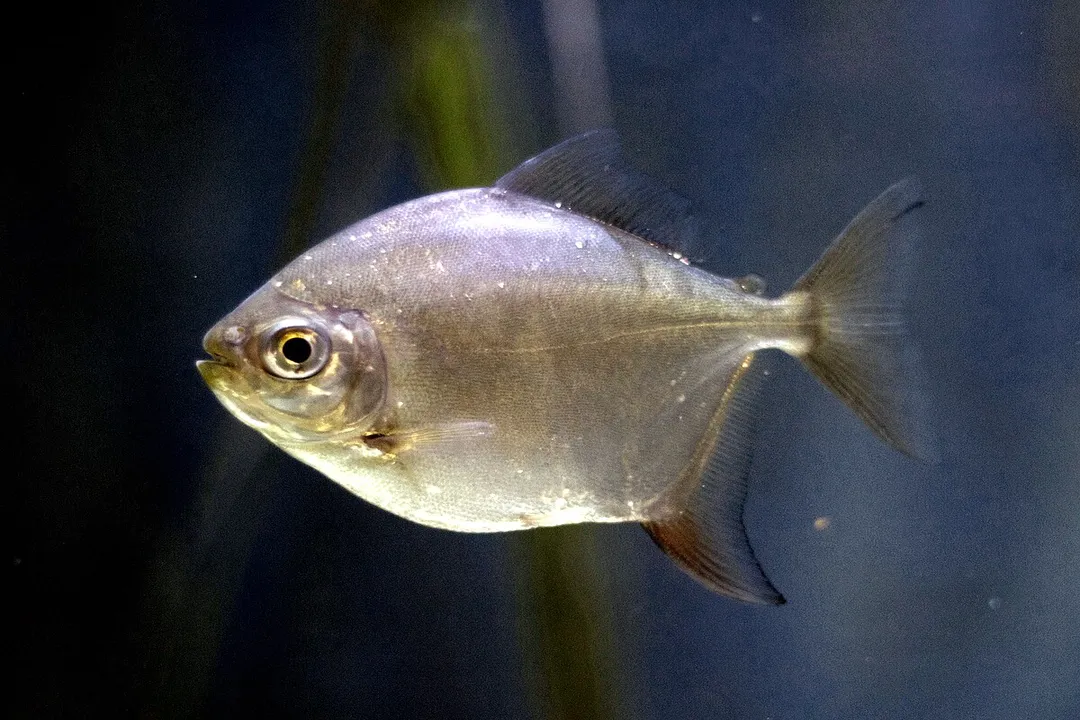
The immediate answer to whether the silvery, disc-shaped fish commonly kept in aquariums, known as silver dollars, share ancestry with the famously fierce piranha is an affirmative one: they are indeed relatives within the same taxonomic family. [1][8] This shared membership often surprises newcomers to ichthyology or the aquarium hobby, as the popular image of a piranha revolves around razor-sharp teeth and voracious feeding, while the silver dollar projects an image of serene, round-bodied placidity. [4] Both groups fall under the family Serrasalmidae. [2][5] While this relationship establishes a clear biological link, the divergence in their appearances, diets, and temperaments showcases a fascinating example of evolutionary specialization within a single grouping of freshwater fish. [9]
# Family Tree
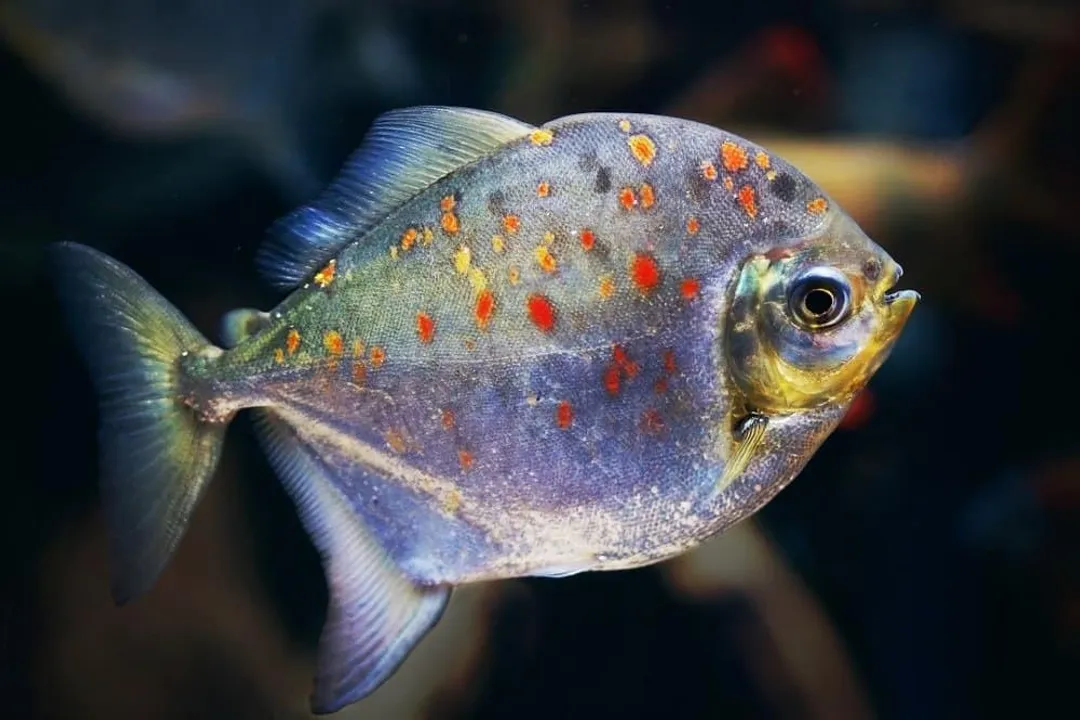
To truly appreciate this connection, one must look at the classification system that groups them together. The family Serrasalmidae encompasses several genera, including the notorious piranhas, often classified under Pygocentrus, and the placid silver dollars, which belong to genera like Metynnis. [9][5] The very term "piranha family" is sometimes used to describe the larger Serrasalmidae group itself. [5] This places them squarely together, much like lions and housecats share the family Felidae, despite their massive differences in lifestyle and size. [1] In the context of South American freshwater fish, understanding this family is key, as it contains a diverse array of species that share common physical traits, even if their ecological roles diverge drastically. [2]
The classification confirms that the silver dollar fish, represented by genera such as Metynnis, are intrinsically linked to the piranhas, which also reside within Serrasalmidae. [9] One source confirms that these fish belong to the same family as the piranha, emphasizing the common origin of these seemingly disparate species. [8] While specific identification of a silver dollar might place it in Metynnis, for instance, [9] its membership in Serrasalmidae is the undeniable tie to its more infamous cousin. [1]
# Appearance Differences
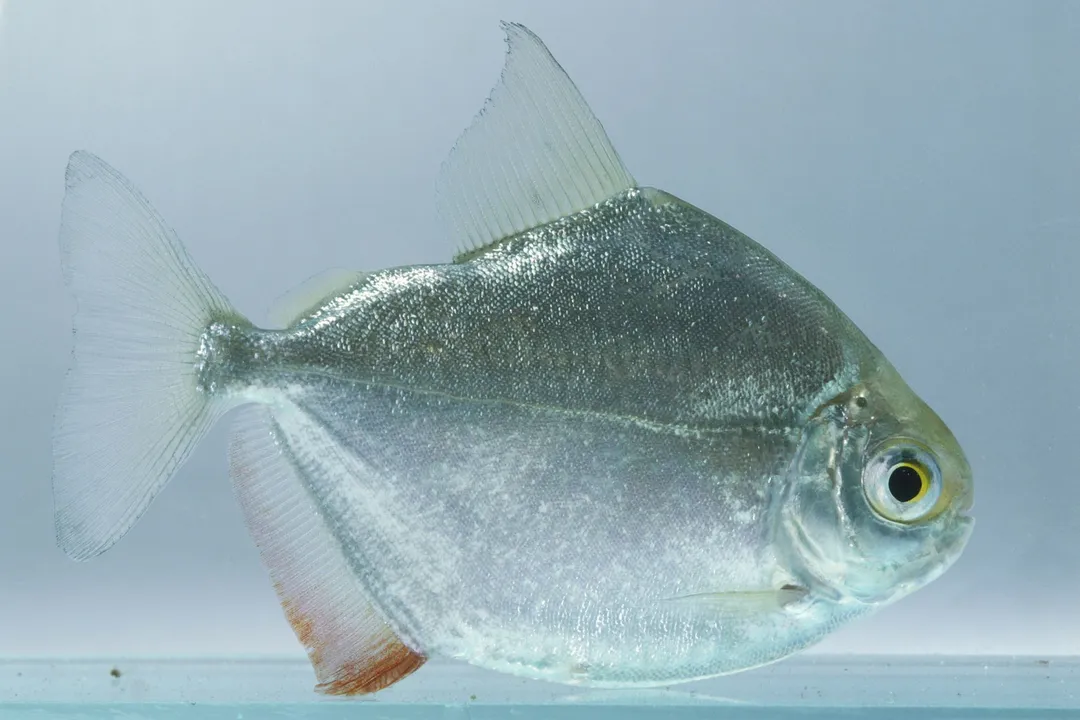
Despite their shared ancestry, a quick side-by-side comparison reveals why most people assume they are unrelated. The classic silver dollar fish is characterized by its laterally compressed, highly rounded body shape, resembling an actual silver coin. [4][10] This shape is remarkably uniform across many popular aquarium species within the group. [1] They generally possess a silvery sheen, which gives them their common name. [10] In contrast, while piranhas are also laterally compressed, their body shape often appears stockier, and they are instantly recognizable by their deeper jaws and the presence of strong, triangular teeth. [5]
The dental structure is perhaps the most striking physical difference and reflects their distinct dietary paths. While both fish possess teeth, the arrangement and function are vastly different. Piranhas are renowned for their sharp, interlocking teeth, perfectly adapted for tearing flesh. [5] Silver dollars, however, have teeth that are more blunt or suited for shearing vegetation, reflecting their primarily herbivorous or omnivorous diet, which focuses more on plant matter than meat. [4] This difference in dentition suggests a long period of evolutionary divergence driven by feeding niches within their shared South American riverine habitats. [2]
# Temperament Contrast
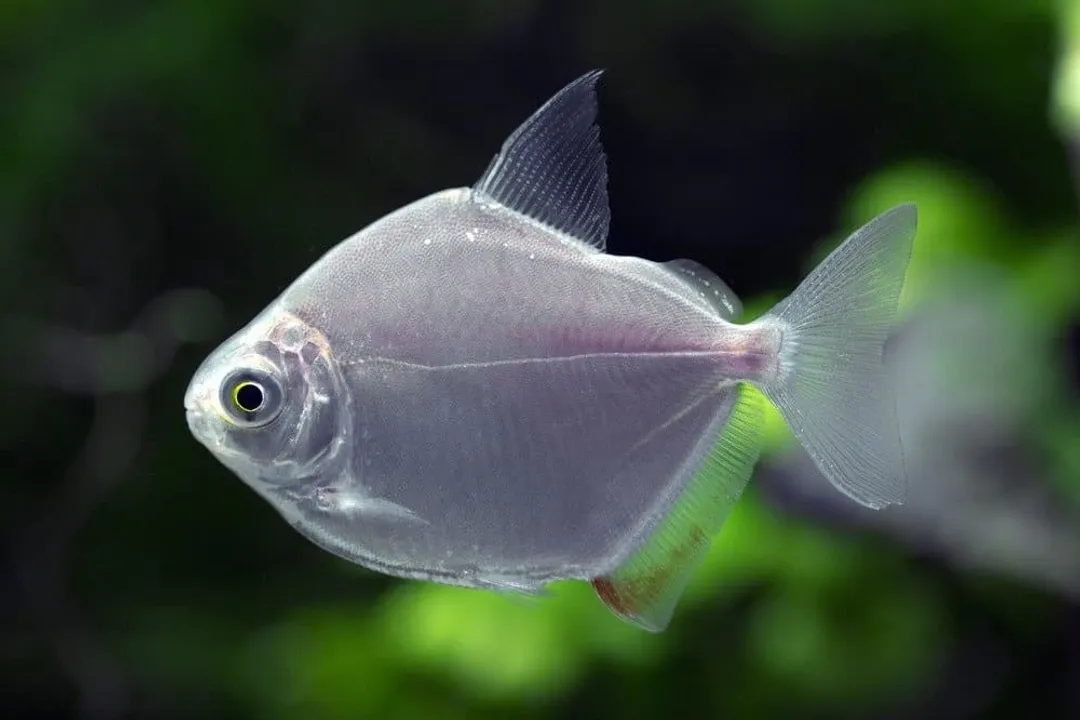
The divergence in diet directly translates into a stark contrast in behavior, especially when observed in an aquarium setting. [4] Piranhas are widely known for their schooling behavior, which can sometimes manifest as aggression or feeding frenzies, depending on the specific species and environmental factors. [5] This reputation for aggression is well-established in popular culture. [5]
Silver dollars, conversely, are generally regarded as peaceful, schooling fish, which makes them popular choices for large community tanks. [4][10] They thrive best when kept in schools of six or more, exhibiting social behavior that is focused on group dynamics rather than predatory interactions. [4] This schooling instinct is a shared trait among many Serrasalmidae members, but in silver dollars, it manifests as communal grazing rather than cooperative hunting. [1][9]
It is worth noting that even within the "peaceful" silver dollar group, temperament can vary based on species and environmental stress. While they are not predators in the piranha sense, keeping them in overly small or overcrowded tanks can lead to stress-induced nipping or territoriality, though this is behaviorally miles away from the carnivorous reputation of the Pygocentrus group. [4] Understanding this behavioral separation is vital for any aquarist considering housing members of this shared family.
# Evolutionary Divergence
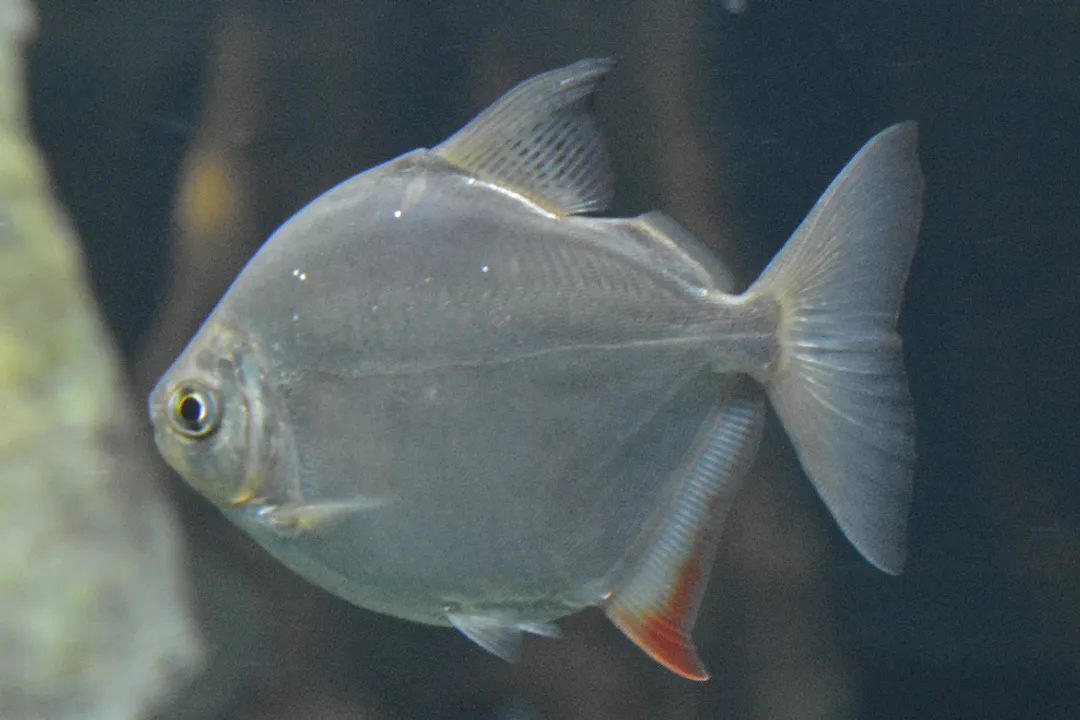
The fact that two groups stemming from the same ancestral stock evolved to occupy such different ecological roles—one specializing in meat consumption, the other in herbivory—is a classic example of adaptive radiation within a river system. [2] Considering that the entire family Serrasalmidae originates from the freshwater systems of South America, this split in diet likely occurred as different populations exploited available food sources or adapted to changing environmental conditions over geological time. [5]
For instance, one could hypothesize that while the ancestral Serrasalmid had an omnivorous diet, a lineage that found reliable access to abundant soft aquatic vegetation, like certain submerged grasses or fruits dropping into the water, would benefit from evolving blunter, shearing teeth. [9] Over generations, this preference would lead to the Metynnis type of morphology. Meanwhile, another lineage might have found an advantage in consuming smaller fish or invertebrates, favoring the development of sharper, interlocking teeth typical of piranhas. [5]
To put this into a more concrete framework, imagine stocking a large freshwater tank. A beginner aquarist might look at the cost-to-space ratio. A single Red-Bellied Piranha (Pygocentrus nattereri) might require a tank of, say, 55 gallons to thrive minimally, allowing for water quality maintenance and behavioral expression. [5] In contrast, a proper school of Silver Dollars, perhaps Metynnis argenteus, might necessitate a 125-gallon tank just to allow the school of eight or ten fish adequate swimming space and prevent stress from overcrowding, which would then compound the necessary filtration and heating costs associated with the larger volume. [4] This difference in required space, despite similar adult sizes, speaks volumes about their differing social and swimming needs rooted in their evolutionary path—one a territorial pack hunter, the other a constantly moving, open-water grazer. [1][4]
# Aquatic Care Similarities
Despite the dramatic differences in feeding and temperament, their shared ancestry means they share certain fundamental requirements as inhabitants of tropical South American rivers. [2] Both groups generally require warm, soft, and slightly acidic water conditions to remain healthy. [4] They both thrive in environments that mimic the Amazon basin's characteristics, meaning stable water parameters are non-negotiable. [3]
Filtration and water quality are paramount for both piranhas and silver dollars because both groups are sensitive to poor water conditions. [3] Poor water quality can stress any fish, but in groups of high-metabolism fish like those in the Serrasalmidae family, ammonia and nitrite spikes can rapidly compromise health. [2] Because silver dollars are large, active schooling fish, they produce a significant bioload, requiring robust mechanical and biological filtration that might be underestimated by new hobbyists focused only on their gentle demeanor. [4] This shared need for pristine water conditions serves as a common thread linking their husbandry needs, even if the piranha's diet is more likely to foul the water quickly due to high protein intake. [5]
# Genus Specifics
Delving deeper into the taxonomy highlights the complexity within the family. The genus Metynnis, which contains many common aquarium silver dollars, is distinct, yet clearly nested within the broader piranha family structure. [9] Researchers often study the subtle morphological differences, such as spine counts on fins or specific bone structures, to map out the evolutionary tree that separates the primarily herbivorous Metynnis from the carnivorous Pygocentrus. [2]
It is interesting to consider how these groups have spread and adapted geographically within the Amazon and Orinoco drainages. While the general perception might be that piranhas are ubiquitous, their distribution is often highly specialized based on local food availability and habitat type. [5] The silver dollars, with their more generalized diet, sometimes exhibit a broader environmental tolerance, which may account for why different Metynnis species can be found across a wider range of tributaries than some of their sharper-toothed relatives. [9] This suggests a secondary layer of evolutionary success based on dietary flexibility following the initial split from the common ancestor. [1]
For instance, a fish-keeping enthusiast looking at the Metynnis genus might find several species that look almost identical but have slight variations in their red/orange markings or body depth. [9] These minor variations, developed over time in isolation or under slight selective pressure, are the very signals scientists use to define species within the same family structure. Observing these fish over many years in a dedicated setup reveals that while the piranha's specialization is dramatic, the silver dollar's success lies in its successful, albeit less flashy, ecological niche as a primary consumer in a complex river ecosystem. [2]

# Beyond the Bite
The entire narrative surrounding these fish is often dominated by the piranha's predatory nature, leading to a general mistrust of the entire Serrasalmidae grouping. [5] However, the silver dollar provides a tangible, living counter-argument to this generalization. [10] They demonstrate that sharing a family lineage does not dictate lifestyle. [4] The existence of Metynnis within Serrasalmidae forces observers to look past the sensationalism of the bite and appreciate the diversity of adaptations that evolution can produce from a shared blueprint. [2]
The conservation of the entire family is important because they represent a crucial link in the South American aquatic food web, whether as predators or as primary grazers controlling algal and plant growth. [5] Understanding that the beautiful, placid silver dollar shares a grand-ancestor with the ferocious piranha should encourage hobbyists and scientists alike to treat the entire Serrasalmidae group with respect for its evolutionary history and ecological significance. [1][2] This family offers a rich study in how physical form follows function, even when the starting template is nearly identical. [9]
Related Questions
#Citations
Silver dollar (fish) - Wikipedia
Piranhas, Pacus, and Silver Dollars (Family Serrasalmidae)
Large Animal Clinical Sciences Freshwater Tank
Silver Dollar Fish: Species Characteristics and Care - The Spruce Pets
Piranhas family - Fishing Planet Wiki
silver dollar related to piranha? | MonsterFishKeepers.com
Silver Dollar Fish Facts - A-Z Animals
Silver Dollar Fish ~ Did you know these fish belong to the same ...
Silver dollar (fish) - Grokipedia