What should Pitbulls not eat?
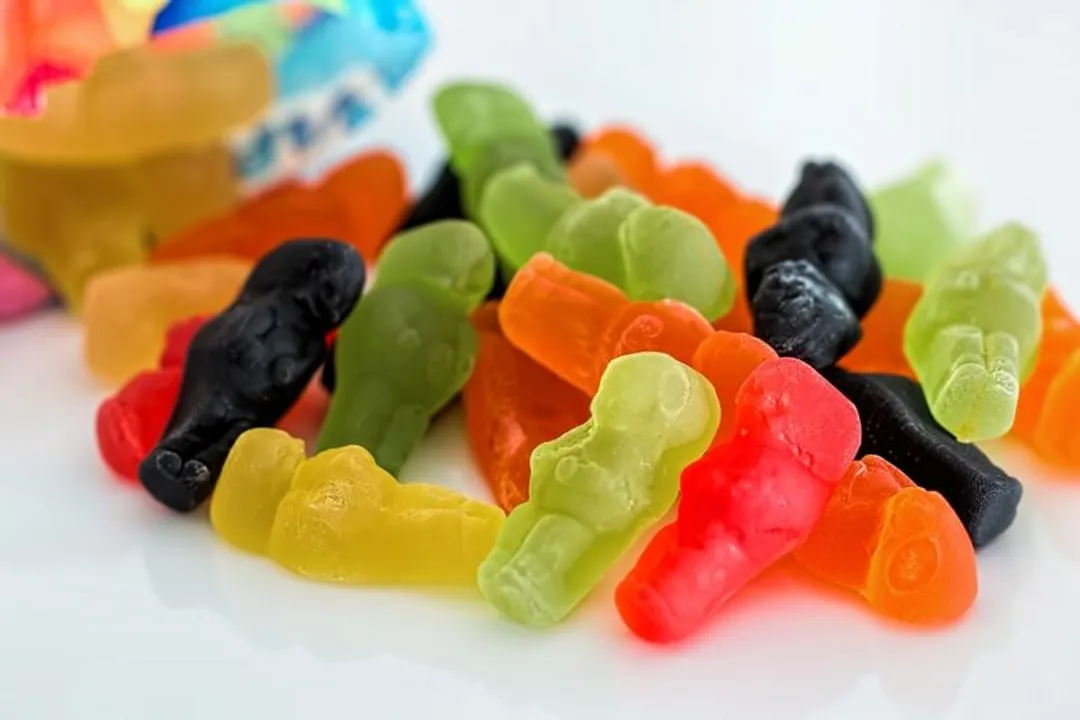
Owners of Pitbull-type dogs often appreciate their breed’s enthusiastic nature, which sometimes translates into an intense curiosity about whatever is on your plate. While these strong dogs can handle a lot, their diet needs careful management, particularly concerning foods that are toxic or dangerous to all canines. Protecting your dog from common household items that turn poisonous is a cornerstone of responsible ownership. The primary goal is to keep substances that cause severe system failure, like kidney or liver damage, entirely out of reach, alongside items that pose immediate physical threats like choking or bloat.
# Allium Family
Perhaps one of the most surprising kitchen threats comes from the Allium family, which includes onions, garlic, chives, and leeks. These common ingredients, whether raw, cooked, powdered, or dehydrated, should be strictly forbidden for your dog. The danger lies in sulfur-containing compounds present in these plants, which actively damage a dog's red blood cells. This damage can lead to a serious condition called Heinz body anemia, robbing the body of its ability to carry oxygen effectively. Symptoms can range from weakness and vomiting to exercise intolerance, depression, and, in severe cases, red urine, collapse, and death. Even the hidden onion or garlic powder in prepared human foods, such as some baby foods, can be enough to cause poisoning in a single large ingestion event.
# Chocolate Caffeine
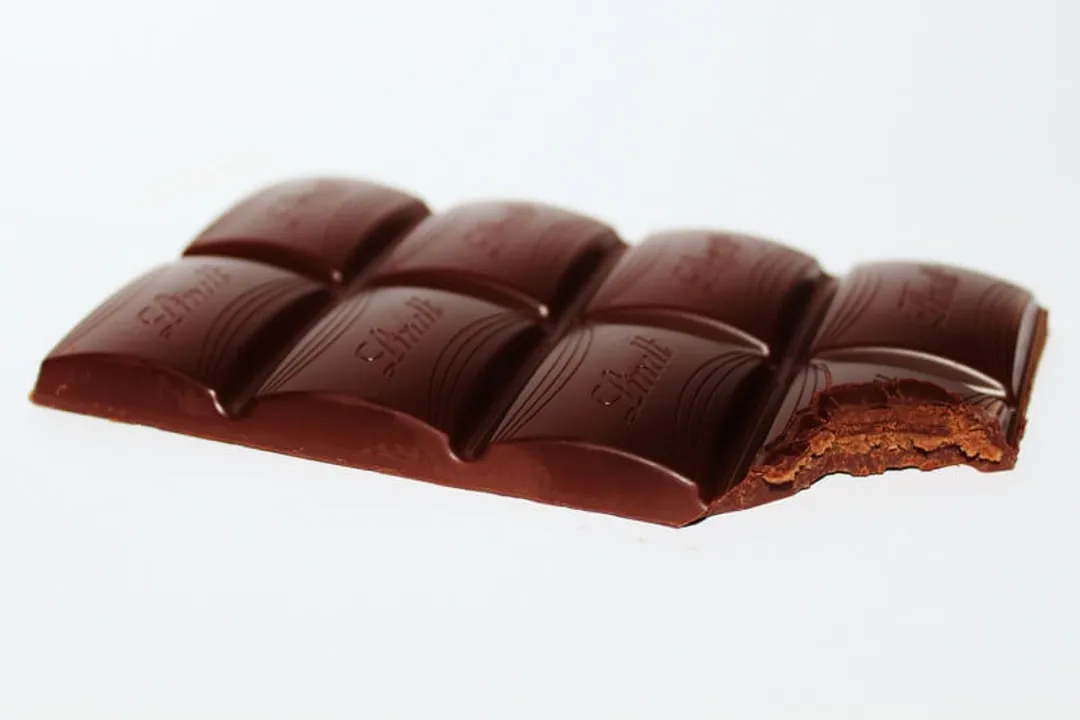
It is widely known that chocolate is harmful, but understanding why is key to respecting its danger. Chocolate contains methylxanthines, specifically theobromine and caffeine. Dogs metabolize these stimulants far slower than humans, allowing them to build up to toxic levels in their system quickly. Theobromine affects the heart and central nervous system, potentially causing tremors, seizures, and even death. Critically, the darker the chocolate—such as baking chocolate or semi-sweet varieties—the higher the concentration of theobromine, meaning a smaller amount is required to cause severe toxicity compared to milk chocolate. Caffeine is also present in high amounts in coffee (grounds and brewed) and tea, as well as energy and sports drinks. For dogs, even a small dose of caffeine can be toxic, leading to abnormal heart rhythms, tremors, or seizures.
# Sweetener Danger
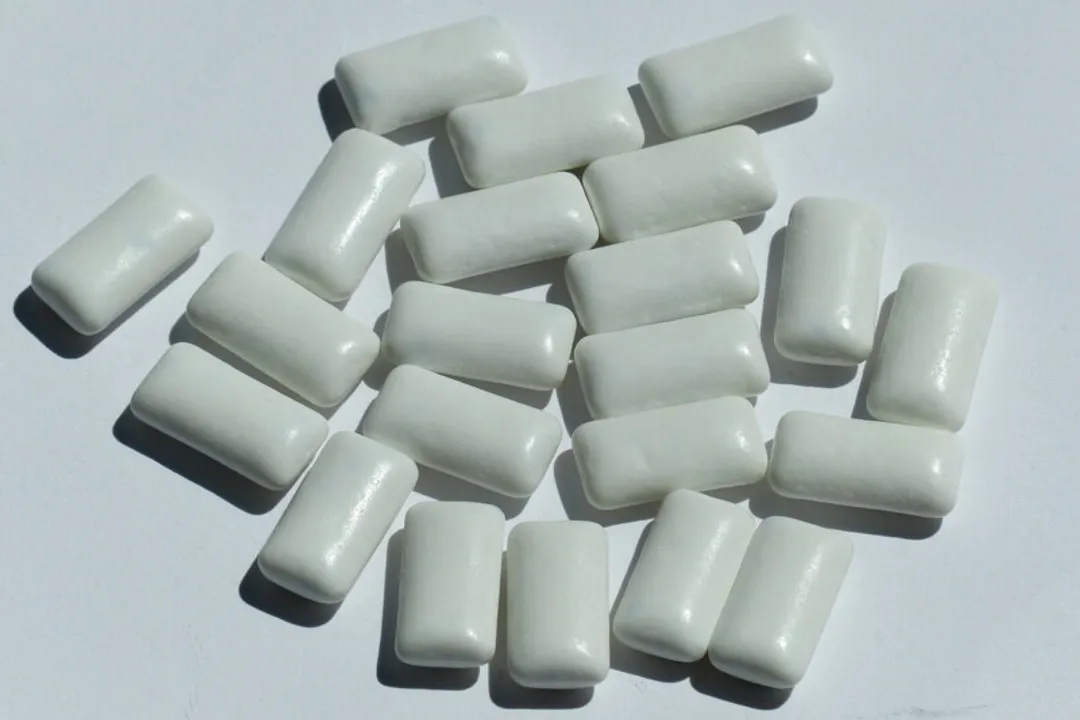
The artificial sweetener xylitol, often labeled as birch sugar, represents a major, rapidly acting hazard found in many human products. It is commonly hidden in sugar-free gum, candies, mints, diet foods, and even some peanut butters and flavored waters. For dogs, xylitol causes a rapid and severe release of insulin, which drastically drops blood sugar levels, leading to hypoglycemia. Initial signs can include vomiting, lethargy, and poor coordination, but if left untreated, it can progress quickly to seizures and life-threatening liver failure within days. It's worth noting that even a small quantity can be deadly; for instance, the amount in just five pieces of gum could potentially harm a 65-pound dog. Always check labels on "sugar-free" or "low sugar" items before your dog gets near them.
# Fruit Pits Hazards
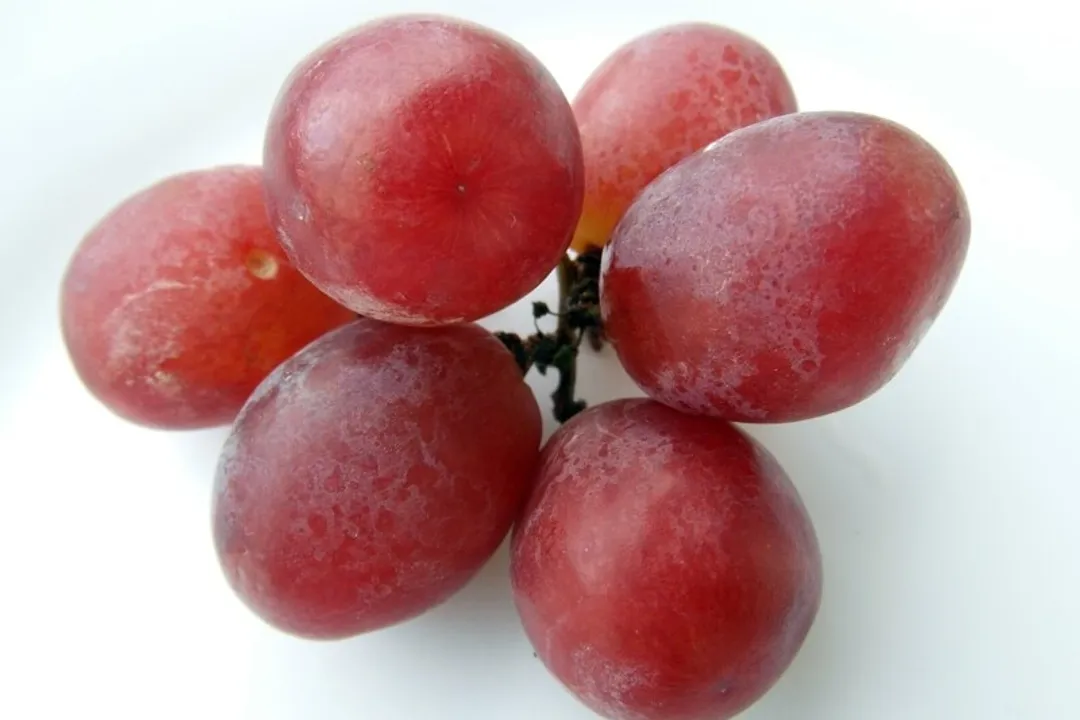
Several common fruits must be kept away from your Pitbull, not necessarily for the flesh, but for the seeds, pits, and stems. Cherries, apricots, peaches, and plums all have pits that contain cyanide, a chemical that makes it difficult for tissues to utilize oxygen, which can lead to breathing troubles, shock, and death if enough is ingested. While the fleshy part of a cherry might be safe, the pits pose a risk of both chemical poisoning and choking. Grapes and their dried counterparts, raisins, are perhaps the most infamous, capable of causing sudden, acute kidney failure after only a few pieces are eaten. The exact toxic substance remains unknown, which is why some dogs can eat them once and be fine, only to suffer severe illness the next time. Furthermore, the pits from cherries, peaches, plums, and even apples can cause intestinal obstruction or significant digestive upset due to their hard, indigestible nature.
# Nuts Bones Obstruction
When thinking about snacks, nuts are tempting, but some are highly dangerous. Macadamia nuts, in particular, are toxic, with as few as six nuts causing severe symptoms in a midsize dog, including weakness, tremors, vomiting, and hyperthermia. Other nuts, like almonds and pecans, might not be poisonous, but their high fat and oil content can trigger vomiting, diarrhea, and life-threatening pancreatitis. In terms of physical hazards, bones—whether cooked or uncooked—are strongly advised against by many veterinary professionals. Cooked bones can splinter, leading to broken teeth, mouth injuries, choking, or fragments that scrape or puncture the digestive tract lining. Even raw meat, while sometimes suggested in fad diets, carries risks of bacterial contamination like Salmonella or E. coli. Furthermore, raw fish may carry a parasite that causes salmon poisoning disease, requiring immediate treatment.
This aggregation of highly dangerous items underscores a critical point for any dog owner: the degree of harm varies wildly depending on the substance. A large intake of plain ice cream might only cause temporary, though painful, diarrhea due to lactose intolerance. In contrast, eating a small amount of baking chocolate or a few raisins initiates a systemic chemical attack on the nervous system or kidneys. This difference is why vigilance must be highest around known acute toxins like xylitol or grapes, rather than simply focusing on general "human food" scraps.
# Dough Alcohol Bloat
Before baking bread or rolls, ensure your dough is kept far from your dog. Uncooked dough containing yeast presents two severe, potentially fatal issues. First, as the dough warms in the stomach, the yeast continues to rise, causing painful abdominal bloating that can stretch the stomach and potentially cause it to twist—a life-threatening emergency known as gastric torsion. Second, the yeast ferments the carbohydrates in the dough, producing ethanol (alcohol) as a byproduct. This can quickly lead to alcohol poisoning in your dog, resulting in central nervous system depression, loss of coordination, tremors, and even death. Similarly, any food or beverage containing alcohol should be avoided entirely, as dogs are far more sensitive to its depressant effects than people are.

# Fats Spoilage Salt
High-fat trimmings from meat, like bacon or ribs, are notorious for causing gastrointestinal upset and, more seriously, pancreatitis—inflammation of the pancreas that can be severe or fatal. Even seemingly harmless items like avocado, which is high in fat, can cause pancreatitis in dogs if consumed in excess, besides containing the toxin persin in its leaves and pit. Beyond fresh scraps, you must secure your garbage against spoiled or moldy foods. Mold produces aflatoxin, which can cause severe neurological symptoms like tremors, seizures, and liver failure. Finally, while an occasional dropped salty chip is unlikely to be catastrophic, excessive salt intake can lead to sodium ion poisoning, causing vomiting, diarrhea, increased thirst, and in severe cases, tremors or seizures.
# Owner Action Safety
Given the list of potential household dangers, recognizing when an incident occurs and knowing how to react swiftly is vital, especially with energetic breeds like Pitbulls who are prone to tasting things they shouldn't. If you suspect ingestion of any toxic substance, the single most important action is to call your veterinarian or a poison control hotline immediately. Early intervention significantly increases the success of treatment.
To help prepare for the inevitable, keep these actionable steps close at hand:
- Emergency Contact Card: Create a physical card with the numbers for your primary vet, the nearest 24-hour emergency clinic, and the national hotlines (like the ASPCA Animal Poison Control Center at 1-888-426-4435). Keep this card on your refrigerator or saved in your phone's favorites list.
- Ingredient Vigilance: Since many dogs, including many discussed online for Pitbulls, suffer from common food allergies like chicken or grain, make a habit of reading the full ingredient list on all treats, not just the main meal. A hidden chicken fat or beef byproduct in a specialty treat can sabotage an elimination diet.
- Preparedness for Minor Incidents: While waiting for vet instruction, do not attempt home remedies like inducing vomiting unless specifically told to do so by a professional, as this can sometimes cause more harm. Have a designated, secure storage system (like a heavy-duty sealed bin) for bulk dog food to prevent access to spoiled food or to keep curious paws out of pantry items.
While we have focused on what not to feed, remember that Pitbulls, like other dogs, thrive on a balanced diet. Owners sometimes find success with novel proteins like salmon or venison when managing sensitivities, but the foundation must always be veterinarian-approved nutrition. By learning these definite "no" foods and having an emergency plan ready, you ensure that your dog’s powerful appetite remains a source of joy, not an emergency room visit.
#Videos
10 Foods Your Pitbull Dog Should Never Eat - YouTube
Related Questions
#Citations
30 Foods Poisonous to Dogs - GoodRx
Toxic and Dangerous Foods Your Dog Should Never Eat - WebMD
16 Things NOT to Feed Your Dog | ASPCA® Pet Health Insurance
What Can Dogs NOT Eat? - PetMD
what do y'all feed your pit bulls who have skin / allergy issues? Vet ...
10 Foods Your Pitbull Dog Should Never Eat - YouTube
What Foods Can Dogs Not Eat? Toxic Foods To Avoid | Pets Best