What kind of rattlesnakes are in the Mojave Desert?
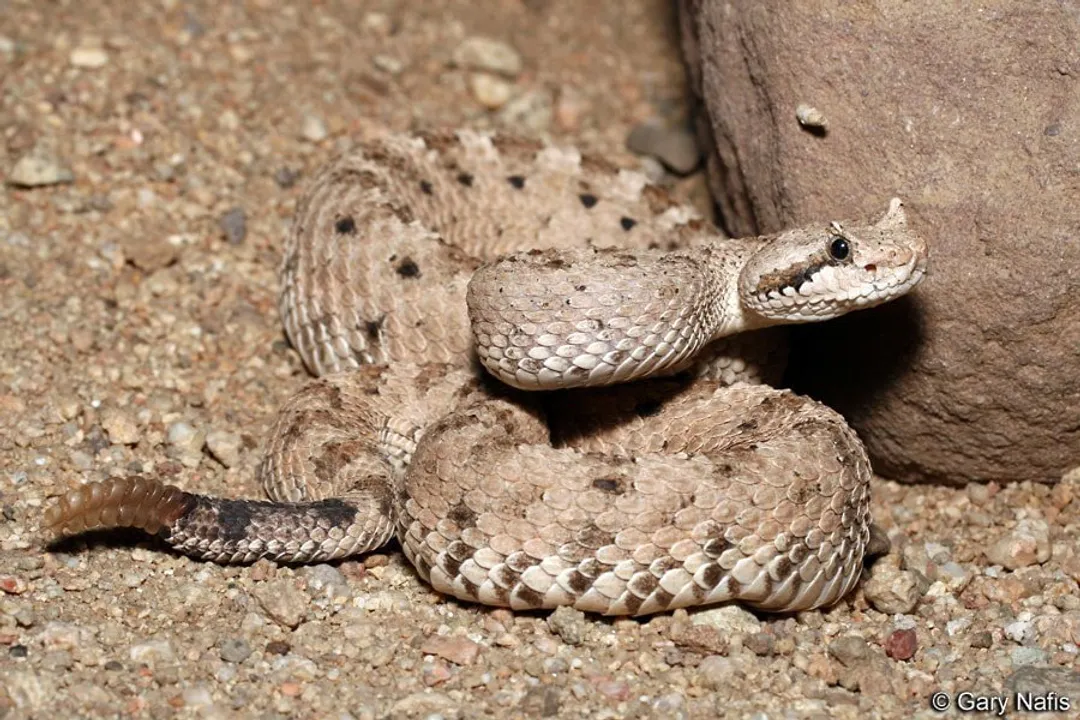
The Mojave Desert is home to several fascinating and potentially dangerous serpentine residents, but a few species stand out as the most commonly encountered or scientifically significant within that arid expanse. When considering the venomous inhabitants, one species often dominates the conversation due to its reputation: the Mojave Green Rattlesnake (Crotalus scutulatus). However, this desert is not a monoculture of danger; it hosts a variety of pit vipers, including the distinctly moving Mojave Desert Sidewinder (Crotalus cerastes cerastes). Understanding which snakes patrol these sandy, rocky terrains requires looking at the distinct adaptations each species has developed to thrive in this harsh environment.
# Mojave Green Venom
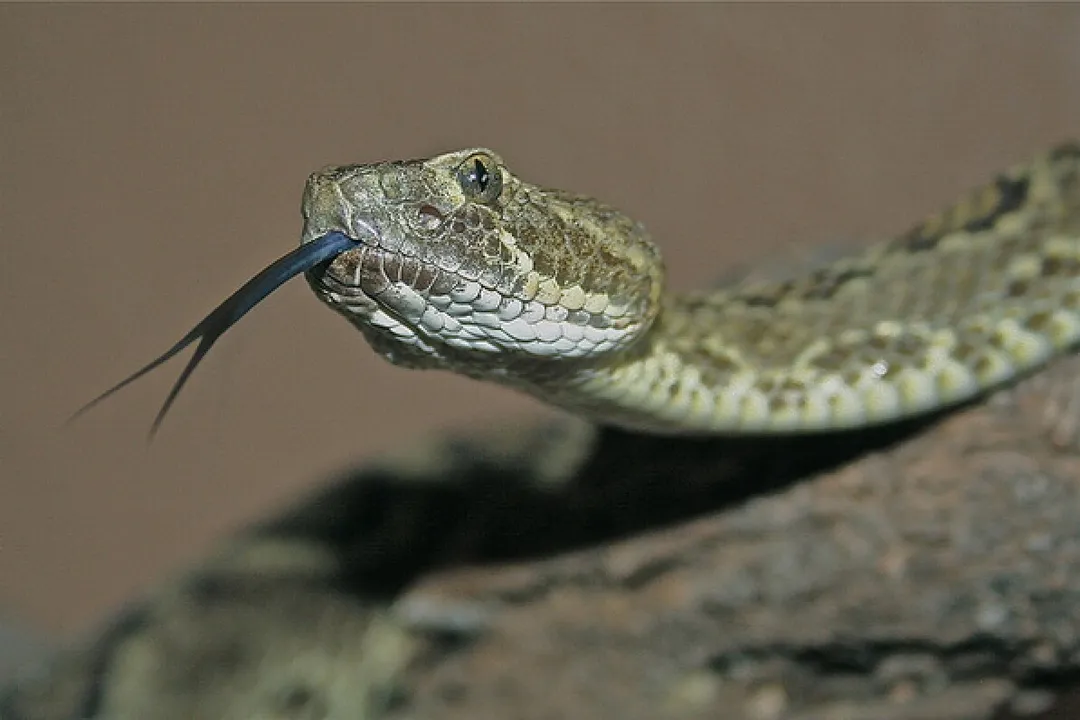
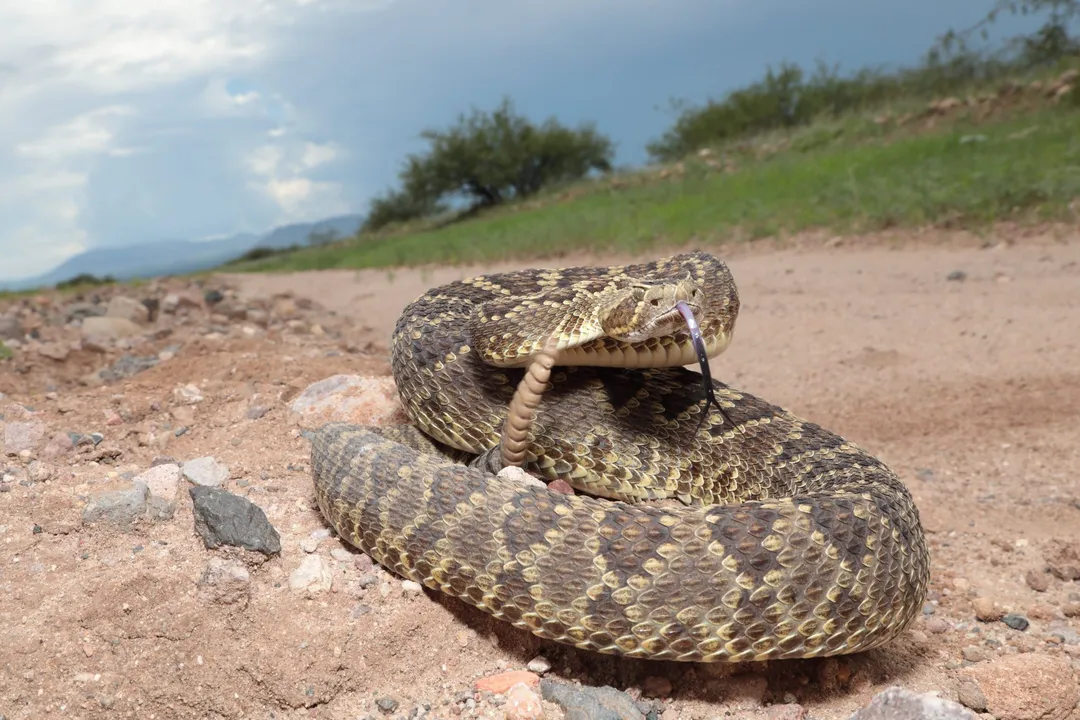
The Crotalus scutulatus earns its notoriety primarily through its complex venom. While many rattlesnakes possess hemotoxic venom, which attacks blood cells and tissue, the Mojave Green often carries a potent neurotoxin as well, sometimes referred to as "Mojave toxin". This combination can cause severe systemic effects far beyond a local injury. The desert's environment, spanning the Mojave and Sonoran Deserts, dictates the need for such potent chemical defenses and hunting tools.
Physically, these snakes can present a challenge for quick identification. Their coloration tends toward a pale olive-green, though they can appear brownish-gray, and while they possess a diamond pattern, it is often faint or indistinct. In areas like Red Rock Canyon, part of the Mojave ecosystem, these snakes are active during the warmer months, seeking out lizards and small mammals like mice and ground squirrels for their meals. The fact that the Mojave Green possesses some of the most toxic venom of any North American snake means that any sighting should prompt immediate, cautious retreat.
# Sidewinder Movement
A stark contrast in both movement and appearance is provided by the Mojave Desert Sidewinder. This snake is perfectly named for its unique method of locomotion: sidewinding. This specialized travel is an adaptation for moving efficiently across loose, fine sand, minimizing body contact with the searing hot substrate and avoiding sinking into deep drifts.
The Sidewinder’s appearance reflects its sandy habitat preference; its coloration typically ranges from sandy or yellowish to grayish-brown, providing excellent camouflage against the desert floor. Unlike the potentially cryptic patterning of the Mojave Green, the Sidewinder usually displays dark, pale-edged blotches across its back. If you see a snake moving in rapid, looped segments across open sand, you are likely observing this specialist at work, a truly unique display of reptilian biomechanics tailored for the loose desert substrate.
# Regional Diversity
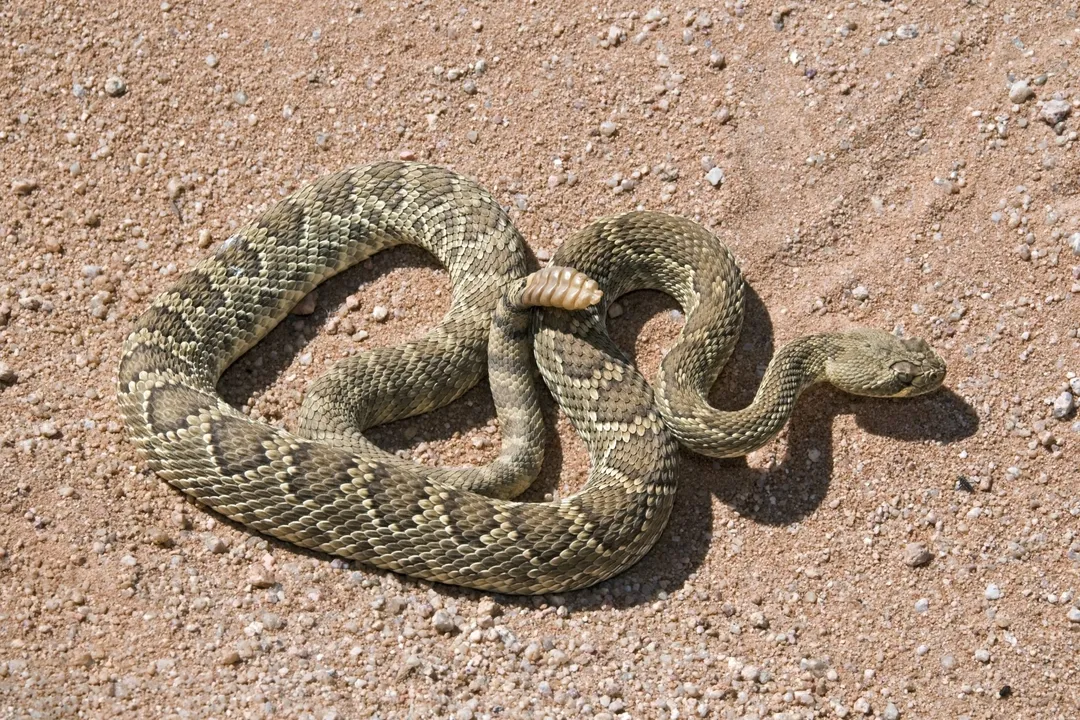
While the Mojave Green and the Sidewinder are headline species, the Mojave Desert's snake population is richer than just two species. Information suggests that the broader desert region, depending on exact boundaries and local conditions, may host up to seven species of rattlesnakes. This diversity means that a hiker or resident might encounter other types of Crotalus species that inhabit the region, such as the Western Diamondback Rattlesnake (Crotalus atrox) in certain overlapping zones, though the Mojave Green is often cited as the most common or significant venomous snake in the core Mojave.
This suggests that the desert's varied topography—from sandy washes favored by the Sidewinder to rocky outcrops and creosote scrub favored by others—supports distinct niches for different viper populations. A key consideration for anyone identifying a snake in this region is that even if a snake isn't a Mojave Green, the general assumption for any rattlesnake encountered in the Mojave should be one of extreme caution, as many local species possess medically significant venom.
Here is a simplified comparison of the two most distinctly characterized species:
| Feature | Mojave Green Rattlesnake (C. scutulatus) | Mojave Desert Sidewinder (C. c. cerastes) |
|---|---|---|
| Primary Adaptation | Potent, complex neurotoxic/hemotoxic venom | Sidewinding locomotion for sandy terrain |
| Color/Pattern | Pale olive-green to brownish-gray; faint diamonds | Sandy/yellowish to grayish-brown; distinct blotches |
| Habitat Niche | Broad desert scrub, rocky areas | Favors sandy bottoms and washes |
# Identification Nuances
Distinguishing between rattlesnake species in the field can be difficult, especially for the general observer. While one snake may be highly neurotoxic, another might rely purely on brute hemotoxic power, but both require the same respect. Experienced observers often focus on scale counts, head shape, and pattern confirmation when possible, but for the average person, the safest practice is to note the general size and color and back away slowly.
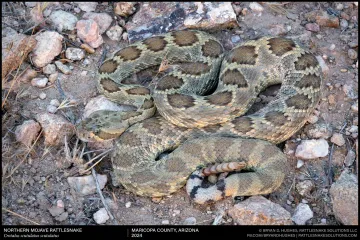
For instance, the Mojave Green's pattern being faint is a critical difference from species that exhibit bold, black-bordered diamonds. If you observe a snake displaying clear, black-edged diamond patterns, you might be looking at a different local Crotalus species, perhaps one where the primary threat is tissue damage rather than neurological impairment, though this distinction is purely academic when safety is the goal. The presence of the tell-tale rattle at the tail tip is the singular confirmation needed to know you are dealing with a rattlesnake, regardless of species.
A practical observation when hiking the lower-elevation Mojave areas is recognizing the difference in where you see the snake moving. If you are crossing a large, open expanse of deep, soft sand, the snake moving perpendicular to your path in those characteristic J-shaped tracks is almost certainly a Sidewinder seeking to minimize surface contact. If you are near rocky slopes or brushy transition zones, the potential for encountering the highly venomous Mojave Green increases. This habitat preference mapping is an unofficial but useful way for desert dwellers to assess the immediate risk profile of a specific micro-location.
# Desert Awareness Tips
Dealing with any of the Mojave's rattlesnakes requires preparedness and knowledge of the environment they inhabit. Since rattlesnakes are ectotherms, their activity periods are dictated by ambient temperature. This means that during the peak heat of the summer day, they are often seeking shelter under rocks, in rodent burrows, or in the shade, becoming significantly less active. Conversely, spring and fall often see them most active during the day, especially in the morning or late afternoon, as they bask to regulate their body temperature.
A key area often overlooked by visitors is footwear. The desert floor is uneven, concealing not only snakes but also sharp debris. When hiking off-trail or through areas of high grass or scrub, sturdy, over-the-ankle boots are essential. While they won't stop a determined strike, they provide a necessary layer of protection against accidental encounters, particularly low strikes near the ground, which is common behavior for many vipers when startled. Furthermore, never place your hands or feet where you cannot see them; this applies equally to stepping over a log or reaching into a crevice to retrieve a dropped item.
Another important consideration, particularly in residential areas bordering the desert, is understanding that rattlesnakes are not always loud. The older adage about hearing the rattle before seeing the snake only holds true if the snake chooses to deploy its alarm system. A rattlesnake that feels adequately concealed, or one that is suddenly stepped upon, may strike without any warning sound whatsoever. Always assume the desert floor is occupied territory and watch where you walk and place your hands. This simple, consistent behavioral adjustment is arguably more valuable than memorizing the precise coloration differences between two very dangerous species.
Related Questions
#Citations
Mojave Green Rattlesnake - Nevada Department of Wildlife
Crotalus scutulatus - Wikipedia
Rattlesnake identification in the Mojave desert - Facebook
What type of rattlesnake? [Mojave desert/southern california] - Reddit
Mojave Desert Sidewinder - The Rattlesnake Conservancy
The Mojave Green & Six Other Rattlers: Snake Season ... - PBS SoCal
Snakes of the Mojave Desert - Identification, Safety, and Facts
Wildlife Wednesday: Mojave Green Rattlesnake - Red Rock Canyon
California Rattlesnakes