How aggressive are mojave rattlesnakes?
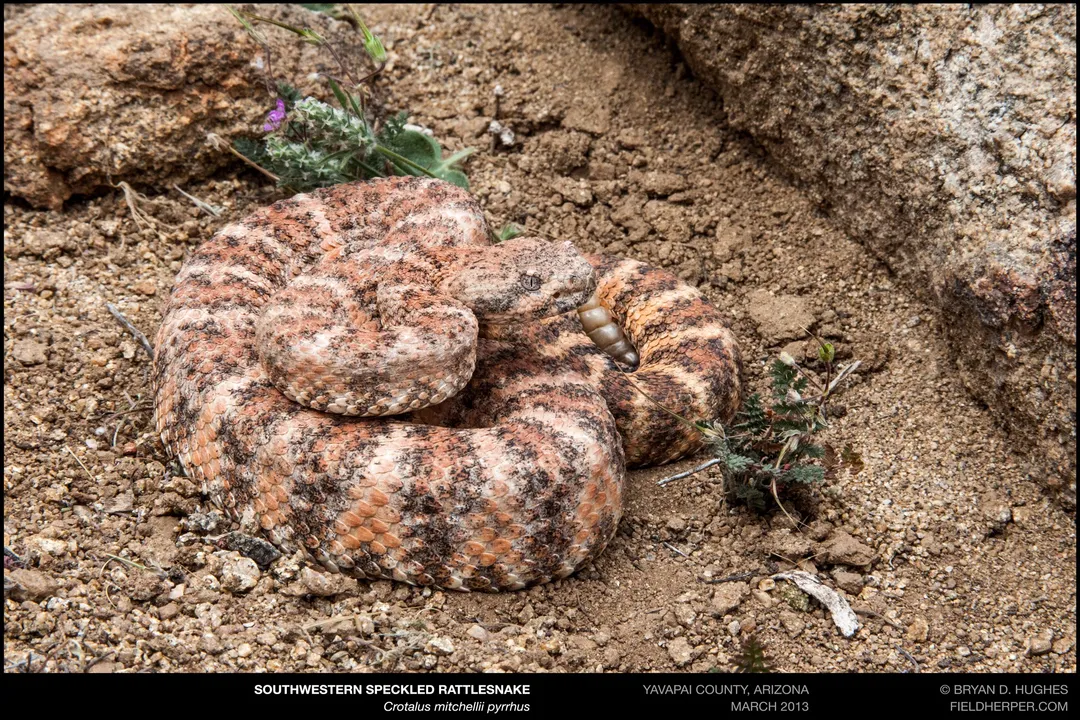
The Mojave rattlesnake, scientifically known as Crotalus scutulatus, carries a significant reputation that often precedes it, primarily fueled by the potency of its venom, but assessing its actual level of aggression requires looking past the fear and focusing on defensive instincts. [1] Like most pit vipers encountered in the American Southwest, the default mode for this species is avoidance; they much prefer to remain hidden or retreat than to engage in a confrontation with a perceived threat. [6]
# Identity Clarification
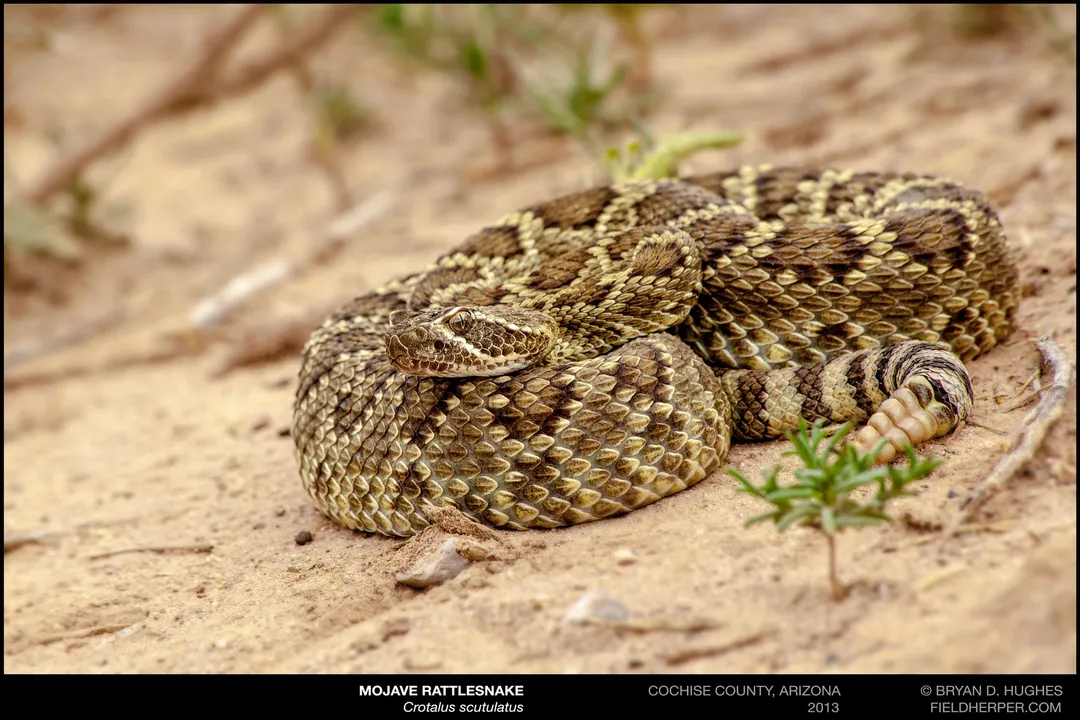
The identification of this snake can sometimes be confusing, as it is frequently referenced as the Mojave Green Rattlesnake, particularly when discussing populations found within the Mojave Desert ecosystem. [6][7] This scientific grouping, C. scutulatus, encompasses snakes that may look different depending on their specific location, meaning that visual identification based purely on color alone can be unreliable. [1] Knowing the correct species name is essential because the danger level associated with it—due to venom composition—is much higher than many other local rattlesnakes, which indirectly shapes how encounters are perceived and reported. [9]
# Defense Patterns
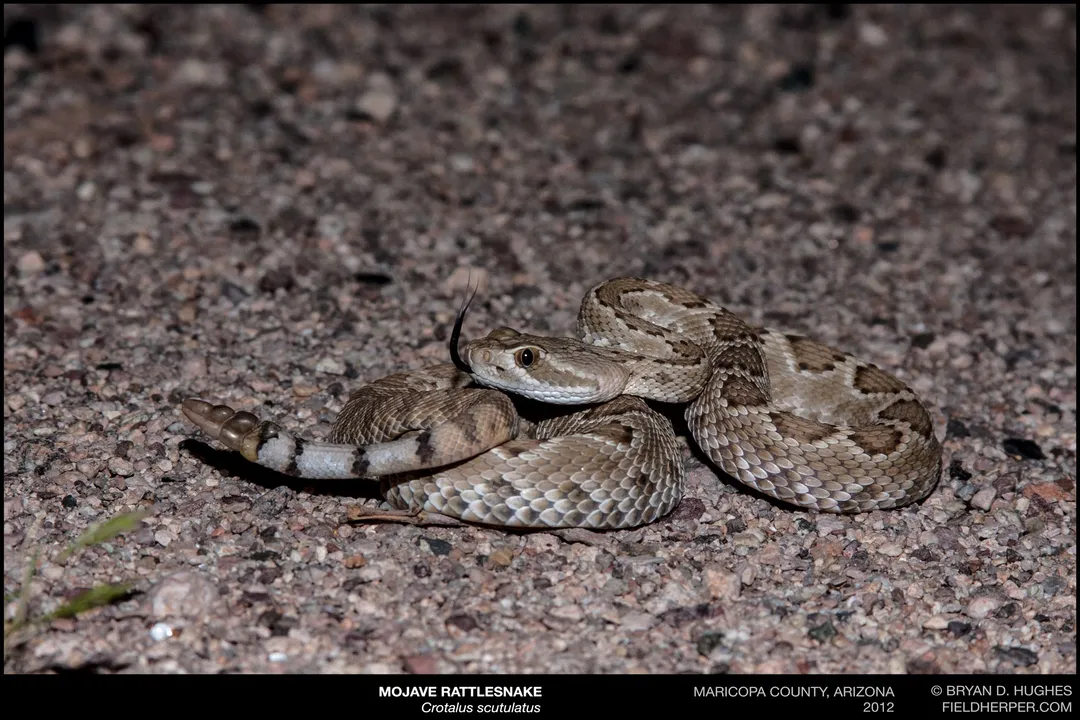
When faced with a potential danger, the Mojave rattlesnake generally follows a predictable defensive sequence common to its relatives. [1] The first step is usually remaining absolutely still, relying on its camouflage to make the threat pass by unnoticed. [6] If the proximity of the threat increases, the snake will often utilize its namesake attribute: the rattle. [6] This warning signal is a clear indicator that the snake is uncomfortable and requests distance. A strike, which is the most aggressive action it can take, is almost universally a last-resort behavior executed only when the animal feels trapped, stepped upon, or directly attacked with no avenue for escape. [1][5]
# Behavioral Context
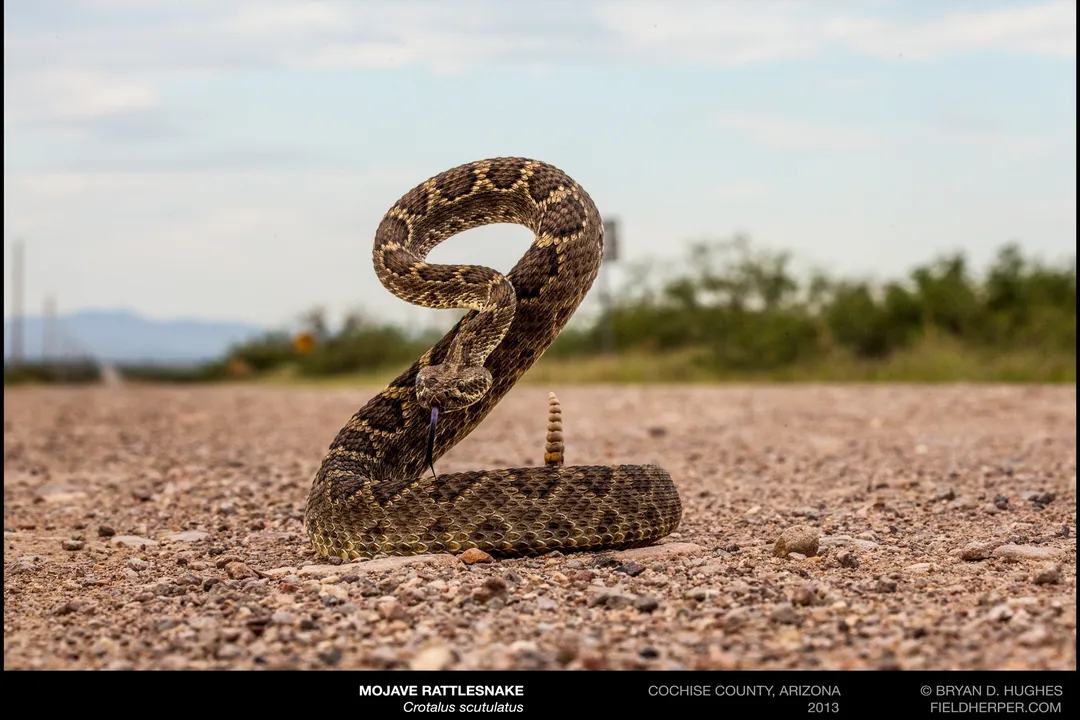
Behavioral tendencies are not monolithic across the entire species range, and factors like environment and individual history play a part. [1] Snakes housed in captive environments, for instance, might exhibit different temperaments than those in the wild, sometimes showing increased defensiveness if they are frequently disturbed or handled by keepers. [2][3] In their native habitat across places like Arizona, their primary focus remains on survival, thermoregulation, and hunting, not initiating fights. [5][7] While some anecdotes might suggest particular snakes are more aggressive, the underlying biology strongly favors conservation of energy and venom. [1] It is a common observation among herpetologists that the danger perception often rests on the consequence of the defensive action rather than the frequency of the action itself; a bite from a highly toxic C. scutulatus feels far more aggressive due to the potential medical outcome than a defensive bite from a less potent species, even if the initial threat scenario was identical. [9]
From an energetic standpoint, biting is costly; it requires significant venom production and leaves the snake momentarily vulnerable while it recovers its reserves. Therefore, a Mojave rattlesnake's defensive threshold—the point at which it calculates that striking is safer or more efficient than fleeing—is likely set very high, reserved strictly for situations where retreat is truly blocked or the threat is immediate and overwhelming. [1] This calculation explains why many close calls end without incident; the snake is assessing its options until the moment it feels cornered.
# Triggers and Encounters
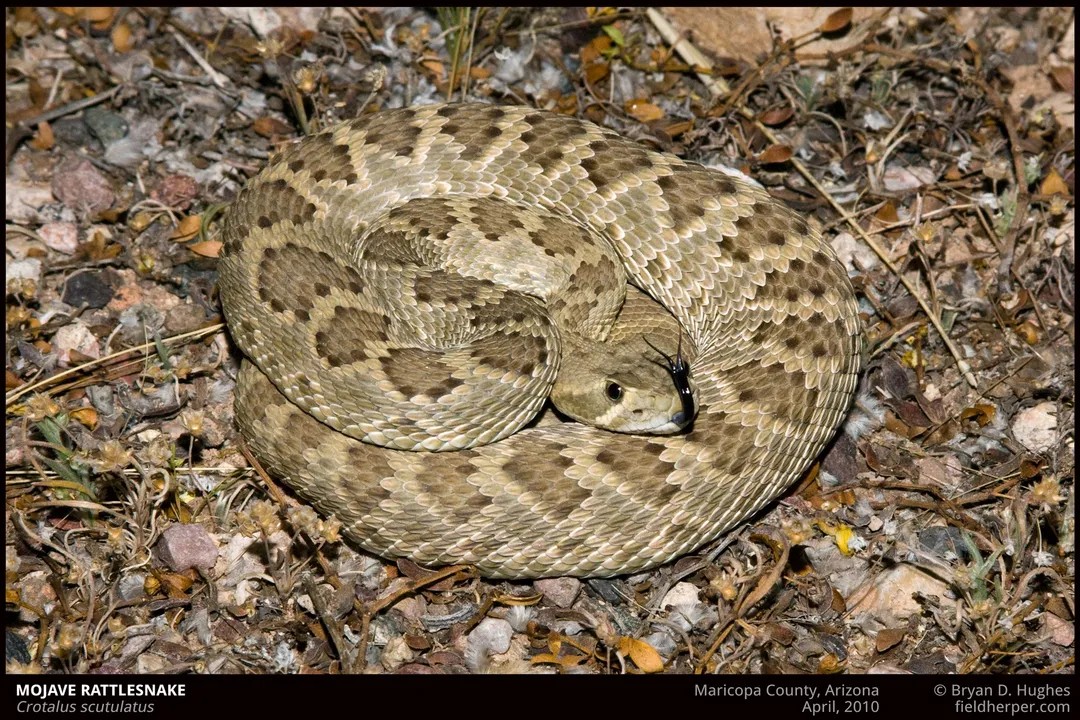
The situations most likely to provoke a strike involve surprise at close quarters. [6] If someone is walking through dense brush, hiking off-trail, or moving quickly during peak activity hours—such as cooler parts of the day or night, depending on the ambient temperature—the chance of accidentally stepping too close increases dramatically. [7] The snake interprets this sudden, close intrusion into its immediate personal space as a life-or-death situation, overriding its preference for stillness.
When navigating areas known to host these snakes, such as the rocky, arid terrain where they are commonly found, managing interaction proximity is key to safety. [5] The actionable tip for hikers or residents in these regions is to adopt a methodical scanning pace. If you spot one, the immediate correct action is not to try and scare it away or poke it with a stick, but rather to freeze, slowly back away while keeping the snake in sight, and grant it a wide buffer zone, ideally six feet or more. [6] Understanding that the effective strike range is usually less than half the snake’s total body length allows a person to consciously maintain a distance that keeps them safely outside that defensive envelope.
# Venom Potency Perception
The notorious reputation surrounding the Mojave rattlesnake is inextricably linked to its potent venom, which often contains a complex mix of destructive hemotoxins and potentially dangerous neurotoxins. [9] In certain regions, the venom profile is considered one of the most toxic among North American pit vipers. [1] This severity in envenomation means that any defensive reaction, even one that might be considered mild in a less venomous snake, is taken with extreme seriousness by the public and medical professionals. [9] Therefore, the perception of aggression is amplified by the known consequences of that aggression, establishing a high level of caution necessary when inhabiting or visiting their territory. [5]
Related Questions
#Citations
The Reality of the dreaded Mojave Rattlesnake
Mojave rattlesnakes are not typically aggressive - Facebook
r/VenomousKeepers - Crotalus scutulatus - Mojave Rattlesnake
Always defensive, never aggressive… The Mojave rattlesnake is ...
What happens if you get bit by a Mojave rattlesnake? It's bad
Mojave Green Rattlesnake - Grand Canyon-Parashant National ...
12 Rare Facts About the Mojave Green Snake You Didn't Know
Discover the Largest Mojave Rattlesnake Ever Recorded
Which is more dangerous? The coral snake or the Mojave rattlesnake?