How poisonous is the Mojave rattlesnake?
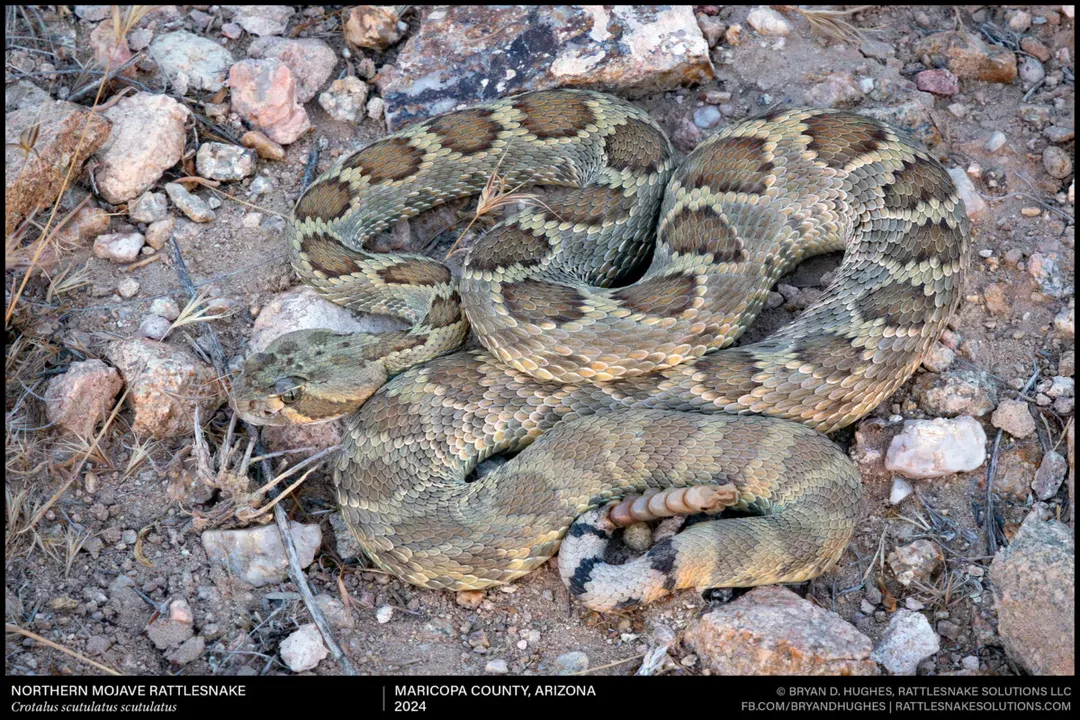
The question of how dangerous the Mojave rattlesnake really is warrants a closer look, as this desert dweller is often considered one of the most venomous snakes in North America. While several species inhabit the arid Southwest, the Crotalus scutulatus, commonly known in some regions as the Mojave Green Rattlesnake, presents a unique toxicological threat due to the composition of its bite. It is frequently grouped with other hazardous pit vipers, but its venom profile sets it apart from more commonly encountered relatives like the Western Diamondback.
# Venom Potency
The danger associated with a Mojave rattlesnake bite stems not just from the quantity of venom injected, but critically from its quality. This snake produces a complex cocktail of toxins that includes both neurotoxins and hemotoxins. This dual nature is what elevates its bite potential compared to snakes that primarily exhibit only one type of toxic effect. While hemotoxins cause local tissue damage, swelling, and interfere with blood clotting, the neurotoxins are the systemic danger, attacking the nervous system.
The neurotoxic elements within the venom are particularly concerning because they can lead to severe systemic effects, including potentially fatal respiratory paralysis. The severity of the reaction is directly tied to the specific components present in the venom of the individual snake, which can vary geographically. Some populations may yield venom that is predominantly neurotoxic, while others may have a higher concentration of hemotoxic components. This variability means that a bite that appears mild locally could mask a much greater systemic threat developing internally.
If you are examining potential exposure scenarios in the field, understanding this mixed bag is key. For example, when treating victims, failing to address the neurotoxic component quickly while focusing only on the dramatic local swelling caused by the hemotoxins could allow the paralytic effects to advance unchecked. This clinical reality underscores why immediate medical attention is mandatory, regardless of initial symptoms following a confirmed Mojave strike.
# Mojave Green
The snake itself, Crotalus scutulatus, is generally recognizable, though potentially confused with other desert species depending on location and lighting. It is often characterized by a greenish tint to its coloration, giving rise to its common moniker, the Mojave Green Rattlesnake. This species typically inhabits arid regions, thriving in environments like the Mojave Desert. Information regarding its presence often centers on areas like Arizona, where it is certainly found.
When observing these snakes, whether for identification or general knowledge, it is helpful to note their general behavior, although any rattlesnake should be given a wide berth. In areas where different venomous snakes overlap, relying solely on visual identification in a stressful encounter is risky. For instance, an individual may encounter a darker-colored Mojave, leading to misidentification if one is solely expecting the bright "green" described in field guides. This highlights a crucial point for desert hikers or residents: context matters more than a single color description when assessing potential hazard. In high-desert scrubland or rocky outcrops, the environment they favor, recognizing the rattle is the primary safety indicator, not necessarily the skin pattern.
# Bite Manifestation
The effects of a bite from this species can be alarming and rapidly progressing. Because of the dual toxins, symptoms often present in two distinct ways. Local reactions, typical of many pit viper bites, involve swelling, pain, and potential tissue damage mediated by the hemotoxins. However, the systemic effects from the neurotoxins are what cause the most concern for life-threatening outcomes.
The neurotoxic action can disrupt the transmission of nerve signals, which is why respiratory distress becomes a possibility. A bite from a snake possessing the highly neurotoxic variant of venom can result in symptoms appearing several hours after the initial strike. This delayed onset of severe systemic symptoms, contrasted with the immediate local pain, means a victim might underestimate the severity of the incident until systemic effects begin manifesting, making prompt evacuation and medical care essential.
In terms of lethality, one abstract indicates that the venom’s toxicity can be measured using assays like the value, where lower values indicate higher toxicity. The neurotoxic LD50 values for the venom of Crotalus scutulatus can be extremely low when compared to other North American rattlesnakes, signifying immense potency. This potency is a recurring theme when scientists analyze the venom of this species, confirming its place at the top tier of venomous snakes in the region.
# Antivenom Response
The medical management of a Mojave rattlesnake bite must account for the specific mix of toxins injected. Standardized antivenoms are designed to neutralize these components. Because the venom is complex, the specific antivenom used must be effective against both the neurotoxic and hemotoxic effects to fully treat the patient. Historically, the effectiveness of antivenom against the potent Mojave neurotoxins has been a significant focus in herpetological medicine. Access to the correct antivenom and rapid administration are critical determinants in patient outcome following a bite from a highly neurotoxic individual.
It is worth noting that while snake handling folklore sometimes surrounds these potent species, the actual risk-to-reward ratio strongly advises against any interaction beyond safe observation from a distance. Many anecdotes or stories that circulate about survival often depend on immediate, high-quality medical intervention, rather than home remedies or delayed care. When dealing with a venom that can induce respiratory failure, the margin for error in response time is exceptionally small.
Related Questions
#Citations
Crotalus scutulatus - Wikipedia
What happens if you get bit by a Mojave rattlesnake? It's bad
"The Mojave Green is the deadliest of all the rattlers!" - Facebook
Envenomation by the Mojave rattlesnake (Crotalus scutulatus ...
Mojave Rattlesnake and Associated Folklore - Field Herper
Mojave Green Rattlesnake - Grand Canyon-Parashant National ...
The Deadly Power of the Mojave Rattlesnake - YouTube
How is the Mojave green snakes bite so deadly? - Quora
Studies of an acidic cardiotoxin isolated from the venom of Mojave ...