What kind of grass repels snakes?
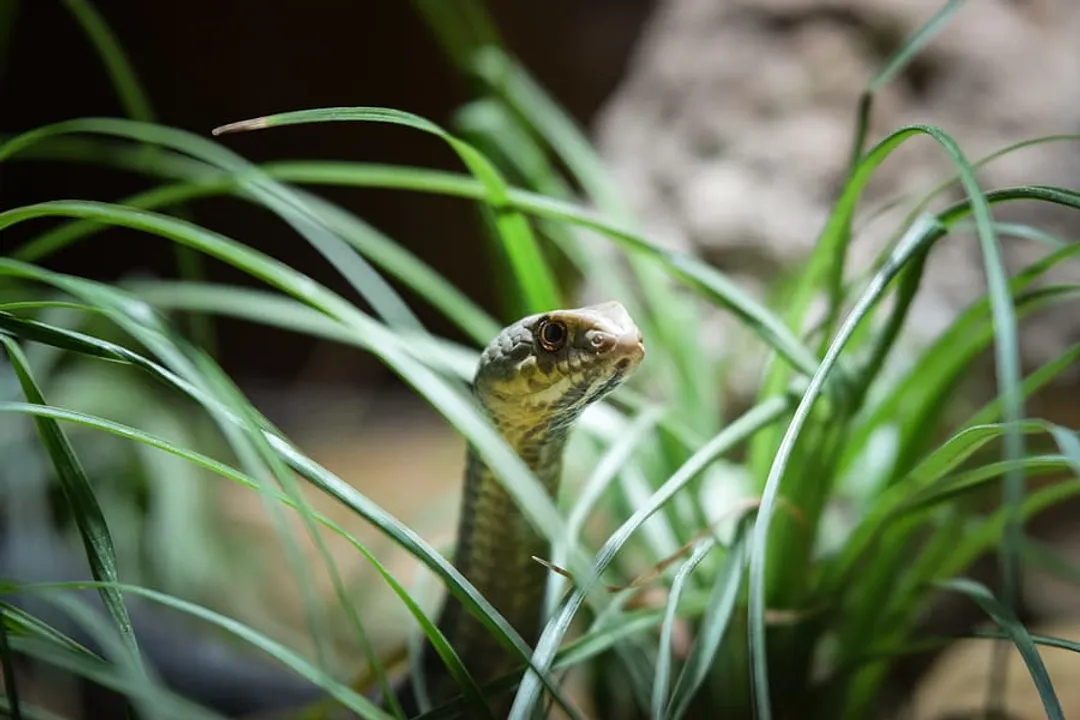
The desire to maintain a safe, snake-free yard often leads homeowners down a rabbit hole of folklore and gardening advice, with many searching specifically for a type of grass that acts as a natural deterrent. While the idea of planting a specific turf variety that actively frightens away venomous or non-venomous serpents is appealingly simple, the reality is far more nuanced. Snakes are primarily drawn to yards based on the availability of shelter, water, and prey, rather than being repelled by a single type of botanical scent, though certain aromatic plants are frequently mentioned in this context. [3][9] The focus shifts away from finding the perfect grass and towards understanding the overall habitat your lawn provides.
# Plant Roles
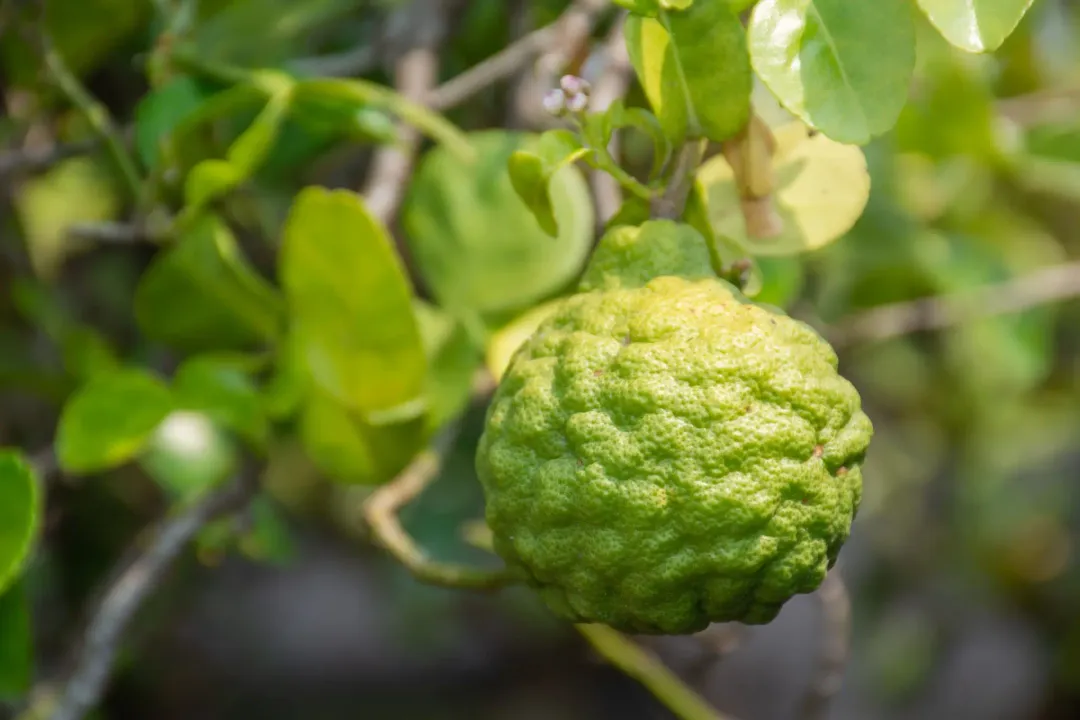
Many popular recommendations center on plants with strong, distinct odors, which are believed to interfere with a snake's sensitive olfactory senses. [1][3] These plants, while sometimes resembling ornamental grasses, are often distinctly different species. For instance, lemongrass, which grows in clumps resembling tall ornamental grasses, is a commonly suggested repellent. [1][5] Other frequently cited deterrents include marigolds, snake plant (Sansevieria trifasciata), and alliums like onions and garlic. [1][3][9]
It is important to differentiate these fragrant, broad-leafed, or bulb-bearing plants from turfgrasses—the low-growing ground covers used for typical lawns, such as Kentucky bluegrass, fescue, or Bermuda grass. While turfgrasses form the bulk of the lawn area, scientific literature or extension office guidance often omits them from the active "repellent" list. [8] Instead, the advice surrounding turfgrass usually focuses on management rather than species selection. [8] A lush, thick stand of a recommended repellent plant might still harbor snakes if the underlying conditions—like moisture or cool cover—are met. [5] This suggests that the plant's chemical output might be easily masked by favorable hiding spots.
# Aromatic Grass Lookalikes
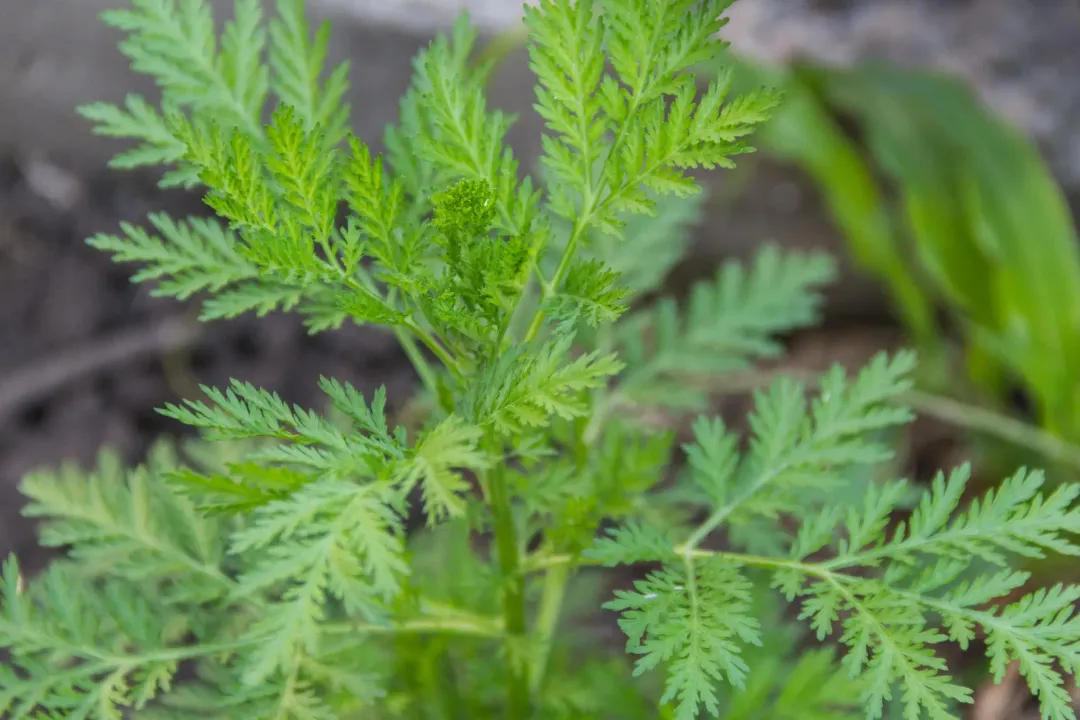
Lemongrass (Cymbopogon) is perhaps the most grass-like plant frequently associated with snake aversion due to its strong citronella scent. [1][3] Its oil contains compounds that some believe snakes dislike. [1] However, anecdotal evidence can create confusion. Reports exist where snakes were found sheltering within thick clumps of lemongrass in backyards, directly contrasting the idea that its presence alone guarantees exclusion. [5] This situation often arises because the dense, moist base of the lemongrass clump provides excellent cover from predators and the sun, overriding any potential aversion to its smell. [5]
Another contender sometimes mentioned in these discussions is cinnamon, particularly cinnamon grass or oil, which some sources suggest can be spread around yard perimeters. [3] Yet, like lemongrass, its efficacy relies on consistent, heavy application to maintain a concentration that snakes might avoid, which is difficult to achieve with a large lawn area. [3] If you are considering a planting that looks like grass, these aromatic, clumping species are what most advice points toward, but they should be viewed as supplementary additions to a control strategy, not a complete solution. [1]
# Turf Management Imperatives
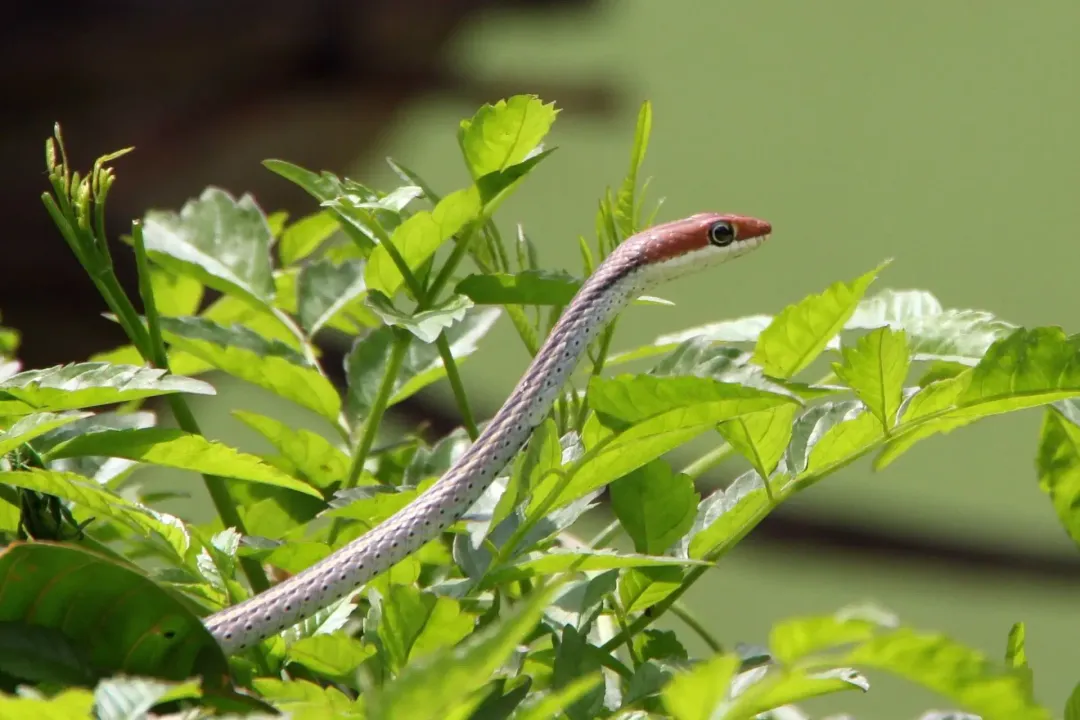
A significant observation, often overlooked when focusing solely on plant names, is that the condition and height of your lawn are far more influential on snake presence than the specific species of grass planted. [6][8] Snakes seek cover, shade, and a place to ambush prey like rodents. [6] A tall, uncut lawn, regardless of whether it is clover, St. Augustine, or Zoysia, provides an ideal environment for them to hide undetected. [6]
One actionable insight derived from general snake control methods is to view your lawn not as a single entity, but as a series of potential hiding spots. For example, if you have Bermuda grass, which is generally tough and low-growing, keeping it mowed short (say, below 3 inches consistently) drastically reduces the surface area of cover available to a sun-warmed snake looking to cool down during the day. [8] Conversely, if a homeowner is using a clover lawn or a mixed ground cover that tends to grow unevenly or taller, the risk increases simply due to the visual and physical density of the ground layer. [4] The distinction here is crucial: the grass itself isn't the repellent; the openness of the landscape is the deterrent. [6] Snakes prefer to move beneath cover; remove the cover, and they are more exposed and less likely to linger. [8]
# Beyond Grass Habitat Modification
Since relying on a single grass species is insufficient, effective snake mitigation requires layering control methods, many of which involve modifying the area immediately surrounding the turf. [6][8] This involves creating physical barriers and eliminating attractive features.
Here is a comparison of high-priority habitat modifications versus plant-based deterrence:
| Strategy | Primary Goal | Relative Effectiveness | Common Source Mention |
|---|---|---|---|
| Mowing Height | Eliminating surface cover | High | Keeps snakes exposed and vulnerable to predators/heat [8] |
| Debris Removal | Eliminating shelter/hibernation spots | Very High | Removes wood piles, rock piles, dense brush [6] |
| Rodent Control | Eliminating primary food source | Very High | Snakes follow the food; remove prey, remove snakes [6] |
| Planting Lemongrass | Olfactory deterrence | Low to Moderate | Scent may be temporarily irritating, but cover overrides it [5] |
| Perimeter Fencing | Physical exclusion | High | Barrier must be buried or tight to the ground [8] |
An original analysis to consider when managing a yard with existing ornamental plants that could harbor snakes, even if they aren't turfgrass, is the concept of "Scent-Cover Ratio." If you must have dense, attractive cover (like a large mulch bed or a patch of tall ornamental grasses that provide shade), you must massively over-plant the area with high-concentration scent deterrents like garlic or marigolds right at the edges and throughout the patch. [1] In essence, you are creating a small, smelly fortress to try and override the natural attractiveness of the cover, but this is labor-intensive and requires annual renewal of the scents. [3]
# Addressing Lawn Alternatives
The idea of switching to alternatives like clover lawns, often promoted for environmental reasons, brings up specific concerns regarding snake habitation. One discussion forum pointed out that while clover is low-growing, if it is not consistently mowed, it can quickly create a dense mat that offers excellent cover, similar to any unkempt lawn. [4] This reinforces the idea that maintenance trumps species. If you let a clover lawn go shaggy in the summer heat, you are essentially inviting snakes in for a cool, hidden retreat. [4] The focus should remain on keeping the lawn tidy and manicured. [6]
Furthermore, extension offices often provide lists of general landscaping modifications that are far more impactful than the specific choice between Fescue or Bermuda grass. These include:
- Clearing brush, rock piles, and lumber stacked near the house or play areas. [8]
- Trimming shrubs and low-hanging tree branches that touch the ground, as snakes can use them to bypass ground barriers. [8]
- Addressing any leaky outdoor faucets or hoses that provide persistent moisture, as snakes require water. [6]
# Practical Steps for Turf Safety
To create a lawn environment less inviting to snakes, a multi-pronged approach focusing on making the ground unsuitable for both hiding and hunting is most effective. This goes beyond merely planting one thing and hoping for the best. [6][8]
- Maintain Short Edges: Keep the grass immediately surrounding patios, sheds, and the foundation of your home significantly shorter than the rest of the lawn. This creates a buffer zone where snakes are exposed while traversing from one hiding spot to another. [6]
- Water Management: Inspect areas where water collects after rain or irrigation. Snakes, like all wildlife, need water. Eliminating standing puddles or overly saturated soil areas near the turf edge removes an attractive resource. [6]
- Prey Reduction Check: This is arguably the most critical step. If you have rodents (mice, voles) actively using your lawn or garden beds as a transit route or food source, snakes will follow. Managing rodent populations, perhaps by using wire mesh to seal off access points under sheds or decks, is a direct way to reduce snake incentive. [6]
- Physical Barriers: Where the lawn meets fences or property lines with wooded areas, consider installing a snake-proof fence. This usually involves mesh or hardware cloth installed vertically, with the bottom edge buried several inches into the soil to prevent burrowing underneath. [8]
Ultimately, while herbs like lemongrass are frequently discussed in the context of snake-repellent plants, the evidence suggests that when dealing with turfgrass, the maintenance schedule dictates the snake risk more than the botanical genetics. [4][8] A well-maintained, short lawn that lacks clutter and rodent food sources will be inherently less attractive to snakes than a dense, moist, unkempt patch of even the most aromatic plant known to man. [5][6] The snake deterrent in your yard is less about what you plant, and more about how you care for what is already growing. [1][7]
#Videos
How To Keep Poisonous Snakes Out Of Your Yard (Homemade ...
Related Questions
#Citations
5 Snake Repellent Plants to Protect Your Yard | Pest Control
Native plants that repel snakes? - Tucson - Facebook
30 Garden Plants That Will Keep Snakes at Bay - The Spruce
Do the clover lawns attract/ allow more snakes? Any other ... - Reddit
How come snakes hide in snake repelling grasses like lemon grass ...
How To Keep Snakes Out Of Your Yard | Just Right Lawns
How To Keep Poisonous Snakes Out Of Your Yard (Homemade ...
12 Ways to Stop Snakes From Slithering Into Your Yard | USU
Top-Notch Guide on Plants that Repel Snakes Naturally - My Plantin