What kind of animal is a saiga?
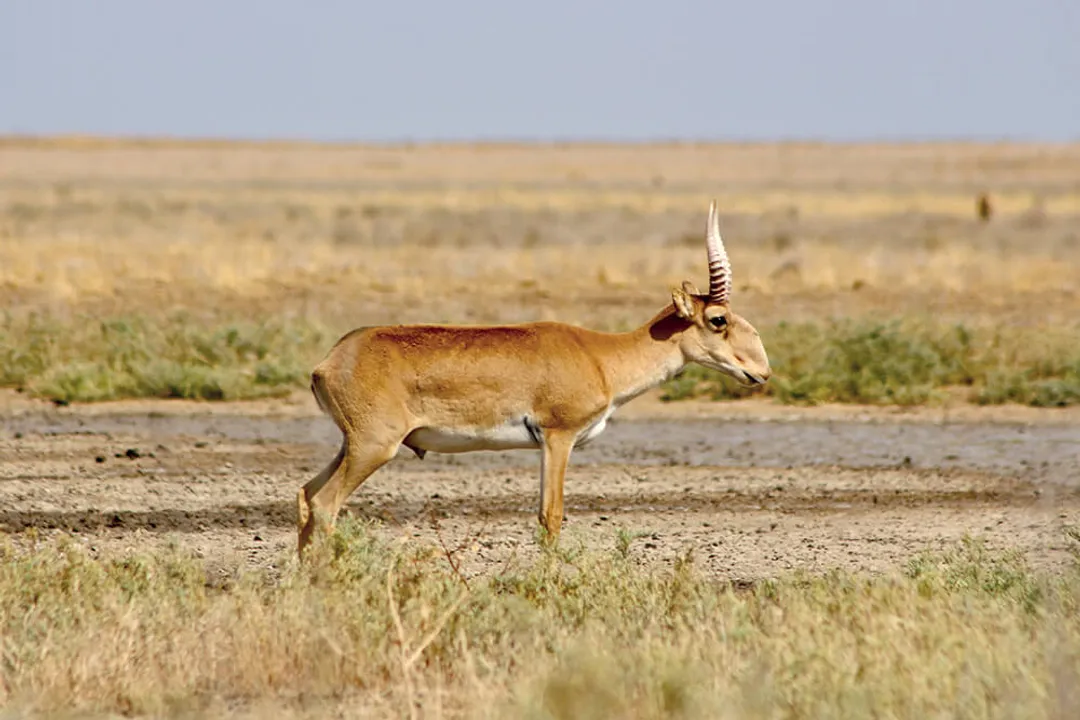
The saiga antelope possesses one of the most striking and immediately recognizable features in the entire ungulate world: an oversized, bulbous nose that seems almost comically large for its head. [1][3] This creature is not merely an oddity; it represents a highly specialized survivor, an animal deeply connected to the vast, arid grasslands of Eurasia, yet currently clinging to existence against overwhelming odds. [2][4] Distinguishing itself from its bovid relatives, the saiga (genus Saiga) is a medium-sized antelope, often described as having a somewhat stocky build. [3][4] The coat color shifts seasonally, usually appearing sandy or reddish-brown in the summer and thickening to a paler, grayish-brown or even whitish hue during the colder months. [1][3] Adult males are differentiated by their distinctive, ridged, translucent horns, which are highly prized and unfortunately a major driver of poaching. [3][4]
# Distinctive Proboscis
The most defining trait, the flexible, drooping nose, is the key to the saiga's ability to thrive in its harsh environment. [1][5] This enlarged structure, or proboscis, is a marvel of biological engineering, serving crucial physiological functions tailored to the steppe. [9] During the hot summer months, the dense network of blood vessels within the nasal tissues helps to cool the air before it reaches the lungs, a necessity when temperatures soar on the open plains. [2][9] Conversely, in the dry, dusty periods, particularly when migrating in large numbers, this unique nasal structure acts as a sophisticated filter, trapping the fine particulate matter kicked up by thousands of hooves. [2][5]
Considering this extreme adaptation, one can draw a comparative parallel with other arid-adapted species. While camels have their humps for energy storage and specialized mucous membranes for water conservation, the saiga's solution is focused intensely on air quality and temperature regulation—a clear evolutionary emphasis on surviving the immediate, harsh atmospheric conditions of the steppe floor, rather than simply water storage. [9] The complexity of this single feature speaks volumes about the intense selective pressures exerted by their native habitat over millennia.
# Geographic Range
Saigas once roamed widely across the Eurasian steppe, from Western Europe to Mongolia. [8] Today, their distribution is severely fragmented, surviving in several isolated populations concentrated in specific regions of Central Asia. [1][4] The largest surviving populations are found within Kazakhstan, with smaller groups persisting in Russia (Kalmykia and Astrakhan regions) and Mongolia. [2][5][7] The specific subspecies inhabiting these areas dictates the precise geography, but all are tethered to the wide-open, relatively treeless environments of the steppes and semi-deserts. [1][4]
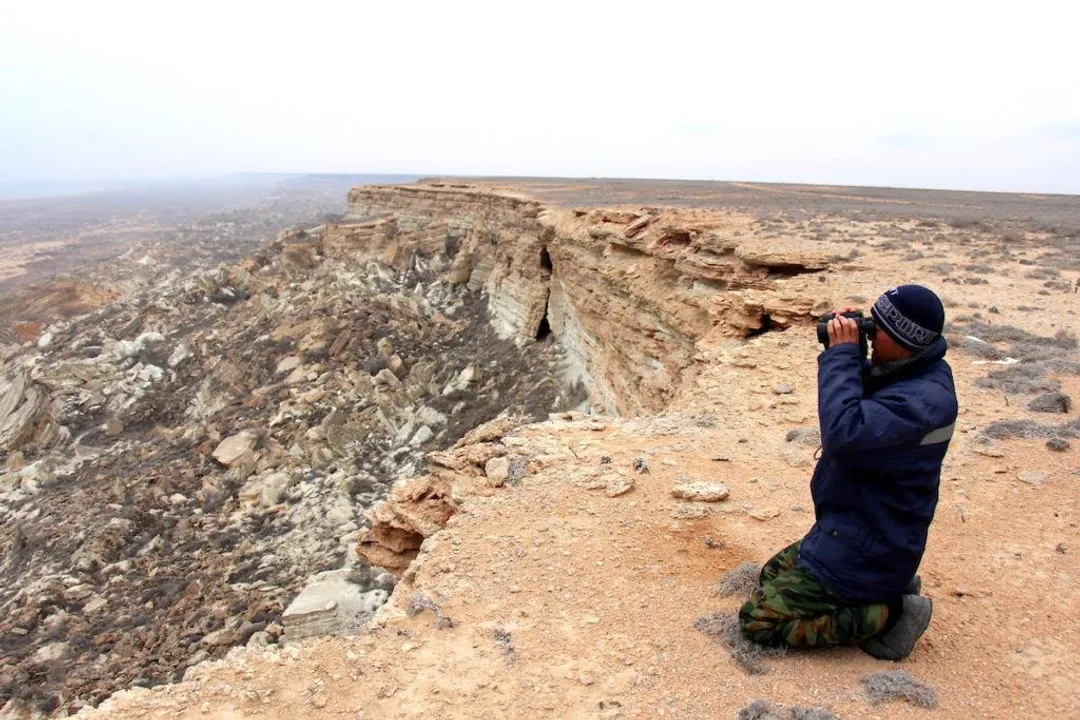
This geographical constraint is significant for conservation efforts. The historical range implies broad migratory routes connecting vast areas of grassland. [1] Now, these populations are often separated by fences, human infrastructure, or incompatible land use, creating genetic isolation pockets that hinder natural recovery and adaptation. [5] The challenge for modern conservation is not just protecting the animals where they currently are, but attempting to restore connectivity across a landscape that has drastically changed since the saiga's peak distribution. [2]
# Conservation Crisis
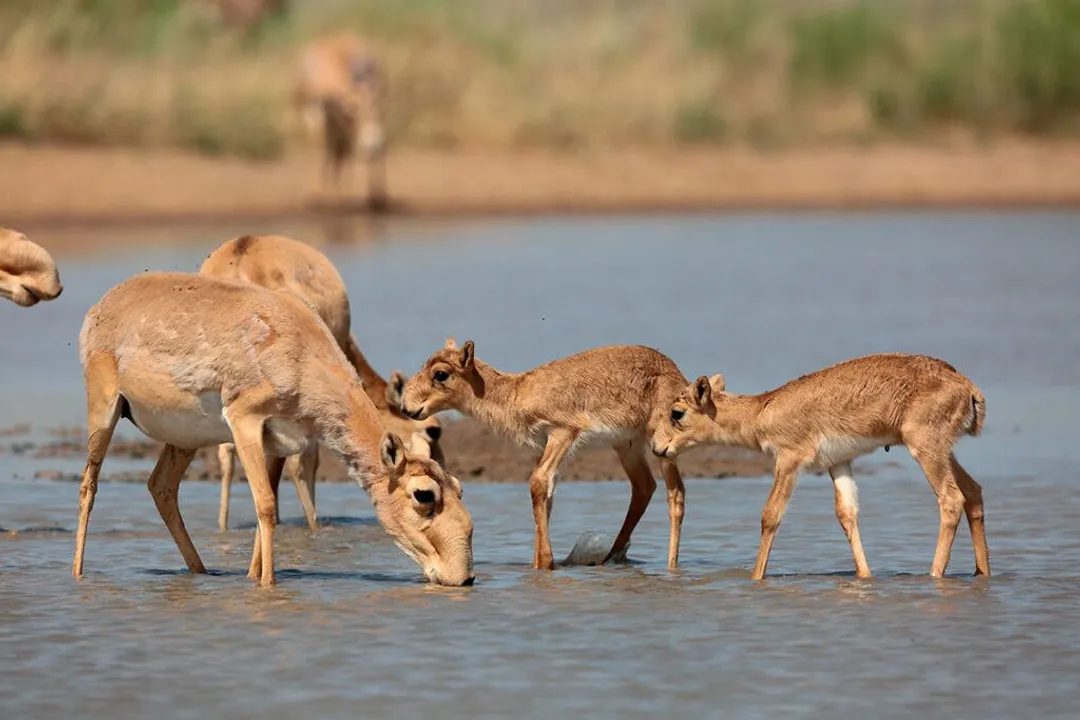
The story of the modern saiga is tragically linked to rapid population decline, placing it on the brink of extinction. [2][7] The species has been listed as Critically Endangered by the IUCN Red List for many years, a status reflecting the catastrophic drops in numbers experienced in the early 21st century. [2][5]
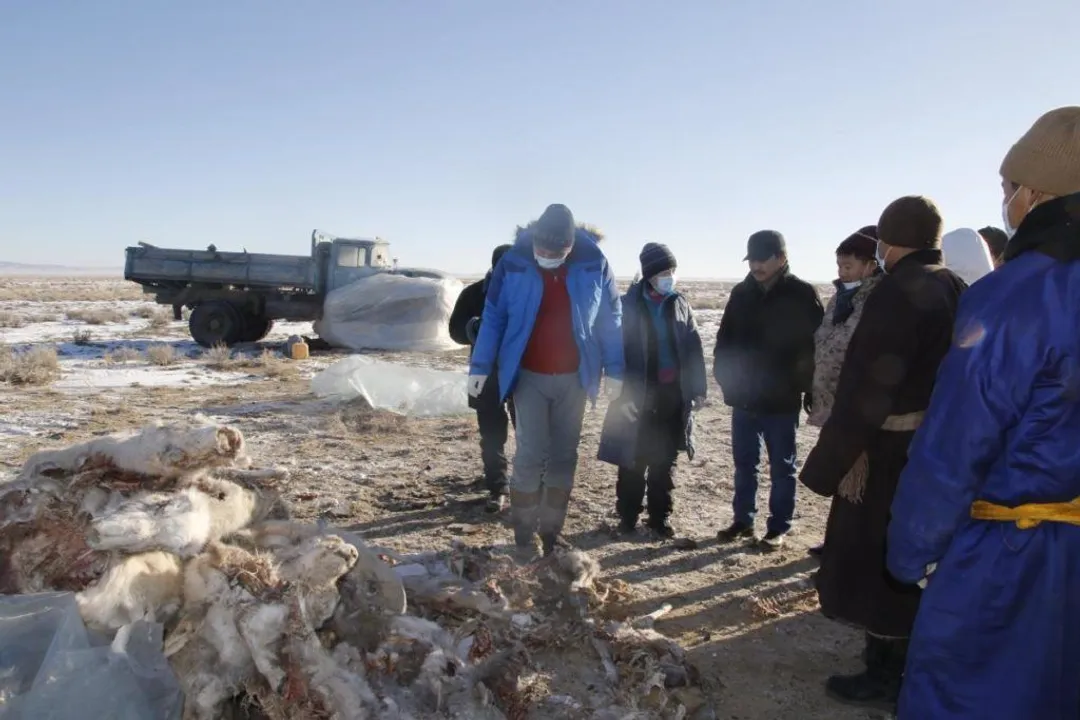
One of the most devastating single events in recent memory was the mass mortality outbreak in 2015, primarily affecting the Ustyurt population, which saw the deaths of over 200,000 animals in a matter of weeks—nearly 60% of the global population at the time. [5][7] Investigations pointed toward an outbreak of Pasteurella multocida bacteria, likely facilitated by abnormally warm and humid weather conditions that allowed the bacteria to flourish. [5] This event starkly illustrated the saiga’s extreme vulnerability, not just to human pressures but also to sudden environmental shifts. [2]
The primary ongoing threats remain poaching for their horns and habitat loss. [2][7] The demand for saiga horns in traditional medicine drives illegal hunting, often leading to the death of males, which can skew the sex ratio and impact breeding success. [4] Furthermore, increased fencing and agricultural encroachment restrict movement, hindering the very migration patterns that define their existence. [1][7]
# Historical Presence
The saiga is not a newcomer to these challenging environments; it has an ancestry stretching deep into geological time. [8] These antelopes were contemporaries of Ice Age giants, existing during the Pleistocene epoch alongside creatures like the woolly mammoth and the cave lion. [8] Fossil evidence places them across the ancient Mammoth Steppe, suggesting that their unique physiological adaptations are the result of surviving millennia of dramatic climatic shifts, from glacial periods to warmer interglacials. [8]
This deep history provides an interesting counterpoint to their current fragility. While the saiga survived the massive environmental turnover at the end of the last Ice Age, adapting to changing flora and fauna, it appears significantly less equipped to cope with the rapid, multifaceted pressures introduced by human activity in the last century. Their resilience through deep time contrasts sharply with their immediate peril today.
# Behavioral Patterns
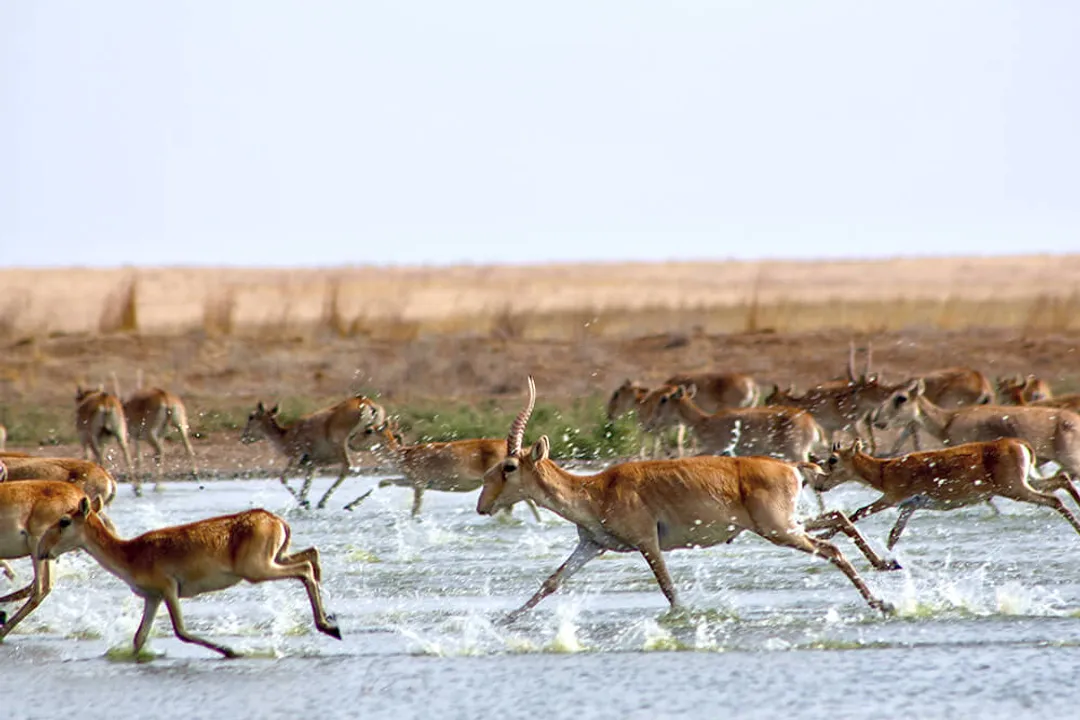
Saigas are renowned for their highly nomadic lifestyles. [1][4] They undertake long-distance migrations, often covering hundreds of kilometers annually as they move between winter and summer grazing grounds. [4] These movements are essential for finding adequate forage and escaping harsh weather extremes, dictated by the cyclical nature of the steppe. [1]
Social organization involves forming large herds, sometimes numbering in the thousands, particularly during migration or calving season. [1][4] This gregarious nature offers protection in numbers, helping them detect predators more effectively, though this massing also made them susceptible to the 2015 die-off. [5] Females generally form the main migratory herds, while males may remain separate or in smaller bachelor groups outside the main rutting season. [4] Their diet is relatively non-selective, consisting of various grasses, shrubs, and even lichens, allowing them flexibility in what they consume across different seasons. [1]
# Management Efforts
Conservation initiatives are focused on monitoring remaining populations and combating illegal trade. [5][7] In Kazakhstan, which holds the majority of the world's saiga, significant state efforts are underway, often involving anti-poaching brigades and habitat protection zones. [7] International cooperation is necessary, given that the animals often cross national borders, meaning that effective protection requires coordinated policies between countries like Kazakhstan, Russia, and Mongolia. [5]
One crucial element involves community engagement. Since protection success often relies on the cooperation of local people living near the herds, initiatives that demonstrate the long-term economic value of live saigas—perhaps through controlled, sustainable eco-tourism models or direct benefits from local anti-poaching patrols—are vital. [7] The population dynamics require constant vigilance; a spike in numbers one year due to favorable conditions can be wiped out by disease or a poaching surge the next, meaning management plans must be flexible enough to react to both rapid growth and sudden collapse. [5] It is a precarious balancing act of protection, research, and ecological management necessary to ensure this ancient antelope can continue its strange, dusty passage across the Asian steppes. [2][8]
#Videos
Saigas are Straight Out of Star Wars - YouTube
Related Questions
#Citations
Saiga antelope - Wikipedia
Saiga: the world's weirdest antelopes - Fauna & Flora
Saiga tatarica (saiga) | INFORMATION - Animal Diversity Web
Saiga | San Diego Zoo Animals & Plants
What is a Saiga?
Saigas are Straight Out of Star Wars - YouTube
Saiga Antelope–Learn more at Wildlife Conservation Network
Saiga Antelope - Yukon Beringia Interpretive Centre
Saiga | Research Starters - EBSCO